
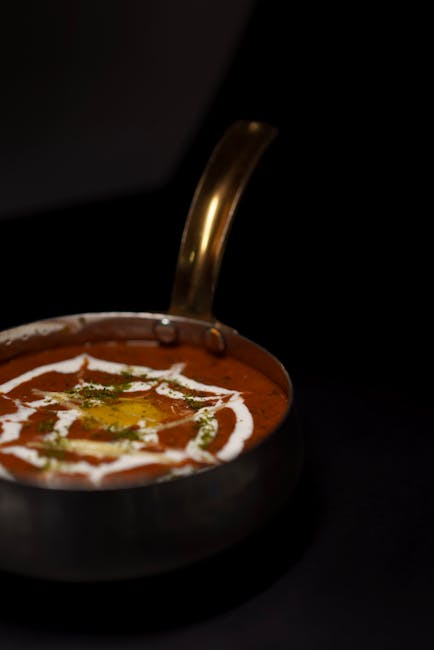
There is something magical about Dal Makhani that captures the heart of every Indian. Whether it’s the creamy texture or the aromatic spices, this dal makhani recipe is a celebration of flavors that brings comfort and warmth to any dining table. As someone who’s spent countless gatherings perfecting this dish, I’m thrilled to share my insights right from my beloved kitchen to yours.
This luxurious lentil dish is something that every Indian kitchen masters over time. With roots deep in Punjabi cuisine, dal makhani features whole black lentils simmered with butter and cream to a rich consistency. Let’s unfold the secrets to making the perfect dal makhani recipe that leaves everyone asking for seconds.
Essential Ingredients for Dal Makhani Recipe
Before we dive into the cooking process, it’s important to gather all the essential ingredients. Ensuring the quality and freshness of your ingredients is the first step to a delightful dal makhani recipe.
- Whole black urad dal (black lentils) – 1 cup
- Red kidney beans (rajma) – 1/4 cup
- Butter – 4 tablespoons
- Fresh cream – 1/2 cup
- Onions, finely chopped – 2 medium
- Tomatoes, pureed – 3 medium
- Ginger garlic paste – 1 tablespoon
- Garam masala – 1 teaspoon
- Cumin seeds – 1 teaspoon
- Fresh coriander leaves, chopped – for garnish
- Salt – to taste
- Red chili powder – 1 teaspoon
- Water – 4 cups
Preparing the Base for Dal Makhani
The journey to a remarkable dal makhani begins a day before. Soak the urad dal and rajma overnight. This crucial step ensures that the lentils absorb enough water to become soft and cook to perfection. Drain the water in the morning and let’s start creating magic.
- In a pressure cooker, add the soaked lentils with 4 cups of water and a pinch of salt. Cook for about 15 minutes on medium flame until soft.
- Meanwhile, heat butter in a deep pan and add cumin seeds. Let them sizzle to release their aroma before adding finely chopped onions.
- Sauté onions until they turn golden brown, then add ginger garlic paste and cook for another minute.
- Mix in tomato puree and let the mixture cook until butter separates.
- Add red chili powder and garam masala, stirring to blend their enticing flavors seamlessly.
- Introduce the cooked lentils to this rich base and stir gently.
- Pour in fresh cream and allow the dal to simmer on low flame, occasionally stirring for at least 45 minutes.
- Finish with a generous amount of butter and garnish with fresh coriander leaves before serving.
This slow cooking is where the magic happens, allowing each spoonful to burst with hearty flavors. Dal makhani requires time and patience, but the result is an unforgettable culinary experience. Explore more authentic Indian recipes on our website. ” style=”width:100%;margin:20px 0;border-radius:8px;”>
Key Techniques in Achieving Creaminess
One of the hallmarks of a well-cooked dal makhani recipe is its richness in texture. The application of certain techniques can significantly impact the dish’s final consistency.
- Double buttering: For that classic creamy touch, not only should butter be used during the cooking process, but a touch should also be added at the end.
- Slow cooking: The longer the lentils simmer, the richer the flavor becomes, allowing the spices to meld seamlessly with the base.
- Continual stirring: Regular stirring ensures that nothing sticks to the bottom and all ingredients are harmoniously combined.
- Adjusting consistency: If the dal thickens too much, adjust with hot water to reach desired consistency without tampering with taste.
- It’s all about balance: Maintain a balance between spices, avoiding overpowering any single flavor for an authentic taste.
These expert tips can guide you in transforming a simple dal into a luxurious plate of comfort food. Discover more food tips and tricks at our culinary journeys.
Traditional Tools and Techniques
Incorporating traditional tools can make a significant difference in achieving an authentic dal makhani recipe. While modern gadgets are convenient, nothing beats the charm of age-old methods that add a touch of nostalgia to your dish.
- Pressure cooker: Essential for efficiently cooking lentils to tenderness in less time.
- Heavy-bottomed kadhai (wok): Ensures even heat distribution, preventing burning and sticking.
- Wooden spatula: Use this to gently stir and mix the dal, maintaining its creamy texture.
- Hand-ground spices: Freshly ground spices transcend the flavor profile compared to pre-packaged mixes.
Leveraging these traditional techniques will elevate your dal makhani cooking from merely cooking to crafting a cherished dish.” style=”width:100%;margin:20px 0;border-radius:8px;”>
Enhancing Flavors with Regional Variations
Dal makhani belongs to the rich culinary heritage of Punjab. While the basic dal makhani recipe remains constant, regional adaptations bring their flair to this beloved dish. Here are some variations across India that you might find intriguing:
- Uttar Pradesh style: A richer meatier variant, incorporates chicken broth along with lentils for deeper flavors.
- South Indian touch: Infuse a hint of coconut milk adding subtle sweetness and balancing the spicy overload.
- Kashmiri twist: A hint of yogurt and kidney beans cooked in mustard oil brings a unique warmth.
Trying these regional twists can introduce new flavors while keeping the traditional roots alive.
Serving Suggestions with an Exquisite Touch
The beauty of dal makhani recipe is its versatility in pairing. Enjoy it with serene homely meals or lavish dinner parties alike. Here’s how you can serve this dish with flair:
- Jeera rice: This lightly spiced yet aromatic rice serves as an ideal companion to creamy dal makhani.
- Naan or paratha: The bread’s texture complements the thick sauce beautifully, ensuring each bite is flavor-packed.
- Fresh salad: Crisp onions, cucumbers tossed with lemon provide a refreshing crunch alongside the richness of dal.
- Boondi raita: Its cooling essence tempers the spice, beautifully balancing the entire meal.
These accompaniments blend harmoniously with dal makhani, offering a complete meal satisfying senses completely.” style=”width:100%;margin:20px 0;border-radius:8px;”>
Finally, as you embark on recreating this delightful meal, remember it’s not merely about following a dal makhani recipe but infusing your love into each step. Cooking is an expression; embrace it with joy. With your own personal touch, every serving will highlight the medley of flavors that make the Indian culinary tradition widely loved.
Frequently Asked Questions
How do I store leftover dal makhani?
Store any leftover dal makhani in an airtight container and refrigerate. It stays fresh for up to 2-3 days. Reheat it gently on low heat while stirring continuously to maintain its creamy texture. A little water may be added to adjust the consistency during reheating.
Can I make a vegan version of dal makhani?
Yes, you can make a vegan version by replacing butter with vegan butter or oil and using coconut cream instead of dairy cream. Opt for fresh coriander for garnish to enhance flavors without using any animal produce.
Why is my dal not creamy?
Several factors contribute to creaminess, including sufficient soaking time, properly cooked dal, generous cream usage, and slow-cooking. Ensure you follow these steps for a creamy, luscious texture in your dal makhani.
What are the health benefits of eating dal makhani?
Dal makhani is rich in protein due to lentils, providing essential nutrients. It contains fiber, aiding digestion and maintaining energy levels. However, due to its rich ingredients, moderation is key to enjoying its health benefits.
Is dal makhani similar to butter chicken?
While both use aromatic spices, butter is a base, and both are creamy, dal makhani is vegetarian centering on black lentils, whereas butter chicken involves marinated chicken pieces. They distinctly belong to Punjabi cuisine yet remain separate dishes in their right.


