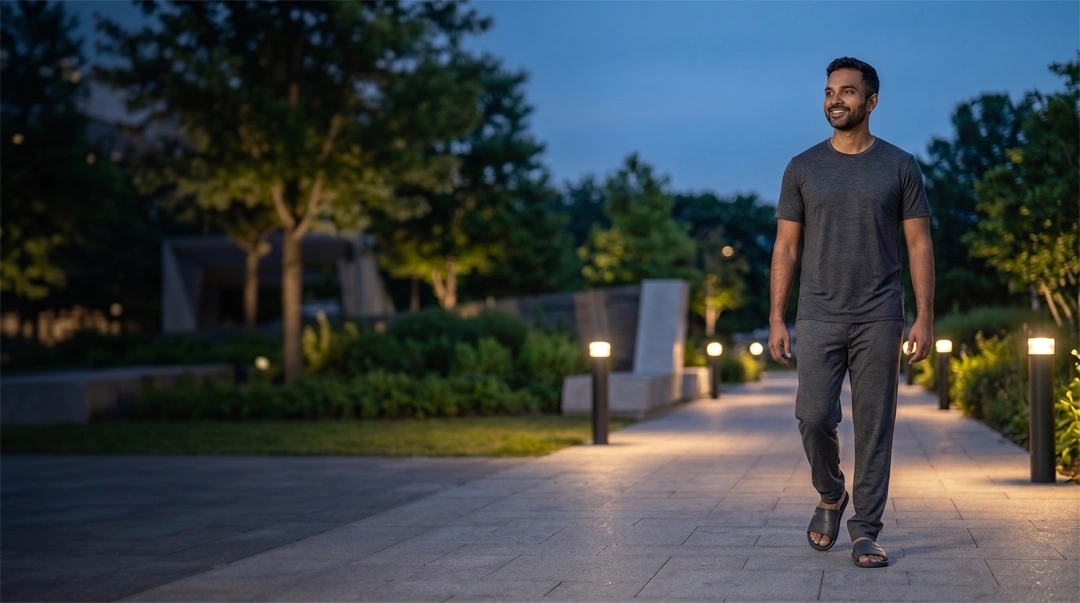
Walking after dinner is one of the simplest habits people can use to support digestion, steady energy, and a more active evening routine. It does not require special equipment, a gym membership, or a major schedule change. Yet the details matter. How long should you walk? How soon after eating should you start? And what pace makes the most sense?
This guide answers those practical questions with a clear focus on evidence. You will find what research supports, where advice is more general than medical, and how to build a walking after dinner routine that fits real life. If you have ever wondered whether a short stroll after a meal is worth it, the short answer is yes, often. The longer answer depends on timing, duration, pace, and your own health needs.
For many people, walking after dinner can be a useful daily habit. It may help lower post-meal blood sugar spikes, reduce that heavy feeling after a large meal, and create a calm transition into the rest of the evening. It is also easy to overstate the benefits, so this article keeps the claims grounded. We will separate strong findings from general wellness advice and show you how to use walking after dinner in a practical, sustainable way.
What Walking After Dinner Can Actually Do
Walking after dinner is not a miracle fix, but it does have several realistic benefits. The most studied effect is improved post-meal blood glucose control, especially when the walk begins soon after eating and lasts long enough to affect muscle activity. When muscles are active, they use glucose more efficiently, which can soften the rise in blood sugar after a meal.
That matters most for people with diabetes, prediabetes, or insulin resistance, but it can be useful for others too. A post dinner walk may also reduce sluggishness, support digestion, and help you avoid immediate snacking when the meal already met your needs. Some people find that walking after eating dinner improves mood and sleep readiness because it creates a relaxing routine before the night settles in.
What the evidence supports
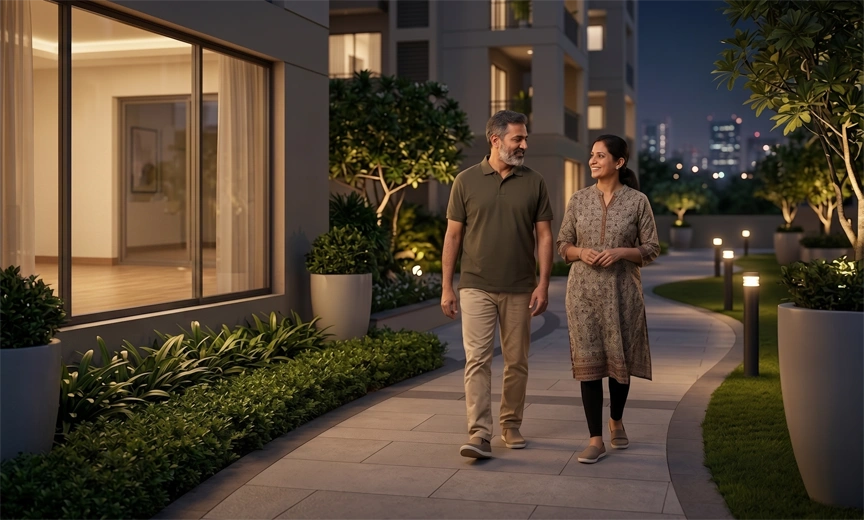
Research has shown that short bouts of walking after meals can improve glucose and insulin responses compared with sitting still. Public health sources such as the CDC and clinical education resources from universities frequently note that movement after meals can be helpful for blood sugar management. The effect is especially relevant after larger, carbohydrate-rich meals.
At the same time, the benefits of walking after dinner are not limited to metabolism. A consistent evening walk after dinner can become a cue for winding down, reducing screen time, and replacing a sedentary post-meal habit with something healthier. That kind of routine change is valuable even when the measurable medical impact is modest.
How Soon to Walk After Dinner
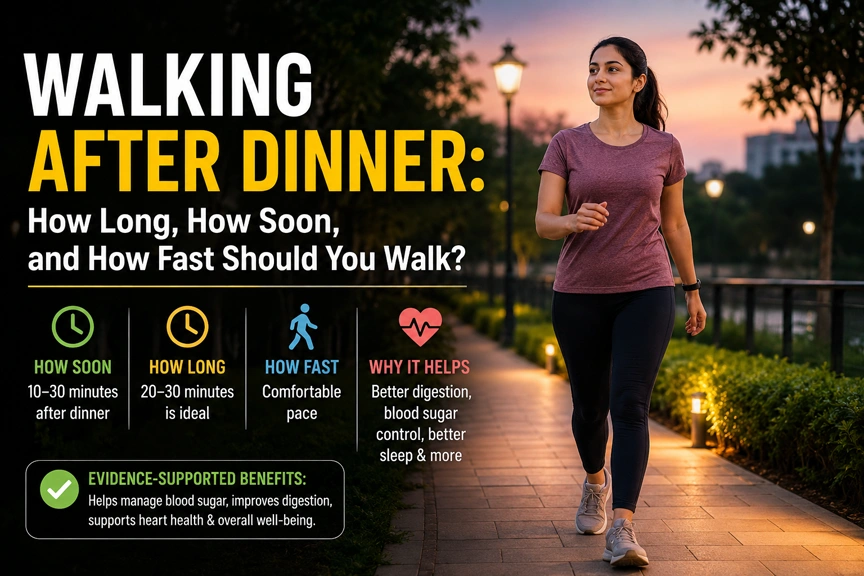
One of the most common questions is how soon to walk after dinner. For most healthy adults, walking soon after eating is fine as long as the pace is easy and the meal was not unusually heavy. In fact, the metabolic benefits of walking after eating dinner are often strongest when the walk starts within a short window after finishing the meal.
That said, there is no single perfect minute mark for everyone. Some people feel comfortable starting within 10 to 15 minutes. Others prefer to wait 20 to 30 minutes, especially after a large meal or if they are prone to reflux. The best timing is the one you can repeat consistently without discomfort.
Timing by meal size and comfort
If dinner was light, a brief walk after dinner can begin almost right away. If the meal was rich, greasy, or very large, waiting a little longer may feel better. Symptoms such as bloating, nausea, heartburn, or side stitches are a clue that you should slow down the transition.
For people with acid reflux, the timing may be more sensitive. A gentle walk is usually better than lying down, but a brisk pace immediately after dinner may feel uncomfortable. If reflux is a recurring issue, keep the motion mild and avoid bending or intense intervals right after the meal.
In practice, the answer to how soon to walk after dinner is simple: begin when your body feels ready, but do not wait so long that the habit disappears. A short, easy walk soon after eating usually makes the most sense for most people.
How Long to Walk After Dinner
How long to walk after dinner depends on your goals. If your main goal is blood sugar support, even a short 10-minute walk after dinner can be meaningful. If you want more general fitness benefits, aiming for 20 to 30 minutes is often more useful. If you are already active, longer evening walking may help you hit daily movement targets without feeling like another workout.
The key is that some walking is better than none. People often imagine walking after dinner has to be a formal exercise session, but it does not. A short neighborhood loop, a stroll with a family member, or even several smaller walks broken up through the evening can all count.
| Goal | Suggested walk after dinner | Why it helps |
|---|---|---|
| Blood sugar support | 10–15 minutes | Uses muscles during the post-meal glucose rise |
| Digestive comfort | 10–20 minutes | Supports gentle movement and reduces sluggishness |
| General fitness | 20–30 minutes | Builds more total daily activity |
| Habit building | 5–10 minutes to start | Makes the routine easy to repeat |
For many people, the best time to walk after dinner is also the easiest to keep. A short, dependable routine beats an ambitious plan you abandon in a week.
Best Pace for Walking After Dinner
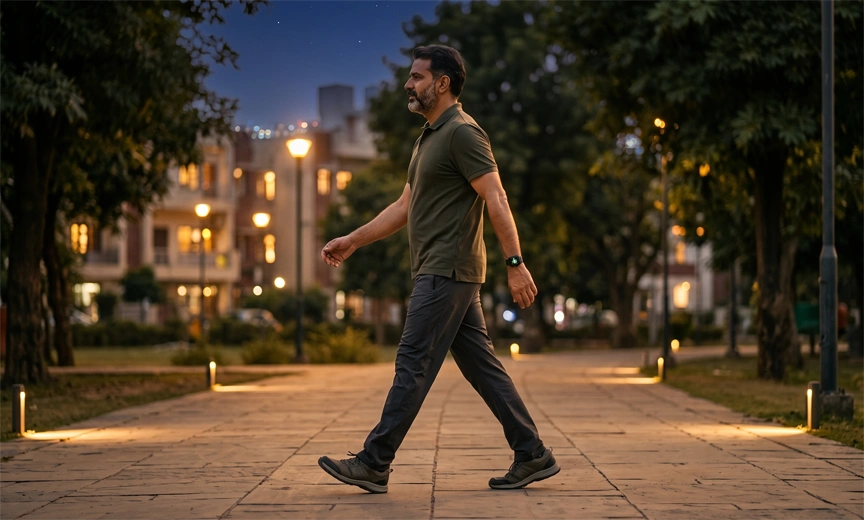
The pace for walking after dinner should usually be easy to moderate. You should be able to breathe comfortably and talk in full sentences. This is not the time for race walking unless you already know your body tolerates it well.
A gentle pace matters for two reasons. First, it helps you stay comfortable after eating. Second, even a modest level of activity can support glucose regulation. In other words, the goal is not to crush calories. The goal is to interrupt sitting and let your muscles do useful work while your body processes the meal.
Easy, moderate, or brisk?
Easy pace: Best for large meals, reflux, beginners, and older adults. This is relaxed walking, with no breathlessness.
Moderate pace: Often the sweet spot for walking after dinner. You are moving a little faster, but still comfortably.
Brisk pace: Useful if you feel good and want a more traditional fitness walk, but not necessary for digestive or blood sugar benefits.
If you are unsure, start easier than you think you need. You can always increase speed after a few minutes. That approach is safer and more sustainable than starting too aggressively and quitting because you feel uncomfortable.
Walking After Dinner Benefits and Limitations
It helps to think clearly about walking after dinner benefits and limitations. The benefits are real, but they have boundaries. A 15-minute stroll is a strong habit, but it will not erase an unhealthy diet or replace overall exercise.
Potential benefits include:
- Better post-meal blood sugar control
- Less post-dinner heaviness
- Reduced urge to collapse onto the couch
- A more consistent evening routine
- Possible support for digestion and mood
Possible limitations include:
- Not ideal immediately after very heavy meals for everyone
- May aggravate reflux if the pace is too fast
- Not a substitute for regular physical activity
- Can be hard to maintain without a plan
The most useful way to think about an evening walk after dinner is as a low-friction health habit. It is easy to start, easy to modify, and easy to repeat. That makes it powerful over time, even if each individual walk feels small.
For more everyday wellness ideas that support movement and routine, see Health. You can also pair this habit with other simple lifestyle changes from Lifestyle.
Walking After Meals Versus Walking After Dinner
Walking after meals is broader than walking after dinner. Some people walk after lunch, breakfast, or even after a snack. The same basic mechanism applies: movement after eating helps the body handle incoming glucose and reduces long periods of sitting.
Still, many people find the dinner walk easiest to maintain. Evening schedules are often more flexible, and dining marks a clear transition point. That makes walking after eating dinner especially practical as a routine. If lunch is rushed or breakfast is chaotic, the post dinner walk may be the one habit that consistently sticks.
There is also an important behavioral advantage. A walk after dinner can act as a “closing ritual” for the day. Once the walk ends, the kitchen is closed, the workday is over, and your body gets a signal to shift toward rest.
Who Should Be More Careful
Most people can safely enjoy walking after dinner, but some should be more mindful. If you have a medical condition, take medications that affect blood sugar or blood pressure, or experience frequent dizziness, the best approach is to keep the walk gentle and talk with a clinician if needed.
People with diabetes may benefit from walking after eating dinner, but they also need to monitor for low blood sugar depending on their treatment plan. If you use insulin or certain glucose-lowering medications, the timing and intensity of activity can matter more. A clinician or diabetes educator can help you make a plan.
People with severe reflux, abdominal pain, or recent surgery should also follow medical guidance. If walking worsens symptoms, stop and reassess. A helpful routine never needs to be forced.
For reliable general health guidance, the World Health Organization offers clear advice on how regular physical activity supports overall health. That broader context matters because walking after dinner works best as part of an active day, not as a stand-alone fix.
How to Build an After Dinner Walking Routine
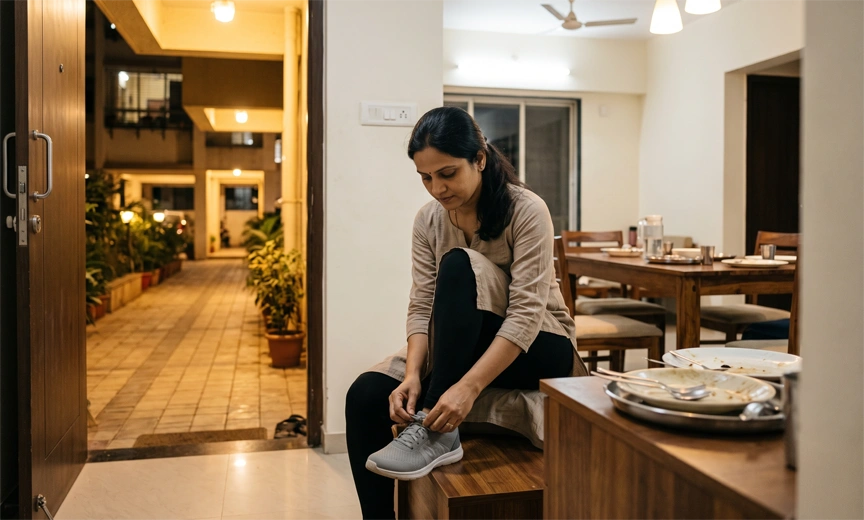
The easiest routine is the one built around your life, not an idealized schedule. Start by choosing a trigger. For example: “After I clear the plates, I put on comfortable shoes and walk for 10 minutes.” That simple rule removes decision fatigue.
Next, lower the barrier to entry. You do not need perfect weather, special gear, or a scenic route. A sidewalk loop, a quiet block, or a treadmill all work. If a family member wants to join, even better. If not, use the time to listen to music, a podcast, or simply think.
Two example routines
Quick digest version: Eat dinner, sit for 5 to 10 minutes, then walk for 10 to 15 minutes at an easy pace.
Fitness-plus version: Eat dinner, allow 15 to 20 minutes for comfort, then walk for 20 to 30 minutes at a moderate pace.
A useful trick is to think in terms of minimums and bonuses. Your minimum may be a 10-minute walk after dinner. On better days, you can extend it. That keeps the habit alive without making it fragile.
Pros and Cons of Walking After Dinner
A quick comparison can help you decide whether the habit fits your goals and lifestyle.
| Pros | Cons |
|---|---|
| Easy to start and maintain | May not suit very full or uncomfortable meals |
| Can help with post-meal blood sugar | Not a replacement for overall exercise |
| Supports a calmer evening routine | Can be skipped if there is no plan |
| May reduce sedentary time | Some people need to avoid intensity due to reflux or fatigue |
| No equipment needed | Weather and safety can affect consistency |
Viewed honestly, the pros are strong because the habit is simple. The cons are mostly about execution, not the idea itself. A realistic plan solves most of them.
What Experts Mean by “Best Time to Walk After Dinner”
People often ask about the best time to walk after dinner as if there is one universally optimal answer. In practice, “best” depends on the goal. For blood sugar management, sooner is often better. For comfort, a short delay after a heavy meal may be wiser. For habit building, the best time is the one you can repeat every day.
That is why experts usually emphasize consistency over perfection. A regularly repeated 10-minute walk after dinner is more valuable than a theoretical 40-minute version you rarely do. It is also why many clinicians encourage patients to use walking after meals as a modest, realistic form of movement rather than a strict rule.
If you want a broad benchmark, aim for comfort first, then consistency, then duration. Once that is stable, you can adjust speed and length. That order keeps the habit safe and sustainable.
For additional evidence on activity and general health, research summaries from institutions like Harvard T.H. Chan School of Public Health are helpful because they place walking in the context of overall movement, weight management, and cardiometabolic health.
Frequently Asked Questions
Is walking after dinner good for everyone?
Walking after dinner is helpful for many people, but not everyone needs the same approach. A gentle walk is usually a safe and useful habit for healthy adults. People with diabetes, reflux, dizziness, or recent surgery may need to be more cautious. The main idea is simple: start easy, notice how your body responds, and adjust the timing or pace as needed. If you have a medical condition, personalized advice is better than a one-size-fits-all rule.
How long should I walk after dinner to see benefits?
Many people can get meaningful benefits from 10 to 15 minutes of walking after dinner. That is often enough to interrupt long sitting periods and support post-meal blood sugar control. If your goal is broader fitness or extra daily movement, 20 to 30 minutes may be better. The most important factor is consistency. A short walk you actually do is worth more than a longer plan that never becomes a habit.
Should I walk immediately after eating dinner?
Often, yes. For many healthy adults, walking soon after eating is fine and may be the most useful timing for metabolic effects. Still, immediate walking is not ideal for everyone. If your dinner was large or you tend to get heartburn, waiting 10 to 20 minutes may feel better. A gentle pace is usually the safest choice right after the meal. The body’s comfort should guide the timing.
What is the best pace for walking after dinner?
The best pace for walking after dinner is usually easy to moderate. You should be able to speak in full sentences comfortably. This pace is enough to activate muscles and support circulation without making you feel breathless after a meal. A brisk walk can be fine if you feel good, but it is not required. For most people, moderate and sustainable wins over intense and uncomfortable.
Can walking after eating dinner help with weight loss?
Walking after eating dinner may support weight management indirectly by increasing daily activity and reducing sedentary time. It can also help some people avoid extra snacking after dinner. However, weight loss depends on overall eating patterns, movement habits, sleep, and consistency over time. A post dinner walk is a useful tool, but not a stand-alone solution. It works best as part of a larger healthy routine.
Does a short walk after dinner really matter?
Yes, a short walk after dinner can matter, especially if you do it regularly. Even 5 to 10 minutes interrupts prolonged sitting, which is beneficial in its own right. For blood sugar and digestion, the effect is often stronger than people expect. The routine also helps create a signal that the meal is finished, which can be useful for evening eating habits. Small, repeatable actions often create the biggest long-term results.
Is walking after dinner better than walking in the morning?
Neither is universally better. Walking after dinner may be more effective for post-meal blood sugar control because it happens during the glucose rise. Morning walking can be excellent for mood, routine, and starting the day with movement. The best choice is often to do both at different times if possible. If you can only choose one, the easier habit to sustain is usually the better one.
What if I feel too full to walk after dinner?
If you feel too full to walk after dinner, wait a little and then start with a very gentle pace. You can also shorten the walk to five minutes and build from there. Heavy meals, fast eating, or carbonated drinks can create temporary discomfort, so give yourself a buffer. The goal is not to force movement through discomfort. It is to create a calm, repeatable routine that supports your body.
Conclusion
Walking after dinner is a straightforward habit with real upside. It can help soften the post-meal blood sugar rise, reduce heaviness, and make your evenings more active without demanding much time or equipment. The most important variables are how soon to walk after dinner, how long to walk after dinner, and the pace you choose. In most cases, a gentle to moderate walk soon after eating is a strong starting point.
There is no need to optimize every detail on day one. If you want the simplest answer, start with 10 to 15 minutes at an easy pace after dinner and adjust from there. If your dinner is large, wait a little longer. If you have a medical condition, use caution and personalize the routine. The real value of walking after dinner comes from repetition, not perfection. Make it easy enough to keep, and it can become one of the most reliable health habits in your evening.
Yoga vs Gym vs Walking: 9 Smart Fitness TruthsYoga vs Gym vs Walking: 9 Smart Fitness Truths