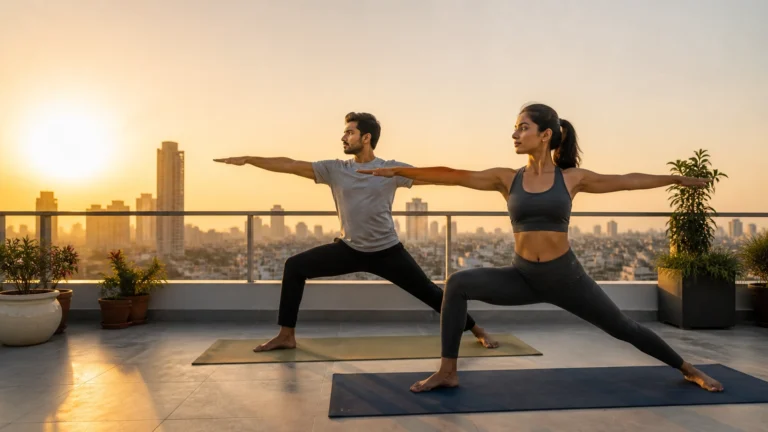

Choosing between yoga vs gym vs walking sounds simple until real life gets involved. Some people want strength. Others want stress relief. Many just want an exercise routine they can actually keep doing after a long workday, a busy family schedule, or the first sign of joint stiffness. That is why yoga vs gym vs walking is less about which workout is “best” on paper and more about which one fits your lifestyle well enough to become a habit.
This guide breaks down walking vs gym, yoga or gym, and the practical benefits of each option so you can choose based on time, age, energy, budget, and long-term sustainability. If you have ever wondered about the best exercise for busy people, exercise after 40, or the best exercise for longevity, this comparison will help you make a grounded decision instead of chasing trends.
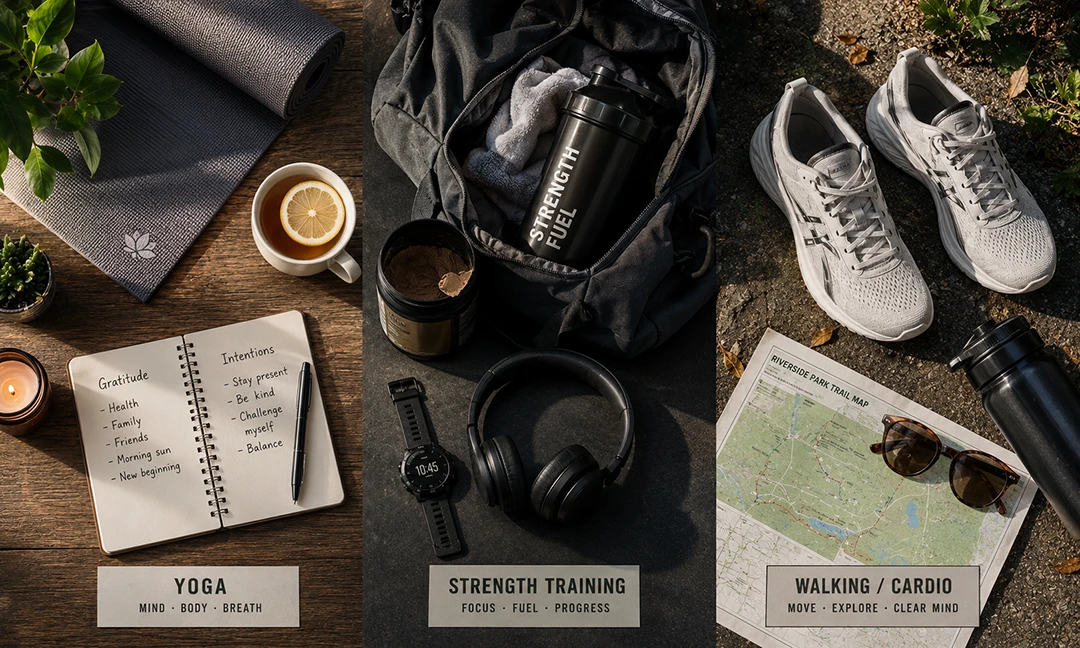
By the end, you will know when walking is enough, when yoga adds more value, and when the gym earns its place in your week. Most importantly, you will see how to build sustainable fitness habits that support your body for years, not just for a few motivated weeks.
Yoga vs Gym vs Walking: What Each One Really Offers
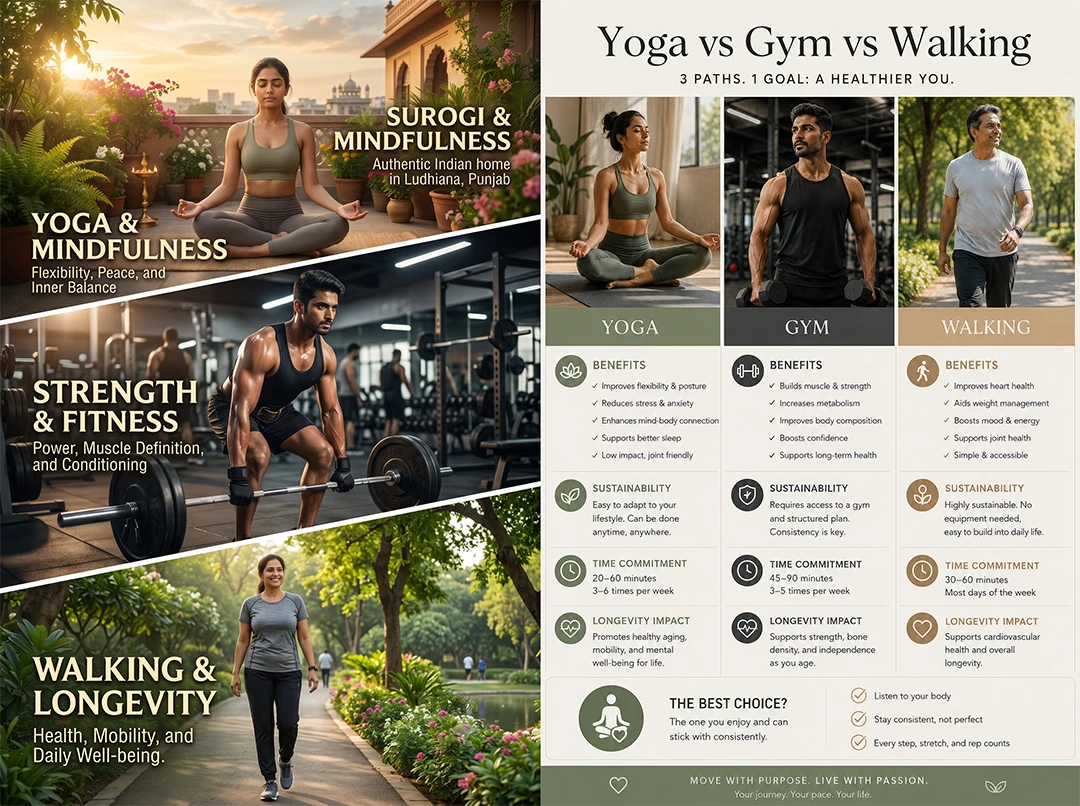
Before comparing them, it helps to understand what each activity is designed to do. Walking is the most accessible option. It improves circulation, boosts daily movement, and can be done almost anywhere. Yoga focuses on mobility, balance, breathing, and body awareness. The gym is the most flexible environment for structured strength training, cardio work, and progressive overload.
That means the answer to yoga vs gym vs walking is not universal. Each one supports a different part of health. Walking benefits people who need a low-friction routine. Yoga benefits people who want mobility and stress regulation. Gym workouts benefit people who need measurable strength, muscle maintenance, or specific performance goals.
Real-life example: a remote worker who sits most of the day may benefit from daily walking and yoga far more than a hard gym plan they will quit in a month. On the other hand, someone in their 40s who wants to preserve muscle and bone density may need gym-based resistance training at least twice a week.
Practical takeaway: the best choice is the one that solves your actual problem. If your problem is inactivity, walking may be enough to start. If your problem is stiffness, yoga may help most. If your problem is weakness or muscle loss, the gym likely matters more.
Walking Benefits: The Most Sustainable Fitness Habit
Walking is often underestimated because it feels too easy. Yet daily walking benefits are backed by one simple reality: consistency compounds. A 30-minute walk can improve mood, reduce sedentary time, support cardiovascular health, and help regulate blood sugar. For many people, walking is the easiest path to walking for health without needing special clothes, long warm-ups, or a membership.

The biggest advantage of walking is adherence. People tend to keep walking because it fits into commuting, lunch breaks, phone calls, family time, and errands. That makes it one of the best exercise by age options across the board, especially for beginners and older adults.
walking vs gym for beginners and busy people
For a beginner, walking is often the least intimidating entry point. There is no fear of using equipment correctly, no learning curve, and no soreness that derails the next session. Compared with walking vs gym, walking wins on accessibility and recovery. You can do it after work, after dinner, or even in short 10-minute blocks.
For busy people, walking is often the best exercise for busy people because it stacks with life instead of competing with it. You can walk while taking calls, while waiting for children’s activities to end, or as part of your commute. This is why walking often becomes a permanent habit when gym plans fade out.
Pros of walking include low cost, low injury risk, emotional benefits, and easy repetition. Cons include limited strength gains, slower fitness progression, and less impact on muscle mass compared with resistance training. Still, as a foundation, walking is hard to beat.
Yoga Benefits: Mobility, Calm, and Body Awareness
In the yoga or gym debate, yoga stands out because it addresses the parts of health many people neglect. It improves flexibility, joint range of motion, balance, breathing, and the mind-body connection. For people who feel tight, stressed, or disconnected from their bodies, yoga benefits can show up quickly in how they move and recover.
Yoga is especially useful for people with desk jobs, parents who carry toddlers, or anyone who feels “stuck” in their body. It is also often easier to sustain than intense fitness plans because sessions can be short and still meaningful. Even 15 to 20 minutes can make a difference when done regularly.
yoga vs gym for stress and recovery
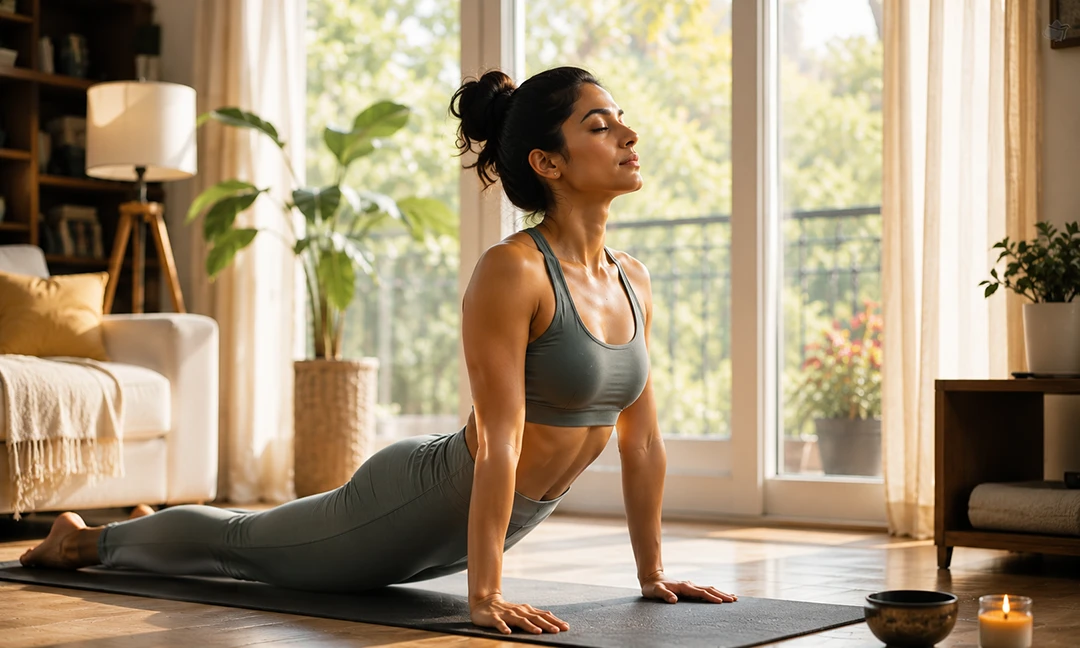
When comparing yoga vs gym for stress management, yoga usually wins. It can lower the mental friction associated with exercise by combining movement with breathing and slower pacing. That makes it a strong option for recovery days, post-work decompression, or people who find high-intensity training overwhelming.
However, yoga is not a complete fitness solution for everyone. While it improves mobility and stability, it usually does not provide enough progressive resistance to maintain or build significant muscle on its own. Someone looking for stronger bones, more power, or larger strength gains may need the gym alongside yoga.
Real-world application: many people over 40 use yoga to offset stiffness from work and stress, then add walking or strength training for stamina and muscle support. That combination often feels more realistic than trying to force one exercise to do everything.
Pros of yoga include reduced stress, better posture awareness, improved flexibility, and scalable intensity. Cons include slower calorie burn, limited resistance training, and variable quality depending on instruction. If your body needs mobility and calm, yoga is a serious contender.
Gym Benefits: Strength, Structure, and Measurable Progress
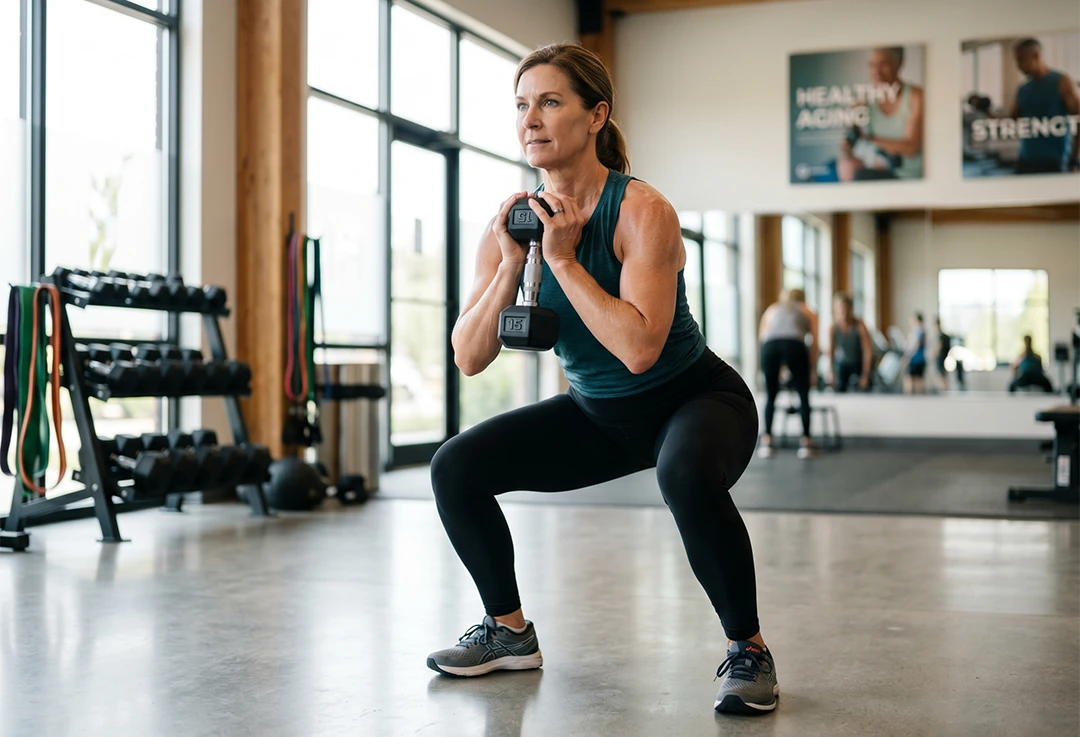
The gym is the strongest choice when your goal is to change body composition, increase strength, or train for a specific performance outcome. Gym benefits come from access to equipment, weights, machines, and structured progression. Unlike walking or yoga, the gym makes it easier to track improvements in a concrete way.
For people concerned about healthy aging, the gym matters because resistance training supports muscle retention and bone health. This becomes more important with age, especially during exercise after 40, when natural muscle loss can begin to accelerate if strength training is absent.
The gym also works well for people who enjoy measurable goals. Adding weight, increasing repetitions, or improving endurance creates motivation for many personalities. If you like structure, a gym program can provide the clearest roadmap.
Still, the gym has trade-offs. It costs money, requires travel, and can feel intimidating. For some people, the effort of getting there and deciding what to do is enough to reduce consistency. This is why the best program is not always the most advanced one.
best exercise by age: when the gym becomes more valuable
As people move through their 30s, 40s, and beyond, the gym often becomes more valuable because muscle maintenance matters more than pure calorie burn. The best exercise by age is not the same for everyone, but resistance training becomes increasingly important as metabolism, mobility, and recovery change.
For adults after 40, combining the gym with walking can be especially powerful. The gym protects strength and function. Walking preserves daily movement and recovery. Together, they address the biggest risks of modern sedentary life.
Practical takeaway: if your main goal is body recomposition, strength, or preventing age-related decline, the gym should usually be part of the plan. If your main issue is consistency, though, the gym only helps if you will keep going.

Yoga vs Gym vs Walking: Side-by-Side Comparison
Here is a simple comparison to help you decide based on lifestyle rather than fitness trends.
| Option | Best For | Time Required | Main Strength | Main Limitation |
|---|---|---|---|---|
| Walking | Beginners, busy people, active recovery | 10–45 minutes | Easy consistency | Limited strength gains |
| Yoga | Mobility, stress relief, flexibility | 15–60 minutes | Mind-body balance | Less muscle stimulus |
| Gym | Strength, muscle, structure | 30–90 minutes | Progressive overload | Higher friction and cost |
This table makes one thing clear: the best exercise for longevity is often a combination, not a single winning option. Walking lowers friction and keeps you moving. Yoga keeps you supple and mentally recovered. The gym protects strength and function.
In real life, most people need a primary habit and a backup habit. For example, if you cannot get to the gym three times a week, daily walking can preserve momentum. If you are too mentally drained for a hard workout, a yoga session keeps the routine alive. That flexibility makes fitness sustainable.
Best Exercise for Longevity: Why Combination Wins
When people ask about the best exercise for longevity, the answer is rarely one activity in isolation. Longevity depends on cardiovascular health, strength, balance, mobility, and the ability to stay active for decades. That means yoga vs gym vs walking is not a battle with one winner. It is a toolkit.
Walking supports heart health and daily energy. Yoga helps keep joints moving and reduces stress load. Gym work preserves muscle, which is critical for fall prevention, glucose control, and physical independence. Together, they cover the health domains that age-related decline often targets first.
Pros of a combined approach include fewer overuse injuries, better long-term adherence, and broader fitness coverage. The main con is complexity. People sometimes try to do everything at once and end up doing nothing consistently. The answer is not more ambition; it is better design.
A realistic weekly structure might look like this: three walks, two strength sessions, and one yoga session. That is enough for many adults to feel better, move better, and stay active without turning fitness into a second job.
How to Choose Based on Your Lifestyle
The best plan depends on what your schedule, body, and personality can sustain. If you like routine and modest effort, walking may be easiest. If you crave calm and flexibility, yoga may feel natural. If you want results you can measure, the gym may be the best fit.

Use these filters:
- If you are short on time: choose walking first.
- If you feel stiff or stressed: choose yoga first.
- If you want strength or visible muscle changes: choose the gym first.
- If you are over 40 and want long-term function: add strength training plus walking.
- If you are rebuilding after inactivity: start with walking, then layer in yoga or gym work.
Practical example: a parent with limited time might do a 20-minute walk in the morning, a 15-minute yoga session at night, and one gym session on the weekend. That plan is more likely to survive real life than a five-day split that looks perfect on paper.
The lesson is simple: the best exercise by age and lifestyle is the one that survives stress, travel, family responsibilities, and low-motivation days.
Sustainable Fitness Habits: Making the Right Choice Stick
The biggest mistake in fitness is choosing the “best” workout and ignoring the one you will actually repeat. Sustainable fitness habits are built by reducing friction. That means choosing the workout that feels easiest to start on the worst day, not the one that sounds most impressive on the best day.
For some people, the gym works because appointments create accountability. For others, walking works because it is invisible and easy. For others, yoga works because it feels restorative instead of punishing. Behavior matters as much as physiology.
Try these strategies:
- Attach walking to a daily trigger, like after lunch or after work.
- Keep a yoga mat visible so the habit is easy to start.
- Schedule gym sessions like meetings.
- Track streaks instead of perfection.
- Use “minimum viable workouts” on stressful days.
Real-world insight: people often quit because they choose a plan that demands maximum motivation. The better plan is one that lets you continue even when motivation disappears.
If you want more routines and habit ideas, explore our lifestyle articles and related health articles for practical ways to make movement part of everyday life.
Which Option Wins for Different Goals?
Different goals call for different tools. If your goal is fat loss, walking can support calorie expenditure, but the gym may be more efficient for preserving muscle while dieting. If your goal is stress relief, yoga often provides the quickest mental reset. If your goal is strength and bone density, the gym is the clear leader.
If your goal is simply “feel better in my body,” the answer may be a blend. Walking handles the baseline. Yoga improves how you move. Gym training helps you stay capable as you age. That mix is why many people succeed when they stop looking for a perfect single workout and start looking for a balanced system.
For readers who want more context on movement and recovery, you can also read reputable sources like this reference on yoga and the CDC’s physical activity guidance. These help frame exercise as a health behavior, not just a fitness trend.
Bottom line: your goal should determine your starting point, but your personality and schedule should determine what you keep doing.
Frequently Asked Questions
Is yoga, gym, or walking better for beginners?
Walking is usually the easiest starting point for beginners because it is simple, low-cost, and low-impact. It helps build confidence and consistency without the intimidation factor of equipment or class structure. Yoga is also beginner-friendly if the goal is mobility or stress relief. The gym is useful, but beginners often benefit from first building a reliable movement habit through walking before adding more complexity.
What is the best exercise for busy people?
The best exercise for busy people is often walking because it fits into daily life with almost no setup. You can walk before work, after meals, on phone calls, or during breaks. Short yoga sessions are also practical. The gym can work for busy people too, but only if it is scheduled and kept simple. Consistency matters more than choosing the most intense option.
Is walking enough for health?
Walking can be enough for general health if it is frequent and paired with an overall active lifestyle. It supports cardiovascular health, mood, and daily energy. However, it does not fully replace strength training. For long-term function, especially after 40, many people benefit from adding some resistance work or yoga to address muscle, balance, and mobility needs.
Should I choose yoga or gym after 40?
The answer depends on your main goal. Yoga after 40 is excellent for mobility, stress reduction, and joint-friendly movement. The gym after 40 becomes especially important if you want to preserve strength, bone density, and muscle mass. Many adults do best with both: yoga for recovery and movement quality, gym training for strength, and walking for everyday activity.
Can I lose weight with walking instead of the gym?
Yes, walking can support weight loss, especially if it increases your total daily movement and is combined with sensible eating habits. The gym may burn calories faster during a session, but walking is often more sustainable and easier to repeat. For many people, the better long-term results come from the exercise they can maintain consistently, not the workout that feels hardest.
What are the daily walking benefits?
Daily walking benefits include improved circulation, better mood, reduced stiffness, and lower sedentary time. It can also support digestion, energy levels, and sleep quality. Over time, daily walking can become the foundation for a healthier routine because it is easy to recover from and easy to repeat. It is one of the most realistic habits for long-term wellness.
What is the best exercise for longevity?
The best exercise for longevity is usually a combination of walking, strength training, and mobility work. Walking supports heart health and daily movement. Strength training helps maintain muscle and independence. Yoga adds flexibility, balance, and stress control. Together, these create a more complete approach than any single workout can provide on its own.
How do I stay consistent with exercise?
Start with the exercise that feels easiest to repeat on a bad day. Tie it to a routine, keep the time commitment small, and remove unnecessary friction. Walking is often easiest to maintain, yoga is often easiest to recover from, and gym training works best when scheduled in advance. Consistency grows when the habit fits your life instead of fighting it.
Conclusion
The real answer to yoga vs gym vs walking is not found in calorie charts or social media opinions. It is found in the habits you can repeat without resentment. Walking is the simplest and most sustainable starting point. Yoga offers mobility, calm, and body awareness. The gym delivers strength, structure, and measurable progress. Each has clear pros and cons, and each can play a valuable role.
If you are trying to choose, start with your current problem: inactivity, stiffness, stress, weakness, or lack of time. Then pick the option that best solves that problem and fits your actual schedule. For many people, the smartest plan is not one exercise but a mix built around sustainable fitness habits. That approach gives you the best chance of staying active for years, not weeks.
In the end, yoga vs gym vs walking is really a question about lifestyle design. Choose the exercise you will keep doing, and your body will thank you for it over time.