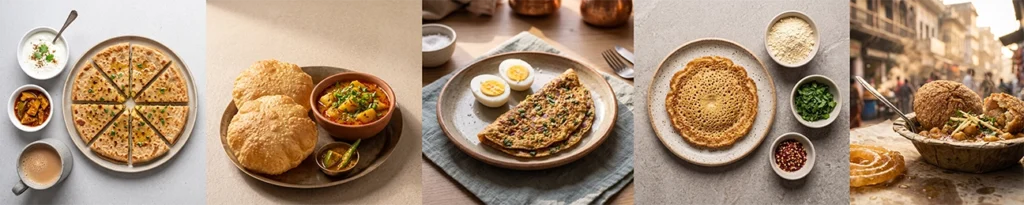
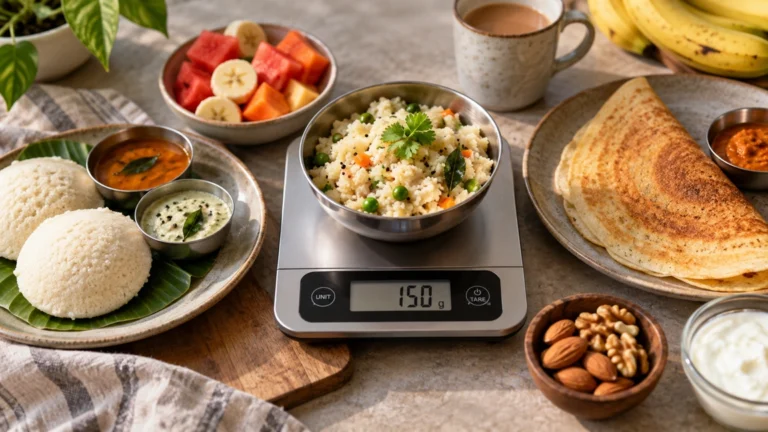
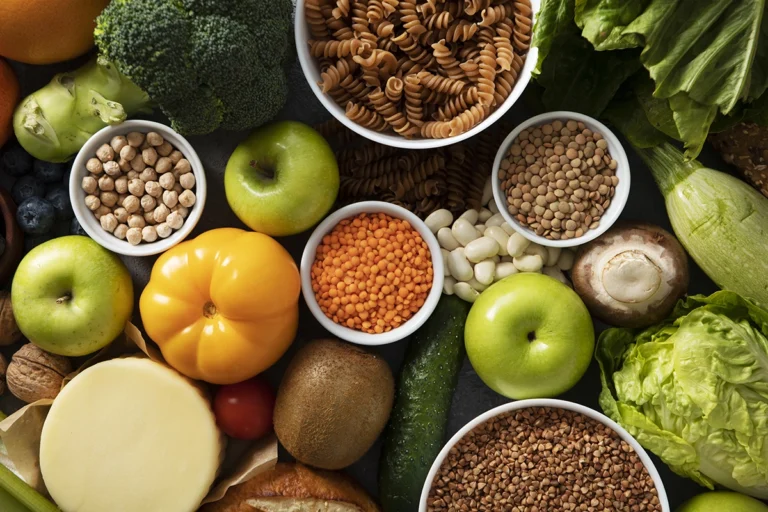
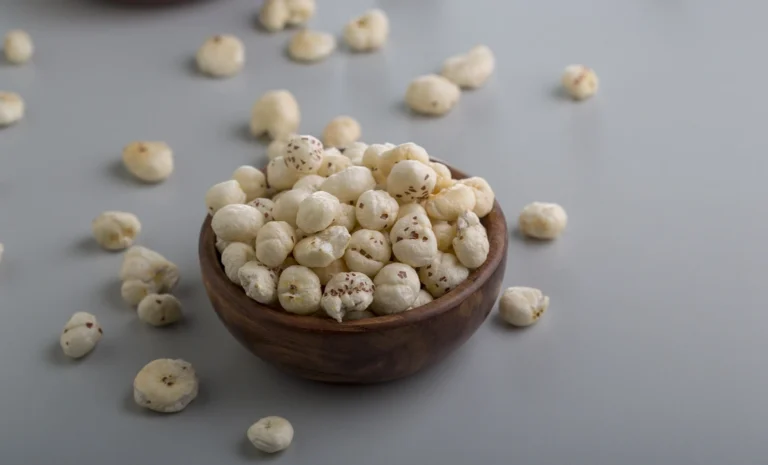
If you are looking for healthy indian breakfast recipes that fit real mornings, not ideal ones, this guide is for you. The best breakfast is the one you can make often, enjoy genuinely, and feel good after eating. That is why these healthy indian breakfast recipes focus on three things: speed, balance, and everyday ingredients. You will find options for busy weekdays, lighter weight-loss-friendly meals, traditional flavors, and regional favorites that still feel fresh and practical.
What makes a breakfast “healthy” is not just low calories. A better breakfast gives steady energy, enough protein or fiber, and a reasonable portion of carbs and fat. In other words, good healthy indian breakfast recipes should keep you full until lunch without making you feel heavy. That balance is especially important when your morning starts early, your commute is long, or your workday leaves no room for snacking.
In this curated roundup, you will see dishes from different parts of India, plus quick swaps that make them lighter or more filling. Think of this as a practical guide to healthy indian breakfast recipes you can actually rotate through a week. If you want more meal inspiration beyond breakfast, the broader ideas in our Food section can help you build flexible, balanced menus.
Many people assume a healthy breakfast must be expensive, protein-heavy, or completely oil-free. In reality, the best healthy indian breakfast recipes are usually the ones that balance nutrition and satisfaction. A bowl of poha with peanuts, for example, can be more useful than a dry “diet” meal that leaves you starving by 10 a.m.
Here is a simple framework to judge breakfast quality:
Energy: Enough carbohydrates to fuel the morning.
Satiety: Fiber, protein, and healthy fat to avoid early hunger.
Digestibility: Food that feels light enough for the start of the day.
Practicality: Ingredients and steps that are realistic on weekdays.
For general daily drinking and hydration habits, guidance from the NHS is a useful reminder that breakfast works best when paired with enough fluids. A glass of water, tea without excess sugar, or unsweetened buttermilk can make a big difference.
There is also a real difference between “healthy” and “health halo” food. A breakfast can be technically traditional and still be too oily, too large, or too refined. The goal is not perfection. It is to build dependable healthy indian breakfast recipes that work for your energy level, appetite, and schedule.
How to Choose the Right Indian Breakfast for Your Morning
The easiest way to shortlist healthy indian breakfast recipes is to match the dish to the day. A rushed Monday morning needs something different from a relaxed Sunday brunch. A person aiming for weight loss may also want a different portion style than someone training hard or working a physically demanding job.
Match the recipe to your time
If you have 10 minutes, choose options like overnight oats with Indian flavors, toast-based vegetable toppings, or leftover-based upma. If you have 20 to 25 minutes, steamed idli, besan chilla, or vegetable dalia become realistic. When you have more time, you can prepare dosa batter, millet pancakes, or stuffed parathas with better portion control.
Match the recipe to your goal
For weight management, include more vegetables, keep oil modest, and avoid large servings of refined flour or sugar. For family breakfasts, aim for dishes that scale easily and satisfy different appetites. For children, make the texture softer and the spice gentler. The most useful healthy indian breakfast recipes are adaptable rather than rigid.
Experts in public health often emphasize food patterns over single meals. The World Health Organization notes that healthy eating is built from balanced daily choices. That perspective is helpful here: breakfast matters, but consistency matters more.
20 Healthy Indian Breakfast Recipes Worth Keeping
This collection includes traditional favourites, lighter regional choices, and millet-based meals. Each one can be adjusted for calories, protein, and texture. These healthy indian breakfast recipes are meant to be practical, not precious.
Recipe
Approx. Time
Best For
Why It Works
Vegetable poha
15 min
Weekdays
Light, fast, filling
Moong dal chilla
20 min
Weight loss
High protein, easy to customize
Idli with sambar
20 min
South Indian breakfast
Steamed, balanced, digestible
Ragi dosa
20 min
Millet breakfast
Higher fiber, crisp and satisfying
Vegetable upma
20 min
Family breakfast
Comforting, one-pan meal
Besan chilla
15 min
Quick breakfast
Versatile and filling
Dalia porridge
15 min
Low calorie breakfast
Gentle and portion-friendly
Sprouted moong salad
10 min
Hot days
Fresh, no-cook option
Methi thepla
25 min
Travel breakfast
Good shelf life
Oats dosa
15 min
Beginners
Easy replacement for refined breakfast foods
1. Vegetable poha
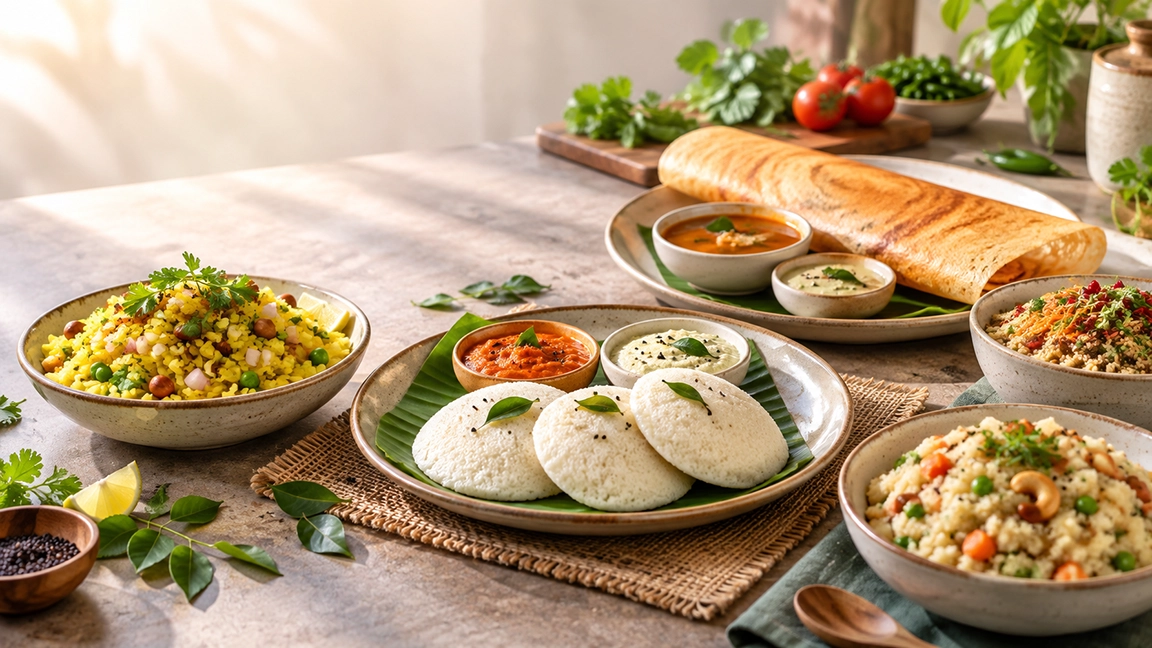
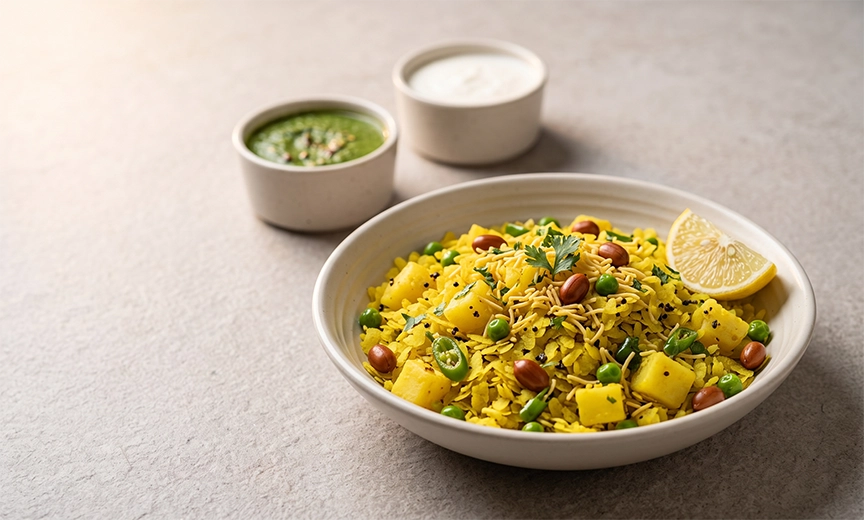
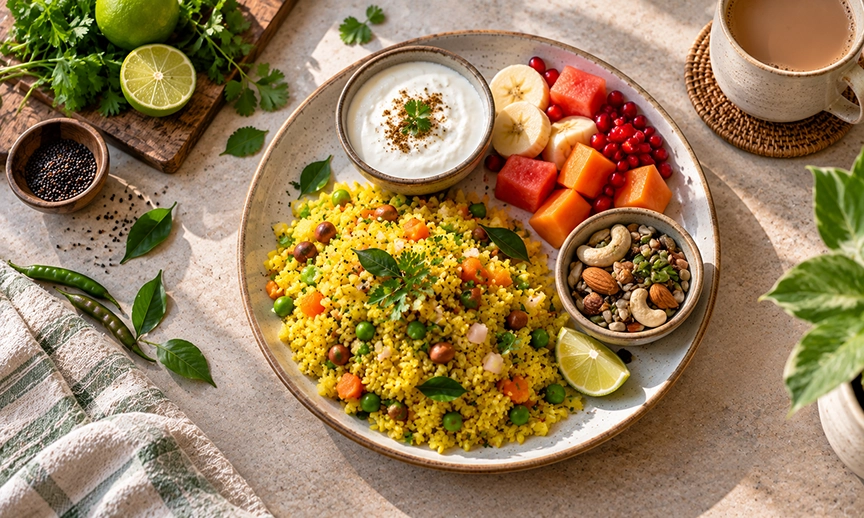
Poha is one of the most reliable healthy indian breakfast recipes because it is fast, light, and easy to modify. Add peas, carrots, onions, curry leaves, and peanuts for better texture and nutrition. A squeeze of lemon adds freshness without extra calories. Keep the oil modest and avoid overloading it with sev if you want a lighter version.
Best tip: Use thicker poha and rinse it gently so it stays fluffy, not mushy.
2. Moong dal chilla
Moong dal chilla has become a favorite among people searching for healthy indian breakfast recipes that feel substantial. It offers protein, cooks quickly, and works with chutneys, curd, or a vegetable filling. If you want a more balanced plate, serve it with a small bowl of fruit on the side.
Pros: filling, customizable, weight-loss friendly. Cons: needs soaking time if you are using whole dal.
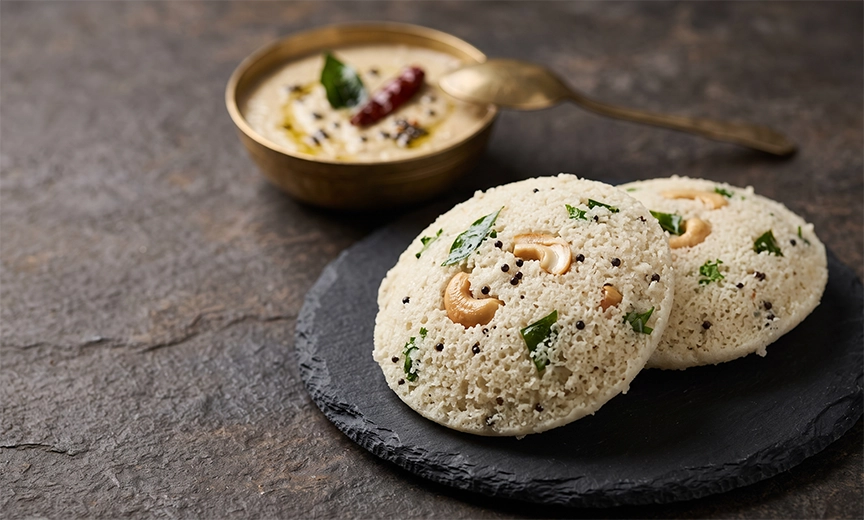
3. Idli with sambar
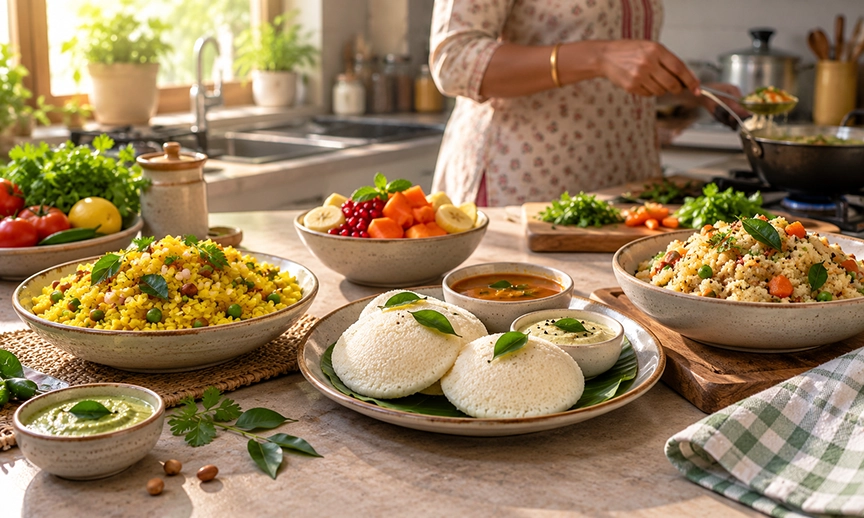
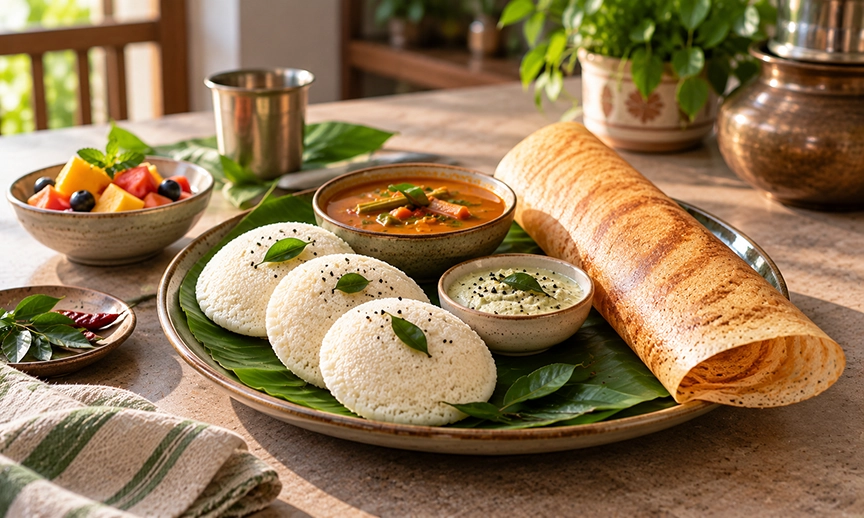
Idli remains a classic for good reason. It is steamed, easy to digest, and especially valuable when paired with sambar. Among healthy south indian breakfast options, it is one of the most balanced. You get gentle carbs, fiber from vegetables, and legumes from the sambar.
If you want to reduce glycemic impact, increase the sambar portion and keep coconut chutney moderate. This small change makes a big difference.
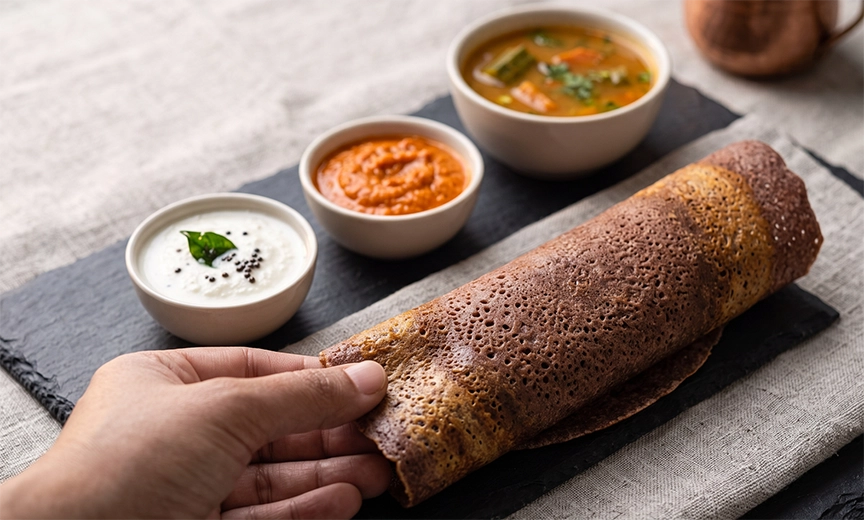
4. Ragi dosa
Ragi gives dosa a deeper flavor and a more filling feel. It is one of the best healthy indian breakfast recipes for people who want to include a millet breakfast in the weekly routine. Ragi is often appreciated for its fiber-rich profile and earthy taste. Pair it with tomato chutney or sambar for a satisfying meal.
5. Vegetable upma
Upma gets overlooked, but it can be one of the most practical healthy indian breakfast ideas. When made with semolina in moderate oil and loaded with vegetables, it offers a comforting, quick breakfast that works well for families. The key is proportion: too much ghee or too many nuts can turn it heavy.
Practical use: Make a larger batch of chopped vegetables the night before to save time.
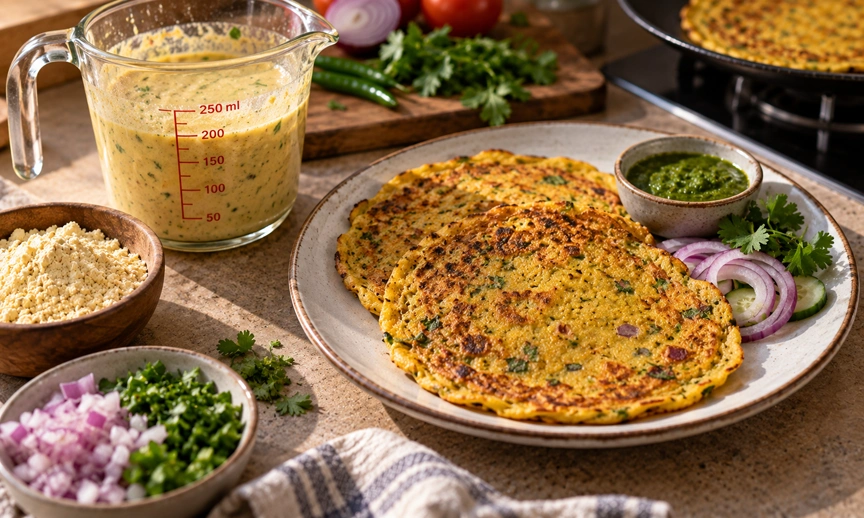
6. Besan chilla
Besan chilla is a dependable answer when you need healthy indian breakfast recipes without much fuss. It cooks in minutes, needs minimal ingredients, and can hide vegetables like spinach, onion, cabbage, or grated carrot. A filling chutney or yogurt side can make it a complete breakfast.
7. Dalia porridge
Dalia is often used in low calorie indian breakfast plans because it is light yet filling. You can make it sweet with fruit and cinnamon or savory with vegetables and mild spices. If you want a more balanced version, add a spoonful of nuts or seeds rather than a lot of sugar.
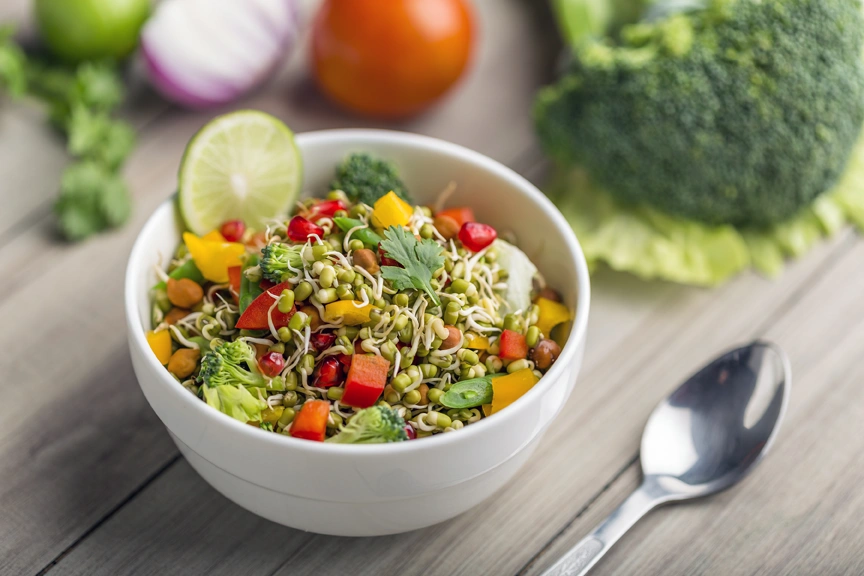
8. Sprouted moong salad
When you want a no-cook option, sprouted moong salad is one of the smartest healthy indian breakfast recipes. Add chopped cucumber, onion, tomato, lemon, and coriander. It is especially useful in warmer months or on days when you want something fresh before a long workday.
Note: If sprouts suit your digestion well, they can be a great light breakfast. If they do not, lightly steam them instead.
9. Methi thepla
Thepla is a travel-friendly traditional indian breakfast that can also be healthy when cooked with the right balance of oil and flour. Adding methi improves flavor and brings in greens. Pair with curd or pickle in moderation. For a breakfast box, thepla is one of the most practical choices because it keeps well.
10. Oats dosa
Oats dosa is a modern twist that fits well into a routine built around healthy indian breakfast recipes. It is easy to make, quick to cook, and a useful bridge for people transitioning away from ultra-refined breakfast foods. Add diced onion, grated carrot, and green chilies for more body and flavor.
Weekend-Friendly and Traditional Options
Some mornings allow for more preparation. That is where healthier versions of traditional dishes shine. These meals still fit the theme of healthy indian breakfast recipes, but they feel a bit more special.
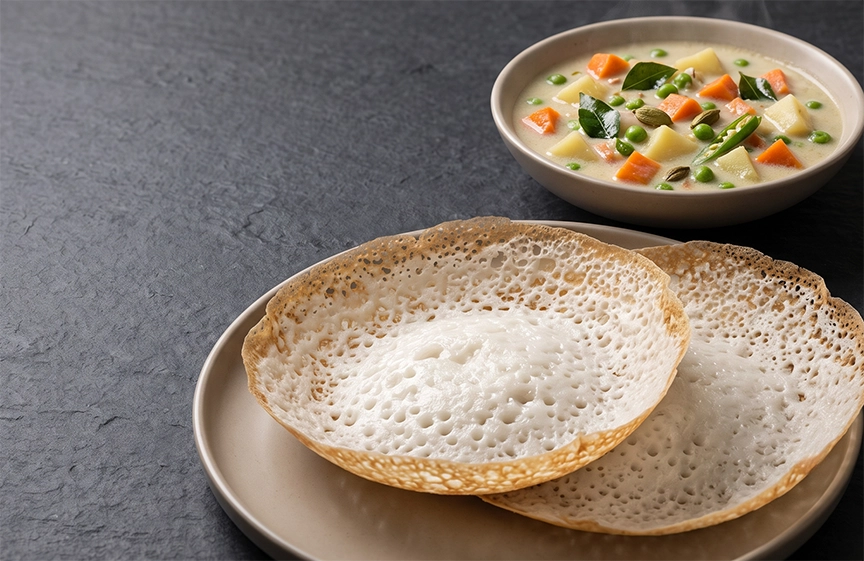
11. Appam with vegetable stew
Appam is light and naturally appealing, especially when paired with a vegetable stew rather than a heavy curry. This is a good healthy south indian breakfast choice when you want comfort without overload. The stew adds volume and vegetables, while the appam keeps the meal satisfying.
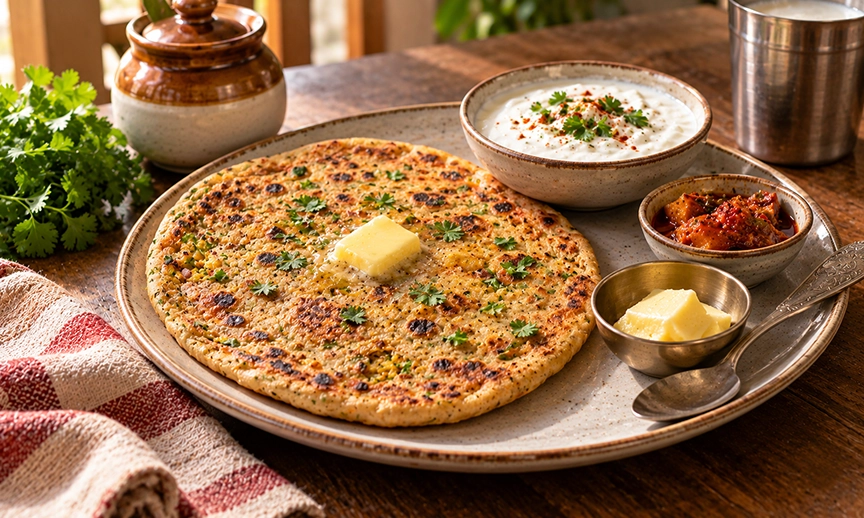
12. Stuffed paratha with curd
Parathas do not have to be greasy to count as healthy indian breakfast recipes. Use whole wheat dough, keep the stuffing vegetable-rich, and use enough oil for browning rather than frying. Pair it with curd so the meal feels complete. This works well for weekends or higher-activity mornings.
Pros: filling, family-friendly, familiar. Cons: easy to overeat if portions are large.
13. Rava idli
Rava idli is quick, soft, and appealing when batter fermentation is not an option. It belongs on any list of healthy indian breakfast recipes because it can be made lighter than many fried alternatives. Add grated vegetables to make it more nutritious and pair with sambar for balance.
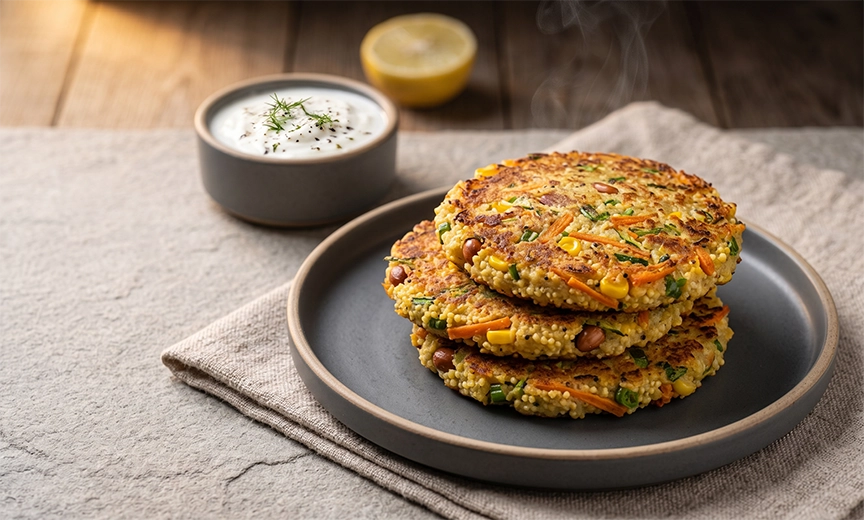
14. Millet vegetable pancakes
Millets are no longer a niche ingredient. From a practical standpoint, they are useful because they make breakfasts more varied and often more filling. Millet pancakes, dosas, and cheelas are excellent healthy indian breakfast ideas if you want a change from wheat or rice every day. They also support a more diverse grain pattern across the week.
Moong dal dosa is lighter than many fermented batters and can be a very good choice for healthy indian breakfast for weight loss. It is protein-rich, crisp, and easy to pair with a high-volume side like vegetable chutney or sambar. If you prefer savory breakfasts, this one deserves a regular spot.
Best Low-Calorie and Weight-Loss Friendly Choices
Not every eater wants the same breakfast. Some people want the lightest meal possible without feeling weak later. Others need a breakfast that keeps hunger in check for hours. The most useful healthy indian breakfast recipes for weight loss are usually the ones that prioritize protein, vegetables, and portion control.
Type
Calories Typically Stay Lower When…
Best Examples
Watch Out For
Steamed dishes
Oil is minimal
Idli, rava idli
Too much chutney or ghee
Dal-based dishes
Vegetables are added
Moong chilla, moong dosa
Large portions with heavy fillings
Grain bowls
Sugar is limited
Dalia, upma
Excess nuts, oil, or jaggery
No-cook options
Protein is included
Sprouts salad, curd bowl
Low satiety if portion is too small
The main mistake with low calorie indian breakfast meals is making them too small. A tiny breakfast may look disciplined, but it often backfires by causing mid-morning cravings. A better approach is to choose volume from vegetables, light protein, and enough texture to feel satisfied.
One useful rule: if a breakfast leaves you thinking about food within an hour, it is probably too light. Many healthy indian breakfast recipes work better when they are built around fullness, not restriction.
Regional Breakfast Styles That Fit a Healthy Routine
India’s breakfast tradition is incredibly diverse, and that variety is one reason healthy indian breakfast recipes can stay interesting for a long time. A healthy breakfast does not need to be Westernized to be effective. It just needs better choices within the same culinary logic.
South Indian style
South Indian meals often lend themselves well to healthy eating because steaming, fermentation, and lentil-based sides are already part of the tradition. Idli, dosa, upma, pongal, and appam can all be adjusted to fit a healthier routine. If you are curating healthy south indian breakfast options, focus on more sambar, fewer fried sides, and moderate coconut-based accompaniments.
North Indian style
Whole-wheat thepla, stuffed paratha, curd bowls, and vegetable cheelas are useful choices. The healthiest versions are those that keep the dough whole grain, the stuffing vegetable-rich, and the oil moderate. These dishes can still be satisfying without becoming heavy.
For a general overview of food safety and balanced nutrition, the CDC offers practical healthy eating guidance that reinforces a balanced approach.
How to Build a Balanced Indian Breakfast Plate
Instead of choosing a breakfast by name alone, build the plate around function. This is the easiest way to make healthy indian breakfast recipes work consistently.
One base: Idli, dosa, chilla, poha, dalia, or paratha.
One produce element: Vegetables, chutney, salad, or fruit.
One protein or fat support: Dal, curd, sprouts, peanuts, or seeds.
One drink: Water, tea, coffee, or buttermilk with limited sugar.
This pattern helps prevent the common breakfast crash. It also makes meal planning easier because you can mix and match from the same set of ingredients. In practice, healthy indian breakfast recipes become more useful when you treat them as building blocks rather than one-off dishes.
Smart Prep Tips for Busy Mornings
The difference between intention and habit is often prep. Even the best healthy indian breakfast recipes will not happen on a hectic morning if everything takes too long. Small prep steps can remove most of the friction.
Soak dal or lentils the night before.
Chop onions, carrots, and coriander in advance.
Keep dosa or chilla batter for two days if appropriate.
Use leftover sabzi as a breakfast filling.
Batch-cook chutneys and freeze in small portions.
These are not dramatic tricks. But they are the difference between ordering something random and actually eating the meal you planned. If your routine changes often, keep two or three healthy indian breakfast recipes on standby instead of chasing a perfect weekly menu.
Common Mistakes to Avoid
People often make breakfast less healthy without realizing it. Here are the most common errors in healthy indian breakfast recipes planning:
Too much oil: Even “simple” dishes can become calorie-dense.
Too little protein: Can lead to early hunger.
Excess sugar: Tea, coffee, porridge, and smoothies can hide it.
Portions that are too small: Often cause rebound snacking.
Skipping vegetables: Reduces volume and fiber.
The best fix is not to become obsessive. It is to improve one part at a time. If a breakfast already works for you, keep it and refine the oil, side dish, or serving size. That is how healthy habits last.
Frequently Asked Questions
What are the easiest healthy indian breakfast recipes for weekdays?
Some of the easiest options are vegetable poha, besan chilla, vegetable upma, oats dosa, and dalia. These recipes are fast, use common ingredients, and can be made more nutritious with vegetables or a protein side. If your mornings are unpredictable, keep at least two of these on rotation. That way, you are not deciding from scratch every day.
Which healthy Indian breakfast is best for weight loss?
The best healthy indian breakfast recipes for weight loss are usually those with good volume and better satiety: moong dal chilla, idli with sambar, sprouts salad, and dalia with vegetables. The key is not just lowering calories. You need enough fiber and protein to stay full. A breakfast that is too small may be low in calories but still lead to overeating later.
Are South Indian breakfasts healthy?
Yes, many can be very healthy, especially when steamed or fermented. Idli, dosa, rava idli, upma, and appam can fit well into a balanced routine. The healthiest versions are usually served with sambar, vegetable sides, or moderate chutney. Among all healthy south indian breakfast options, the most important factor is how much oil and fried accompaniment you add.
Can I eat traditional Indian breakfast every day?
Absolutely, if you vary ingredients and portions. Traditional indian breakfast foods are not automatically unhealthy. In fact, many traditional dishes are excellent when made with less oil and more vegetables. Rotate between grains, legumes, and millets so your meals stay nutritionally diverse. That is better than repeating one dish daily, even if it is a healthy one.
What is a good millet breakfast option?
Ragi dosa, millet pancakes, and millet-based upma are excellent choices. Millets bring variety and often feel more filling than some refined grain breakfasts. They work especially well when paired with sambar, chutney, or a simple curd side. If you are exploring millet breakfast ideas, start with one meal a week and build from there.
How do I make breakfast more balanced without adding much time?
Use the plate method: base plus vegetable plus protein support. For example, poha plus peanuts, idli plus sambar, or chilla plus curd. This adds little time but improves nutrition significantly. Many healthy indian breakfast recipes become more balanced with one simple addition rather than a complete recipe change.
What should I avoid in a low calorie Indian breakfast?
Try not to rely on tiny portions, very sweet drinks, or refined flour as the main ingredient. A low calorie indian breakfast should still include enough fiber and, ideally, some protein. Otherwise, hunger returns too quickly. Also avoid excessive topping choices like large amounts of ghee, sev, or sugar-heavy chutneys.
Can healthy Indian breakfast recipes still taste traditional?
Yes, and that is one of their biggest strengths. You do not need to abandon familiar flavors to eat better. Most healthy indian breakfast recipes in this guide remain traditional in spirit, even when they use less oil, more vegetables, or better portions. That makes them easier to keep in your routine long term.
Conclusion
The most effective healthy indian breakfast recipes are not the most complicated ones. They are the recipes you can repeat, enjoy, and adapt to different mornings. Whether you prefer poha, idli, chilla, millet-based dishes, or traditional parathas made more lightly, the real goal is the same: build a breakfast that supports energy without weighing you down.
If you think in terms of balance, your choices become easier. Add vegetables where possible. Keep oil moderate. Include some protein or fiber. And match the recipe to your schedule instead of forcing every morning into the same mold. That is how healthy indian breakfast recipes move from a nice idea to a daily habit. Start with two or three dishes, rotate them well, and improve them one step at a time. Small changes, repeated often, usually create the best breakfast routine of all.