
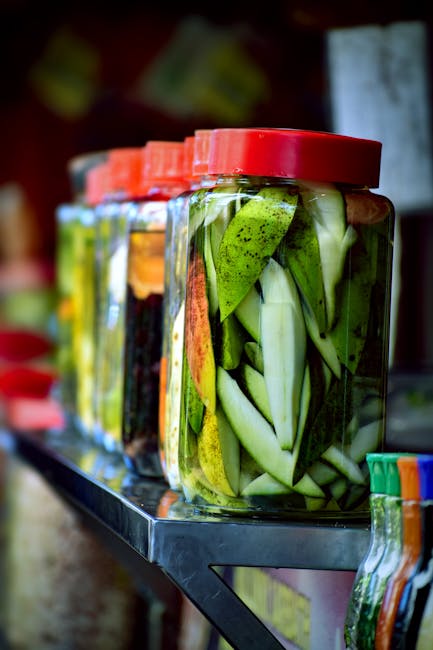
Do you remember those golden summer days spent in your grandmother’s courtyard, the air filled with the zesty aroma of mango pickles being sun-dried in big glass jars? Those were the days when childhood meant unbridled joy and such simple pleasures. I can still close my eyes and be transported to my Dadi’s house in Amritsar, where the art of making Amba Achar was a yearly ritual, cherished and celebrated, holding an entire legacy among its tangy layers.
The Legacy of Amritsar’s Mango Pickle
Amritsar, a city known for its spiritual vibrancy and culinary delights, boasts a rich tradition of pickle-making that dates back generations. My Dadi swore by her family’s cherished recipe, passed down meticulously through the matriarchs. Unlike many recipes that fade over time, this one remained etched in our family traditions—each tangy bite colored with stories of the past. She would wake up at the crack of dawn to ensure the mangoes were handpicked from the local fruit market, specifically choosing those that were just ripened to maintain the balance between sour and sweet. The aforementioned market, bustling with vendors calling out prices amidst the aroma of fresh produce, was a place where I often accompanied her, holding her hand tightly, absorbing the unspoken lessons of selection.
Choosing the Perfect Mangoes: The Heart of the Pickle
Any mango pickle enthusiasts will tell you that the secret to an incomparable achar lies in the mango itself. The dussehri variety, known for its firm texture and slightly fibrous quality, is often the mango of choice for authentic Punjabi pickles. So how do you select the best ones?
- Head to a trusted local market where fresh produce is abundant. Personal favorites include Amritsar’s bustling Katra Jaimal Singh Market for its quality.
- Look for mangoes that are firm to the touch, with unblemished skin—a sign of perfect health.
- Avoid overly juicy or mushy ones; they can spoil the pickle’s longevity.
- Opt for ones that have a uniform green color. Spots of yellow indicate ripeness but could compromise the tanginess.
As you gather your chosen mangoes, remember that the quality of fruit is as crucial as the spices you’ll use to transform them.
The Spice Affair: What’s In the Mix?
A flavorful Punjabi achar is a cornucopia of spices, each specifically chosen for the robustly dynamic flavor they contribute. Beware, my friend, each spice has a voice here—a narrative woven into the greater tapestry of this culinary tale. Here’s a sneak peek into what you’ll need for an authentic blend:
- Fenugreek seeds (methi): Add bitterness and hinge the sour notes of the mango.
- Aniseed (saunf): Lend sweetness and aromatic warmth.
- Red chili powder: For that much-loved kick of heat.
- Mustard seeds (rai): The heart and soul, these embrace the oil, ensuring it permeates every slice.
- Turmeric and asafoetida (hing): Both bring color and an umami punch that wafts pleasantly when jars are opened.
Once you spoon a little of this mix into your simmering oil, the enticing fragrance will assure you that you’re well on your way to transforming mangoes into the tangy superstar of your kitchen.
The Art of Pickle Preservation
The world of mango pickling has its own set of rules, learned through years of trial, error, and serendipitous discoveries. After all, an outstanding achar is one that graces your table for months without losing its edge. So here are some tips to make sure your pickle enjoys a long and savory life:
- Sterilize any glass jars by boiling them. It’s essential to avoid unwanted bacterial growth.
- Ensure mango pieces are dry, free from moisture. Leftover water can ruin an entire batch.
- When adding oil to your other ingredients, it should be smoking hot! Only then does it sterilize the spices.
- Sunlight is crucial. Allow your jarred pickles a sunbath for at least 10 days to marinate deeply into the flavors.
The next time you’re ready to pull out a jar, its flavor would have matured into layers that ignite comfort and nostalgia, much like the sunny Punjab where it originated.
Celebrating Mango Pickle in Punjabi Cuisine
The presence of a mango pickle is best celebrated with quintessential Punjabi meals. Whether it’s a spicy accompaniment for a simple dal-rice combo or a decadent feast, its role is indispensable.
Try serving it with the famed Amritsari kulcha, as they do at Kesar Da Dhaba, where the traditional sweetness of this bread pairs perfectly with the robust tang of mango. Or pair it with lassi from the local dairy stalls, a rich and creamy foil to the pickles’ spicy notes.
In many Punjabi households like mine, a Sunday brunch isn’t complete with a scoop or two of spicy pickle beside makki di roti and sarson da saag. It is in these moments, where everything comes together, that the magic of the mango pickle is truly felt.
A Cherished Heirloom Recipe Worth Sharing with You
I realize now that passing on such a remarkable recipe is like gifting a piece of heritage. This family treasure has seen celebrations, been solace in tough times, and stood testament to stories shared over generations. As it finds its way to your kitchen, I hope it brings the same joy it has brought our family.
So here’s the simplified recipe for my Dadi’s iconic Punjabi mango pickle:
- 4 medium-sized green mangoes (dussehri preferred)
- 1 cup mustard oil
- 3 tbsp fenugreek seeds
- 2 tbsp aniseed
- 1 tbsp red chili powder
- 1.5 tbsp turmeric powder
- 1 tsp asafoetida
Once you’ve gathered everything, mix the spices, coat the mangoes, and watch as they transform over weeks. And don’t forget to visit picknstory.com/food for more delightful recipes that keep ancestral traditions alive.
Numbers, ratios, and official titles may scatter with time, but an emotional connection to food like this transcends the ordinary. So, over a cup of chai at the next meeting with your best friend, share this story. Here’s to finding sunshine in every slice, a tangy embrace from Punjab, made with love and a slice of nostalgia.


