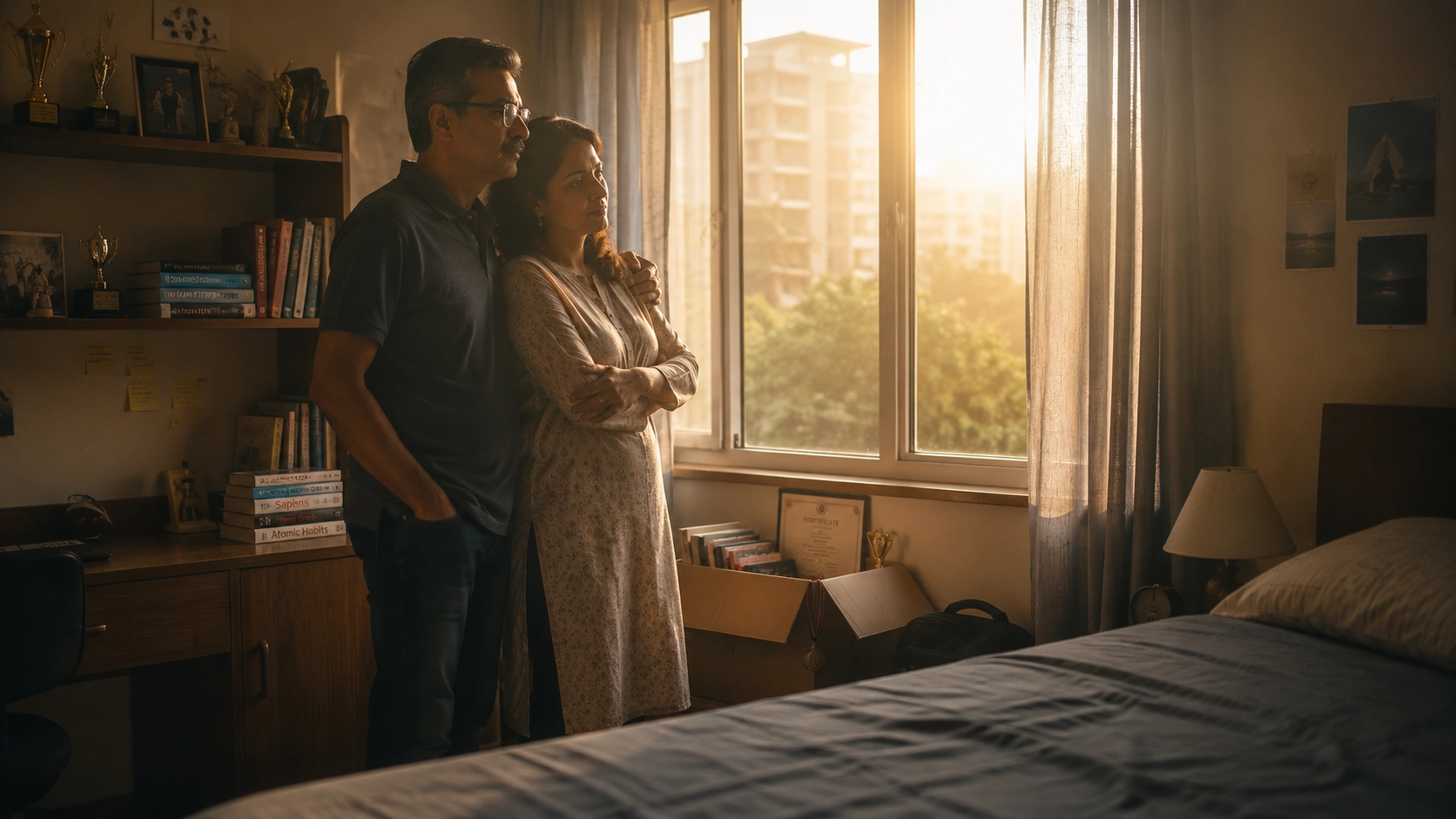
Empty nest syndrome is a deeply personal experience that quietly transforms the lives of millions of parents every year. When children leave home, whether for college, work, or their own families, parents often feel a profound ache—an emptiness that is difficult to describe. This life stage can unsettle daily routines, challenge identity, and awaken a subtle, pervasive loneliness. In this article, we dive into the emotional and psychological depths of empty nest syndrome, exploring the reasons behind these feelings and how parents can rediscover purpose and joy. We’ll share stories, expert advice, and practical strategies to help you embrace this new chapter with confidence.
Empty nest syndrome describes the combination of feelings—often sadness, loneliness, and loss—that parents may experience when their children leave home. This emotional response is natural, but it’s not a medical diagnosis; it’s a transition, affecting people at various stages, with varying intensity. For some, it’s a sense of relief or pride; for others, an identity crisis. The term became popular in the 1970s, as more young adults moved out for higher education and work.
While mothers are often portrayed as especially vulnerable, research shows fathers also struggle, though sometimes less openly. Even parents of multiple children can experience a sense of emptiness that goes beyond missing a particular child. For example, Anna, a mom of three, says, “When my youngest left, it felt like my world lost its center. I had to figure out what to do with the pieces left behind.”
Emotional Impact: Navigating the Void
The departure of children is often described as an emotional earthquake. Suddenly, routines forged over decades—school pickups, family meals, bedtime stories—disappear. This can trigger a cascade of emotions:
Loneliness: The house once full of noise might now feel oppressively quiet.
Anxiety: Parents may worry about their children’s safety and ability to cope without daily guidance.
Sadness: Grief over lost time and the end of a cherished chapter.
Moreover, some parents describe feelings of guilt at experiencing these emotions. However, experts reassure us that such feelings are common and not a sign of failure.
Comparing Emotional Experiences
The depth of feeling depends on culture, personality, support systems, and even the circumstances of children leaving. Some parents find new freedom, while others sink into melancholy. Regardless of the reaction, acknowledging these emotions is the first step.
Identity and Loss: Who Am I Now?
For many, raising children has provided a deep sense of identity and daily purpose. When that central role changes, parents can feel like they have lost themselves. For example, a parent who once defined herself as “Sophia’s mom” may now ask, “Who am I beyond my children?”
This identity shift can lead to a period of mourning. However, it can also spark self-exploration. Rediscovering old passions, considering new career opportunities, or nurturing friendships can all contribute to a refreshed sense of self.
Rediscovering Purpose After Children Leave
One of the most difficult—yet ultimately rewarding—parts of navigating empty nest syndrome is finding new meaning. This process involves not just filling time, but also cultivating a sense of purpose. Some ideas might include:
Volunteering or community involvement
Learning something new (languages, instruments, sports)
In addition, some parents find fulfillment by redefining their relationship with adult children, focusing on friendship rather than daily care.
Expert Insight
According to Dr. Judith Smith, a professor of social work, “Discovering a new purpose is not about denying your feelings, but rather, reconnecting with what makes you feel alive.”
Celebrities & Real People: Coping Journeys
Empty nest syndrome doesn’t discriminate. Even celebrities feel its impact. Michelle Obama famously shared her moving experience when her daughters left for college, describing both pride and unexpected sorrow. She focused on reconnecting with her husband, Barack, reigniting shared interests that had taken a backseat for years.
Similarly, actor Steve Carell has spoken about the bittersweet pride and pang of loss as his children grew independent. Real-life stories such as these illustrate that while every parent’s journey is unique, the underlying emotions are universal.
Lisa, a parent from Ohio, decided to travel across several countries after her twins left for university. Her story highlights how new adventures can soften the ache and inspire growth.
Practical Advice: Easing the Transition
The experience of a quieter home doesn’t have to lead to despair. There are actionable steps to help parents thrive during this transitional stage. For example:
Stay connected with your children—agree on regular calls or messages, but give them space too.
Revamp your living spaces to reflect your new needs and interests.
Join community groups or classes to meet new people.
Pursue long-postponed dreams or hobbies.
Seek counseling or support groups if feelings become overwhelming.
Remember, self-care is paramount. Empty nest syndrome does not vanish overnight, but gradual routine adjustments will help.
Creating a New Routine
Setting new goals—no matter how minor—can provide structure and enthusiasm. For example, establish a morning walk, join a book club, or master a new recipe. These small wins build momentum, eventually restoring confidence.
Common Misunderstandings & Myths
Despite its prevalence, misconceptions about empty nest syndrome persist. Some believe only “over-involved” or stay-at-home parents experience it; however, working parents can be just as impacted. Others think embracing a new chapter negates sadness. In reality, it’s normal to feel a mix of grief and excitement.
Moreover, culture shapes expectations. In some societies, intergenerational households are common, which can soften the sense of loss but might also delay personal rediscovery.
How Relationships Change
A child’s departure often transforms the dynamics between parents and their adult offspring. Communication becomes less routine and more intentional. While some parents worry about drifting apart, this phase can actually improve relationships, fostering mutual respect and empathy.
Additionally, many couples find themselves reconnecting after years of focusing on parenting. This is a chance to rediscover shared interests and reignite romance. Couples who actively nurture their marriage during this stage tend to report greater satisfaction and resilience.
Friendships matter too. Deepening ties with friends—especially others in a similar stage—creates invaluable support networks and makes this journey less isolating.
New Hobbies and Interests
One positive outcome of an empty nest is the freedom to revisit or cultivate hobbies and passions. Consider:
Painting, gardening, or creative writing
Fitness activities or joining sports clubs
Traveling to unexplored destinations (travel tips)
Learning culinary skills—see this reference for inspiration
Moreover, exploring community education classes can spark new friendships and confidence. Taking up group hiking or volunteering often opens unexpected doors and helps to redefine daily structure in enjoyable ways.
FAQs
How long does it take to adjust?
Adjustment varies from months to a couple of years. Most parents start feeling better when they develop new routines, nurture personal interests, and maintain regular (but balanced) communication with their children.
Is it normal to experience depression?
Yes, some parents feel symptoms like persistent sadness or lack of motivation. If these persist over time, it’s important to seek professional support. Counseling and support groups can provide validation and coping tools.
How can I stay connected with my adult children?
Communicate openly—ask your children about preferred contact frequency. Video calls, messages, and even shared family projects keep bonds strong. Respect their need for independence, but cherish special moments together.
Conclusion: Embracing a Renewed Self
Empty nest syndrome is not simply an ending—it can be a remarkable new beginning. The transition is undoubtedly layered with grief, identity shifts, and longing. However, with time, self-compassion, and proactive support, parents can forge a renewed sense of meaning, filled with fresh connections, adventures, and self-discovery. This stage invites you to reflect, dream bigger, and cherish deeper connections, not just with your children, but within yourself.
Your journey doesn’t end—it transforms. Embrace the open space, allow yourself to mourn, but also make room for growth, laughter, and even a few travel tips along the way.