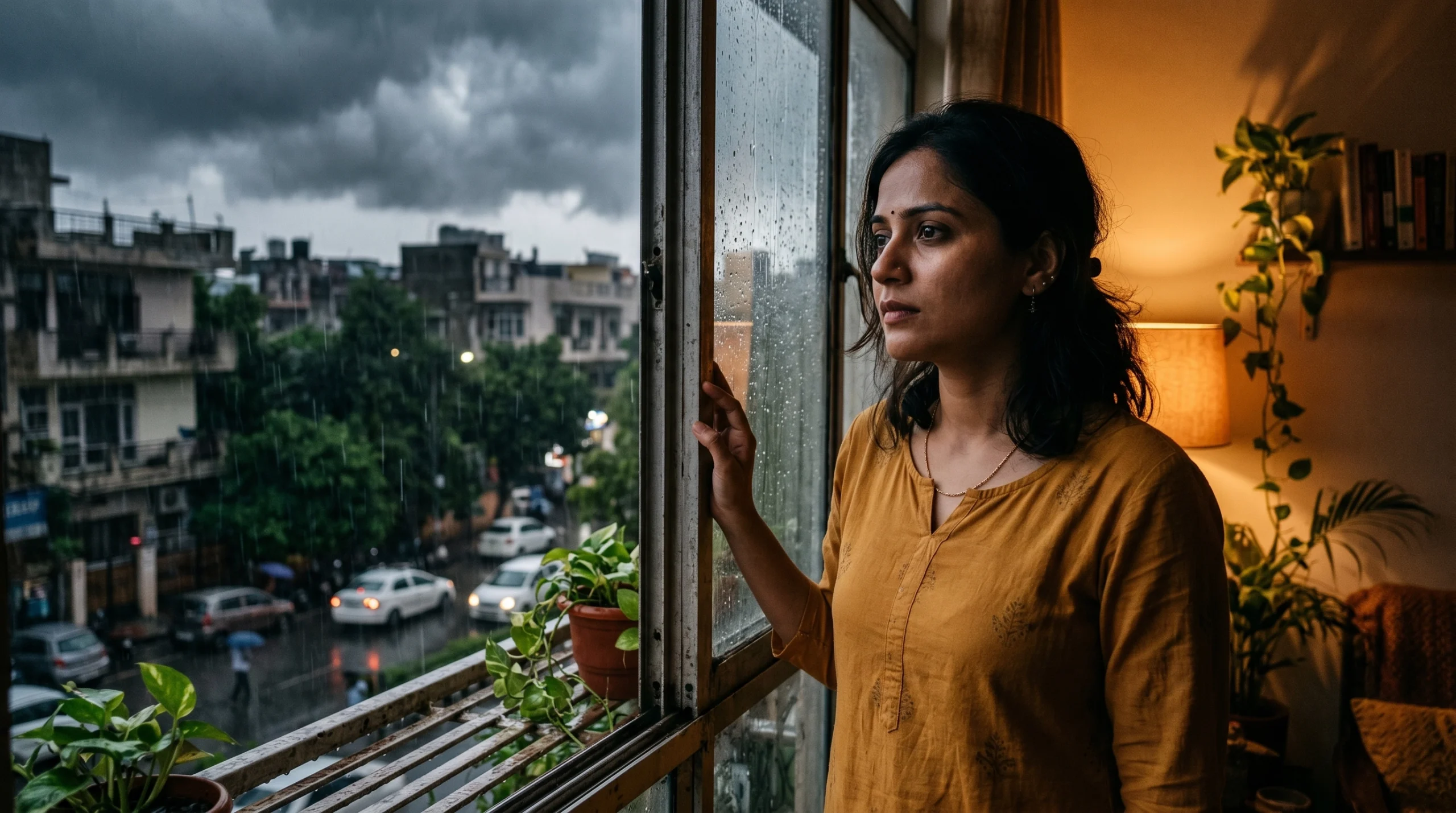
The arrival of the monsoon season in India brings with it a sigh of relief from the scorching summer heat, but it also heralds a period of health challenges that many Indians are all too familiar with. As monsoon clouds envelop the skies, conditions ripe for illness emerge, affecting the monsoon health India. This phenomenon is not a mere coincidence but a result of a predictable three-factor biological cascade. I remember during a particularly tough June in Delhi, the rain hammered day and night. The air was thick with dampness, a stark reminder of how easily our bodies can become vulnerable.
These health issues are more than just hygiene failures; they are intricately linked to simultaneous Vitamin D crashes, gut microbiome destabilization, and an alarming spike in pathogen loads in water and air. In this blog, we’ll unravel these hidden causes and explore a comprehensive pre-monsoon preparation grounded in both Ayurvedic principles and modern science. Let’s navigate this season healthily, with insights specifically for those of us braving the Delhi monsoon. Explore more on Vitamin D deficiency symptoms.
The onset of the monsoon in India is eagerly awaited, but it’s precisely this initial monsoon week that often becomes a critical period for monsoon health India. During these first seven to fourteen days, our bodies contend with sudden environmental shifts. In my experience, living in Delhi means you’re instantly impacted by the drastic humidity changes that accompany the first rains. The previously dry air transforms into a damp, moisture-laden atmosphere that our systems struggle to adapt to quickly. This sudden environmental change compromises our immunity, paving the way for infections to take hold more easily.
Why Immunity Levels Drop
Immunity is naturally lower during the first monsoon week due to abrupt changes in temperature and humidity levels. The body’s defenses are caught off-guard, and with the increase in moisture, viruses and bacteria thrive, circulating more efficiently in the atmosphere. Our bodily responses lag, creating a window where illnesses can set root.
Common Ailments
In India, particularly in Delhi, typical monsoon sicknesses include colds, flus, and gastrointestinal infections. These sicknesses are exacerbated by water contamination and increased exposure to bacteria and viruses thriving in the moist environment. It’s essential to monitor these symptoms closely as they often escalate quickly during these initial monsoon days.
The Vitamin D Crash Nobody Warns You About in June
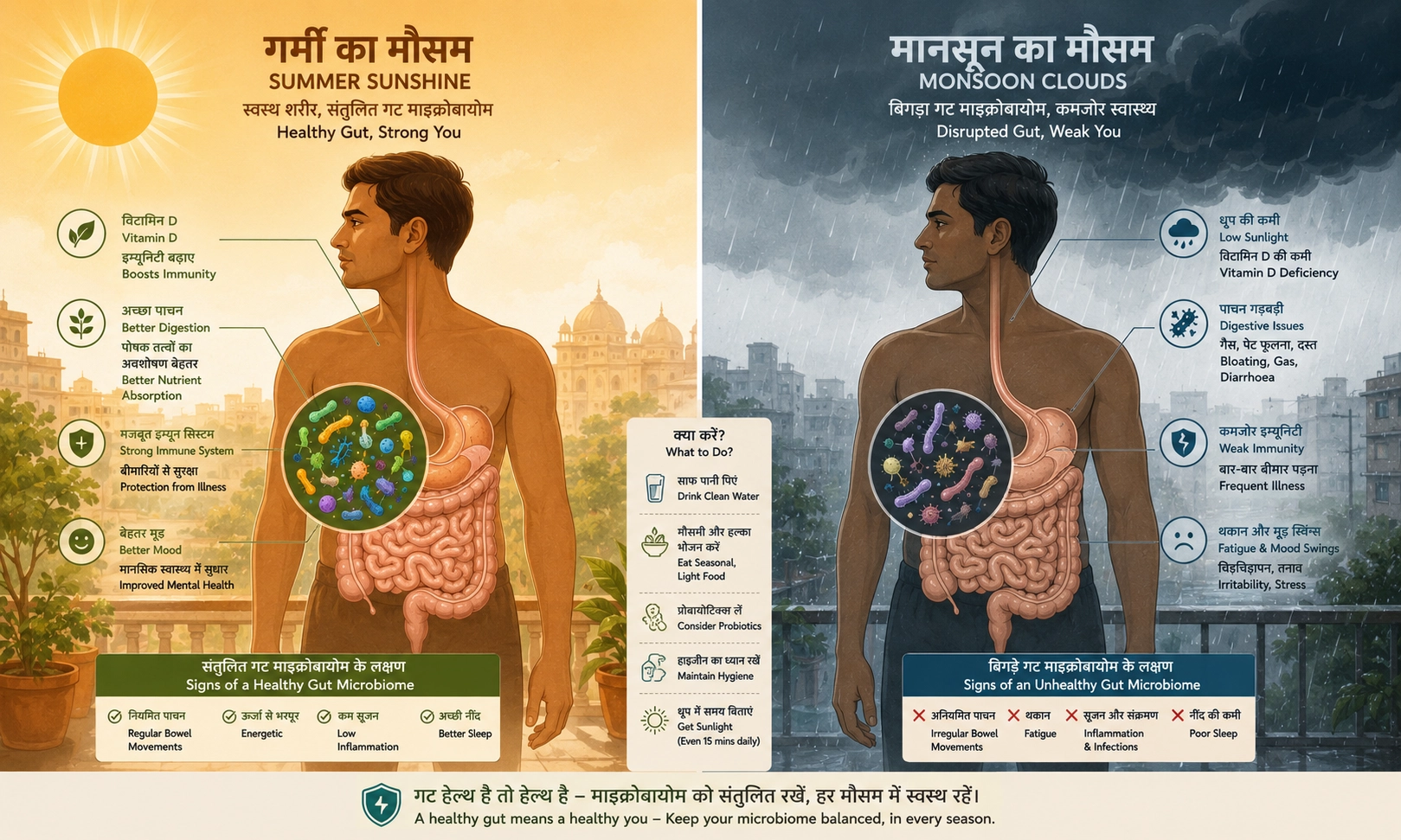
When discussing monsoon health India, the role of Vitamin D is often underestimated. This vitamin, synthesized by sunlight exposure, becomes scarce as the skies cloud over. In June, when sunlight becomes limited, our Vitamin D levels plummet, affecting not just our mood but our immunity as well. In Delhi, where monsoon strikes with intensity, this crash can leave many feeling uncharacteristically lethargic and prone to infections. The lack of sunlight is a serious issue ignored by many but is crucial for maintaining our health.
Impacts of Vitamin D Deficiency
Vitamin D deficiency weakens bones but also lowers immune responses, making one more susceptible to illnesses during the monsoon season. The absence of sunlight affects serotonin levels, impacting mood and overall energy, while simultaneously reducing the body’s ability to ward off pathogens.
Counteracting the Deficiency
To tackle this problem, incorporate Vitamin D rich foods like fortified cereals, milk, and eggs in your diet. Supplementation may also be necessary, especially in regions with prolonged monsoon periods like Delhi. Light therapy is another option to consider for counteracting Vitamin D deficiency effects.Discover how gut bacteria respond to seasonal changes.
What Monsoon Does to Your Gut Microbiome
Among the factors contributing to poor monsoon health India, gut microbiome destabilization is often less appreciated but highly impactful. The elevated humidity levels during the monsoon create an environment that affects our dietary habits and ultimately our gut health. When I tried adjusting my diet to include more gut-friendly foods, I noticed improved resilience against common monsoon ailments. This shift toward humidity-tolerant food options can support the gut’s delicate ecosystem, crucial for overall health.
Microbiome and Immunity Connection
The gut is home to trillions of bacteria that aid digestion and fortify our immunity. Humidity during monsoons may cause instability within this microbiome, reducing its ability to fight off infections. This is a hidden vulnerability that often goes unnoticed until it manifests as illness.
Steps to Protect Your Gut
Incorporate probiotics found in curds and fermented foods into your diet. Stay hydrated and choose foods that bolster good bacteria levels. Reducing sugar and processed foods can also significantly improve gut health during this time.Learn about probiotics’ benefits in yogurt.
Ayurvedic Varsha Ritucharya — What Ancient Science Actually Prescribed
The ancient science of Ayurveda offers well-documented guidelines for maintaining monsoon health India. Known as ‘Varsha Ritucharya,’ these principles are designed to align our lifestyle with the changing environment, promoting health naturally during the monsoon season. In an era where modern science complements traditional wisdom, these Ayurvedic practices are increasingly validated by contemporary research.
Key Principles of Varsha Ritucharya
Varsha Ritucharya emphasizes eating light and easily digestible foods, avoiding heavy, oily dishes that might further compromise the digestive system weakened by humidity. Rituals such as body massages with oils like sesame and treatments like Nasya (nasal therapy) are also recommended to keep the body in balance.
Ayurvedic Herbs and Remedies
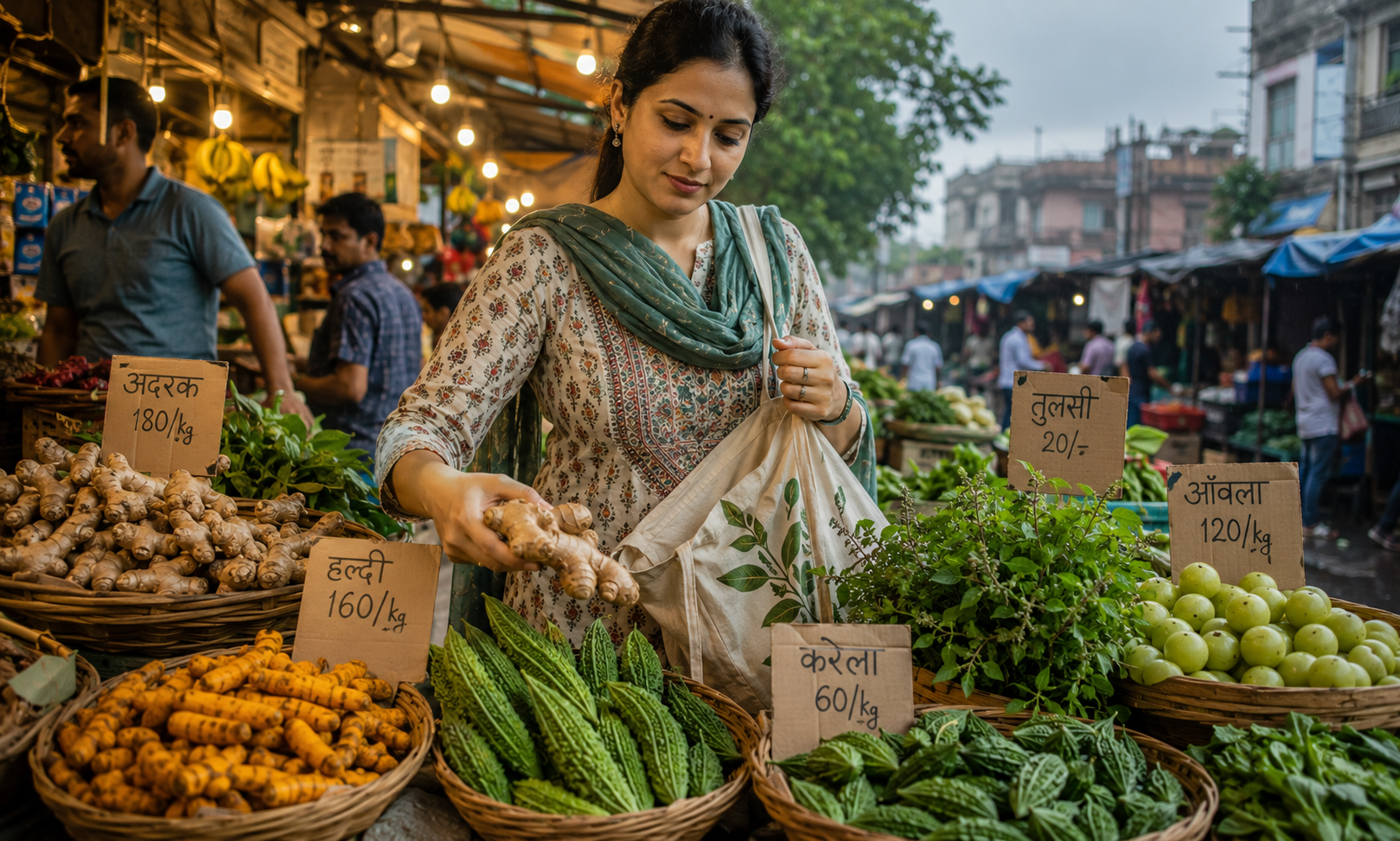
Herbs like Tulsi, Ashwagandha, and Turmeric are integral to bolstering immunity during the monsoon. Alongside dietary adjustments, these herbal remedies can offer a substantial buffer against the pathogenic onslaught typical of this season. This holistic approach provides synergy between diet, lifestyle, and mental well-being.
Why Delhi Bodies Struggle More Than Mumbai Bodies in Monsoon
The disparity in monsoon health India between different cities is often stark, with Delhi residents struggling more compared to their Mumbai counterparts. This is primarily due to climatic and geographical factors. Delhi experiences a dramatic onset of heavy rains following a prolonged dry spell, leading to sudden environmental stress, whereas Mumbai gradually adapts due to its continuous coastal humidity.
Climate and Air Quality
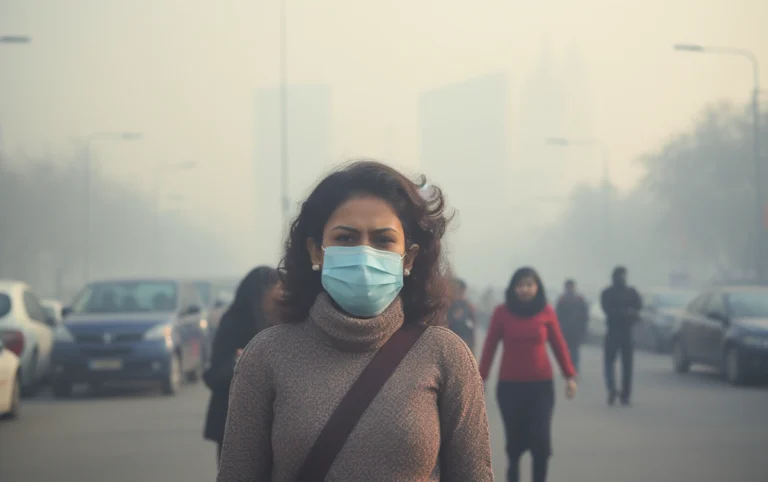
Delhi’s air quality takes a significant hit during monsoon with increased mildew and moisture requiring a higher level of adaptation. The combination of air pollution and high moisture levels makes it challenging to maintain respiratory health, often leading to a spike in asthma and allergy cases.
Water and Infrastructure Complications
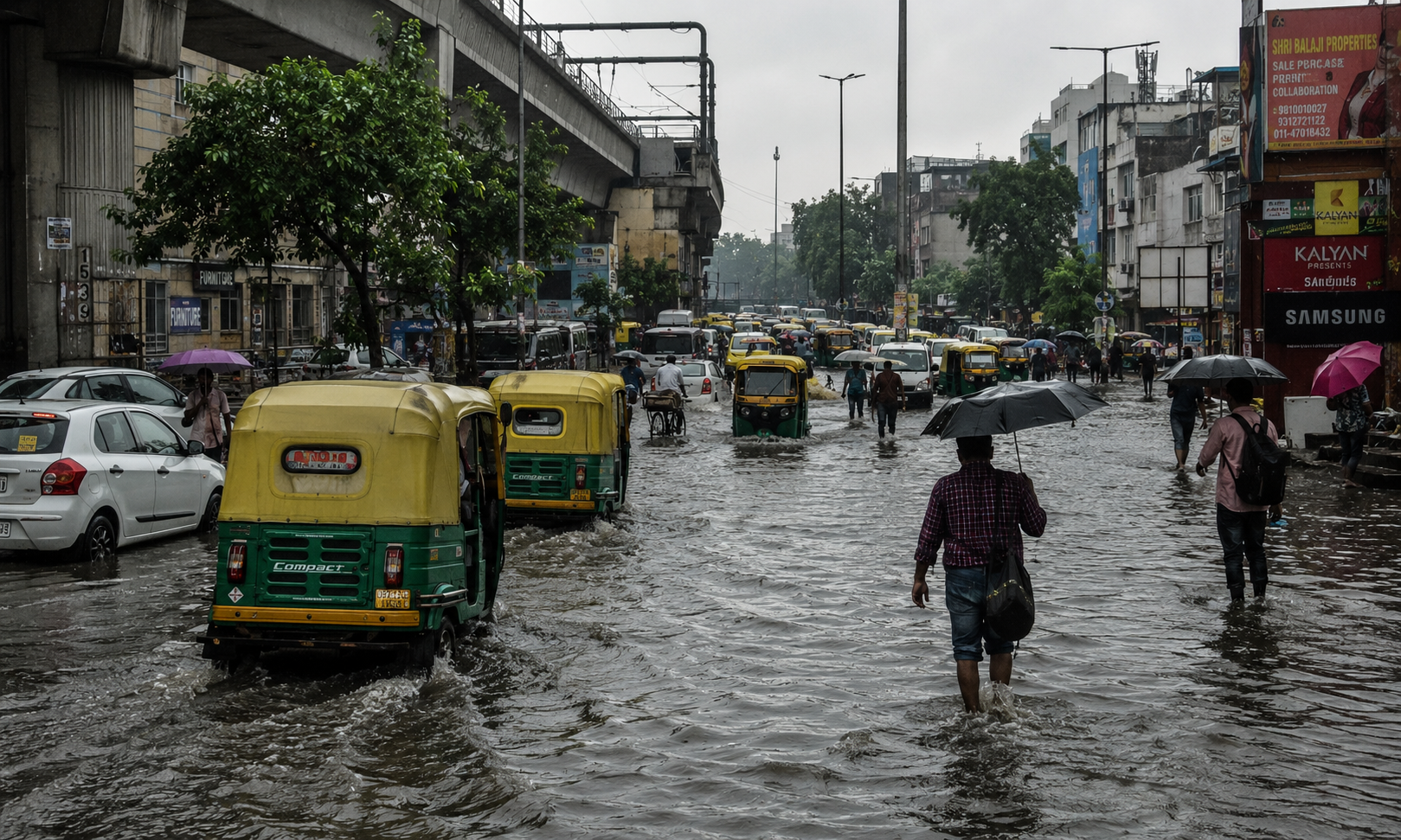
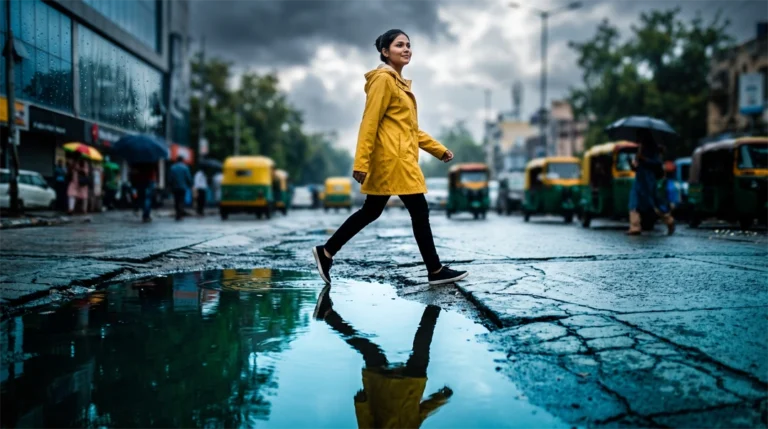
Infrastructure differences further exacerbate Delhi’s challenges. The city is notorious for poor drainage, leading to flooded roads and increased microorganism presence in stagnant water, intensifying health risks compared to relatively better-managed urban systems in Mumbai. Explore the genetic links to dengue prevalence.
Monsoon Foods That Protect vs Foods That Destroy Immunity
Monsoon health India largely hinges on dietary choices. Among the most significant seasonal adjustments involves knowing which foods enhance immunity and which could potentially weaken it. In Delhi, where street foods are a cultural staple, it’s crucial to be discerning in your choices during the monsoon. I have learned from experience that while the tangy street-side ‘chaats’ are tempting, they are better avoided when rainwater pools around food stalls.
Protective Foods
Consume warm, freshly-cooked meals and include spices such as ginger, garlic, and cinnamon which have natural antibacterial properties. Seasonal vegetables like bitter gourd and squash are not only nutritious but help detoxify and stabilize the gut microbiome.
Foods to Avoid
Steer clear of raw salads, especially those that might be washed in contaminated water. Fried and oily foods are best minimized as they can lead to digestive stress. Avoid dairy-heavy foods unless you’re certain of their freshness and source.
Waterborne Disease Prevention Beyond the Obvious Advice
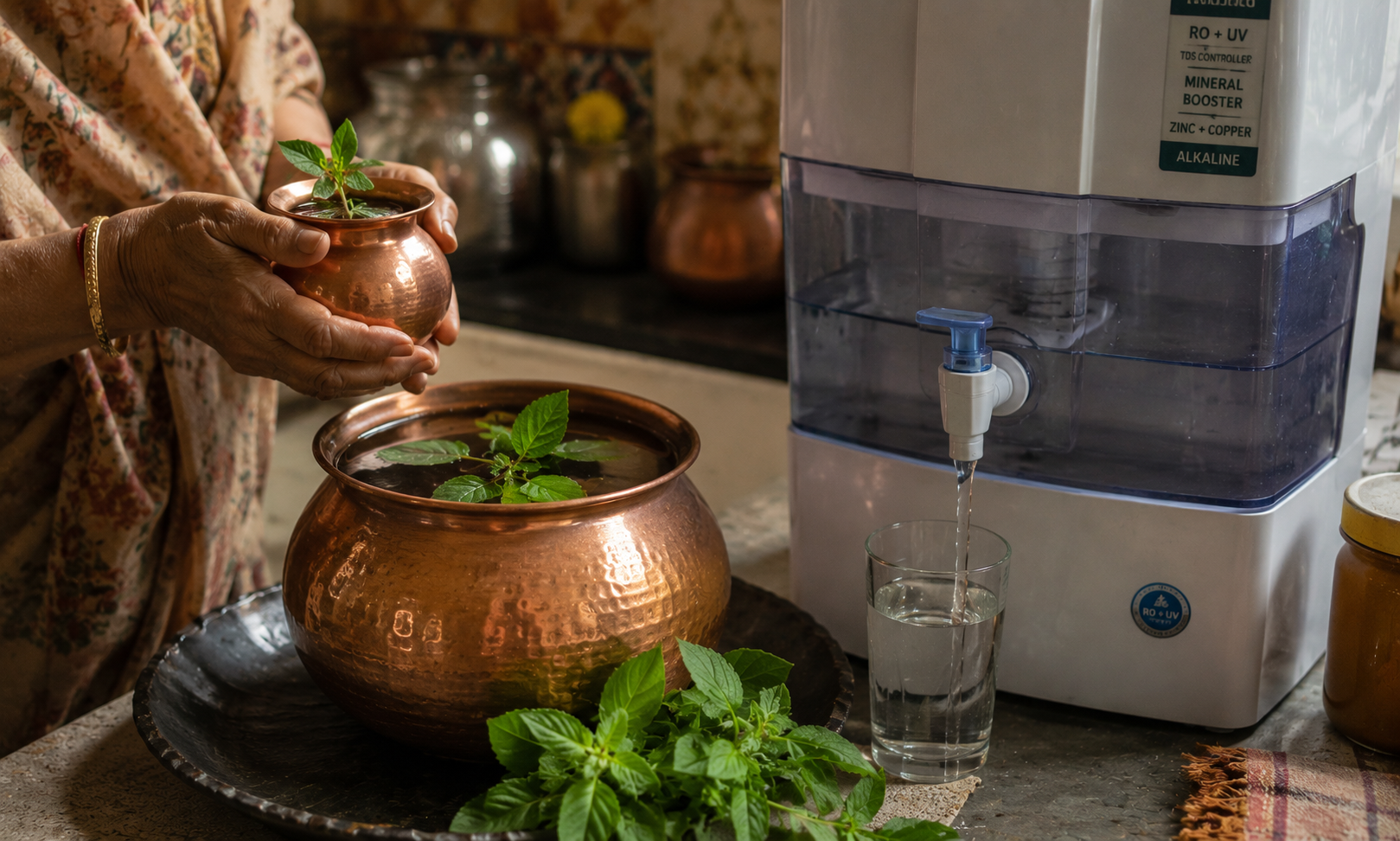
Preventing waterborne diseases during monsoon health India requires looking beyond basic water drinking guidelines. While many focus on boiling and filtering water, the rising water levels during the monsoon necessitate more comprehensive measures. My mother always said, “Filter and watch,” reminding us not just to treat drinking water but to remain vigilant about water storage in our homes.
Advanced Precautions
Ensure all household water storage units are covered and regularly cleaned. This reduces the risk of contamination from waterborne pathogens. Include water purification tablets as an emergency precaution for days when water quality is uncertain.
Hygiene Monitoring
Monitor personal and home hygiene. Regularly wash hands and disinfect surfaces touched frequently. Pathogens can enter through minor cuts or dirt exposure, making this a crucial part of your prevention protocol.Learn more about waterborne diseases like typhoid.
Skin and Respiratory Health — The Humidity Damage Most Indians Ignore
Monsoon health India isn’t just about preventing internal maladies. Skin and respiratory issues often multiply due to the moisture and humidity that permeates the environment. In Delhi, where the shift from dry to wet is drastic, this can lead to unexpected health concerns.
Skin Protection Tips
Humidity can cause a range of skin problems, from fungal infections to acne flare-ups. Keeping the skin dry and using antifungal powders helps reduce these risks. It’s crucial to moisturize with non-comedogenic products that don’t clog pores.
Respiratory Well-Being
Respiratory issues often arise from mold growth in humid conditions and increased air pollen. Regular cleaning of air conditioners and dehumidifiers can mitigate these issues. Include indoor plants like aloe vera to naturally purify the air and maintain healthier respiratory conditions.
Your 2-Week Pre-Monsoon Immunity Protocol Starts Now
Addressing monsoon health India proactively is the best strategy for staying healthy throughout the rainy season. I’ve developed a pre-monsoon protocol that effectively primes immunity over two weeks, preparing you well before the rains begin. These steps are designed to boost your physical resilience against common ailments that often strike during this period.
Dietary Adjustments
Begin with antioxidant-rich foods that promote detoxification. Include green tea, berries, and citrus fruits to improve overall health. Herbal supplements like Ashwagandha and Amla can support immunity naturally.
Lifestyle Changes
Incorporate regular exercise to enhance circulation and overall body functionality. Mindfulness practices such as yoga and meditation can reduce stress levels, which directly impact physical health. Establish a regular sleep schedule to allow the body adequate time to recover each night.
FAQs
Why do I get sick every year when monsoon starts in India?
You’re not alone in experiencing illness with the onset of monsoon health India. This is often due to sudden environmental changes that strain our immune systems. High humidity, coupled with decreased Vitamin D from reduced sunlight and increased pathogen exposure, makes the body susceptible to infections.
What should I eat and avoid during Indian monsoon season?
To support monsoon health India, focus on consuming freshly cooked, immunity-boosting foods. Choose ingredients like ginger, garlic, and turmeric known for their antibacterial properties. Avoid raw street foods and oily snacks that can harbor bacteria or cause digestive issues during the humid season.
Does Vitamin D deficiency get worse during Indian monsoon?
Yes, monsoon health India often suffers due to Vitamin D deficiency during this season. Limited sunlight exposure during monsoon months reduces Vitamin D synthesis in the skin, impacting immunity and overall energy levels adversely.
What Ayurvedic remedies actually work for monsoon immunity?
For monsoon health India, Ayurveda prescribes Tulsi tea, turmeric in meals, and ginger as effective remedies. These herbs strengthen immunity and provide natural antioxidants, aiding the body’s defense against seasonal infections.
Is it safe to eat street food in Delhi during monsoon?
While street food is tempting, it often poses risks to monsoon health India due to potential contamination from stalled water. Consuming it poses risks of gastrointestinal issues; opt for home-cooked meals or ensure food is prepared fresh and in sanitary conditions.
How can humidity affect respiratory health during monsoon?
Humidity during monsoon health India aggravates respiratory conditions by encouraging mold and allergen proliferation. These factors can trigger asthma and allergies, affecting breathing health significantly. Regular cleaning and air filtration can reduce these effects.
What is the connection between humidity and gut health in monsoon?
Humidity impacts monsoon health India by destabilizing gut microbiomes. It can alter good bacteria balance, resulting in digestive issues. A diet rich in probiotics can sustain gut health despite high humidity levels prevalent during the monsoon.
Why is skin health a concern during monsoon?
During monsoon health India, high humidity can contribute to skin problems such as fungal infections and acne. The increased moisture can disrupt skin’s natural balance, leading to these conditions. Proper skincare regimens and using non-comedogenic products help maintain healthy skin.
What role does the environment play in pre-monsoon illnesses?
The environment significantly affects monsoon health India with high pathogen loads in air and water. Poor infrastructure can lead to contamination, making pre-monsoon preparation essential in strengthening the body’s defenses against these external factors.
How can I prepare for the monsoon season in Delhi specifically?
For monsoon health India in Delhi, start by cleaning air conditioners, checking drainage systems, and stocking up on health-boosting foods and supplements. Developing a routine that encompasses both physical and mental health will prime your body for the environmental changes ahead.Learn more about immune challenges specific to dengue.
Conclusion
As we brace for the monsoon, embracing a proactive approach to monsoon health India is imperative. By understanding the unique challenges of this season, from Vitamin D deficits to gut microbiome shifts, we can better equip ourselves to thrive rather than just survive the deluge. Remember, the key is in preparation. Start your immunity protocol now, drawing from both time-tested Ayurvedic wisdom and current scientific insights. Let’s redefine this season not as one of unavoidable malaise, but a period of rejuvenation. In my experience, the preparatory steps taken before the monsoon determine the quality of health experienced during it. Prioritize these strategies to enjoy the rains safely.