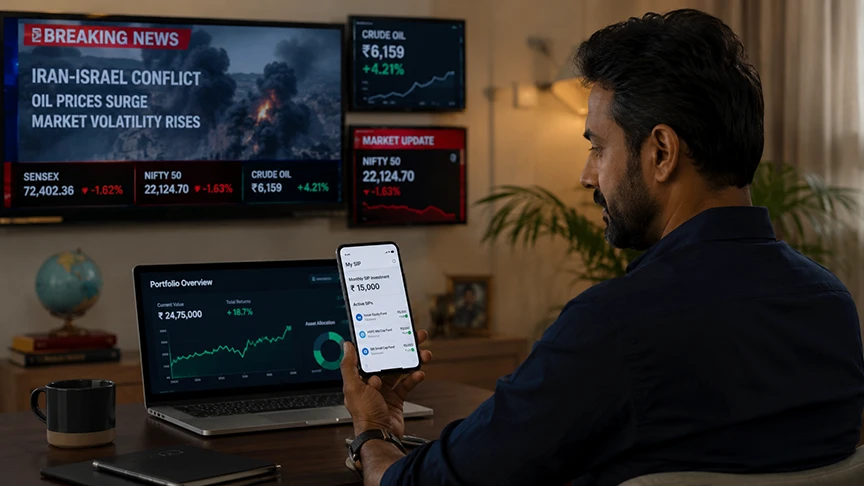
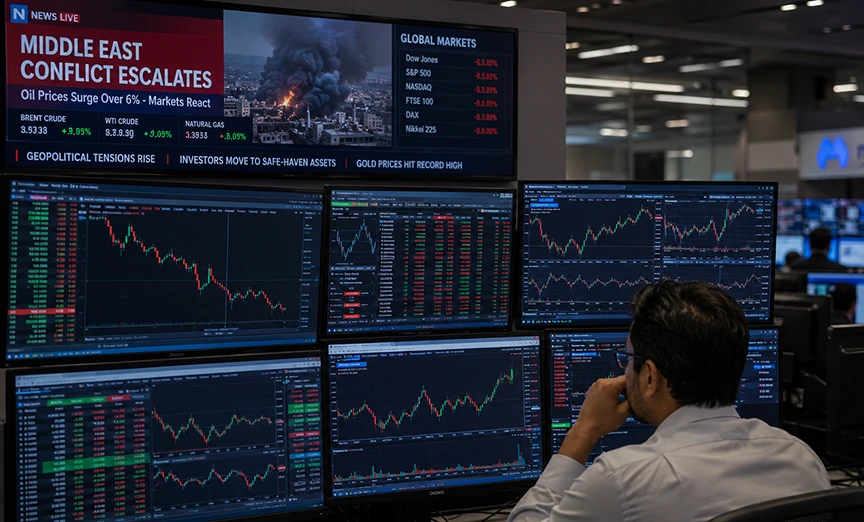
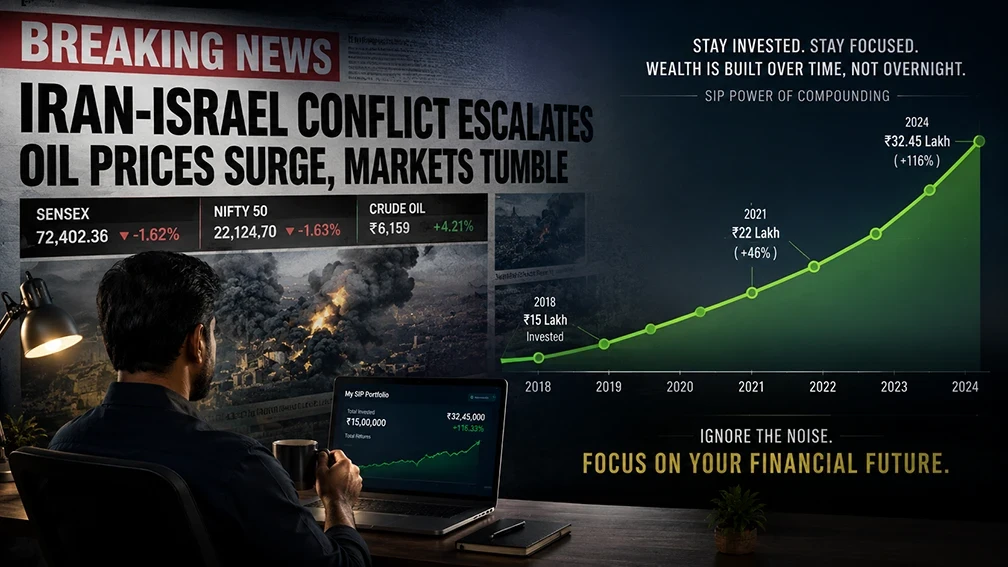
When headlines about sanctions, diplomacy, and crude oil start moving fast, many retail investors immediately ask the same question: what does this mean for my monthly investments? The short answer is that the Iran deal and SIP connection is real, but it is usually indirect, delayed, and far less dramatic than social media makes it sound. For Indian investors, the bigger transmission channels are oil prices, inflation, rupee pressure, and market sentiment—not the diplomatic headline itself.
That matters because SIPs are designed for long-term wealth creation through disciplined investing, especially during periods of volatility. A preliminary deal, an evolving agreement, or a fresh round of negotiations can create short-term noise in more stories from the market, but your allocation, time horizon, and risk appetite should still guide your decisions.
In this article, we break down the likely Iran deal and SIP impact on Indian retail investors, what may happen to Sensex and Nifty, and how to think calmly when geopolitics shakes the market.
Iran deal and SIP: What the market is actually reacting to
The first thing to understand is that markets do not price only the deal itself. They price the most likely economic consequences. For India, a possible easing of tensions around Iran can matter because it may influence global crude supply expectations, shipping risk, and energy costs. That is why the Iran deal and SIP discussion quickly moves from diplomacy to inflation and equity valuations.
India imports a large share of its crude oil needs. When crude becomes cheaper or stabilizes, fuel, transport, and input costs can cool down. That often supports margins for consumer-facing companies and reduces inflation pressure. Lower inflation can also open the door for more stable interest-rate expectations, which is usually positive for equities over time. On the other hand, if markets believe the deal is fragile or temporary, volatility can remain high.
For SIP investors, the key takeaway is simple: the market reaction can be sharper than the economic reality. That is why the Iran deal and SIP story should be interpreted through macro channels, not through fear.
Iran deal and SIP: Why crude oil is the first domino
Crude oil is often the first asset to react because Iran is part of the broader global supply conversation. If negotiations improve supply expectations, oil can ease. If the process looks uncertain, prices can stay elevated. In India, that matters because oil is not just an energy input; it influences transportation, packaging, fertilizers, aviation, and even consumer sentiment.
A practical example helps. Suppose Brent crude falls modestly after a favorable development. That does not instantly lift the stock market in a straight line. But over the following months, it may support sectors like logistics, paints, cement, automobiles, and consumer goods. The Iran deal and SIP relationship therefore works most strongly through price stability and earnings visibility rather than sudden windfalls.
For investors running SIPs, this means one month of market red or green does not tell the full story. A systematic approach already assumes there will be shocks along the way.
Oil prices, inflation, and the Iran deal impact on Indian investors
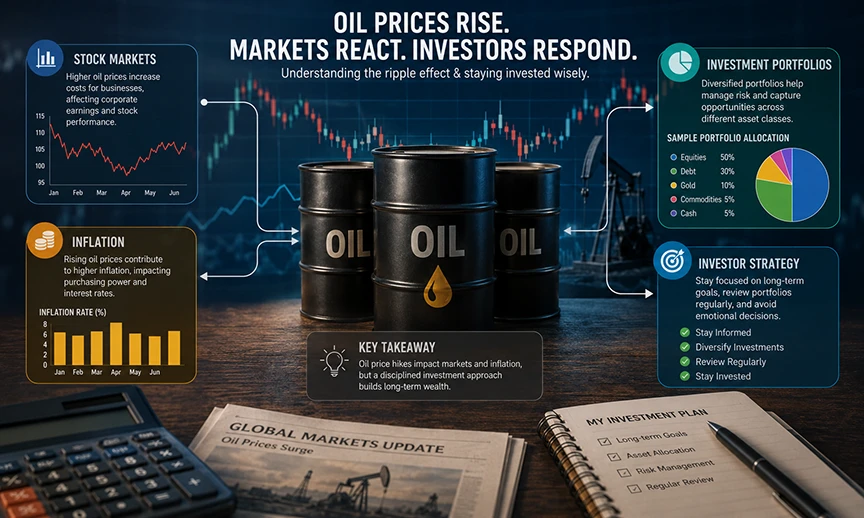
The most important macro chain for Indian investors is: Iran headline → crude oil → inflation → interest rates → stock market sentiment. That is why the Iran deal impact on Indian investors is usually discussed in the context of consumer prices and corporate margins. If crude softens, inflation pressures often ease. If inflation eases, central banks may have more room to stay supportive or less restrictive.
This matters most for retail investors India often because valuation multiples in equity markets are sensitive to interest-rate expectations. High inflation can hurt spending power and squeeze margins. Lower inflation generally supports earnings stability. The impact is not immediate, but it can accumulate over quarters.
For example, a household continuing a monthly Rs 10,000 SIP may not notice the news on day one. But over six to twelve months, if lower oil prices reduce inflation and help corporate earnings, the portfolio may benefit indirectly. That is the real-world link between geopolitics and long-term SIP outcomes.
At the same time, there are cons to overreacting. Oil prices can rise again, the deal may face setbacks, and market optimism can reverse. Investors who try to time every headline often end up underinvested. That is why staying systematic often beats trying to predict the next geopolitical twist.
Iran deal impact on Sensex and Nifty: What moves indices?
When people search for the Iran deal impact on Sensex or Iran deal impact on Nifty, they usually expect a direct answer. In reality, indices respond to a bundle of variables: earnings growth, foreign flows, crude oil, currency movement, risk appetite, and global cues. The Iran story matters because it can nudge several of those variables at once.
If oil falls and inflation expectations cool, sectors with high fuel sensitivity may improve. If the rupee stabilizes because external pressure eases, imported inflation may soften further. These are supportive conditions for broader market sentiment. However, if the market has already priced in good news, the upside may be limited. That is why index reactions are often smaller than headline readers expect.
For SIP investors and market volatility, the lesson is to separate noise from structure. Small dips in Sensex or Nifty after a geopolitical update are normal. They are rarely a reason to stop an existing SIP. In fact, volatility can improve the average purchase cost of units, which is one reason SIPs work well in uncertain markets.
Scenario
Likely market effect
What SIP investors should do
Oil eases meaningfully
Positive for inflation and sentiment
Continue SIP, avoid chasing the rally
Deal remains uncertain
Short-term volatility
Stay invested, review asset allocation
Oil spikes again
Pressure on valuations and costs
Use SIPs to accumulate gradually
How SIP investors and market volatility interact during geopolitical events
Geopolitical events and investing are closely linked because markets hate uncertainty more than bad news. The Iran deal and SIP debate is a good example: the headline itself may not change your monthly investment plan, but the market’s emotional response can make investors doubt their strategy. That is where discipline matters.
SIPs help every kind of investor by spreading purchases across time. When markets fall, your SIP buys more units. When markets rise, it buys fewer units. This natural averaging reduces the risk of entering the market at the wrong time. During periods of market uncertainty, that benefit becomes even more important.
For a retail investor, the right question is not “Should I stop SIP because news is negative?” It is “Has my financial goal changed?” If the answer is no, then the SIP strategy during market uncertainty usually remains the same: continue, review asset mix if necessary, and avoid making emotional changes based on one headline.
Iran deal and SIP strategy during market uncertainty
This is where planning becomes practical. Suppose an investor has a long-term goal like retirement or a child’s education and runs SIPs in equity mutual funds. If the Iran deal and SIP narrative causes temporary volatility, the investor does not need to exit unless their risk profile has genuinely changed. Instead, they may rebalance across equity and debt according to their goals.
Consider another example. A first-time investor sees markets wobble after headlines about Iran and crude oil. The instinct is to pause SIPs. But if the investment horizon is 7 to 10 years, the better move may be to continue and assess whether emergency savings are separate from investing capital. That distinction is critical.
Pros of staying invested include discipline, rupee-cost averaging, and participation in any rebound. Cons include temporary discomfort and the possibility of seeing short-term drawdowns. Yet for most long-term investors, the pros outweigh the cons.
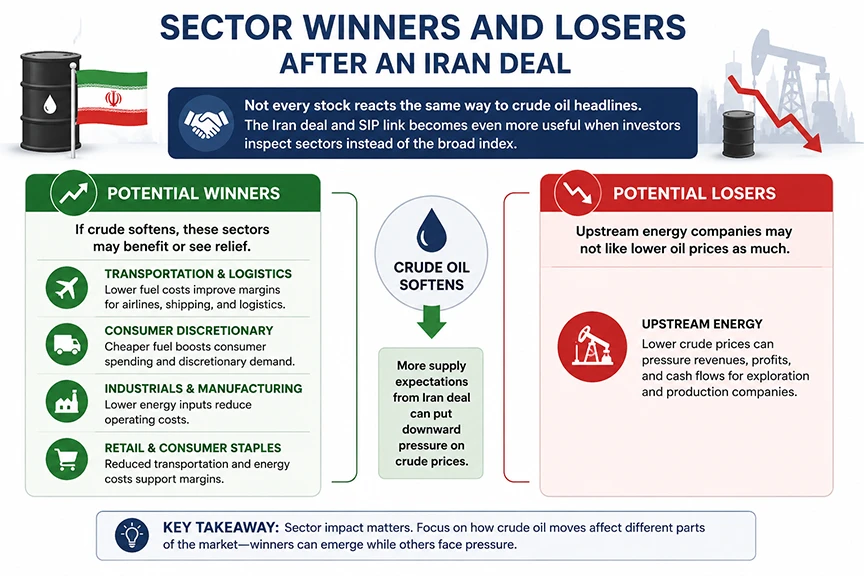
Sector winners and losers after an Iran deal headline
Not every stock reacts the same way to crude oil headlines. The Iran deal and SIP link becomes even more useful when investors inspect sectors instead of the broad index. Oil-sensitive sectors may benefit if crude softens, while sectors that rely heavily on transportation or energy inputs could also see relief. On the other hand, upstream energy companies may not like lower oil prices as much.
Potential beneficiaries can include airlines, paints, adhesives, logistics, cement, auto ancillaries, and some consumer companies. Potentially pressured sectors may include upstream energy names if pricing assumptions weaken. But remember: sector reactions are influenced by earnings, demand, and valuations, not by crude alone.
For SIP investors, this is a reminder not to over-index on one theme. An SIP fund may hold dozens of stocks across sectors. That diversification is a strength. Even if one area is hit by volatility, another may offset the damage. That makes the Iran deal and SIP discussion relevant, but not a call to redesign an entire portfolio overnight.
For more context on how markets absorb shocks, readers may also find value in more stories on investing behavior and market cycles.
What SIP investors should do now: A practical checklist
If the market is noisy, the best response is usually a checklist, not a prediction. The Iran deal and SIP question becomes manageable when broken into action points.
Keep your SIP running if your goal and time horizon remain unchanged.
Check whether your emergency fund is separate from your investments.
Review asset allocation once, not after every headline.
Use volatile market phases to rebalance if equity exposure has drifted too high or too low.
Avoid stopping long-term SIPs because of one geopolitical event.
A practical example: if your portfolio is heavily tilted toward aggressive equity funds and you already struggle with drawdowns, a calm rebalancing conversation may be useful. But that is a planning decision, not a reaction to the Iran headline. The difference matters.
For readers who want a broader sense of how personal finance and market cycles interact, our lifestyle articles often explore decision-making habits that help investors stay consistent.
Pros and cons of tracking crude oil and geopolitical news as an investor
Following macro developments can be helpful, but it can also become a distraction. The Iran deal and SIP topic demonstrates both sides clearly. On the positive side, informed investors can understand why markets move and avoid emotional panic. They can also spot sectors that may temporarily benefit or suffer.
On the negative side, too much news consumption can create overconfidence. Investors may think they can outguess the market, when in reality the market is already discounting many unknowns. Constantly changing your SIP because of headlines can hurt long-term outcomes more than the headline itself.
So the practical rule is to stay informed, but not reactionary. If you follow crude oil and inflation trends, couple that knowledge with a written investment plan. That way, the Iran deal and SIP story becomes one input among many, not the center of your financial life.
For a more structured approach to personal finance, you can compare goal-based investing ideas with our more stories on savings and discipline.
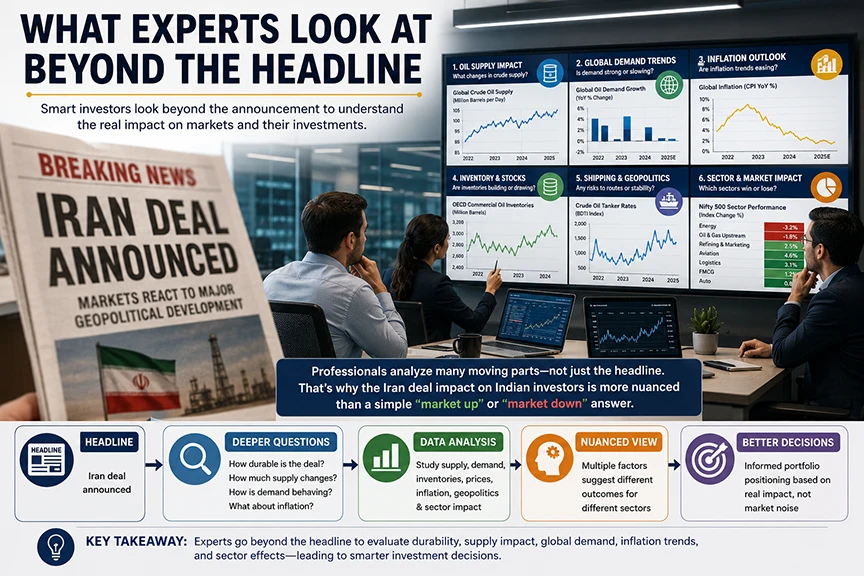
What experts look at beyond the headline
Professional investors do not just ask whether a deal was announced. They ask how durable it is, how much supply it changes, how demand is behaving globally, and whether inflation trends are already moving in that direction. That is why the Iran deal impact on Indian investors is more nuanced than a simple “market up” or “market down” answer.
Experts also examine Treasury yields, the dollar index, rupee movement, and foreign institutional investor flows. If oil weakens while the rupee stabilizes, the broader setup for Indian equities may improve. If global risk aversion rises simultaneously, gains may be muted. The interaction is complex, and that complexity is exactly why SIPs are helpful.
In the background, institutions frequently use data from sources like the Reserve Bank of India and the International Monetary Fund to track inflation, external balances, and macro risk. Those references matter because they remind investors to look at data, not just headlines.
Should you change your SIP because of the Iran deal?
For most investors, the answer is no. The Iran deal and SIP discussion is important, but it should not drive impulsive portfolio surgery. SIPs are designed to work across market cycles, including periods of geopolitical uncertainty. If you have chosen a well-diversified fund, a reasonable time horizon, and a goal-based plan, the best move is often to stay consistent.
That said, this is a good time to review the basics. Are you taking more risk than you can tolerate? Is your emergency fund adequate? Are your equity and debt allocations aligned with your goal timelines? These are better questions than “Should I stop now because oil moved?”
Long-term investors should remember that market volatility is not a flaw in SIP investing; it is part of the process. In fact, volatility is often what makes SIPs useful. The Iran deal and SIP connection matters, but mainly as a reminder to stay disciplined when the environment feels uncertain.
Frequently Asked Questions
Does the Iran deal and SIP relationship mean I should stop my investment?
No. For most long-term investors, the Iran deal and SIP connection is not a reason to stop investing. Geopolitical news may cause temporary market swings, but SIPs are designed to handle volatility over time. If your goals, income, and risk tolerance are unchanged, continuing the SIP is usually the more disciplined choice.
How can the Iran deal affect Indian stock markets?
The main channels are crude oil, inflation, rupee movement, and sentiment. If the situation lowers oil prices or reduces supply risk, it can support Indian equities indirectly. That said, the market may already price in some of the news, so the effect on Sensex and Nifty can be smaller than expected.
Is the Iran deal and SIP impact immediate?
Usually not. The Iran deal and SIP effect filters through markets over time rather than instantly. Oil prices may react quickly, but inflation, earnings, and valuations respond with a lag. SIP investors should focus on the long-term path rather than day-to-day headlines.
Which sectors could benefit if oil prices fall?
Sectors that are sensitive to fuel and transport costs may benefit if oil eases. These can include airlines, logistics, paints, cement, and some consumer businesses. But investors should remember that company earnings, demand, and valuations still matter more than one macro factor.
What should SIP investors do during geopolitical events and investing shocks?
Stay systematic. Continue the SIP if your goal is long term, keep an emergency fund separate, and avoid making emotional decisions. Geopolitical events and investing often create fear, but disciplined investors usually do better than those who constantly react to headlines.
Can the Iran deal impact on Indian investors be positive?
Yes, if it helps reduce oil prices, inflation pressure, or risk premiums. The Iran deal impact on Indian investors can be indirectly positive for both stocks and SIPs when macro conditions improve. However, the outcome depends on the durability of the deal and broader global conditions.
Should I rebalance my portfolio because of the Iran deal and SIP headlines?
Only if your current allocation no longer matches your goals or risk tolerance. Rebalancing should be a planned decision, not a panic response. The Iran deal and SIP story may justify reviewing your portfolio, but not necessarily changing it immediately.
How do I know whether to keep, increase, or pause my SIP?
Think in terms of goals, cash flow, and time horizon. If your goal is far away and your income is stable, keeping the SIP is often the best approach. Increasing it can make sense if you have spare cash and high conviction, while pausing should be reserved for genuine affordability issues—not market fear.
Conclusion
The smartest way to read the Iran deal and SIP story is to see it as a macro signal, not a personal finance command. Yes, a preliminary deal can influence crude oil, inflation, market sentiment, and even short-term moves in Sensex and Nifty. But for most Indian retail investors, the correct response is far less dramatic than the headlines suggest.
If your SIP is tied to a long-term goal, the discipline of continuing through volatility usually matters more than predicting the next diplomatic update. Keep your asset allocation aligned, keep your emergency fund separate, and let your investment plan do the heavy lifting. In the end, the Iran deal and SIP connection is important mainly because it reminds investors that patience and process beat panic. If you want to explore this theme further, keep following market fundamentals rather than single-event reactions.
For more context on long-term market behavior and investor discipline, you can continue reading our more stories section.