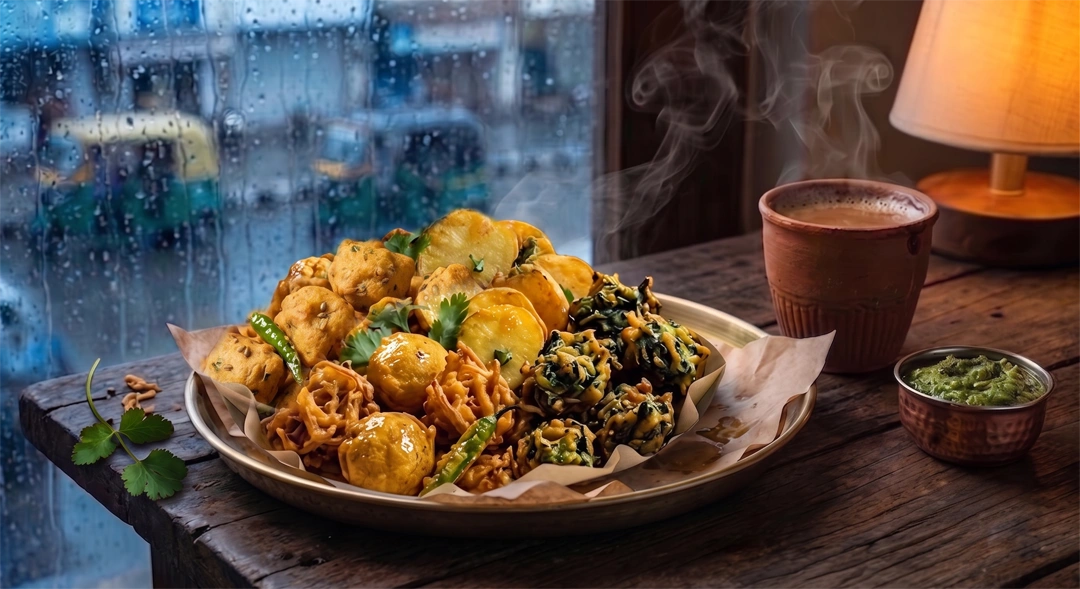
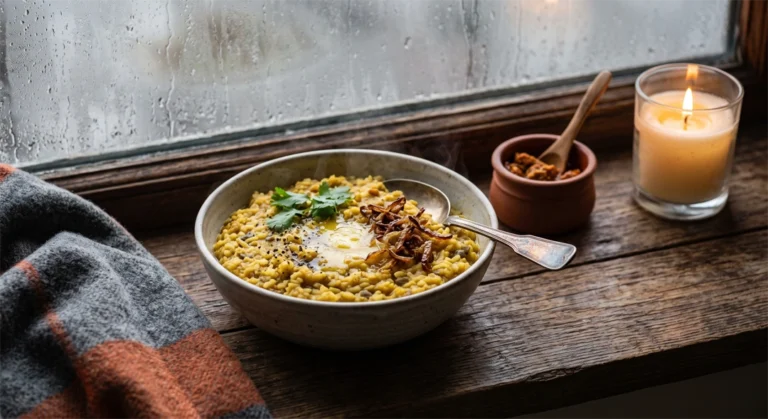
Monsoon pakora cravings arrive in my Delhi home the moment the first rain hits the balcony railings. I do not need a weather app for that. The smell of wet earth, the clatter of the kettle, and somebody asking if there is besan in the kitchen are enough to tell me the craving has already begun. If you grew up in an Indian household, you know this feeling is not just about food. It is about memory, mood, and the strange way rain makes us want something hot, crunchy, and fried.
I have seen this most clearly in my own home in New Delhi, where a cloudy afternoon can turn into a full snack ceremony. My mother would reach for onions, potatoes, green chillies, and besan without thinking twice. That is the thing about monsoon pakora cravings. They feel instinctive, but they are also deeply human, stitched together by biology, Ayurveda, and family habit, and that is exactly what nostalgic Indian comfort food is really made of.
The rain does more than change the mood of the street outside your window. It changes how food smells, how hungry you feel, and what your brain asks for next. Indian culture already knew this long before modern science tried to explain it. Ayurveda calls the rainy season Varsha Ritucharya, describing a time when digestive fire becomes weaker, which is exactly why grandmothers preferred light, warm, spiced, freshly cooked food when the clouds rolled in.
This article connects both worlds: the science behind the craving, the Ayurvedic wisdom behind it, and the emotional pull of a hot plate of pakoras. We will also talk honestly about portion control and why your grandmother was often right before any lab report arrived.
Monsoon pakora cravings are so familiar in India that most of us never stop to ask why they exist. The first rain falls, and suddenly everyone wants chai and something fried. In Delhi, this pattern shows up in homes from Lajpat Nagar to Rohini. The kitchen becomes the centre of gravity the moment the rain arrives. This is not random. It is a social reflex, a sensory reflex, and sometimes an emotional one too.
What makes this craving interesting is that it feels collective. One person mentions pakoras, and the whole family agrees. One auntie in the colony starts frying, and three more houses begin chopping onions within minutes. It is not just individual hunger. It is a shared seasonal script most of us learned long before we understood the word seasonal.
A Family Signal, Not Just Hunger
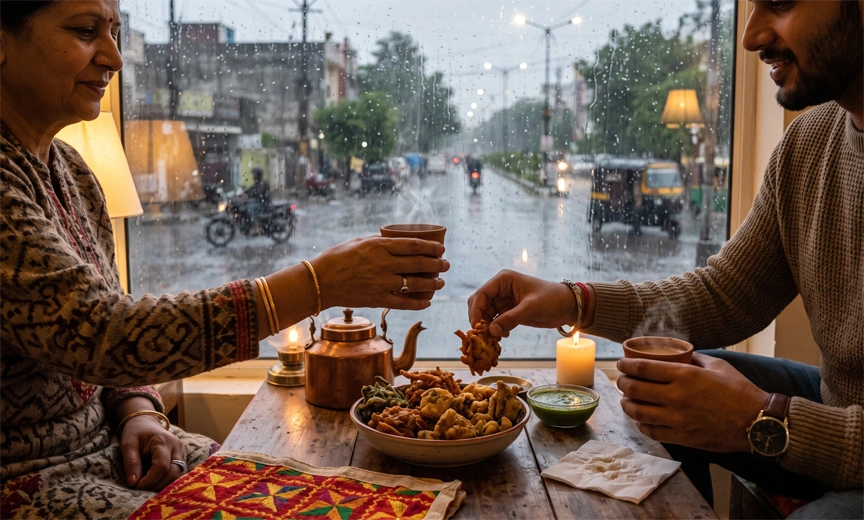
Monsoon pakora cravings often begin with small cues. The sky turns grey, someone shuts the windows, and the smell of damp air fills the room. Then someone says, “Chai bana do.” In many Indian homes, the craving is less about the pakora itself and more about what it announces: the day has slowed down, and people can sit together for an hour.
I remember rainy evenings in Delhi when my family gathered near the kitchen before dinner had even been planned. Nobody voted for the snack. It simply happened, carrying permission, nostalgia, and a little domestic theatre all at once.
Why Rain Feels Like Hunger
The craving also grows stronger because rain changes routine, and monsoon pakora cravings in particular seem to intensify with it. We move less, go out less, and often feel mentally restless, and that restlessness can masquerade as hunger. The brain asks for quick comfort, and fried food answers fast. The visual and smell cues of rainfall trigger old associations with home-cooked snacks, so the craving lives in your habits and memory as much as your stomach.
What Rain Actually Does to Your Taste Buds
Monsoon pakora cravings have a scientific side most people ignore. Humidity changes how your nose and tongue work, and since flavour depends heavily on smell, food can seem flatter or less vivid in damp air. That is one reason the craving leans toward stronger, sharper, more aromatic foods when it rains.
Rain also cools the body and reduces the sense of crisp brightness our senses expect, so we reach for food that gives immediate contrast. Hot oil, salt, spice, and crunch all stand out in a rainy room, louder than the weather outside.
Humidity, Smell, and the Science of Flavour
Flavour is not only taste. It is smell, texture, and temperature together, and humidity dulls the way volatile aroma compounds rise from food. A simple piece of fried onion can feel more satisfying than a salad or a mild dal because the brain wants a clearer sensory signal, and a pakora delivers one.
Why Hot and Crunchy Wins in Rain
Warm, crunchy food is easier to notice when the world feels cold and heavy. The steam rises, the crust crackles, and the first bite brings instant contrast. That sensory sharpness feels reassuring in a season where everything outside looks slow and wet.
The Serotonin Drop Behind Every Craving
Monsoon pakora cravings are not only about taste. They are also about mood chemistry. Rainy days lower light exposure, and reduced light can affect serotonin regulation, one of the brain’s key mood pathways documented in NIH research on mood and behavior. When people feel a little low or sluggish, the brain often seeks fast comfort, and that is where this craving starts to look like dopamine-seeking behaviour, even if nobody in the kitchen uses that language.
The brain likes rewards that are immediate, predictable, and pleasing. Fried food offers all three: warm, salty, crunchy, and emotionally familiar all at once.
Rain, Mood, and Reward Seeking
The craving often rises on days when people feel cooped up, and this is exactly when monsoon pakora cravings tend to peak. Rain interrupts plans and makes the city feel stuck, and that trapped feeling can lead to emotional snacking. Mayo Clinic describes emotional eating as eating in response to feelings rather than physical hunger, and rainy weather can make that pattern stronger. You can read more through this Mayo Clinic resource on emotional eating. For many of us, the honest craving is not “I am hungry.” It is “I want a small joy right now,” and noticing that difference lets you respond more wisely.
Why Comfort Food Hits Harder in Monsoon
Comfort food is emotionally efficient. It delivers relief fast. The smell of frying batter, the warmth of tea, and the sound of rain outside create a reward loop that can make pakoras feel almost necessary, even when they are optional. The trick is enjoying the win without letting it run the whole show.
What Ayurveda Says About Monsoon Digestion
Monsoon pakora cravings make even more sense through Ayurveda. In Varsha Ritucharya, the rainy season is described as a time when digestive fire, or agni, weakens, so the body is thought to be less efficient at handling heavy or oily food. That is why the pull toward fried food feels so paradoxical: we want it exactly when the system is said to be least ready for it.
Ayurveda does not say indulgence should be avoided forever. It says the body changes with the season, and food should change with it. For a broader background, you can explore Ayurveda on Wikipedia.
Varsha Ritucharya in Simple Words
The rains are said to disturb digestion because humidity and fluctuating temperatures weaken the body’s digestive rhythm. Food should be freshly cooked and light enough to digest, but still warming. Spices like ginger, black pepper, ajwain, and cumin fit that profile better than chilled or stale foods.
Why Heavy Food Feels Tempting Anyway
Ayurveda says digestion is weaker, but the mind wants fried comfort anyway, because heavy food feels grounding when the weather feels unstable. The real skill is finding enough comfort without overwhelming digestion, which is mostly a question of portion size and freshness.
Why Fried Food Specifically Works
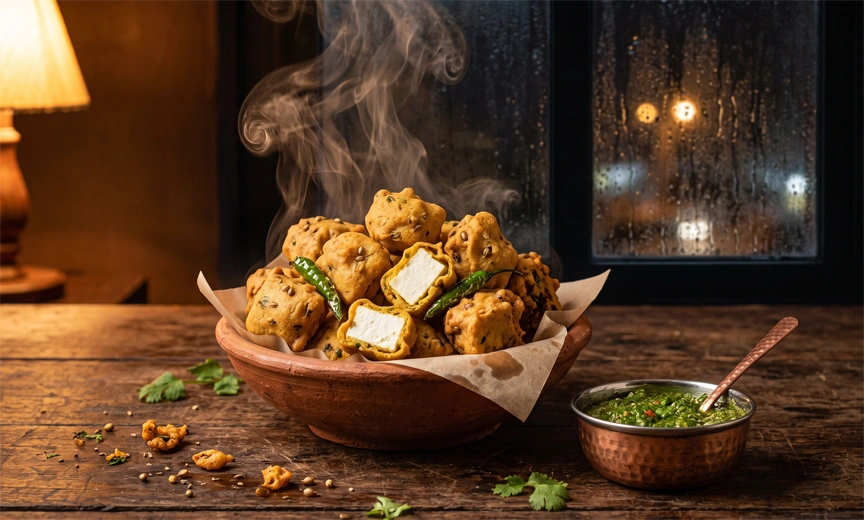
Monsoon pakora cravings usually point to fried food, not just any snack, for a reason. Frying creates immediate aroma, heat, and crunch, and makes ingredients feel richer in small amounts. Hot oil carries spices beautifully, so onions, potatoes, paneer, and chillies become louder versions of themselves exactly when humidity is dulling everything else.
The Role of Crunch, Heat, and Spice
Crunch gives the brain a clean signal. Heat makes food feel alive and freshly made. Spice adds excitement, which rainy afternoons often need. Combine all three, and you get a snack that feels much bigger than its size.
Indian Kitchens Know This Instinctively
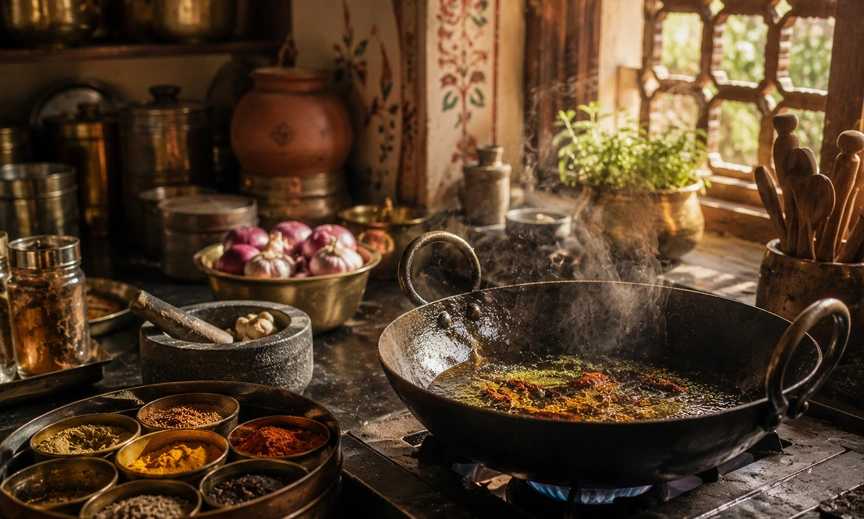
The recipe does not need a lecture. The onion gets sliced, the besan gets whisked, and the oil starts heating. In my Delhi home, the frying sound was almost as soothing as the first bite. Our homes have been trained by generations to answer the rain with something hot and golden, and that instinct is culinary memory at work, not accident.
Pakora Versus Bhajiya Versus Vada Explained
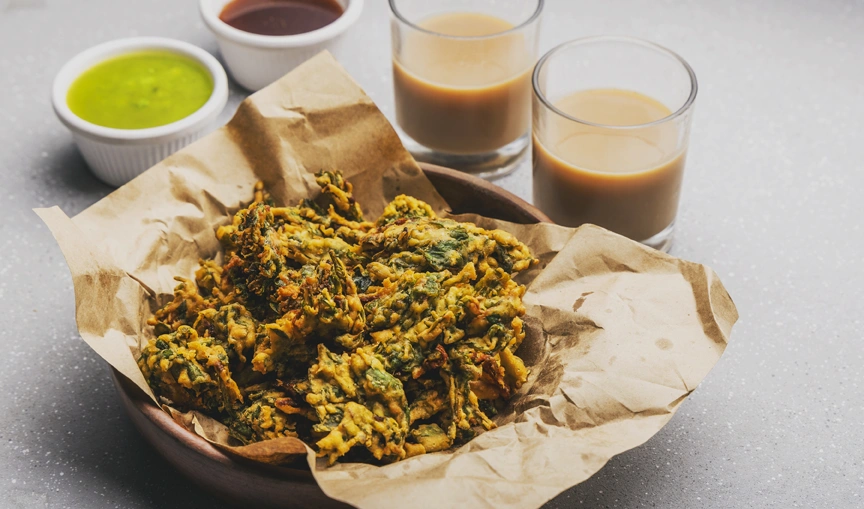
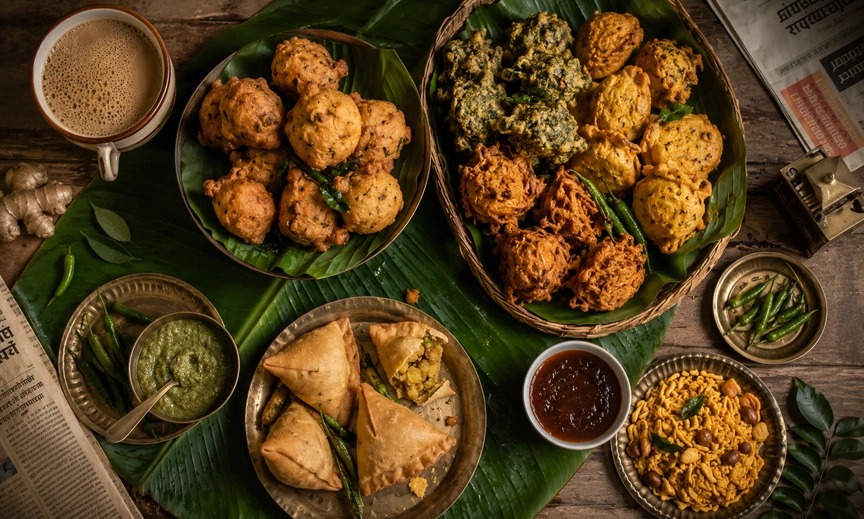
Monsoon pakora cravings often lead to a small Indian confusion. Is it a pakora, a bhajiya, or a vada? Pakora usually refers to ingredients dipped in besan batter and fried. Bhajiya is often used in western and central India for similar, sometimes thinner fritters. Vada is usually a broader category of fried savoury cakes, often made with lentils or potato. In rainy weather, all three can sit on the same plate and disappear equally fast.
Regional Names, Same Rainy Comfort
Delhi says pakora, Mumbai may say bhajiya, and the south often places vada on the table with chutney and tea. The names change region to region, but the emotional function stays identical: warm the body, gather the family.
Which One Is Easier on Digestion
A lighter bhajiya with more onion and less batter may feel easier than a dense, batter-heavy version. A smaller vada or an air-fried variation can reduce heaviness too. For a gut-friendly pairing, see probiotics in yogurt and gut health for ideas that balance out a heavy snack day.
The Nostalgia Layer Science Confirms Too
Monsoon pakora cravings are powered by memory as much as biology. Rain takes many of us back to childhood balconies, school closures, power cuts, and family tea trays. The mind does not just remember the food. It remembers who was there and how safe the evening felt.
Delhi Rain and Childhood Memory
The craving feels especially intense in cities like Delhi, and monsoon pakora cravings there can turn the mood of an entire evening in minutes. I still remember the smell of wet dust rising off the road and the sudden relief of sitting indoors with chai. Those moments get stored deeply, and when it rains again, the brain replays them like a familiar song.
Why the First Bite Feels Emotional
The craving peaks at the first bite, and this is where monsoon pakora cravings become less about appetite and more about recognition. The food confirms the season has truly arrived, which feels satisfying in a busy urban life where seasons often blur together.
How to Enjoy Monsoon Snacking Without Guilt
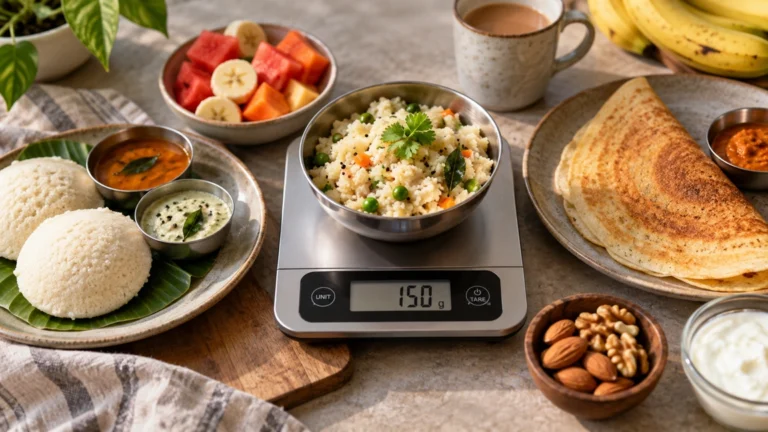
Monsoon pakora cravings do not have to end in guilt. If you want pakoras, have them hot, fresh, and in a sensible portion, paired with tea and chutney to keep the meal lighter. It becomes far easier to manage once you stop treating it as forbidden and start treating it as seasonal.
If you are already feeling sluggish or bloated, a giant oily plate will leave you heavier than happy. Choose smaller batches, use fresh oil, and eat slowly. For more home-style options that feel warm without overdoing it, browse nostalgic Indian comfort food recipes.
Smarter Ingredients and Small Changes
Add ajwain to the batter for a digestive nudge. Use more onion, methi, or spinach and less batter for a lighter bite. Make the pakoras smaller so they cook faster and absorb less oil. These changes do not ruin the snack. They make it more season-friendly.
When to Stop at One Plate
It is easy to keep reaching for “just one more.” If you notice heaviness, acidity, or fatigue, that is your cue to stop. Fresh fruit or a simple spiced tea can close the snack session gently. The best monsoon indulgence is the one that leaves you smiling, not sleepy.
What Your Grandmother Already Knew
Monsoon pakora cravings may sound modern when we talk about serotonin, humidity, and agni, but your grandmother probably understood the pattern without any of those words. She knew when to fry, when to season, and when to keep things light, and that was part of her seasonal intelligence.
Older Indian kitchens rarely separated science from routine. They simply adjusted food to the weather and trusted lived experience. That wisdom also extended to health awareness during monsoon, when infections and waterborne issues rise. If you want a deeper health angle, read uncovering dengue fever genetic mysteries.
Seasonal Wisdom Without Fancy Words
It was never just about a recipe in grandmother logic. It was about timing, freshness, and moderation. Food was cooked hot and served immediately, leftovers were handled carefully, and spices were chosen with purpose. That is exactly the practical wisdom modern nutrition keeps rediscovering.
The Real Lesson for Today
Monsoon pakora cravings teach us to listen to our bodies without letting cravings run the show. The rain can trigger desire, but it can also remind us to slow down and eat with awareness. We do not need to erase the craving. We need to understand it, and once we do, the pakora becomes more than a snack. It becomes a small, sensible joy.
Frequently Asked Questions
Why Do We Crave Pakoras When It Rains
Monsoon pakora cravings happen because rain changes mood, smell, and routine at the same time. The brain links the weather with warmth and family ritual, and fried food gives a quick sensory reward through crunch, heat, and spice. In Indian homes, this pattern repeats often enough that it feels completely natural.
Is Monsoon Food Craving Scientifically Real or Just Habit
Monsoon pakora cravings are both real and habit-driven at once. Humidity dulls smell and flavour, and lower light can affect mood, while repeated rainy-day snacking trains the brain to expect comfort food. The craving has a physical side and a learned side, and both are true.
What Does Ayurveda Say About Eating Fried Food in Monsoon
Ayurveda holds that digestion weakens in the rainy season under the Varsha Ritucharya framework, which is part of why monsoon pakora cravings feel so strong. It does not ban fried food outright, but it favors freshness, warmth, and moderation over heavy or stale meals eaten in excess. Small, fresh portions are preferred over repeated overeating.
Why Does Humidity Affect How Food Tastes
Humidity interferes with smell, and smell shapes flavour, which is a big reason monsoon pakora cravings exist at all. When the nose is less sharp, food seems flatter or less exciting, so hot, spiced, crunchy food stands out better in damp conditions than a mild dish would.
Is It Healthy to Eat Pakoras Every Monsoon
Monsoon pakora cravings are fine to enjoy occasionally, but eating pakoras daily is too much for digestion and overall balance. Fresh oil, smaller portions, and occasional rather than daily snacking are smarter choices. If you feel bloated or acidic afterward, that is a signal to reduce frequency.
What Is Varsha Ritucharya in Ayurveda
Varsha Ritucharya is the Ayurvedic seasonal routine behind monsoon pakora cravings, advising food and habits adjusted to the weakened digestive fire of monsoon. The focus is on warm, freshly cooked, and easily digestible meals rather than a rigid rulebook.
Why Does Rain Lower Serotonin Levels
Reduced sunlight during rain can influence serotonin-related pathways connected to mood regulation, making people feel slower or low, which fuels monsoon pakora cravings more than most people realize. The brain then looks for a reward, and comfort food often becomes the easiest available choice.
What Is the Difference Between Pakora, Bhajiya, and Vada
Monsoon pakora cravings often get mixed up across regional names. Pakora usually means battered and fried vegetable fritters. Bhajiya is a similar term used in many parts of India, often for thinner fritters. Vada is a broader category that frequently uses lentils or potato. The names differ by region, but the rainy-day comfort is the same.
What Foods Should Be Avoided During Indian Monsoon Season
Managing monsoon pakora cravings responsibly also means knowing what to avoid. Many Indian households avoid cut fruit left open, street food of uncertain hygiene, and overly oily meals eaten in excess during monsoon. Ayurveda also suggests avoiding food that is too cold or too hard to digest, since freshness matters more in this season.
How Can I Satisfy Monsoon Cravings Healthily
You can satisfy monsoon pakora cravings healthily with smaller portions, less oil, and smarter ingredients such as air-fried or shallow-fried versions with added ajwain or methi. Pair the snack with warm tea or a light soup, and choose a lighter dinner afterward to keep things balanced.
Conclusion
Monsoon pakora cravings are not just a funny Indian habit. They are where science, Ayurveda, memory, and mood meet. Rain dulls smell, shifts appetite, and nudges the brain toward reward, while Ayurveda reminds us that monsoon weakens digestive fire and calls for seasonal care. Family tradition turns all of it into one ritual at the stove.
In my Delhi life, I have seen this craving show up in office breaks, colony kitchens, and evening WhatsApp chats where somebody sends a picture of pakoras before the batter is even ready. It is a small thing, but it tells a bigger story about how we live, remember, and feed ourselves. So enjoy the snack, but enjoy it wisely. Listen to your body, respect the season, and let the rain be the reason for a little warmth, not a reason for guilt. That is what monsoon pakora cravings are really about.