If you have heard people praise benefits of makhana as a light, protein-rich snack, you are not alone. Makhana, also called fox nuts or lotus seeds, has become a popular choice in India for fasting, healthy snacking, and weight-conscious eating. But the real question is not whether makhana is trendy. It is whether the benefits of makhana are backed by nutrition facts and sensible evidence.
This guide takes an honest look at what makhana is, what it contains, where it may help, and where claims get exaggerated. You will also learn how much to eat, how to prepare it, and when it may not be the best snack. If you are asking whether benefits of makhana are worth the hype, the answer depends on context, portion size, and what you eat it with.
In other words, benefits of makhana are real, but they are not magical. The snack can fit into a balanced diet, especially when roasted lightly and eaten in proper portions. It can also become less healthy if it is drenched in ghee, sugar, or excess salt. Let’s separate the nutrition story from the marketing story.
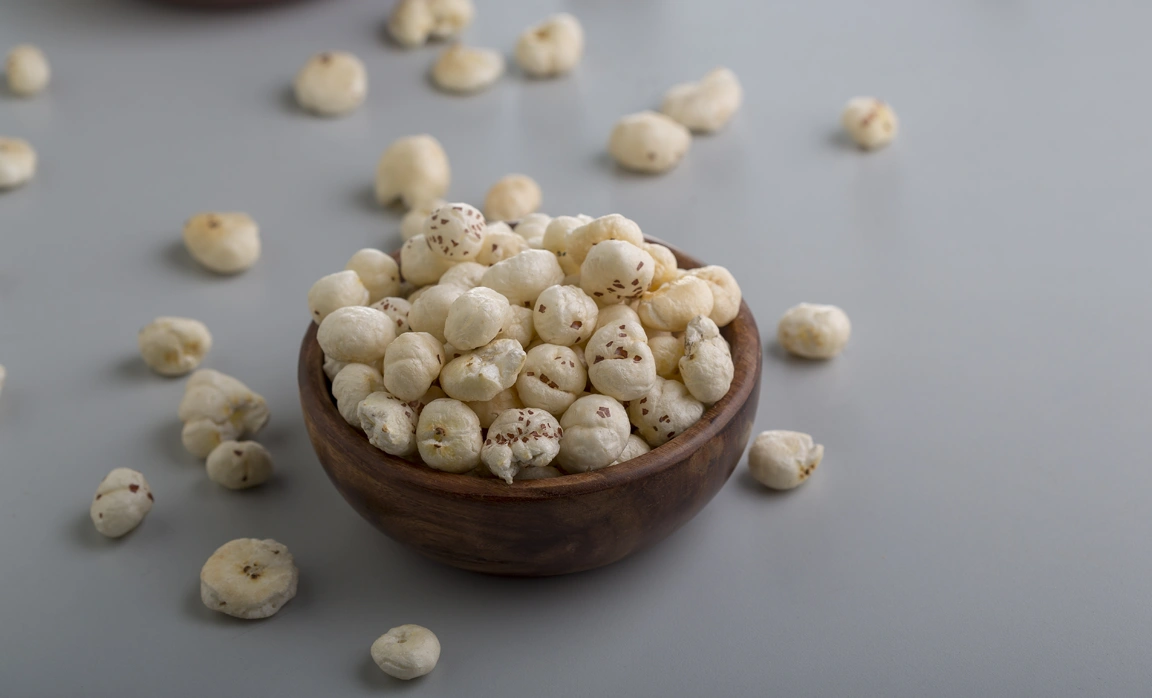
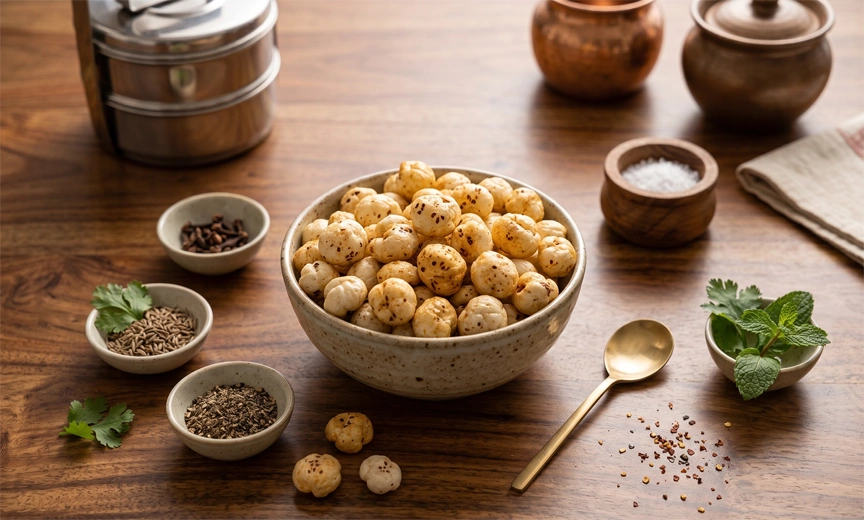
Makhana comes from the seeds of the lotus plant, mainly Nelumbo nucifera. The seeds are popped after processing, which gives them their airy, crunchy texture. In India, people often call them fox nuts, lotus seeds, or phool makhana. They are used in sweets, curries, snacks, and fasting foods.
Unlike many packaged snack foods, makhana is minimally processed when bought plain. That makes it appealing to people looking for a simple ingredient. Still, the benefits of makhana depend on how the seeds are prepared and eaten. A plain roasted bowl is very different from a ghee-heavy makhana mix with added sugar.
Why Makhana Became So Popular
Makhana moved from a traditional fasting food to a mainstream healthy snack because it checks several boxes: it is crunchy, easy to season, and markets well as a guilt-free food. That does not automatically make every claim true. However, it does explain why the benefits of makhana are now discussed so often in nutrition conversations.
Benefits of Makhana: The Nutritional Profile
To understand the benefits of makhana, start with the basics. Makhana is relatively low in calories compared with fried snacks. It contains carbohydrates, some protein, and very little fat when eaten plain. It also supplies small amounts of minerals such as calcium, magnesium, potassium, and phosphorus.
According to the National Center for Biotechnology Information, lotus seeds have been studied for their nutrient content and bioactive compounds. While exact values vary by variety and processing, the broad picture is clear: makhana is a light snack, not a protein powerhouse. That nuance matters when people discuss benefits of makhana for health or weight loss.
Typical Nutrition Snapshot
A standard serving of plain roasted makhana is usually modest in calories and fairly filling because of its volume and crunch. It can help replace chips or fried namkeen if you need a lighter option. The benefits of makhana come chiefly from this combination of low energy density and decent satiety, rather than from a large amount of macronutrients.
This table shows why the benefits of makhana are often practical rather than dramatic. It is a good snack, but it is still a snack.
Benefits of Makhana for Weight Management
One of the most common reasons people search for benefits of makhana is weight management. This claim is partly reasonable. Because makhana is airy, crunchy, and relatively low in calories when roasted plain, it can help reduce dependence on fried chips, sweets, and heavy evening snacks.
That said, weight management depends on total calories, satiety, and habit. A bowl of makhana may be better than a packet of fried snacks, but it can still contribute excess calories if portions get large or if the seeds are fried in generous amounts of ghee. So when people ask, is makhana good for weight management, the honest answer is: often yes, if used wisely.
How Makhana Can Help
It offers crunch without relying on deep frying.
It is easy to portion into a small bowl.
It can replace overeating at tea time.
It may improve snack satisfaction when combined with spices.
The benefits of makhana for weight management are strongest when you eat it plain or lightly roasted, not when it becomes a carrier for added fats and flavor coats.
Benefits of Makhana for Heart Health and Blood Pressure
Another often-mentioned area in the discussion of benefits of makhana is heart health. Here, the evidence is more cautious. Makhana itself is low in saturated fat and cholesterol-free, which is useful if it replaces fried snacks high in unhealthy fats. It also contains potassium and magnesium, two minerals that fit into heart-friendly eating patterns.
However, makhana is not a treatment for heart disease, and it does not act like a medicine. Its value is mostly dietary. The benefits of makhana for the heart are mainly indirect: it can support a better snack pattern when you choose it over a refined, salty alternative.
For a broader evidence-based nutrition perspective, trusted public-health guidance from the World Health Organization reminds us that overall dietary pattern matters more than any single food. That principle fits makhana perfectly.
Benefits of Makhana for Digestion and Gut Comfort
Some people include benefits of makhana among foods that feel easy on the stomach. This is understandable. Plain roasted makhana is light and not usually greasy, so many people tolerate it well. Its fiber content may help add bulk to the diet, which can support regular bowel habits when paired with enough water and other fiber-rich foods.
Still, makhana is not a cure for constipation or acid reflux. Digestive response depends on your overall diet, hydration, and sensitivity to seasoning. If heavily spiced or fried, the snack may become less comfortable. The best version of the benefits of makhana for digestion comes from simple preparation and controlled portions.
Practical Tip
If you have a sensitive stomach, try plain roasted makhana with a pinch of cumin or mild salt. Avoid making it too oily. That keeps the snack easier to digest while preserving the basic benefits of makhana.
Benefits of Makhana for Diabetics: What’s Reasonable?
People also ask about benefits of makhana for blood sugar management. The appeal is obvious: makhana is light, has a lower glycemic impact than many sugary snacks, and can be used as a replacement for refined options. But it is important not to overstate the case.
Makhana is still a carbohydrate-containing food. Portion size matters, and toppings matter even more. A sweetened makhana mix can raise blood sugar more than plain roasted makhana. So if your question is whether is makhana healthy for someone with diabetes, the answer is usually yes in moderation—especially when it replaces refined snack foods. But it should be part of a diabetes-friendly meal plan, not an unmeasured “free food.”
The benefits of makhana in this context are best understood as substitution benefits, not magical glucose-lowering effects.
What the Evidence Does Not Support
Good nutrition writing should be clear about limits. Some claims about benefits of makhana go too far. For example, makhana is sometimes promoted as a superfood that can improve fertility, reverse aging, or cure chronic disease. There is no strong evidence for those claims.
It is also inaccurate to describe makhana as a high-protein food. It is useful, but it is not comparable to paneer, eggs, lentils, soy, or Greek yogurt in protein density. That matters if you are relying on makhana to build meals. The honest version of the benefits of makhana is more modest and more believable: it is a better snack than many alternatives, but not a miracle ingredient.
If a claim sounds too broad, a healthy skepticism is wise. The best foods are usually the ones that fit into a balanced pattern, not the ones with the loudest labels.
How Much Makhana Can You Eat in a Day?
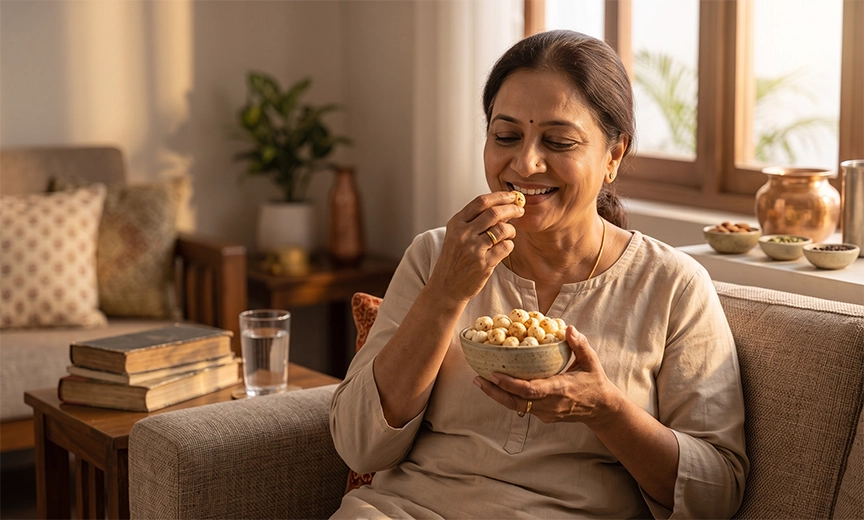
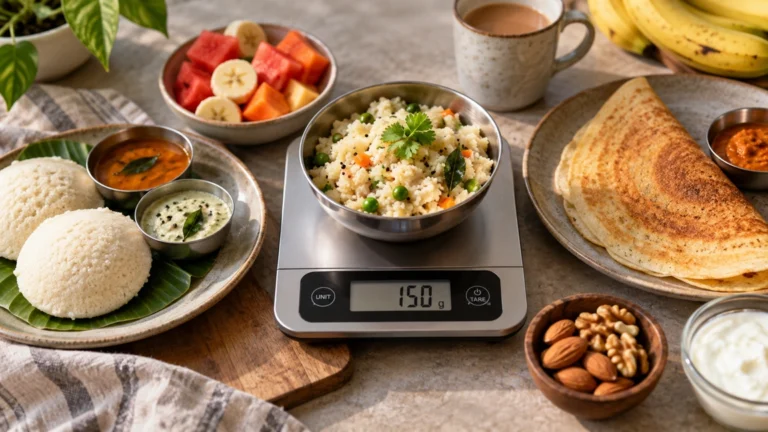
One practical question comes up again and again: how much makhana can you eat in a day? There is no universal rule, because total calorie needs, age, activity, and diet goals all matter. But a common everyday serving is around one small to medium bowl of plain roasted makhana.
For many adults, that may mean roughly 20 to 30 grams as a snack, though the exact amount varies with other foods eaten that day. If you are using makhana as an evening snack, that may be enough. If you are eating it as part of a fasting menu or mixed snack, adjust the rest of the meal accordingly. The main rule is that the benefits of makhana are strongest in reasonable portions.
Signs You May Be Eating Too Much
You keep adding ghee, butter, sugar, or salt.
You treat it like a bowl of chips and overeat mindlessly.
You use it to replace meals instead of snacks.
You notice bloating from excess volume or seasoning.
These signs do not mean makhana is bad. They simply mean the portion or preparation style is no longer supporting the benefits of makhana.
How to Eat Makhana in a Healthier Way
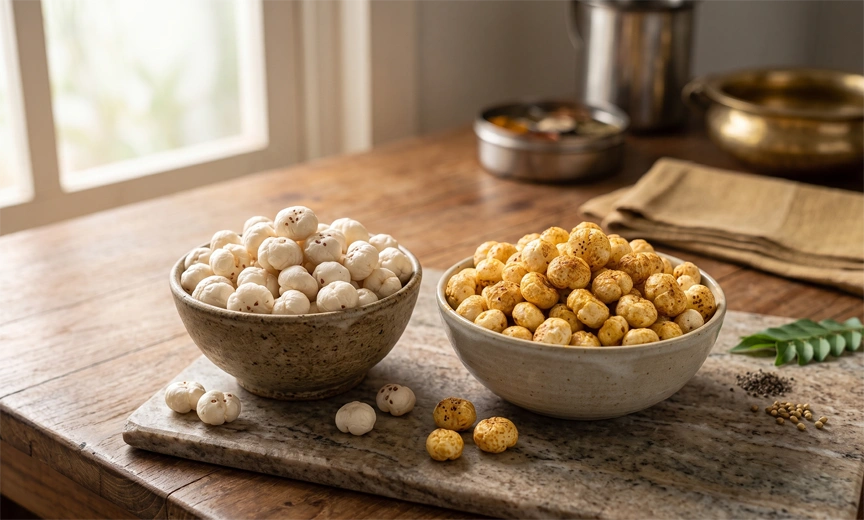
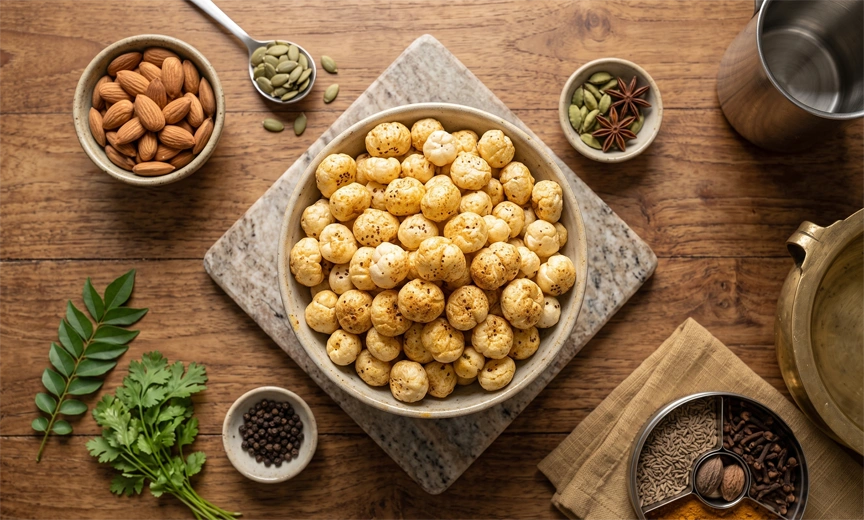
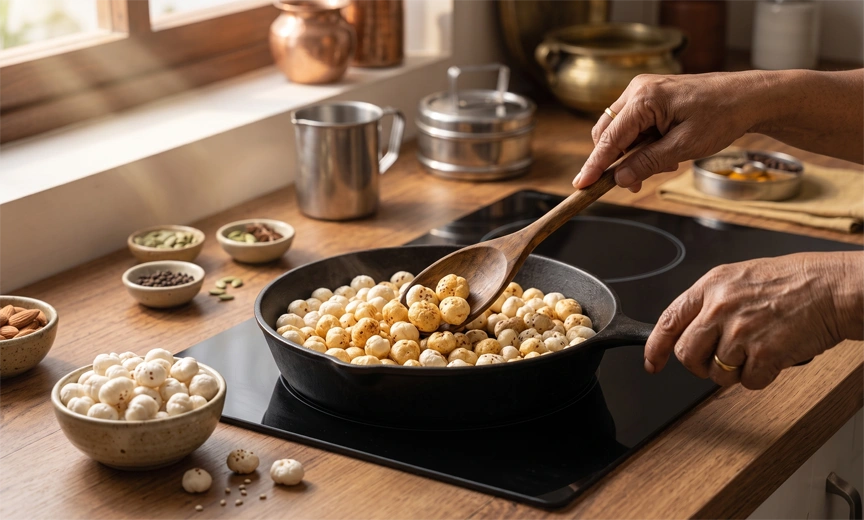
If you want the best version of the benefits of makhana, preparation matters more than brand claims. A dry roast in a pan or oven is often the simplest method. Add light spices after roasting. If you want flavor, use cumin, black pepper, turmeric, or a modest pinch of salt instead of heavy chutneys or sweet coatings.
Healthy ways to use makhana include:
Roasted as an evening snack
Mixed with peanuts and seeds for a higher-protein trail mix
Added to light curries or gravies
Used in kheer for festive occasions, but in controlled portions
These options preserve the benefits of makhana while avoiding the trap of turning it into a dessert or fried snack. If you like creamy flavors, use a small amount of roasted spices rather than lots of ghee.
Benefits of Makhana vs Other Popular Snacks
To judge benefits of makhana fairly, compare it with common snack choices. It is not better than every food in every context, but it often beats many processed alternatives on calories and fat. Here is a practical comparison.
Snack
Main strength
Main drawback
How makhana compares
Potato chips
Taste and crunch
High in fat and sodium
Makhana is usually lighter
Fried namkeen
Convenience and flavor
Often oil-heavy
Makhana can be a better daily option
Roasted peanuts
More protein
Calorie-dense
Makhana has fewer calories but less protein
Fruit
Vitamins and fiber
Less crunchy and less savory
Makhana is not a fruit substitute; both can fit together
This table shows the role of the benefits of makhana: it works well as a swap for high-fat snacks, not as a total replacement for all nutritious foods.
Makhana Benefits and Side Effects
Every food has trade-offs, and the same is true for makhana benefits and side effects. Makhana is generally safe for most people when eaten in normal food amounts. But side effects can happen if it is badly prepared or overeaten.
Possible issues include:
Excess sodium from heavily salted mixes
Extra calories from ghee-roasting or sugar coating
Digestive discomfort if large portions are eaten quickly
Choking risk if very dry and eaten carelessly by young children or older adults
These concerns do not cancel the benefits of makhana. They simply remind us that even healthy foods need context. If you have a medical condition, your best approach is to match portion and seasoning to your overall diet.
Expert Perspective: What Nutritionists Usually Emphasize
Nutrition experts usually focus less on hype and more on pattern. From that lens, the benefits of makhana are simple: it can be a gentle, low-oil snack that adds variety to your diet. It is especially useful for people who want something crunchy without deep frying.
Experts also caution against food hero worship. If you already eat enough legumes, fruits, vegetables, nuts, and whole grains, makhana is an optional addition, not an essential one. On the other hand, if your routine snack is fried or sugary, the benefits of makhana can show up quickly as a practical upgrade.
For further reading on dietary patterns and nutrition principles, university-based public-health resources such as Harvard T.H. Chan School of Public Health are useful for understanding how single foods fit into larger habits.
When Makhana Makes Sense—and When It Does Not
The smartest way to think about benefits of makhana is to ask where it fits. It makes sense when you need a light snack, a fasting food, or a replacement for fried munching. It makes less sense when you need a substantial protein source, a meal replacement, or a food that will make up for an overall poor diet.
If you want a simple decision rule, use this:
Choose makhana if you want light crunch and moderate fullness.
Choose a protein-rich food if you need satiety after exercise.
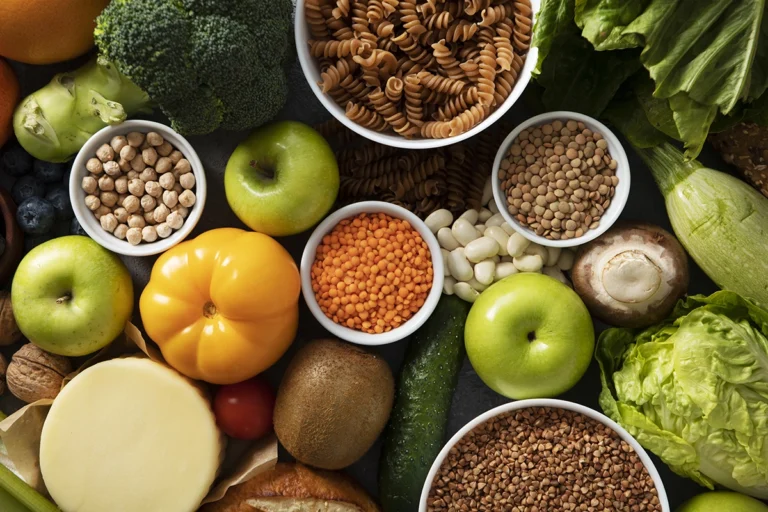
Choose fruit or vegetables if you want more fiber and micronutrient density.
Choose nuts or seeds if you want more fats and protein in a smaller portion.
This approach protects the real benefits of makhana while keeping expectations realistic.
Frequently Asked Questions
Is makhana healthy?
Yes, makhana can be healthy when eaten in plain or lightly roasted form and in sensible portions. It is low in fat, relatively low in calories, and can replace more processed snack options. The main reason people call it healthy is that it is simple and easy to fit into a balanced diet. Still, the health value depends on how it is prepared. A ghee-heavy or sugar-coated version is not the same as plain makhana.
What are the main benefits of makhana?
The main benefits of makhana are its light calorie load, crunchy texture, and versatility as a snack. It can help people reduce fried-snack intake, and it may support weight-conscious eating when portions are controlled. It also provides small amounts of minerals and some fiber. However, it should not be treated as a cure-all or a major protein source.
Are fox nuts and makhana the same thing?
Yes. Fox nuts is a common English term for makhana, and both refer to popped lotus seeds. In India, the term makhana is much more common. The name changes, but the food remains the same. The nutritional profile and the benefits of makhana are essentially those of popped lotus seeds.
Can makhana help with weight loss?
Makhana may support weight loss if it replaces higher-calorie, fried, or sugary snacks. It is not a weight-loss food by itself, but it can make a calorie-controlled eating plan easier to follow. Its crunch and volume may help with snack satisfaction. The main point is that the benefits of makhana for weight loss depend on preparation and serving size.
How much makhana can you eat in a day?
There is no single perfect number, but a small to medium bowl of plain roasted makhana is a reasonable daily portion for many adults. For some people, that may be around 20 to 30 grams. If you add ghee, salt, or other ingredients, the calorie count rises quickly. So the answer to how much makhana can you eat in a day depends on your full diet and goals.
Is makhana good for diabetics?
Makhana can be a useful snack for many people with diabetes when eaten in moderation and without sugary toppings. It is better than many refined snack foods, but it still contains carbohydrates. So it should be portioned carefully. The benefits of makhana for diabetics are mostly about choosing a better snack, not lowering blood sugar directly.
Does makhana have protein?
Yes, makhana does contain protein, but not in very large amounts. It has more protein than some snack foods, yet much less than eggs, legumes, fish, paneer, or soy products. If you want to use benefits of makhana for satiety, it works better when combined with nuts or other protein-rich foods.
Are there side effects of eating makhana daily?
For most people, daily intake in normal amounts is fine. Problems usually come from overeating or from unhealthy preparation methods. Too much salt, sugar, or ghee can reduce the health value. Some people may also feel bloated if they eat large volumes quickly. In short, the benefits of makhana remain strong when the snack stays simple and portioned.
Conclusion
The real benefits of makhana are practical, not magical. It is a light, crunchy, easy-to-use snack that can replace fried and heavily processed options. It may support weight management, simple snacking, and more balanced eating when you keep portions sensible and preparation plain. It is also versatile enough to fit fasting menus, tea-time snacks, and savory mixes.
At the same time, it is important to stay grounded. Makhana is not a superfood cure, not a major protein source, and not a substitute for an overall healthy diet. The best use of benefits of makhana is to treat it as one useful food in a larger pattern of good eating. If you keep that perspective, makhana can earn its place in your kitchen without the hype. Simple foods often work best when you use them well.