Indian cooking offers plenty of ways to make a snack satisfying: toasted spices, a squeeze of lime, fresh coriander and contrasting textures. Exploring keto-friendly snacks does not mean losing those pleasures. It means looking more closely at the ingredients and the amount actually eaten.
This refreshed guide keeps the original article’s focus on familiar Indian flavours, paneer, cauliflower, nuts and creative cooking. It also makes an important distinction: a food can be nutritious without fitting a strict ketogenic eating plan, and a product labelled “keto” is not automatically a balanced choice. The suggestions below are adaptable food ideas, rather than laboratory-tested recipes or promises of weight loss.
A ketogenic diet restricts carbohydrate enough to encourage nutritional ketosis. It is more restrictive than simply cutting down on sweets or choosing a lighter evening snack. Whether a particular dish fits depends on its recipe, serving size and the rest of the day’s food. Calling a pakora “cauliflower-based” tells us little about how much flour coats it.
Indian meals often include rice, roti, pulses, potatoes or other carbohydrate sources. Removing several of these changes the whole meal pattern, not just the snack plate. Someone seeking better everyday eating may prefer a less restrictive approach. Someone following keto with professional support needs to assess snacks within that individual plan, rather than treating an internet list as a daily prescription.
What current research changes about the conversation
There is evidence of benefit in some settings. A randomised trial published online in December 2024 compared a healthy ketogenic diet with an energy-restricted diet in adults with obesity. At six months, average weight loss was greater in the ketogenic group: 7.8 kg versus 4.2 kg. That is a result from a particular dietary programme and population, not a forecast for everyone who changes their snacks.
The American Diabetes Association’s 2026 nutrition guidance recognises several eating patterns for diabetes management. It also discusses a 12-week trial in which a ketogenic pattern did not significantly improve HbA1c compared with a low-carbohydrate Mediterranean pattern and increased LDL cholesterol. Different comparisons can produce different findings. A short-term change in weight does not establish long-term superiority or cardiovascular safety.
For Indian readers, the ICMR–National Institute of Nutrition’s Dietary Guidelines for Indians 2024 provide broader context: food variety, appropriate quantities and attention to fat quality matter. These are general dietary guidelines, not an endorsement of keto. Their emphasis on nutritional quality is useful when deciding whether a snack is worth keeping.
Crafting Keto-Friendly Snacks with an Indian Twist
Start with a recognisable food rather than a complicated imitation of a favourite snack. Paneer with herbs, an egg with masala, or vegetables with an unsweetened dip can be easier to assess than a packaged replacement containing several flours and sweeteners. The aim is a snack you enjoy and understand, with a portion you can describe.
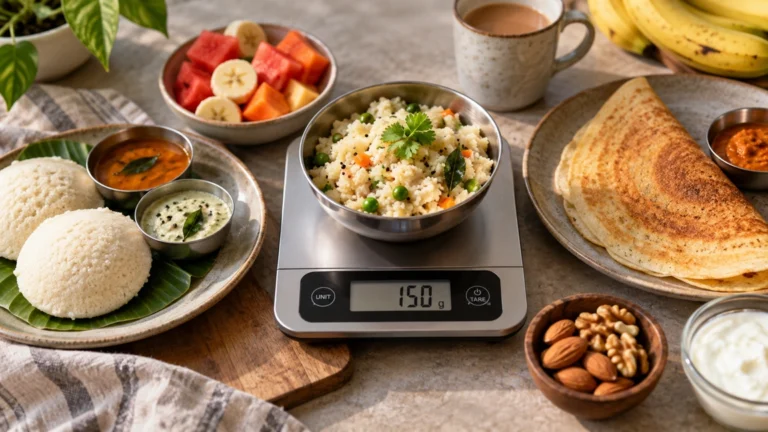
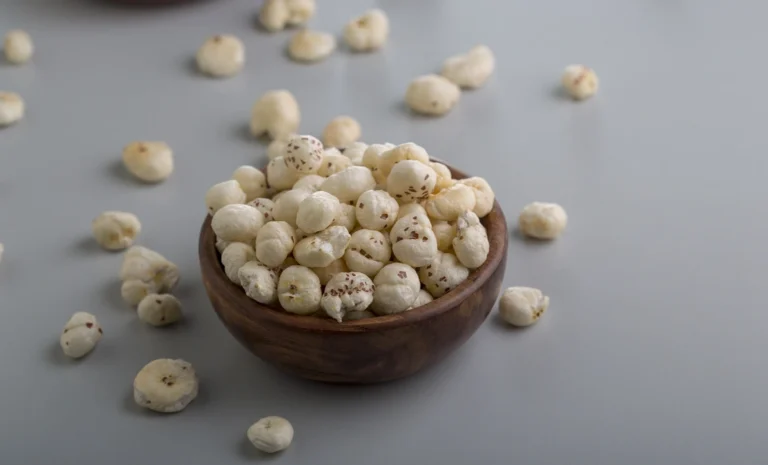
The original photographs remain part of this food story. They illustrate Indian snack styles and ingredients; they do not certify the carbohydrate content of the pictured dishes. A familiar-looking cutlet, fried snack or sprout preparation still needs its own ingredient and portion check.
Savouring the Essence of Traditional Ingredients
Nuts and seeds bring crunch, richness and useful variety to a snack. Try a small measured serving of unsweetened almonds, walnuts or peanuts, seasoned with roasted cumin and chilli. Check ready-made mixes for sugar coatings, raisins, fried cereal pieces and other additions. Different nuts have different compositions, so swapping equal-looking handfuls does not guarantee the same carbohydrate intake.
Portion the snack into a small bowl rather than eating directly from a large packet. Nuts are energy-dense, and adding several handfuls because they are “allowed” can work against the reason for changing the diet. A mixture of a few nuts with cucumber or another suitable vegetable can offer more variety than nuts alone. Consider allergies when preparing a shared plate.
Paneer: An Enigmatic Canvas for Creativity
Paneer is a familiar starting point for a vegetarian keto snack. For a straightforward version, coat cubes lightly with plain curd, ginger, cumin, coriander and chilli, then cook until heated through and lightly browned. This is a preparation idea, not a tested nutritional specification. Count the curd, vegetables and any other ingredients when assessing the finished portion.
Restaurant paneer tikka needs a little more investigation. Ask whether the marinade includes cornflour, a sweet sauce or a premixed coating. Paneer pakora and paneer tikka are different preparations; the shared paneer ingredient does not make their nutrition interchangeable. A mint chutney can also contain sugar or other additions, so ask rather than assume.
Paneer’s richness is part of its appeal, but a large portion with cream, butter and cheese is not automatically better. Keep the serving proportionate and include vegetables for contrast. Tofu may offer an alternative for someone who does not eat dairy; check the specific product and preparation instead of assuming a direct nutritional match.
The Versatility of Cauliflower
Cauliflower takes well to Indian spices and browning. Roast or sauté florets with turmeric, cumin and chilli, allowing the surfaces to colour without turning them into a heavily coated fried snack. Squeeze over lime just before serving. A little preparation makes the vegetable interesting without needing to disguise it as rice, bread or a samosa.
The distinction matters most with pakoras and cutlets. Besan, rice flour, cornflour, potato and breadcrumbs can materially change the carbohydrate content. An almond-flour substitution also needs checking: the quantity, other binders and serving size still count. Cauliflower is an ingredient, not a guarantee that every dish made from it fits keto.
Exploring the Spectrum of Spices
Spices are where much of the original article’s creative promise comes alive. Roast cumin before crushing it, temper mustard seeds and curry leaves, or finish a warm snack with fresh coriander. Ginger, garlic, chilli and a little acidity can build flavour without depending on a sweet bottled sauce.
Use turmeric and other spices for their culinary character rather than promising medicinal effects from a snack. Check packaged masalas and chutneys for their actual ingredients, particularly when a blend includes starch or sugar. Homemade versions make the recipe easier to understand, but homemade does not mean carbohydrate-free or unlimited.
A Symphony of Textures
Crunch and creaminess can make a modest serving feel complete. For crunch, consider lightly toasted seeds or nuts, or vegetables prepared without a flour coating. Fried cutlets deserve a closer look: the filling may contain potato and the exterior may include breadcrumbs. An air fryer changes the cooking method; it does not remove carbohydrate from the ingredients.
For a creamy contrast, try a modest portion of plain unsweetened curd with cucumber, mint and roasted cumin. Curd still contains carbohydrate, and sweetened or flavoured versions can differ considerably. Measure the amount used for a dip instead of treating the whole tub as one serving. A creamy accompaniment should complement the snack, rather than silently becoming most of it.
A Culinary Expedition through Flavor
Regional flavours can guide the choice without dictating a complicated recipe. Curry leaves and mustard seeds suit a vegetable sauté; ginger and coriander work with paneer; pepper and lime can lift an egg or fish preparation. Keep these as flavour directions rather than claiming that an entire regional cuisine is naturally ketogenic.
For people who eat eggs, a plainly prepared boiled egg with spices is easier to assess than a filled sandwich or a breaded egg snack. For fish or chicken, ask about coatings and sauces. Tandoori-style or simply grilled food may be easier to evaluate than battered food, but the name alone does not reveal the marinade. Vegetarian and non-vegetarian options both benefit from the same ingredient-first approach.
Innovation and Tradition are intertwined.
Adaptation works best when it respects what the original dish contains. Sprouts, chana, dal, poha and makhana should not be dismissed as “bad” foods, but neither should they be described as automatically suitable for a strict keto plan. Their role depends on the amount and the person’s carbohydrate allowance. A sprout chaat can remain a good ordinary snack even when it does not fit a ketogenic pattern.
Sambar deserves the same care. Its vegetables, dal quantity and portion vary between households and restaurants. Calling it a keto snack without checking the recipe is too broad. If a favourite preparation no longer fits the plan, choose a different snack or discuss a more flexible eating pattern instead of forcing a misleading label onto it.
Reading a snack packet in 2026
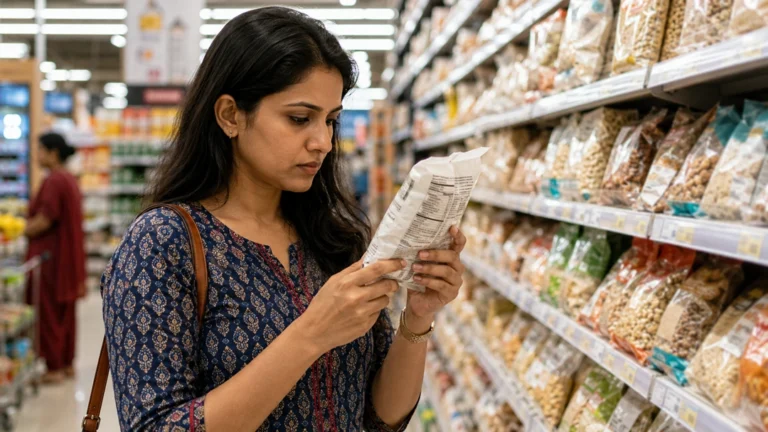
The front of a packet tells a marketing story; the ingredient list and nutrition panel provide the details needed to assess it. Look at carbohydrate as well as sugars, then check the serving basis. “No added sugar” does not tell you the amount of carbohydrate contributed by flour, starch or the other ingredients.
FSSAI’s Eat Right India label guide explains why the reference quantity matters: a packet may contain more than one serving. Compare products on the same basis, then calculate the quantity you will actually eat. Do not compare one brand’s tiny suggested serving with another brand’s values per 100 g.
For a hypothetical example, a label showing 12 g carbohydrate per 100 g would provide 3.6 g in a 30 g portion. Eating 60 g would double that to 7.2 g. These numbers illustrate arithmetic only; they are not nutrition values for any recipe or photograph in this article.
Be cautious with a large “net carbs” claim when the calculation is not explained. Fibre and sweetener calculations can differ between labels and databases. Ask the manufacturer for clarification rather than subtracting ingredients by guesswork. Also consider saturated fat, sodium, overall energy and whether the product offers useful nourishment beyond meeting a carbohydrate target.
Making the snack practical at home and outside
A manageable routine begins before hunger becomes urgent. Keep two or three realistic choices available: a measured nut portion, ingredients for a fresh vegetable dip, and a protein food you already enjoy. Rotate flavours rather than buying numerous specialist keto products. Local ingredients can be more practical than expensive replacement flours, but suitability still depends on the recipe.
At a café or restaurant, ask one concrete question at a time: Is the snack breaded? Is flour used in the coating? Is the chutney sweetened? Can the sauce be served separately? If the staff cannot confirm the ingredients, acknowledge that uncertainty. A menu label is not a nutritional analysis, and the same dish name can mean different recipes in different kitchens.
Think about the complete occasion, too. Unsweetened tea alongside a carefully chosen snack is different from adding sweetened chai and biscuits. You do not need to eat a snack simply because it appears on a diet list; use hunger, meal timing and your individual plan to decide whether one is useful.
Balancing Tradition and Health
The broader goal should be an eating pattern that is nutritionally adequate, enjoyable and manageable. A succession of cheese, butter and packaged keto treats can crowd out variety. Revisit the whole day’s vegetables, protein sources and other foods with a qualified dietitian rather than judging success by whether a single snack seems low in carbohydrate.
Medication makes this more than a food preference for some readers. The ADA’s 2026 guidance warns about diabetic ketoacidosis when SGLT2 inhibitors are combined with very-low-carbohydrate or ketogenic patterns. Its hypoglycaemia guidance also identifies insulin and certain other glucose-lowering medicines as risk factors for low blood glucose. Discuss a major carbohydrate reduction with your diabetes care team before starting; do not adjust medication from a snack article.
For more context on the local eating pattern, see PicknStory’s discussion of keto in India and its practical challenges. Treat related reading as context rather than a substitute for the current clinical guidance linked above.
Conclusion: keep the flavour, check the details
Indian flavours give keto snack ideas plenty of room for creativity, but the useful work happens in the details: a clear recipe, an honest portion, a checked label and attention to the overall diet. Paneer, cauliflower, nuts, eggs and suitable vegetable preparations can offer starting points. None becomes an unlimited or universally healthy food simply because it fits a carbohydrate allowance.
Choose adaptations you would enjoy eating, keep the vegetables and spices interesting, and leave room to reconsider whether strict keto serves your needs. The 2026 update is an invitation to make better-informed choices, rather than a promise that one style of snacking is right for everyone.
Frequently Asked Questions (FAQs)
Are Indian snacks automatically keto-friendly if they contain paneer or cauliflower?
No. Flour coatings, potato fillings, sweetened sauces and serving sizes can change the result. Assess the complete recipe, including the dip, rather than deciding from the main ingredient.
Can I eat besan pakora, sprouts or roasted chana on keto?
These foods contribute carbohydrate. Whether a particular portion fits depends on the recipe and your individual plan. They can be worthwhile foods in other eating patterns without qualifying as unrestricted ketogenic snacks.
Does air-frying make a snack suitable for keto?
Air-frying changes how food is cooked. It does not remove the carbohydrate in breadcrumbs, flour or potato. Check the ingredients before deciding whether the finished snack fits.
Is a packaged keto snack better than a homemade one?
Neither label guarantees quality. Compare the ingredients, carbohydrate per actual serving, saturated fat, sodium and price. A simple homemade option may be easier to understand, but its ingredients and quantities still matter.
Should everyone use keto snacks to lose weight?
No. Research findings concern particular people and complete dietary programmes, not a universal effect of individual snacks. A less restrictive, balanced eating pattern may be more suitable, and medication or medical conditions can make professional guidance particularly important.
Do these photographs and ideas include verified carbohydrate counts?
No. The original photographs are retained as food illustrations. These are preparation ideas, not standardised recipes with measured yields and verified nutrition analyses. Use an exact recipe and reliable ingredient data or product labels when a precise carbohydrate count is needed.