The best time to visit Leh Ladakh depends on the journey you want. For a first visit that combines Leh, monasteries, mountain roads and lakes, the warmer months are the practical starting point. June to September is a useful planning window, subject to the roads and weather for your particular route. Early autumn appeals to photographers looking for changing colours; winter suits travellers who deliberately choose cold, limited services and a more demanding itinerary. No month guarantees every experience.
Think of Ladakh as several journeys rather than one climate. A comfortable afternoon in Leh tells you little about a night beside a high-altitude lake or a snowbound pass. Choose your season by three questions: how will you arrive, where will you sleep, and what is the one experience you most want? The seasonal comparison below keeps the original article’s focus on landscapes, culture and photography while making those trade-offs clearer.
Summer: A Vibrant Wonderland
The Best Time to Visit Leh Ladakh: Summer Splendors
Summer offers the broadest scope for a mixed itinerary, but late April is not interchangeable with June. An early-season flight into Leh and a road trip across the Himalayas have different constraints. If the overland journey matters as much as the destination, wait for confirmation that your entire route is open. Use the calendar to shortlist dates, then let current conditions decide the final plan.
Ideal Weather:
Warmer days make sightseeing easier, but pack for cold evenings and exposed stops. Layers are more useful than relying on a single advertised temperature range: bring sun protection, a wind-resistant outer layer and warm clothing for your highest overnight stay. Ask your accommodation about conditions at the time you intend to travel rather than treating the weather in Leh as representative of all Ladakh.
Accessible Roads:
The Leh district administration’s road-access guide describes seasonal access, with Manali–Leh generally operating from May or June to September or October. These are broad windows, not opening promises. Confirm both approach highways and the local roads to your destinations shortly before departure. A pass being open does not mean every vehicle can travel at every hour, or that tomorrow’s conditions will match today’s.
Vibrant Landscapes:
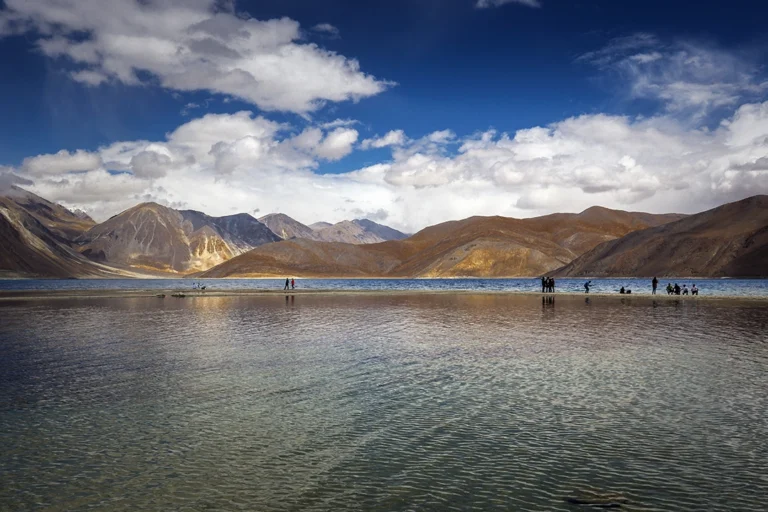
Summer brings colour to cultivated valley settlements against Ladakh’s bare mountain slopes. That contrast is part of the appeal: the region should not be imagined as uniformly lush. At Pangong, give yourself time to watch the water change with the light rather than judging the visit by a single photograph. Keep lakeshore stops flexible enough to respond to wind, weather and your own comfort.
Cultural Experiences:
Monastery festivals can give a summer itinerary a cultural focus. Consult the district festival calendar and confirm the actual dates for your year before booking around Hemis or another event. Treat ceremonies as religious occasions: ask before photographing people, follow local directions and leave room for worshippers. A festival day may require more patience and different transport arrangements than an ordinary monastery visit.
Adventure Awaits:
Trekking and rafting deserve their own planning rather than being added casually between long drives. Ask a qualified local operator which route or river section is appropriate for your dates, experience and acclimatisation. An available departure is not proof that an activity suits every member of your group. Keep a quieter alternative ready if weather or health makes the original plan unsuitable.
Wildlife Encounters:
Wildlife is a reason to slow down, not a guaranteed sighting list. Hemis National Park supports species including snow leopards and bharal, but their presence does not make a summer sighting predictable. If one species is your main purpose, plan a specialist trip with a knowledgeable guide. Watch from a distance and never feed or pursue animals to improve a photograph.
Photography Paradise:
For photographers, summer’s attraction is the variety of subjects available on one journey: roads, villages, monasteries and lakes. Build time around a few locations rather than racing between viewpoints. Plan roadside stops with your driver, keep equipment protected from dust, and avoid standing in traffic for a composition. Your best opportunity may be a change in light at a familiar place rather than an extra destination.
For a first trip combining monasteries, lakes and an overland journey, summer is usually the best time to visit Leh Ladakh, once your route is confirmed open. It is a sensible starting point for a first trip, but the strongest itinerary still leaves spare time. A road closure, an extra rest day or a change of accommodation should be manageable without causing the entire journey to unravel.
Autumn: A Tranquil Retreat
The Best Time to Visit Leh Ladakh: The Tranquility of Autumn
For photographers who value changing valley colours and a slower itinerary, early autumn may be the best time to visit Leh Ladakh. September and October should not be treated as identical: later travel brings a greater need to confirm roads, overnight services and weather. If you want an autumn visit with a wide-ranging circuit, discuss the exact dates and route with local providers before committing to non-refundable bookings.
Pleasant Weather:
An autumn afternoon can invite you to stay outdoors while the evening calls for substantial warm clothing. Plan for the contrast rather than choosing dates from a daytime average. Before reserving a lake stay, ask about heating, bedding, running water and food service. Those details can matter more to your enjoyment than a small difference in the headline room price.
Tranquility:
The quieter atmosphere described in the original article is an attraction, but solitude cannot be promised at a particular viewpoint. Choose a slower pace and fewer overnight moves if you want time to notice village life and the landscape. Confirm that the properties you need remain open; reduced activity can also mean fewer services and less room to improvise.
Captivating Landscapes:
Autumn’s photographic appeal lies in contrasts: changing trees, pale mountains, deep shadows and the water at Pangong or Tso Moriri. Colour depends on location and timing, so avoid building a trip around a guaranteed week of peak foliage. Leave room to spend longer where the conditions are interesting rather than forcing every location into a fixed visual expectation.
Photography Delight:
Shortlist the light you want as carefully as the places you want. A dawn lakeshore session calls for different clothing and transport arrangements from an afternoon village walk. Ask about access and local restrictions, and agree a safe meeting point with your driver. If the weather removes the distant view, look for smaller subjects instead of pushing further simply to rescue a planned shot.
Tranquil Atmosphere:
An autumn trip works best when quietness is a choice you have prepared for. Confirm meals and transport in advance for remote stays, and carry the supplies recommended by your host or operator. Keep a spare day before an important departure. Fewer bookings in a village do not necessarily mean every facility will be available on demand.
Clear Views and Stargazing:
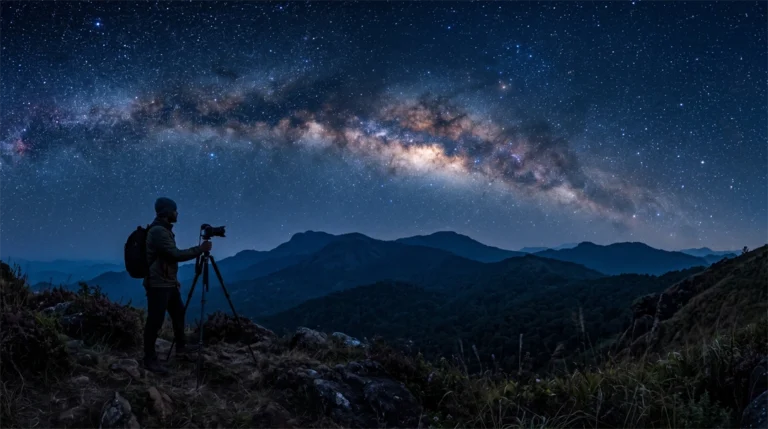
Stargazing is another reason to leave breathing space in the itinerary. Darkness alone does not guarantee the sky you want: cloud, moonlight and local lighting affect the experience. Check the moon phase for your dates and arrange a nearby observing spot with your host. Avoid driving farther into an unfamiliar remote area at night simply because the sky looks clearer in that direction.
The Spiritual Connection
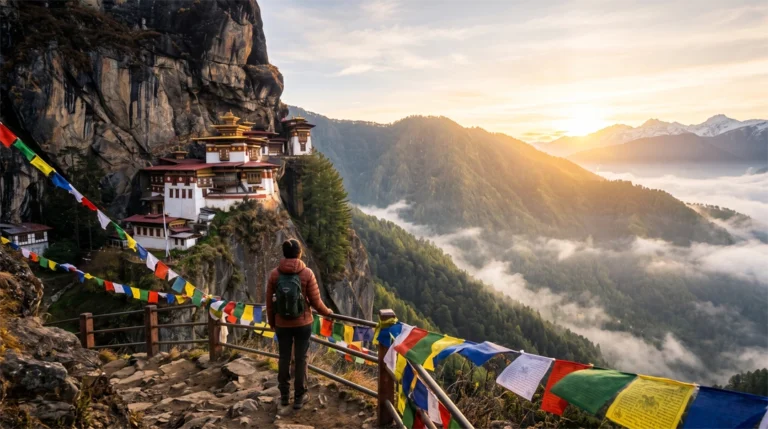
Monasteries remain places of living practice in every season. Visit with curiosity rather than assuming a quiet courtyard gives unrestricted access to rituals or private spaces. Ask about opening arrangements and photography, dress respectfully and accept a closed room without pressing for entry. The cultural experience is richer when the schedule allows time to listen as well as look.
Winter: A Magical Wonderland
The Best Time to Visit Leh Ladakh: Winter Magic
Winter in Ladakh offers a very different relationship with the landscape. Choose it for that difference, rather than expecting a summer circuit at a lower price. The official tourism advisory warns of severe cold and limited medical infrastructure in remote areas. Confirm winter-ready accommodation, transfers and contingency arrangements before booking. Leave time for disrupted journeys and do not assume a photograph of snow describes conditions everywhere.
Frozen landscapes can be compelling subjects, but ice is scenery rather than an invitation to walk or drive onto a lake. Follow local restrictions and your guide’s instructions. Snow cover varies, and a winter visit does not guarantee every valley will match a particular image. Keep the day’s ambitions modest enough to return safely when cold or conditions change.
The Chadar Trek
The Chadar Trek requires a separate decision from an ordinary winter holiday. A January 2024 administration notice documented unstable ice and the possibility of stopping access; it is evidence of the hazard, not confirmation of a current opening. Verify the applicable season’s official arrangements, medical requirements and operator credentials. Do not book on the assumption that winter alone makes the river safe.
Before choosing your dates
Spring can appeal to travellers who are content with a more limited plan. Do not treat an April or May booking as assurance that a full road circuit will be possible. Ask which places can realistically be reached, what remains closed, and whether your accommodation has the services you need. A flight-based visit with local plans is a different proposition from an early-season motorcycle expedition.
For July or August travel, assess the approach route as well as Ladakh itself. A broad description of the region’s climate cannot establish the safety of a particular Himalayan road. Check the forecast, traffic notices and your driver’s advice near departure. Keep bookings flexible where possible and avoid arranging a critical connection immediately after a long overland transfer.
Allow time to acclimatise
The Leh administration requires at least 48 hours of acclimatisation before visitors proceed to higher areas such as Khardung La and Pangong. Put that time into the itinerary before choosing excursions. Rest is part of the trip rather than spare time to fill with strenuous sightseeing. Seek medical advice before travel if you have health concerns, and obtain medical help promptly if you feel unwell at altitude.
For a short holiday, reduce the number of destinations before reducing this initial rest period. A trip with two carefully chosen bases can offer more usable time than a string of long transfers. Ask your operator to show overnight locations and driving days clearly, and make sure the plan allows changes if someone needs further rest.
Check logistics before paying
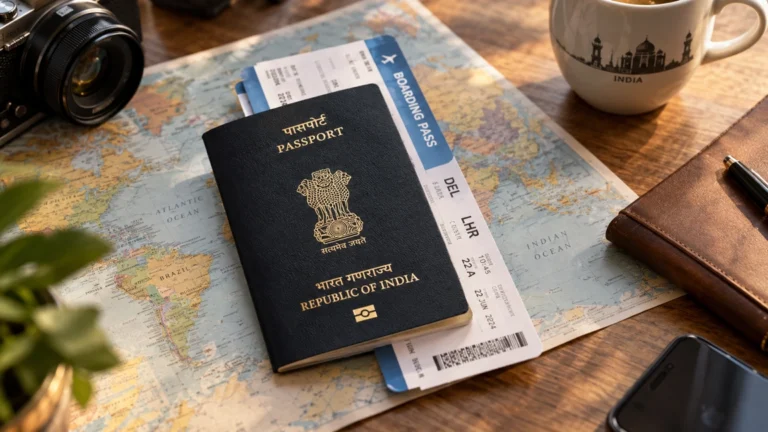
Confirm route-specific entry requirements, fees and permissions with the relevant authorities or a qualified local operator for your nationality and itinerary. Rules can differ by destination and change over time. Carry the documents currently required and avoid assuming that a hotel reservation grants access to every border-area route. This guide does not certify any individual traveller’s permit eligibility.
Ask accommodation providers specific questions: is the property operating on your dates, what heating and water arrangements are available, and what happens if a road closure prevents arrival? For a winter or shoulder-season stay, request clear answers before paying. Compare cancellation terms and the cost of necessary transfers alongside the room rate.
Keep insurance and emergency arrangements appropriate to the activities and altitude you actually plan. Ask the operator how changes, illness and evacuation would be handled. Save important contacts offline and share your route with someone you trust. A shorter itinerary with realistic support is preferable to a longer list of places whose logistics remain uncertain.
For photography, protect the place as well as the image. Use established access, avoid disturbing wildlife or entering private land without permission, and take waste back to suitable disposal points. Ask before photographing people closely. The original photographs in this article remain part of the author’s visual account; they are not guarantees of the weather or access conditions on a future visit.
Planning sources and review date
Travel guidance checked on 28 October 2026 using the official sources linked above. Seasonal windows are planning guidance, not live road-status reports. Recheck access, forecasts, event dates and activity permissions for your actual departure. For a deeper winter perspective, read PicknStory’s Ladakh in winter article; this guide focuses on choosing between seasons.
Frequently asked questions
What is the best time to visit Leh Ladakh for a first trip?
June to September is a useful starting window for a first visit combining Leh, monasteries, lakes and mountain roads. Choose your exact dates around confirmed access and the places where you intend to stay. A seasonal window is not a guarantee that every route or activity will be available.
Can I visit Ladakh in April or May?
Yes, but plan around the access and services actually available. Flying into Leh is different from completing an overland circuit. Before booking, confirm your approach route, local excursions and accommodation; do not assume an April or May trip offers the same flexibility as a later summer visit.
Is September or October better for an autumn photography trip?
Consider September first if you want an autumn visit with a wider-ranging itinerary. October requires closer checks on cold-weather arrangements, road access and accommodation. Neither month guarantees peak foliage, clear skies or solitude. Choose dates with local advice and allow time to respond to the light and weather.
Are the Manali–Leh and Srinagar–Leh roads open throughout the year?
Do not plan on year-round access. These approach routes are affected by seasonal conditions, and opening dates vary. Check official road notices and local transport advice close to departure. Confirmation that one highway is open does not establish the condition of the other or of roads to the lakes.
Is winter suitable for a first visit to Ladakh?
Winter can suit a first-time visitor who deliberately wants a cold-season experience and arranges suitable accommodation, transport and contingency time. It is a more demanding choice than a mixed summer itinerary. Keep plans flexible, confirm available services and treat activities such as the Chadar Trek as separate specialist decisions.
Which season should I choose for Pangong Lake or Tso Moriri?
For a broader first-trip circuit, begin by considering the warmer travel window and then confirm access and overnight services for each lake. Choose winter only with appropriate local arrangements and realistic expectations. Conditions in Leh do not describe conditions at a higher lake, and frozen scenery is not permission to walk or drive onto ice.
Conclusion
The best time to visit Leh Ladakh is the season that fits your main priority, with roads, overnight stops and activity arrangements checked for your dates. Summer is the broadest starting point for a mixed first visit; autumn rewards travellers who prepare for changing conditions; winter needs a deliberate specialist plan. The best season is the one whose compromises you understand before departure.