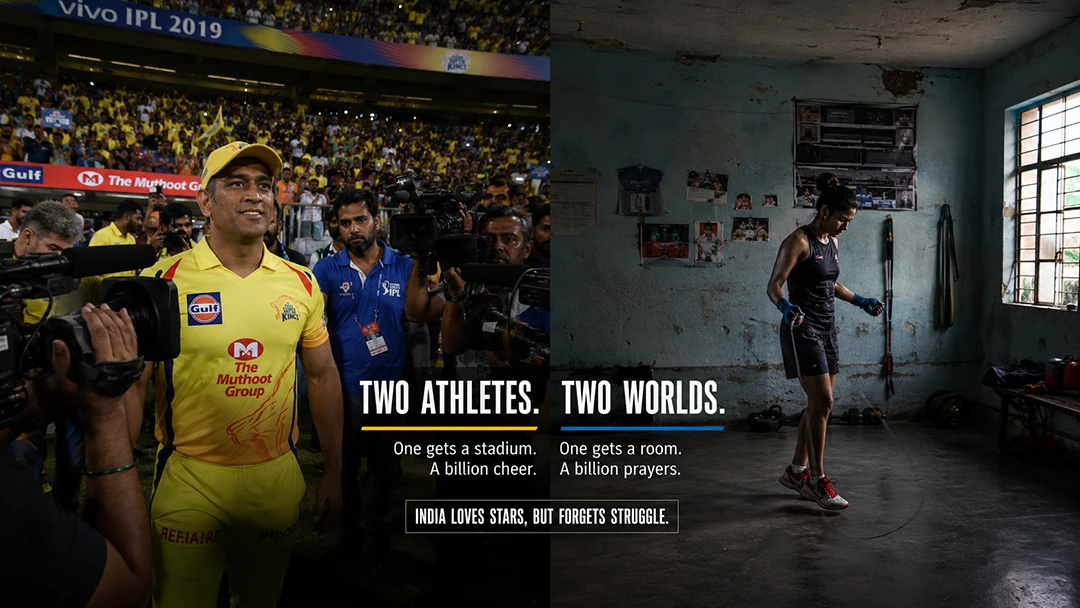
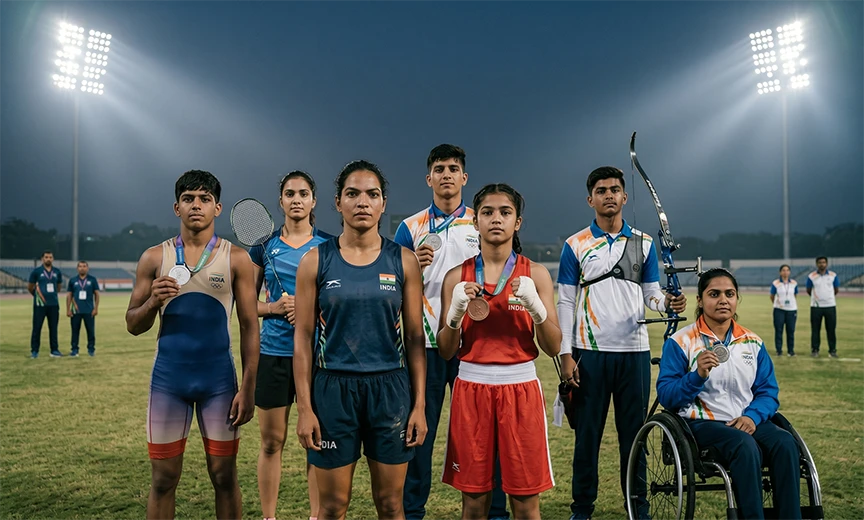
In India, cricket vs other sports in India is not just a debate about preference; it is a window into how attention, money, and status are distributed across our sporting culture. Cricket fills stadiums, headlines, and television screens, while many Olympians, para-athletes, wrestlers, boxers, shooters, and hockey players rise through far tougher conditions with far less visibility. The result is a sports ecosystem where talent often survives on grit, family sacrifice, and occasional bursts of support rather than a steady system of recognition.
This article looks beyond outrage and asks a practical question: what does cricket dominance in India mean for athletes in non cricket sports in India, and what would change if support for Indian athletes became more balanced? From media coverage and sponsorships to sports infrastructure in India and public memory, the contrast reveals why many champions still struggle for the respect they deserve.
For readers who care about Indian sports culture, this is not about reducing cricket. It is about understanding why Indian athletes recognition remains uneven and how neglected sports in India can still be rebuilt with better choices from fans, brands, schools, and policymakers.
Cricket vs other sports in India: Why the gap feels so wide
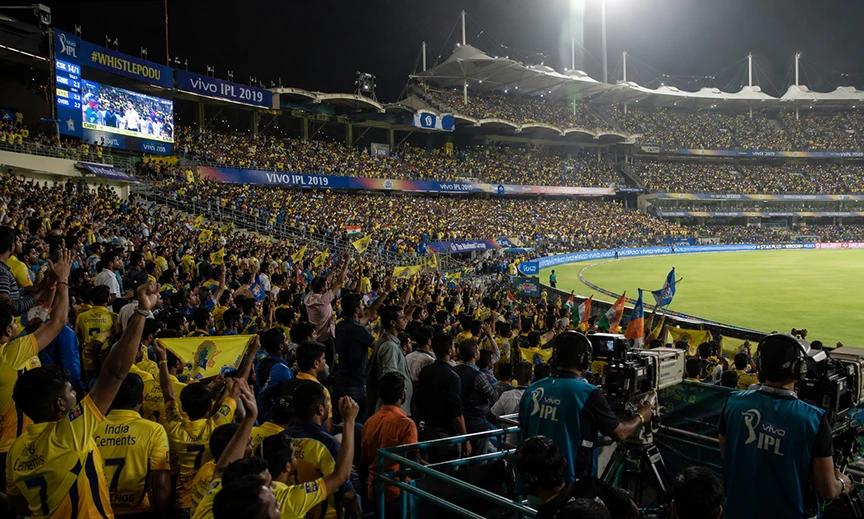
The most obvious answer is visibility. Cricket is woven into everyday life in a way few other sports are. International matches become national events, domestic leagues attract prime-time attention, and even a player’s personal story can become a public conversation. In contrast, many Olympic sports India fans support only during major events like the Olympics, Asian Games, or Commonwealth Games.
This gap is not simply emotional. It shapes career pathways. A young cricketer may find academies, coaching, brand interest, and local community validation early in life. A young shooter or boxer often faces uncertainty for years before recognition arrives—if it arrives at all. That is the core of cricket vs other sports in India: one sport is celebrated as a cultural habit, while others are treated as seasonal inspiration.
There are pros to cricket’s popularity. It creates aspirational icons, commercial growth, and mass participation. But there are cons too: excessive focus narrows public imagination about what excellence looks like. When success is measured only by cricket, many gifted athletes in other sports remain invisible until they win a medal and briefly interrupt the national attention cycle. If India wants a healthier sports identity, the first step is accepting that cricket vs other sports in India is not a trivial argument—it is a structural issue.
How cricket dominance in India shapes money, media, and prestige
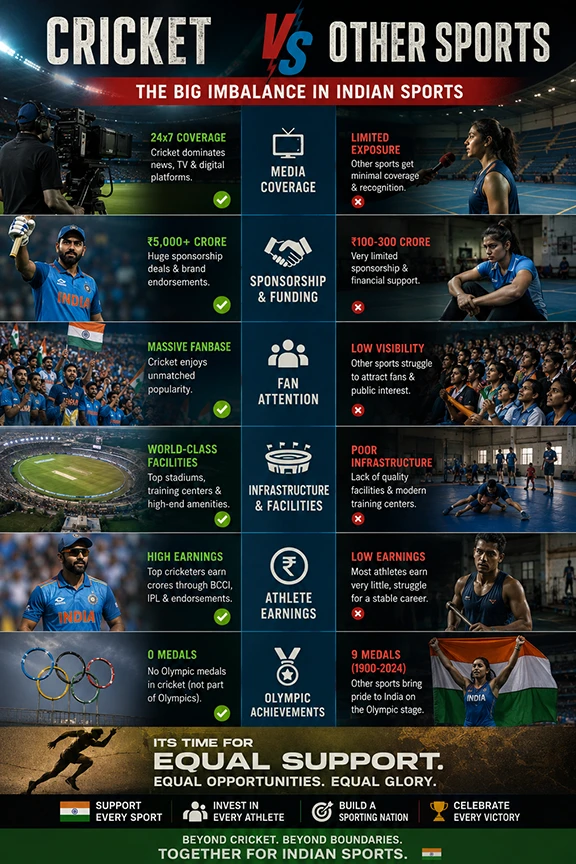
Cricket’s dominance affects three channels that matter most for athletes: media coverage, sponsorship, and social status. Once a sport dominates television ratings and digital clicks, brands follow the audience, and brands follow tradition. This creates a self-reinforcing loop where cricket gets more coverage because it is watched, and it is watched because it is constantly covered.
For non-cricket athletes, that loop is much harder to break. A wrestler may become a national hero after an Olympic medal, but outside that moment, the coverage often disappears. A badminton player can be world-class for years and still receive less attention than a single cricket match. This imbalance affects everything from endorsement deals to post-retirement security.
It also changes prestige. In many Indian households, a son or daughter who becomes a cricketer is seen as entering a dream profession. A student who chooses archery, fencing, or weightlifting is more likely to face questions about stability. That is where cricket vs other sports in India becomes cultural, not just commercial. The sport you choose can influence how your ambition is interpreted by relatives, teachers, and employers.
Practical takeaway: if brands, broadcasters, and public institutions want more balanced sports growth, they must support non-cricket sports consistently, not only after medals. Otherwise, the cycle will keep rewarding what is already visible.
Indian athletes recognition and the cost of invisibility
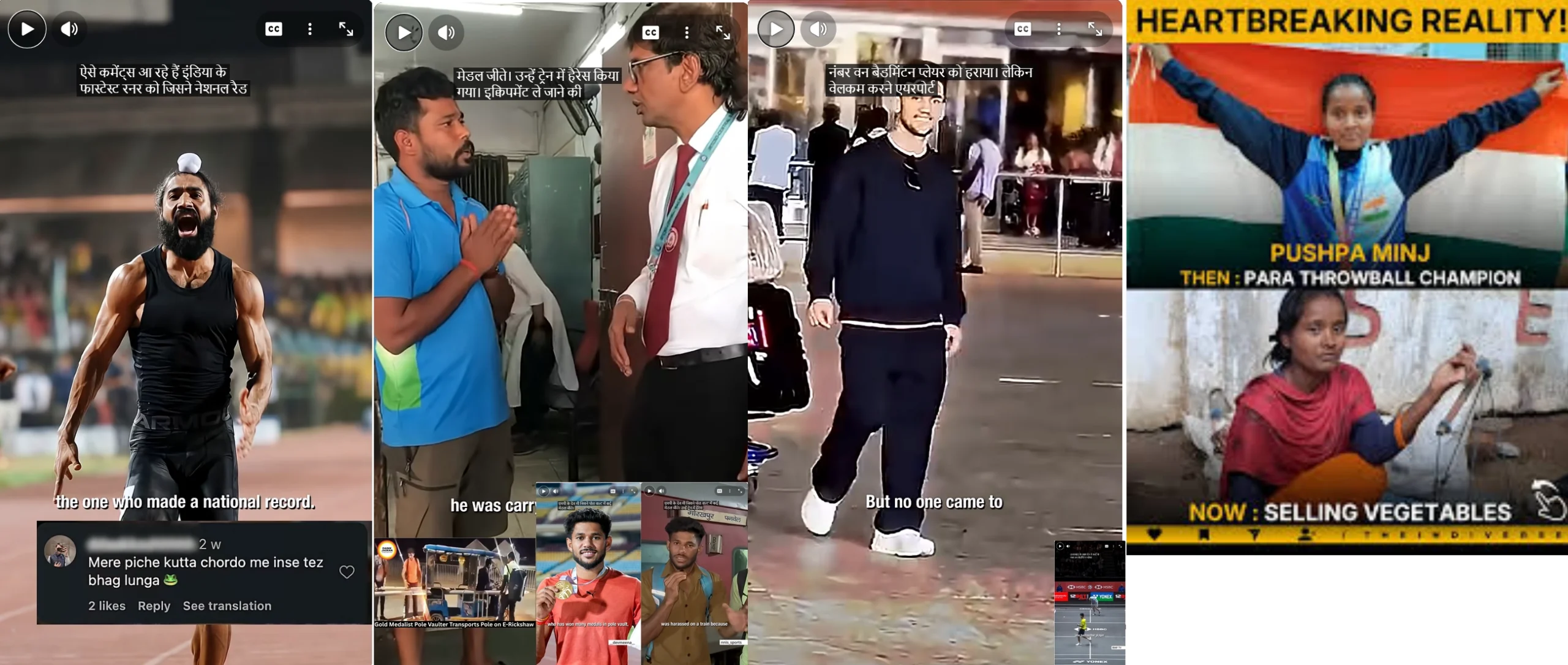
Recognition is not a vanity issue. For athletes, it affects motivation, sponsorship, opportunities, and even mental health. Indian athletes recognition often happens in spikes: one great performance, one viral clip, one medal ceremony, then silence. For many athletes, that silence is more damaging than the pressure of competition because it signals that public memory is short.
Consider the difference between a cricketer’s off-season and an athlete in an Olympic sport. A cricketer can still appear in ads, interviews, and commentary discussions. A shooter, gymnast, or cyclist may have to explain their sport repeatedly to acquaintances. This gap in social validation can make athletic careers feel fragile even when performance is exceptional.
There is also a class dimension. Many athletes in non cricket sports in India come from modest backgrounds and rely on scholarships, government jobs, or private sponsors. When recognition is delayed, the costs are borne by parents, siblings, and local coaches. This is one reason support for Indian athletes should be seen as an investment, not charity.
cricket vs other sports in India: Why recognition is uneven
In cricket vs other sports in India, recognition is uneven because cricket has built-in storytelling machinery. Every match has a narrative, every series becomes a chapter, and every player can be compared, praised, or criticized in real time. Other sports rarely receive that level of continuous narrative. Their athletes are often introduced to the public only when they win something.
That means the public knows the names of more cricket bench players than elite Olympians. It also means advertisers can justify huge investments in cricket while treating other sports as niche. To correct this imbalance, media houses, schools, and fan communities must intentionally amplify lesser-covered sports all year, not just during medal seasons.
An example is easy to see in school culture. Children often practice cricket in lanes and playgrounds because they can watch it constantly. If regional tournaments in athletics, wrestling, volleyball, and badminton received similar visibility, participation choices could widen. The practical lesson is simple: what society repeatedly shows children becomes what they believe is worth pursuing.
What is broken in sports infrastructure in India
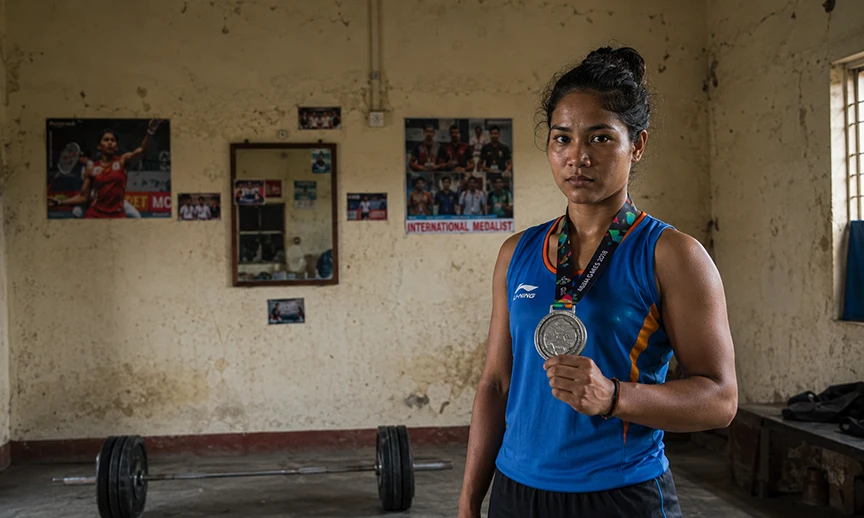
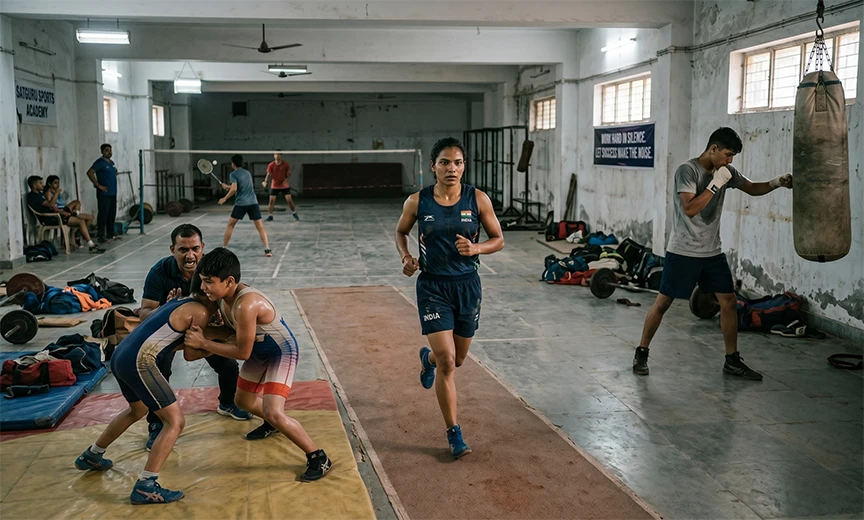
Popular attention is only one part of the problem. Sports infrastructure in India remains uneven, especially outside major cities. Many talented athletes train on irregular surfaces, with limited physio support, outdated equipment, unreliable travel funding, and few safe pathways for long-term development. This affects not just performance but confidence and injury recovery.
Good infrastructure is not only about stadiums. It also includes local coaching systems, nutrition support, sports science, recovery services, and competition calendars. Cricket benefits from private academies, commercial leagues, and extensive training pipelines. Many other disciplines depend heavily on patchy public infrastructure and the dedication of individual coaches.
There are, however, encouraging signs. National schemes, state academies, and targeted performance centers have improved opportunities in several sports. But progress is uneven and often concentrated around medal potential. That means athletes in non-cricket sports in India still face a development ladder that is harder to climb and easier to fall from.
Practical application: if a district wants stronger sporting outcomes, it should fund one good multipurpose training pathway instead of one grand event venue. Regular access beats symbolic construction. And when infrastructure improves, the gap in cricket vs other sports in India begins to narrow from the ground up.
Sports funding in India: Where the priorities go
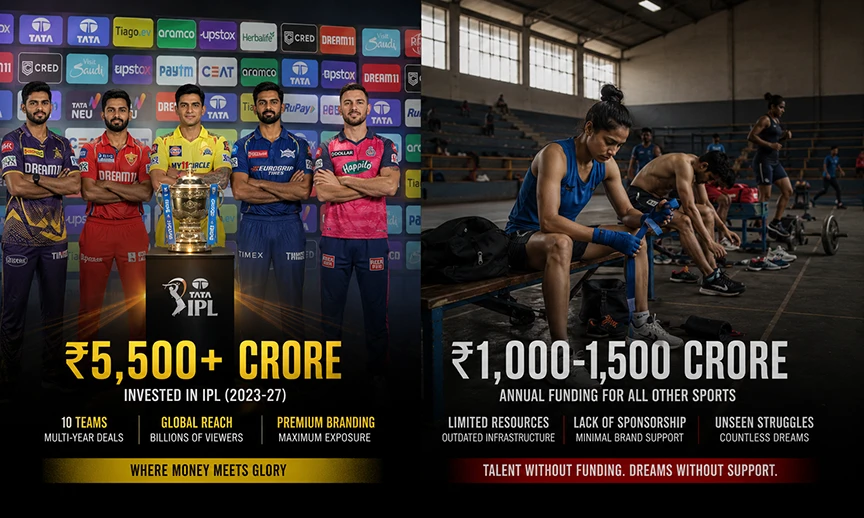
Sports funding in India often mirrors attention. High-visibility sports attract more private money, while Olympic disciplines rely on government programs, federations, and selective sponsorships. The challenge is not that cricket receives support; it is that too many other sports receive support only after they produce a breakthrough.
This reactive approach creates instability. Athletes train for years without certainty, while funding often depends on a recent medal, a social media trend, or a short-lived public craze. That is inefficient. A healthy sports economy should fund potential before fame arrives.
Research and policy data support the broader principle that sports participation and elite performance improve when infrastructure and access are sustained. The UNESCO sport policy framework highlights how sport development relies on organized systems, not isolated victories. Similarly, the Ministry of Youth Affairs and Sports outlines multiple programs aimed at athlete development, but implementation often varies by region and sport.
The practical takeaway is straightforward. Funding should not be treated like applause. It should be designed like a pipeline—predictable, multi-year, and linked to training milestones. That is the only way to make support for Indian athletes durable rather than decorative.
The media effect: Why some champions become household names and others do not
Media chooses who gets remembered. In India, cricket dominates television schedules, digital sports sections, and social chatter. This means a seasoned cricketer may become widely known even without a defining international title, while a world champion in a lesser-covered sport may remain unfamiliar to the average viewer.
This has consequences beyond fame. Media visibility influences school recognition, local pride, municipal honors, and brand interest. When kids see repeated coverage of one sport, they internalize that as the main route to glory. When sponsors see repeated coverage, they normalize only one kind of investment. Over time, media habits become national habits.
But the media is not powerless. Better storytelling can change outcomes. Features on Indian athletes struggles, behind-the-scenes training, family sacrifices, and regional sports triumphs help audiences connect emotionally. If editors consistently place coverage beside more stories about athletes from different disciplines, the public can learn to cheer beyond cricket.
There is also a responsibility on fans. Sharing one impressive wrestling clip or para-athletics victory can matter. It may not equal a prime-time broadcast, but it helps widen the circle of attention. In the long run, attention redistributes opportunity.
What support for Indian athletes should actually look like
Real support is practical, not ceremonial. It means regular training access, medical coverage, travel assistance, transparent selection, mental health support, and post-career planning. For many athletes, one bad injury or one delayed stipend can derail years of work.
Support for Indian athletes should also include educational flexibility. Young players in Olympic sports India often need training schedules that coexist with school and college. If institutions punish them for absence, families may push them toward safer career paths. A truly supportive culture gives athletes room to train without abandoning education.
Here are a few effective measures:
State-funded training centers within reasonable travel distance
Performance-based grants that last beyond one event cycle
Sports medicine and rehabilitation access
Transparent coaching evaluation
Career counseling after peak athletic years
These are not luxuries. They are basic conditions for seriousness. Without them, cricket vs other sports in India will remain an unfair comparison because one side is supported by a mature ecosystem, while the other is expected to survive on grit alone.
The psychology of Indian sports culture
Indian sports culture is shaped by emotion, nostalgia, and social proof. People often support what they grew up watching, what their families discussed, and what the media repeats. Cricket fits all three. Other sports have to fight for each layer of legitimacy, which is why public interest often spikes only when success becomes impossible to ignore.
There is a useful contrast here. Cricket offers everyday familiarity; non-cricket sports offer episodic surprise. Familiarity builds habit, but surprise builds appreciation. The challenge is to turn surprise into habit. That requires schools, local clubs, and neighborhood tournaments that keep people engaged long before an Olympic final.
A balanced sports culture also has social benefits. It broadens identity, encourages physical activity, and gives more children a sense of possibility. Not every child will become a cricketer, but many can thrive in athletics, badminton, kabaddi, table tennis, swimming, or boxing. That broader vision makes cricket vs other sports in India less competitive and more inclusive.
For readers, the practical question is not “Do you love cricket?” It is “Can you also make room for the athlete who trains without the same spotlight?” That shift in mindset is how culture changes.
A comparison of attention, reward, and long-term opportunity
The difference between cricket and other sports can be summarized clearly:
Factor
Cricket
Other Sports
Media coverage
Daily and national
Event-based and limited
Sponsorship
Wide commercial interest
Selective and breakthrough-driven
Public recognition
High at all levels
Often medal-dependent
Infrastructure access
Strong private ecosystem
Uneven and region-specific
Career security
Relatively higher
Often uncertain
This table is not meant to rank love. It is meant to show how systems work. Once the public understands the structural difference, the debate becomes less emotional and more productive. The point of cricket vs other sports in India is not to diminish cricket’s place, but to ask why opportunity is still so uneven for everyone else.
How India can move from cricket dominance to sporting depth
Change will not come from one policy or one campaign. It will come from repeated choices. Schools can promote multiple sports. Media can diversify coverage. Brands can adopt long-term athlete partnerships. Local governments can upgrade training spaces. Fans can celebrate more than one kind of champion.
That shift matters because sporting depth creates national resilience. When one sport dominates everything, the system becomes fragile. When many sports flourish, the country develops a broader talent base, healthier youth culture, and more chances for excellence. The Olympics, for example, become less of a once-in-four-years emotional event and more of a visible outcome of everyday investment.
For practical action, readers can start small: follow one non-cricket athlete, attend a local event, buy official merchandise, or share a performance with context. These are small acts, but they add up. Support becomes real when it leaves the screen and enters daily behavior. That is the future India needs beyond cricket and beyond the false choice of either-or.
Frequently Asked Questions
Why is cricket vs other sports in India such a big debate?
Because it reflects a broader imbalance in attention, funding, and recognition. Cricket gets continuous media coverage and sponsorship, while many athletes in other sports only receive attention during major wins. The debate is about structure, not just preference. cricket vs other sports in India helps explain why so many talented athletes still struggle for visibility and consistent support.
Do other sports in India really get neglected?
Yes, many do, especially when compared with cricket’s scale. Neglect usually shows up in weaker media coverage, fewer endorsement opportunities, patchier infrastructure, and unstable funding. That does not mean there are no successful programs, but it does mean the overall system is uneven. Indian athletes recognition often arrives too late or too briefly for long-term impact.
How can support for Indian athletes improve?
Support improves when funding becomes consistent, training centers are accessible, sports medicine is available, and education does not conflict with sports careers. Governments, schools, and private brands all have a role. Just as important, audiences need to pay attention outside major tournaments. If more people followed non-cricket sports year-round, the business case for investment would strengthen.
Is cricket dominance in India a bad thing?
Not inherently. Cricket’s popularity has created jobs, national pride, and a strong sporting identity. The problem is not cricket itself, but the imbalance it creates when every other sport must fight for a smaller share of attention and resources. A healthy sports culture can love cricket while still building strong pathways for Olympic sports India depends on.
What are the biggest barriers for athletes in non cricket sports in India?
The biggest barriers include limited infrastructure, weak sponsorship, irregular media coverage, fewer role models in public memory, and unstable financial support. Many athletes also face social pressure from families who view non-cricket careers as risky. These Indian athletes struggles are real and often begin early, long before the athlete becomes elite.
How does sports infrastructure in India affect performance?
Infrastructure affects everything from technique and injury management to confidence and consistency. Good facilities, coaching, and recovery systems allow athletes to train safely and compete regularly. Poor infrastructure can limit performance even when talent is strong. In many cases, the gap between potential and results is not motivation—it is access.
What can fans do to help neglected sports in India?
Fans can follow athletes on social media, attend non-cricket events, share their achievements, and talk about them beyond medal season. They can also support local tournaments and school sports. Culture changes when attention changes. If enough people start caring about neglected sports in India, sponsors and institutions are more likely to respond.
What is the long-term solution to cricket vs other sports in India?
The long-term solution is balanced investment. That includes infrastructure, funding, school-level participation, stronger federations, and sustained media coverage. cricket vs other sports in India should eventually become less of a conflict and more of a checklist for fairness. India does not need less cricket; it needs more space for all kinds of champions to be seen and supported.
Conclusion
The story of cricket vs other sports in India is really the story of visibility, value, and the way a nation decides who counts as a hero. Cricket will remain central to Indian life, but that should not stop us from building a culture where Olympians, para-athletes, wrestlers, boxers, shooters, and other champions receive the recognition they earn. The more balanced our sports ecosystem becomes, the stronger our talent pipeline will be.
If India wants better results in Olympic sports India can be proud of, the answer is not only more medals. It is more consistent support for Indian athletes, better sports infrastructure in India, smarter funding, and a public that remembers success long after the final whistle. The next step is simple: watch broader, support earlier, and value excellence in every sport—not just the one that already dominates the conversation.
For more context and similar perspectives, explore more stories and our related lifestyle articles on culture, identity, and public behavior.
Image ALT: cricket vs other sports in India athlete recognition