Responsible tourism in India is no longer a niche idea for idealistic backpackers. It is a practical response to a real problem: many of the places people love are being worn down by the very visitors who come to admire them. Litter on trails, scratches on heritage walls, loud behavior in quiet villages, and oversized crowds at fragile viewpoints all add up. The question is not whether tourism matters; it clearly does. The question is whether we can travel in ways that protect what makes a place special.
This article looks closely at why tourists damage destinations and what can be done differently. It draws on examples from beaches, hill stations, wildlife zones, religious towns, and historic monuments across the country. More importantly, it turns the conversation toward action. If you care about responsible tourism, travel etiquette, and preserving tourist destinations, the next few sections will help you see how individual behavior shapes entire landscapes—and how a responsible traveler can make a measurable difference.
For more context on destination care and planning, you may also find our travel guides useful, especially if you want to think beyond sightseeing and toward better travel decisions.
India’s tourism economy is large, diverse, and full of pressure points. Popular destinations often face overcrowding, seasonal waste spikes, traffic congestion, and water stress. In places such as Manali, Goa, Leh, Rishikesh, Udaipur, and parts of the Himalayas, the gap between visitor enthusiasm and local carrying capacity has become impossible to ignore. responsible tourism in India matters because these places are not theme parks; they are living ecosystems and communities.
The impact is not only environmental. It also affects livelihoods, heritage conservation, and local quality of life. A destination that becomes exhausting for residents will eventually become less welcoming for visitors too. That is why sustainable tourism in India is not just about recycling bins or plastic bans. It is about managing how people move, behave, spend, and leave a place behind.
There are clear pros to tourism: income generation, cultural exchange, and improved infrastructure. But there are also cons when travel becomes extractive. Noise, pollution, disrespectful photography, and contempt for local norms can erode trust between guests and hosts. responsible tourism in India is the bridge between enjoying a place and helping preserve it.
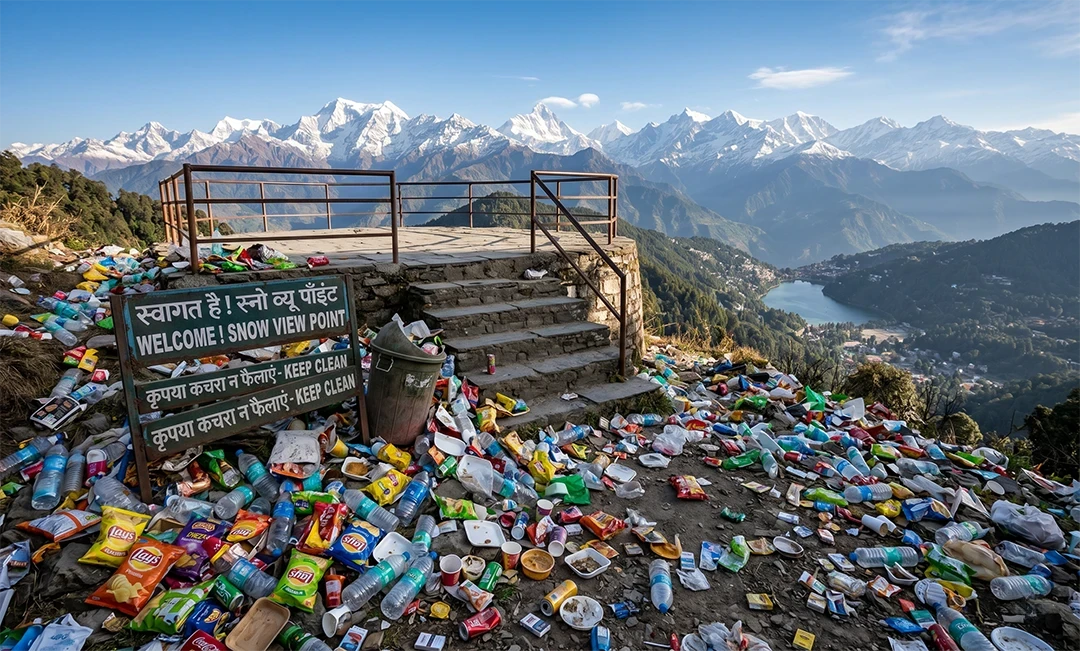
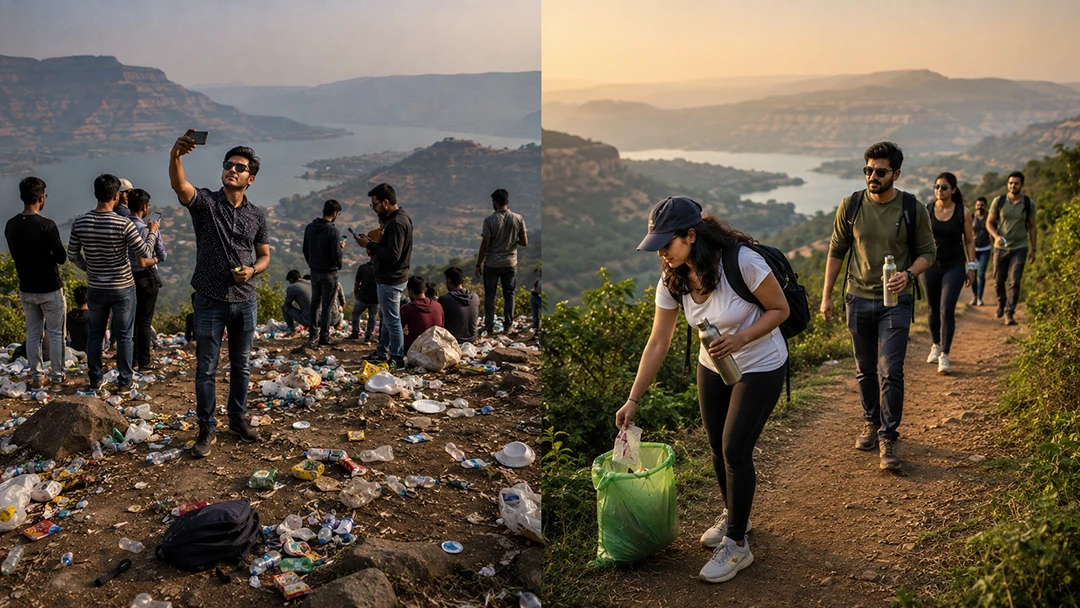
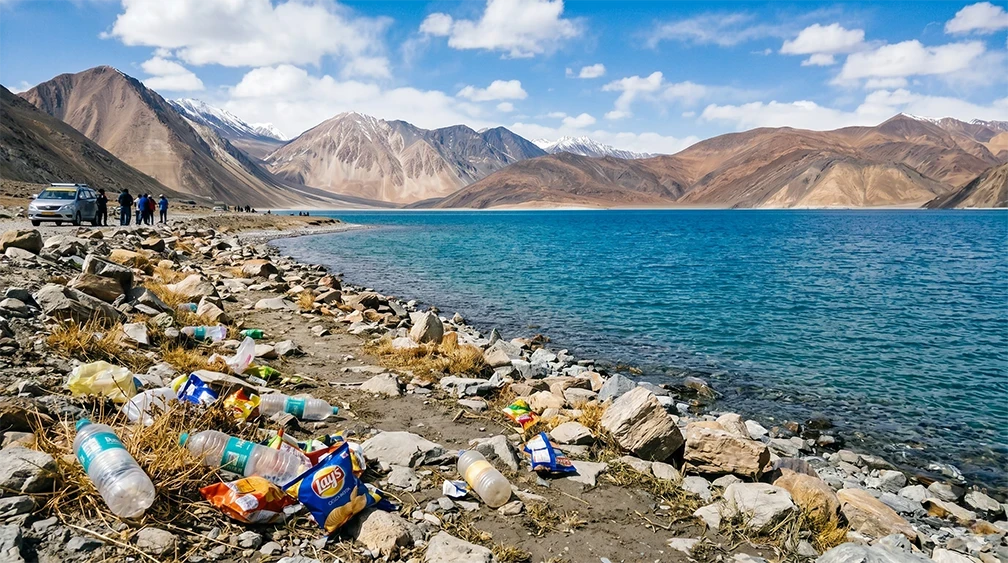
Most damage does not begin with malice. It begins with thoughtlessness. tourist behavior in India often reflects a “someone else will clean it up” mindset. A wrapper dropped beside a scenic bend, a bottle left on a trekking route, a car parked on fragile grass, or someone climbing a temple structure for a better photo may seem minor in isolation. Multiply that by thousands of visitors and the harm becomes severe.
Littering is the most visible form of tourism pollution. But it is not the only one. Noise pollution disturbs wildlife and residents. Vandalism chips away at historical surfaces. Off-trail walking erodes soil and vegetation. Even small actions like feeding animals, playing music near sacred spaces, or ignoring queue discipline can create lasting disturbance.
There is also an important psychological factor. In crowded destinations, people often copy what others are doing. If one group stands on a wall for selfies, the next group follows. If one visitor throws plastic into a riverbank, another assumes it is acceptable. That is how bad norms spread. responsible tourism in India requires changing the visible standard of behavior, not just educating individuals in isolation.
Responsible tourism in India and the “everyone does it” problem
When poor habits become normal, even well-intentioned travelers act carelessly. The “everyone does it” defense is common at beaches, hill roads, and pilgrimage sites. People justify minor violations because they do not feel personally responsible. Yet destination damage is cumulative. A single act may seem harmless, but thousands of similar acts create the visible decline tourists then complain about.
The practical takeaway is simple: if you are traveling, you are part of the environment you are entering. A responsible traveler notices the local standard and chooses to raise it instead of lowering it. That includes carrying waste back, respecting rules, and refusing to follow the crowd when the crowd is careless.
Social media, spectacle, and overtourism in India
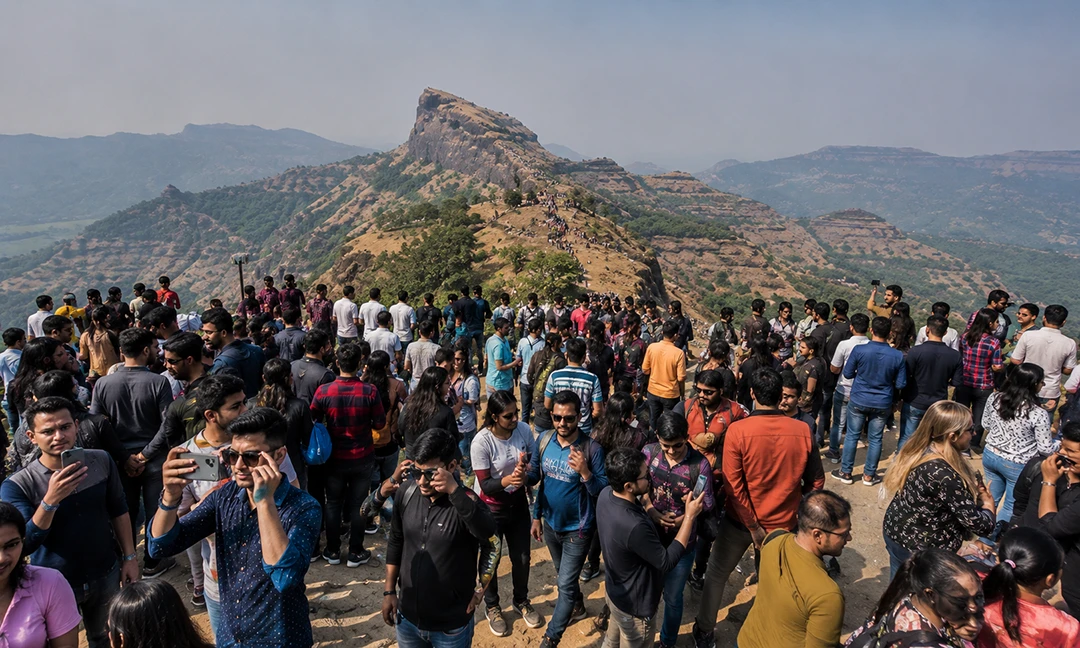
Social media has changed travel behavior dramatically. A destination can go from quiet to overwhelmed in a matter of weeks if a reel or viral image frames it as a must-visit secret. overtourism in India is often accelerated by “bucket-list” culture, where travelers chase the same viewpoints, cafés, streets, and sunrise points at the same time.
The problem is not social sharing itself. The problem is spectacle without context. When a place is promoted as a photo opportunity instead of a fragile space, visitors arrive with expectations of entertainment, not stewardship. That can lead to crowding, litter, traffic jams, and local resentment. It also pushes visitors toward the same few places while ignoring lesser-known alternatives that could absorb demand more sustainably.
A practical way to reduce overtourism is to diversify travel behavior. Visit during shoulder seasons, explore nearby hamlets, choose less-hyped attractions, and stay longer in one place instead of collecting quick stops. responsible tourism in India grows when visitors stop rewarding only overexposed spots and begin valuing slower, more distributed travel.
For broader destination awareness, our lifestyle articles also explore how everyday habits shape public spaces, including the way people behave when they are away from home.
Heritage conservation is everyone’s responsibility
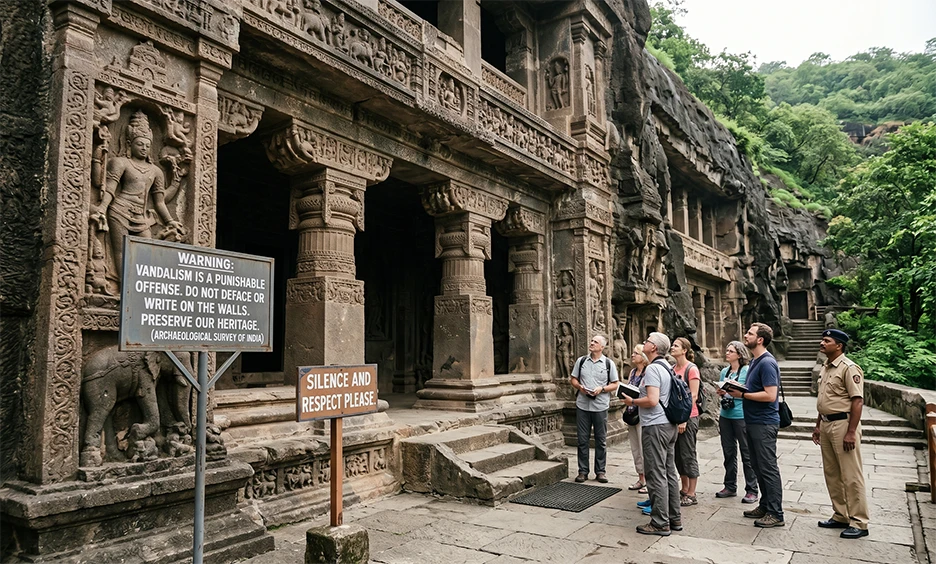
Historic places are especially vulnerable because they cannot be replaced. heritage conservation is not just a government task or an archaeology department concern. It is a public behavior issue. When visitors touch paintings, carve initials, use flash where prohibited, or lean on old railings, they add stress to structures that may already be centuries old.
In many Indian monument zones, the damage is subtle at first. Stone polishes from repeated contact. Paint and plaster fade from careless touching. Signage gets ignored. Graffiti appears in hidden corners. Over time, these small actions change both the physical site and the dignity of the experience. responsible tourism in India has to include a strong respect for heritage rules, even when they feel inconvenient.
One useful comparison is the way museums operate. In a museum, boundaries are obvious: no flash, no touching, no food, no loud behavior. Outside museums, people often forget that temples, forts, stepwells, and centuries-old streets deserve similar caution. A responsible traveler treats heritage zones with the same care they would offer rare art in a gallery.
responsible tourism in India at monuments and temples
This is where travel etiquette becomes practical. Dress codes, shoe removal, quiet voices, and restricted-access zones are not arbitrary. They are part of local cultural order and surface protection. In religious and historical spaces, a small lapse can become a sign of disrespect. responsible tourism in India asks visitors to learn the rules before entering, not after being corrected by staff or locals.
The payoff is significant. When travelers behave respectfully, communities are more likely to welcome tourism, and the visitor experience becomes richer too. A cleaner, calmer, better-protected heritage site is simply more memorable.
Ecological ignorance and the hidden cost of “just one action”
Many travelers damage places because they do not understand how ecosystems work. Ecological ignorance shows up in small but consequential ways: feeding monkeys at viewpoints, disturbing nesting areas, throwing biodegradable waste into rivers, or driving off-road to “save time.” In sensitive landscapes, these choices have ripple effects.
Consider a mountain trail where visitors peel off into the grass to take pictures. It may look harmless, but repeated trampling can compact soil and prevent regrowth. At a beach, food scraps and wrappers attract animals and degrade habitats. In a wetland, loud noise and excessive proximity can push birds away from feeding or nesting areas. responsible tourism in India must therefore include ecological literacy, not just moral intention.
The practical solution is education before entry and guidance on site. Clear signage, local interpreters, and visitor briefings work better than vague warnings. Travelers also need to think in terms of systems, not just actions. The question should be: what happens to the place after I leave? If the answer is “the same as before,” the behavior probably is not sustainable.
Research from academic and public institutions repeatedly shows that individual tourism choices influence conservation outcomes. For example, the International Union for Conservation of Nature stresses careful visitor management in sensitive ecosystems, and this applies directly to Indian hill stations, forests, and coastal areas.
Tourism pollution: what it looks like in real life
tourism pollution is not limited to trash. It includes dirty water from improper sanitation, smoke from idling vehicles, excess plastic packaging, noise from late-night parties, and visual pollution from uncontrolled signage and encroachments. In many destinations, these forms of pollution arrive together.
Think of a crowded weekend in a popular lake town. Disposable cups pile up near food stalls. Cars queue with engines running. Loudspeakers spill into residential lanes. Public bins overflow because volumes exceed capacity. In such a setting, the issue is not merely individual laziness; it is also weak planning. Still, tourists remain part of the problem when they choose convenience over responsibility.
Here are practical examples of better behavior:
Carry a reusable bottle, cup, and cutlery.
Refuse unnecessary plastic packaging.
Use shared transport when possible.
Choose accommodations with waste and water management practices.
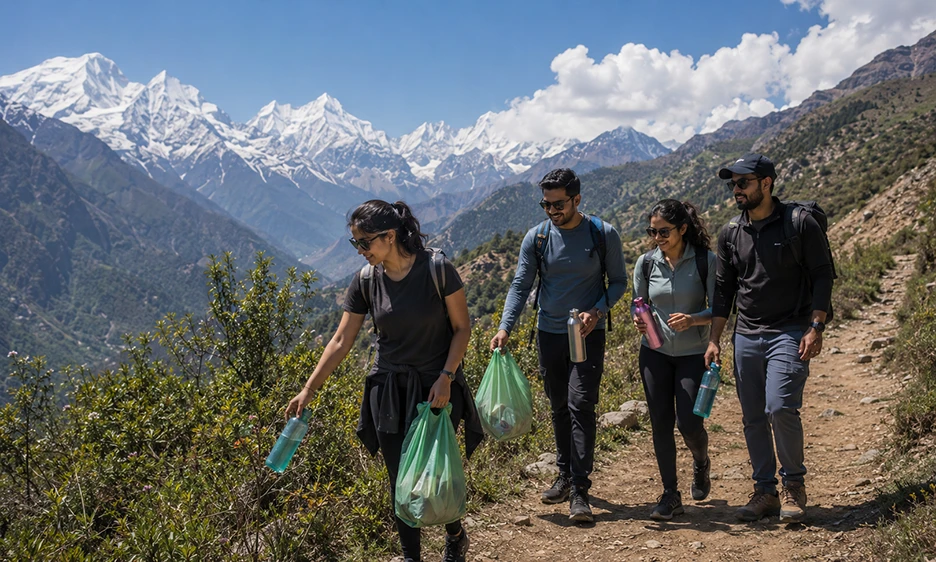
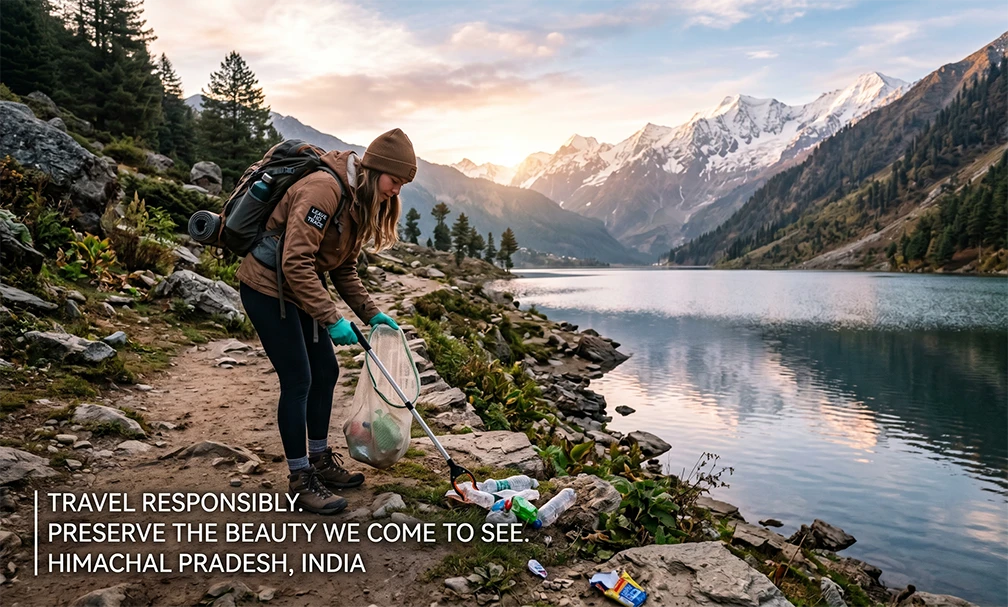
Leave a place cleaner than you found it.
Those small habits reduce pressure and signal to businesses that sustainable tourism in India is a demand, not an abstract ideal.
The public apathy problem and why it keeps repeating
Even when people know better, apathy can lead to the same destructive outcomes. Some tourists assume a destination is already damaged, so their contribution will not matter. Some locals and operators may feel overwhelmed and stop enforcing rules. Some authorities may depend on tourism revenue and hesitate to limit access. This triangle of resignation allows bad behavior to continue.
Public apathy is dangerous because it normalizes decline. Once a beach is considered “always dirty” or a hill road “always congested,” expectations fall. That weakens demand for accountability. responsible tourism in India needs public pressure in the opposite direction: visitors asking better questions, businesses taking cleaner operations seriously, and communities defending their own spaces.
There is a social benefit to breaking apathy. When one group of travelers behaves well, others notice. When a homestay insists on waste segregation, guests adapt. When a local guide explains why a trail is off-limits, most visitors comply. Small acts of consistency can reset the atmosphere of an entire destination.
Travel Behavior
Impact on Destination
Responsible Alternative
Leaving litter behind
Tourism pollution and higher cleanup costs
Carry waste out and dispose properly
Chasing viral photo spots
Overcrowding and overtourism in India
Visit less-hyped sites and travel off-peak
Touching or climbing heritage structures
Damage to sites and heritage conservation issues
Follow access rules and respect barriers
Ignoring local customs
Community discomfort and conflict
Learn travel etiquette before arrival
What a responsible traveler actually does differently
The idea of a responsible traveler is often described in abstract terms, but the behavior is concrete. A responsible traveler plans ahead, spends carefully, and leaves a lighter footprint. They do not expect every place to bend around their preferences. Instead, they adapt to the setting.
That means choosing schools of thought that align with responsible tourism, such as staying in locally owned properties, hiring certified guides, eating at community-run establishments, and respecting restricted zones. It also means being mindful of time and volume. Long stays can support local economies better than quick, extractive visits. Quiet behavior in sensitive areas often matters more than people realize.
There are clear pros to this approach. You reduce harm, improve your own travel experience, and support local livelihoods. The main con is that it may take more planning and may not always be the cheapest or fastest option. But convenience is often what creates damage in the first place. responsible tourism in India asks travelers to trade a little convenience for a much better long-term outcome.
For more practical reading on how travel choices shape everyday life, see our travel guides and related destination features.
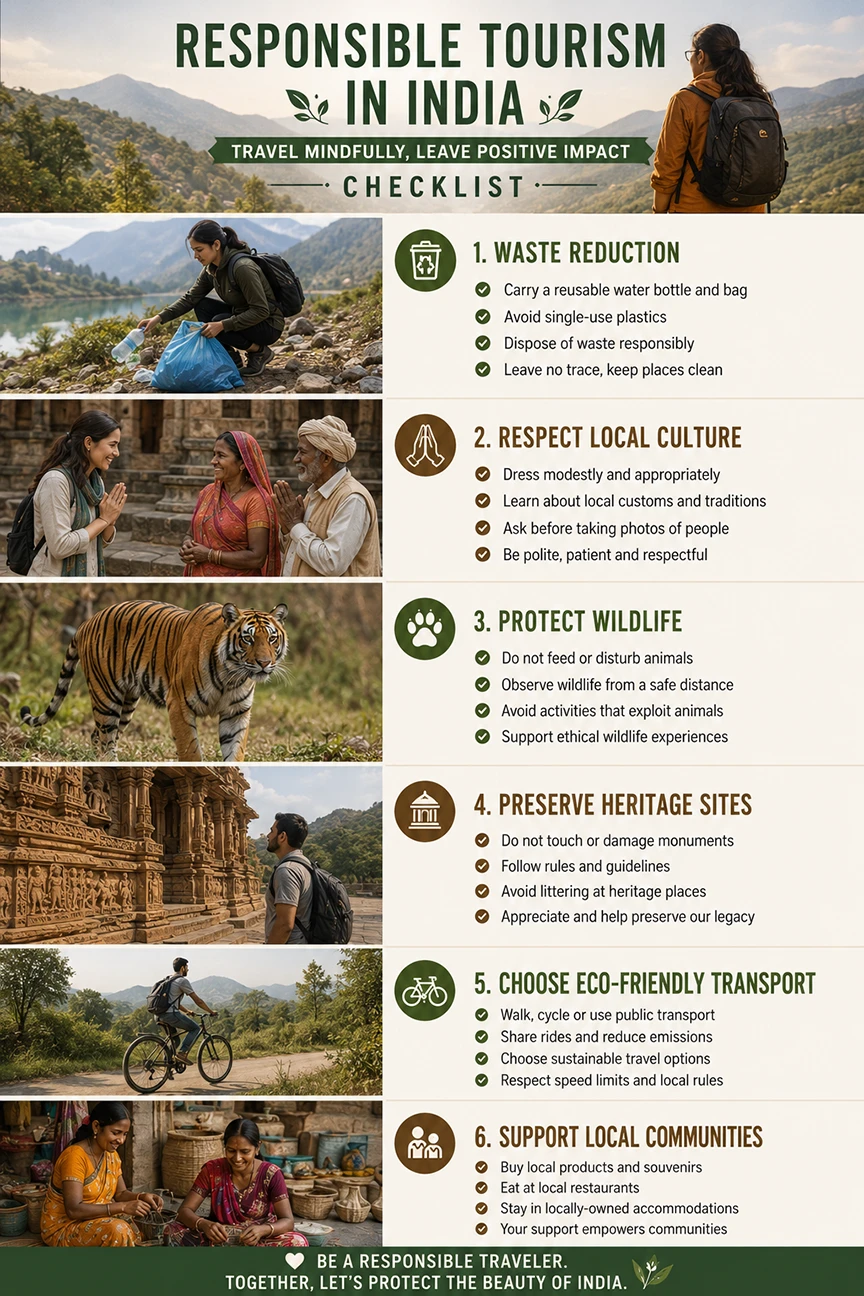
responsible tourism in India: a simple traveler checklist
Before you go, ask yourself:
Do I know the local rules?
Am I carrying reusable essentials?
Have I checked whether the site is fragile or seasonal?
Will my visit support local communities?
Can I avoid contributing to overcrowding or waste?
This checklist turns good intentions into behavior. It is one of the easiest ways to make responsible tourism in India practical rather than aspirational.
How destinations can encourage better behavior
While this article focuses on traveler responsibility, destinations also need better systems. Clear signage, waste collection, capacity limits, guided entry, and visitor education all help. In some places, timed entry or car restrictions may reduce pressure. In others, stronger enforcement against littering and vandalism makes a difference.
At the same time, businesses can shape norms. Hotels can reduce single-use plastics, restaurants can refill water, and tour operators can brief guests before arrival. When the industry works together, responsible tourism in India becomes easier for ordinary travelers to follow.
The best results usually come from combining rule-making with social cues. People behave better when the environment makes the right action obvious. A clean site, a visible guide, and a respectful crowd can do more than a hundred posters. That is why destination management should be seen as part of the visitor experience, not an obstacle to it.
Academic and tourism-sector guidance from institutions such as the World Bank’s tourism resources also emphasize that destination quality and economic resilience go hand in hand. If a place degrades, tourism revenue often follows.
What travelers can do right away
You do not need to become perfect to become better. Small changes matter, especially when adopted consistently. If enough visitors change basic habits, the visible culture of travel shifts. responsible tourism in India can be built one decision at a time.
Here are useful, realistic steps:
Pack light, reuse more, and avoid disposable items.
Learn local customs before arrival.
Choose destinations and dates that reduce crowd pressure.
Support local services instead of only large chains.
Do not take shortcuts through protected or fragile areas.
Speak up politely when companions behave carelessly.
The strongest habit is awareness. Once you notice how quickly damage accumulates, it becomes harder to ignore. The best travelers are not those who claim to leave no trace at all, but those who try, consistently, to leave the smallest possible trace.
Frequently Asked Questions
What is responsible tourism in India?
Responsible tourism in India means traveling in ways that reduce harm to the environment, respect local communities, and support heritage conservation. It includes practical behavior such as avoiding littering, following local rules, using resources carefully, and choosing businesses that benefit residents. The goal is not to stop tourism but to make it more thoughtful and sustainable for people and places alike.
Why do tourists damage destinations even when they don’t mean to?
Most damage happens through convenience, habit, and social copying rather than deliberate harm. People may leave waste behind, walk off trails, or ignore rules because it seems minor in the moment. Over time, these actions add up. responsible tourism in India works best when travelers understand that small choices can have large collective effects.
How does overtourism in India affect local communities?
Overtourism in India can strain roads, water systems, waste management, and public space. It can also make neighborhoods noisier, more expensive, and less livable for residents. In some places, that creates tension between locals and visitors. responsible tourism in India helps reduce these pressures by spreading demand, slowing travel, and encouraging more respectful behavior.
What is the easiest way to be a responsible traveler?
The easiest way is to carry your own waste out, respect local customs, and avoid adding pressure to fragile sites. Use reusable items, stay on marked paths, and choose less crowded times when possible. These steps are simple, but they are central to responsible tourism in India and make a visible difference in preserving tourist destinations.
Does responsible tourism in India cost more?
Not always. Some responsible choices, such as using refillable bottles or traveling off-peak, can save money. Others, like locally guided tours or eco-certified stays, may cost a bit more. The key is value rather than price alone. responsible tourism in India often delivers better experiences, stronger cultural connection, and less stress for both travelers and destinations.
Can travelers really help with heritage conservation?
Yes. Visitor behavior has a direct impact on heritage conservation. Not touching surfaces, obeying access rules, avoiding vandalism, and respecting sacred or restricted areas all help protect historic places. When many people adopt these habits, heritage sites last longer and remain more meaningful. responsible tourism in India depends on this everyday discipline.
How can I avoid contributing to tourism pollution?
Reduce single-use plastic, choose shared transport when feasible, eat and drink responsibly, and dispose of waste properly. Avoid activities that create noise or damage fragile habitats. Also, pick accommodations and operators that manage resources well. responsible tourism in India is not about perfection; it is about consistently reducing avoidable pollution through better choices.
Why is travel etiquette important?
Travel etiquette helps visitors move respectfully through places that have their own customs, rhythms, and limits. It protects dignity on both sides: the visitor feels more welcome, and the host community feels respected. In the context of responsible tourism in India, travel etiquette is essential because it prevents conflict, reduces harm, and supports better long-term tourism culture.
Conclusion
Travel can enrich lives, support local economies, and widen our understanding of the world. But it can also wear places down when visitors treat destinations as disposable backdrops. responsible tourism in India offers a better path. It asks travelers to be aware of litter, noise, crowding, fragile ecosystems, and heritage rules—and then to act accordingly.
The practical truth is that destinations do not damage themselves. People do, often through small repeated choices. The good news is that people can also protect them. If more travelers carry waste, learn travel etiquette, respect heritage conservation, and avoid crowding fragile places, tourism becomes far less extractive and far more rewarding. responsible tourism in India is not a luxury idea; it is the difference between loving a place and slowly ruining it.
If you travel often, start with one change on your next trip. Then add another. That is how responsible travel becomes normal, and how the places we love keep welcoming us back.