E20 vs diesel India is suddenly the sort of conversation people are having at chai stalls, in office parking lots, and inside WhatsApp family groups. I have heard it in Delhi after office, when someone with a high-mileage sedan starts doing the math again because fuel bills no longer feel abstract. And honestly, E20 vs diesel India is not just about fuel type. It is about how you actually drive, how long you keep your car, and whether you live in the city or spend half your week on the highway.
What makes this debate tricky is that most advice online treats petrol and diesel as separate worlds. Meanwhile, E20 mileage articles usually stop at lab data and never tell you what a Delhi-Gurugram commute or an NCR school run does to the numbers. That gap matters. I have seen friends in my own circle assume diesel is automatically cheaper, only to discover that DPF trouble and higher purchase price can wipe out the dream quickly. If you want the fuller picture, I would also suggest reading my petrol vs diesel guide after this one.
So in this piece, I want to bring the whole story together. We will combine ARAI’s E20 data, Autocar’s real world test variance, and the full DPF cost range from budget cleaning to dealership replacement. E20 vs diesel India deserves a proper breakeven calculation, not a vague opinion. And yes, I will keep this India specific, because what makes sense in Delhi, Pune, or Bengaluru often looks different from a neat spreadsheet.
E20 vs diesel India is back because car buyers are nervous, and nervous buyers do homework. Diesel had almost become the uncle everyone had dismissed at weddings, yet still called when the generator failed. In 2026, the mood has shifted again. Fuel prices are high, monthly running costs are under pressure, and some drivers feel E20 is quietly shaving off mileage in a way they can notice at the pump.
At the same time, modern diesel cars still tempt people who drive a lot. The torque feels effortless on flyovers, loaded highway trips seem easy, and the cost per kilometre can still look attractive. However, the old diesel logic does not work as cleanly under BS6 Phase 2, because ownership now carries more emission hardware, more maintenance risk, and more city-usage anxiety.
Why Indian buyers are rethinking the old formula
E20 vs diesel India is no longer a simple petrol versus diesel fight. The real question is whether your annual driving, route mix, and car usage still justify diesel’s premium. In Delhi NCR, many people drive short city hops during the week and take only occasional highway trips. That pattern is brutal for diesel ownership because the savings on fuel often get diluted by maintenance uncertainty.
Moreover, people are now reading more about ethanol blends and particulate filters than they ever did before. That is healthy. The mistake is to assume one fuel is always best for everyone. Your running, your traffic, and your repair tolerance matter more than brand loyalty.
My Delhi reality check
E20 vs diesel India felt very real to me last winter when a friend in East Delhi asked whether she should replace her petrol hatchback with a diesel crossover. She runs about 12,000 kilometres a year, mostly school drops, market runs, and two highway trips. We sat down with a calculator, and the answer was less dramatic than she expected. Her fuel savings did not comfortably cover the higher purchase price and the repair fear.
That is why this debate needs numbers, not nostalgia. Diesel can still make sense, but only for the right user. If you are mostly in stop-go traffic, the romantic idea of diesel can become an expensive habit.
What ARAI Actually Found About E20 Mileage
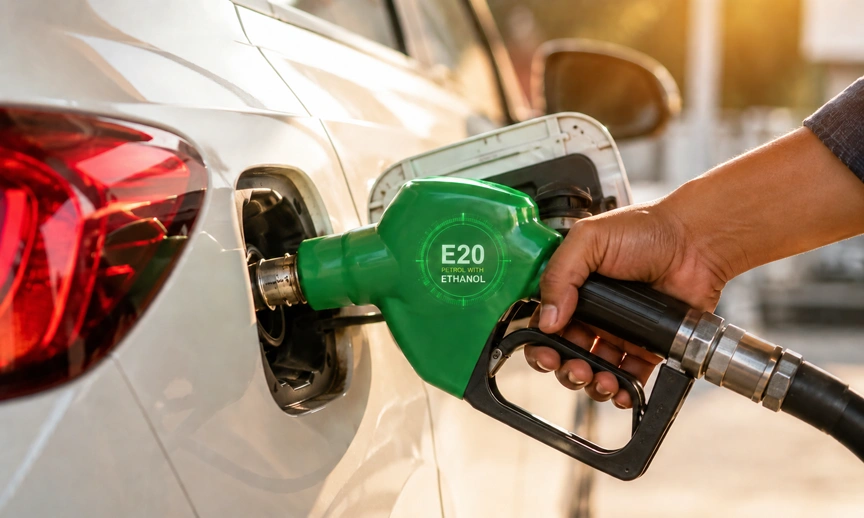
E20 vs diesel India starts with one basic fact. E20 is petrol blended with 20 percent ethanol, and ethanol has lower energy content than pure petrol. Official test data therefore shows a mileage drop, but not a dramatic collapse. The ARAI figures that most people quote show a reduction that depends on whether the vehicle is tuned for E20, what engine it has, and how old it is.
That is where readers often get confused. ARAI data is useful because it is standardized, but it is not your personal commute. It is a reference point, not a promise. The real mistake is to read the percentage and assume every car will behave exactly the same in your lane of traffic.
What the official data means in plain English
E20 vs diesel India should be judged with a simple rule. If your petrol car loses a little mileage on E20, the impact is real but usually not shocking. For many owners, the difference shows up as a small but visible rise in monthly fuel spend. That matters more if you drive 1,500 to 2,500 kilometres a month.
Interestingly, newer engines are generally designed better for ethanol blends than older ones. So if you buy a recent model, the hit may be more controlled. Still, if your annual running is modest, the mileage loss may be annoying but not financially life changing.
Why the official number is not the full story
E20 vs diesel India becomes more complicated when you remember that ARAI testing happens under controlled conditions. Real roads are messy. Heavy air-conditioning, traffic jams, rough idling, bad tyre pressure, and Delhi heat all change consumption. So yes, ARAI helps, but it cannot replace your own running pattern.
That is also why people arguing only from official numbers sometimes miss the point. The real question is not whether E20 is worse in theory. The question is how much that difference costs you over a year, and whether diesel’s extra complexity cancels out the supposed savings.
The Real World Numbers Autocar Tested
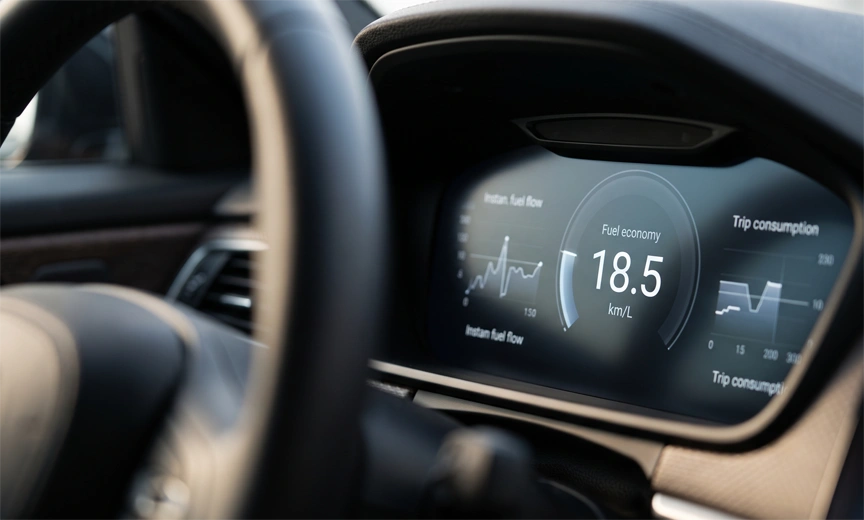
E20 vs diesel India gets interesting when lab data meets an actual road test. Autocar’s real world testing showed that mileage variance exists, but it is not always identical to what the brochure suggests. That gap is important because buyers make decisions with their wallets, not a government table. Once you see real world numbers, the conversation gets less emotional and more practical.
In my experience, Indian readers trust road tests because they sound like daily life. Someone drives in traffic, someone uses AC, someone climbs flyovers, and the result feels relatable. That is much closer to what we do in cities like Delhi, Mumbai, or Bengaluru.
What real world testing tells us
E20 vs diesel India should be read through the lens of variance. A car that claims a certain figure under ideal conditions may return something lower in the real world, and that difference is where buyers feel cheated. However, the same logic applies to diesel too. Real world diesel efficiency can be brilliant on a highway and mediocre in city traffic.
That is why the comparison should focus on your own usage. If your commute is steady, diesel looks stronger. If your route is clogged, E20 petrol may be more predictable and less stressful. Predictable is valuable, even when it is not glamorous.
The Delhi road test mindset
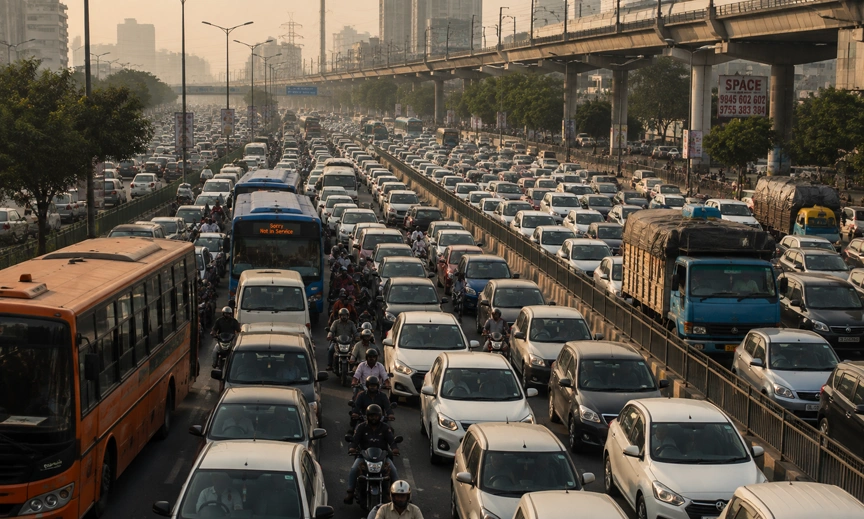
E20 vs diesel India feels less theoretical when you stand on Ring Road at 6 pm and watch cars crawl. I have spent enough evenings in Delhi traffic to know that one kind of fuel does not magically rescue you from the city. The biggest hidden cost is not just fuel, but time, stop-start wear, and the mental load of keeping a diesel healthy.
That is why a real world number is only the beginning. It tells you consumption, but not ownership peace. For many city buyers, peace itself is part of the savings.
DPF Repair Costs Nobody Mentions Upfront
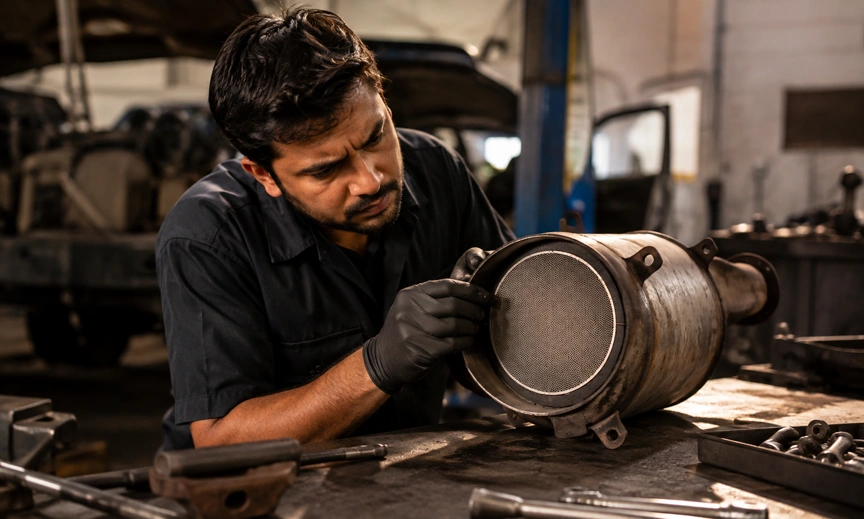
E20 vs diesel India cannot be judged without talking about the DPF, because this is where many diesel dreams become expensive reality. A diesel particulate filter captures soot and helps the car meet emission standards. When it clogs, the warning lights can appear, power can drop, and the service bill can turn ugly. For a short explanation of the component itself, see diesel particulate filter.
People often budget for fuel but forget the filter. That is a mistake. The DPF is not a rare problem in India anymore, especially for drivers who mostly do short urban trips. In Delhi NCR, where traffic can mean long idling and incomplete regeneration cycles, the risk is not imaginary.
What a clogged DPF can do to your wallet
E20 vs diesel India should include the full DPF cost range. A simple cleaning visit can be far cheaper than replacement, but a ignored warning can escalate fast. Depending on car model, age, and severity, the costs can move from a few thousand rupees to a much larger repair bill. That range alone changes the diesel math for many buyers.
Moreover, dealership quotations often sound frightening because they include parts, labour, and sometimes a conservative recommendation to replace rather than clean. If you are a city driver, this risk should be part of your buying decision from day one.
Why city use is the worst case
E20 vs diesel India becomes harsh in stop-go traffic because the diesel system depends on conditions that city driving does not always provide. Short runs, cold starts, and low-speed crawling make soot management harder. Once that happens repeatedly, the DPF may need attention earlier than the owner expected.
So when someone says diesel is cheaper, I always ask one thing. Cheaper over how many kilometres, and with what repair assumptions? That one question changes the whole answer.
The Cheaper DPF Fix Dealerships Wont Offer
E20 vs diesel India is also about who repairs your car. Many dealerships push official replacement routes because they are simple, clean, and profitable. But there are cheaper DPF fixes in the market, including third party cleaning and specialist restoration services. These are not always ideal for every case, but they exist, and buyers deserve to know that before they commit.
The honest point is this. Not every clogged DPF needs a full replacement. Sometimes cleaning can restore function for far less money, especially if the issue is caught early. That said, bad cleaning work or delayed action can create a false sense of safety.
Third party cleaning versus replacement
E20 vs diesel India makes more sense when you separate repair types. Third party cleaning is usually the cheaper route, and for many owners it can be the first line of defence. Replacement is the expensive reset button. The problem is that dealerships rarely lead with the budget option, because their process is built around factory standards and parts sales.
For Indian owners, this means you need a trusted independent mechanic or specialist workshop before trouble starts. Do not wait for the dashboard light to become your teacher. A little preventive care goes a long way.
How to think about risk, not just cost
E20 vs diesel India is not a contest of who can find the cheapest one-off fix. It is about managing the probability of future expense. A city driver who takes short routes every day faces a higher chance of DPF trouble than a highway user. So even if a cleaning job is cheap, the repetition of the issue can still make diesel costly over time.
That is why repair cost should be treated like insurance math. The bill may not appear every month, but when it does, it can erase a lot of fuel savings.
Diesels Real Premium After BS6 Phase 2
E20 vs diesel India also has to include the upfront price gap. Diesel cars usually cost more than their petrol equivalents, and BS6 Phase 2 made compliance more demanding. For background on the regulatory framework, see Bharat Stage emission standards. That extra complexity often sits quietly in the price tag, but it affects your breakeven point right away.
People sometimes focus only on fuel efficiency and ignore the premium they paid to get the diesel engine in the first place. That is dangerous math. If the diesel car costs significantly more upfront, you must recover that difference through running savings before you can call it a win.
The hidden ownership premium
E20 vs diesel India looks very different once you include higher acquisition cost, possible higher insurance, and more expensive future repairs. Even if diesel returns better mileage, the total ownership premium can delay your breakeven by years. For low to moderate users, that delay is often longer than they plan to keep the car.
In India, many families change cars before they complete the full savings cycle. If that is you, diesel may never repay itself fully. This is the part brochures never say out loud.
Why BS6 Phase 2 changed the game
E20 vs diesel India became more nuanced after BS6 Phase 2 because compliance technology improved emissions but also added cost and complexity. That is good for air quality, and we need that in Indian cities. But for owners, the trade-off is clearer maintenance discipline and less room for casual neglect.
So yes, diesel is still available and still useful, but the old cheap-and-cheerful story is gone. It now needs serious annual mileage to justify itself.
The Breakeven Math For Your Own Driving
E20 vs diesel India finally comes down to simple arithmetic. Take the petrol car’s annual fuel cost, add the mileage impact of E20, compare it with diesel savings, then subtract the diesel car’s extra purchase price and likely maintenance risk. If the result stays negative for years, petrol wins. If you drive enough, diesel can still come out ahead.
This is not a one-size formula. Your annual kilometres, traffic pattern, and car segment matter a lot. For a city user doing 8,000 to 12,000 kilometres a year, the breakeven often looks weak. For someone doing 25,000 kilometres or more with regular highways, diesel starts looking more rational.
A quick way to run your own numbers
E20 vs diesel India is easiest to judge by asking three questions. How many kilometres do you drive in a year? What is the real world mileage difference between the two cars you are comparing? And how much extra did the diesel version cost you upfront? Once you know those numbers, the answer becomes much less emotional.
If you want to make it personal, multiply your monthly fuel spend by 12, then estimate the percentage difference from E20 and diesel consumption. After that, factor in a DPF risk reserve. Even a rough reserve makes the result more honest.
My own Delhi-style rule of thumb
E20 vs diesel India has taught me one simple Delhi lesson. If your car spends more time in traffic than on open roads, give petrol a serious look. If you are living on the expressway and your year is measured in big kilometres, diesel may still earn its keep. I have seen too many owners buy diesel for prestige and regret it in the service bay.
That is why I never ask ‘Which fuel is better?’ first. I ask ‘What kind of driver are you?’. The answer changes everything.
Why City Driving Changes Everything For DPF
E20 vs diesel India becomes most important in the city, because city driving is where diesel hardware works hardest. Frequent stop-start trips, short errand runs, and endless idling can stop DPF regeneration from completing properly. That means the same car that looks efficient on paper can become needy in actual Indian urban life.
In Delhi NCR, this is a daily reality. A school drop, office crawl, market stop, and quick pickup create the worst environment for a diesel that wants cleaner, longer runs. The car is not broken. The usage pattern is.
Why short trips hurt more than people think
E20 vs diesel India should be read with one urban truth in mind. Short trips are brutal on diesel systems because the engine never always reaches the clean, consistent operating conditions it needs. Over time, soot builds, efficiency falls, and warning lights can appear. That is why city-only diesel ownership can feel like buying a muscle car for traffic jams.
Meanwhile, petrol with E20 may lose some mileage, but it is usually simpler to live with in this pattern. Simpler is not exciting, but it saves headaches.
The Delhi test for a sensible buyer
E20 vs diesel India should pass the Delhi test before you sign anything. If you can honestly say most of your use is within city limits, then diesel needs a very strong annual kilometre case to justify itself. If not, the DPF risk alone should make you pause. I have seen enough neighbours and cousins in NCR learn this the hard way.
For city-only buyers, the safer answer is often petrol. Not because diesel is bad, but because the city is hostile to it.
So Should You Actually Buy Diesel Now
E20 vs diesel India ends with a practical answer, not a dramatic one. Diesel is not dead, but it is no longer the default smart buy for everyone. If you drive huge annual distances, spend real time on highways, and are disciplined about servicing, diesel can still make financial sense. If you mostly drive in the city, the hidden costs can eat into the promise.
For most Indian families, the question is not ideology. It is usage. That is why I keep telling friends not to buy diesel because their cousin swears by it. Buy it only if your life matches the fuel.
Who should still consider diesel
E20 vs diesel India still favours diesel for heavy users. Long-distance sales reps, frequent intercity travellers, and people who consistently clock very high annual kilometres can recover the premium. Highway-heavy owners also tend to be kinder to DPF health. In that case, the math can still work beautifully.
However, you must be honest about your route pattern. Aspirational driving does not count. Actual driving does.
My honest Delhi advice
E20 vs diesel India, from my Delhi point of view, is simple. If your car is mainly for NCR traffic, office runs, and family errands, petrol is probably the calmer choice. If your life genuinely involves long-distance driving every week, diesel may still be worth a look. I would rather you buy the right car than the impressive one.
And if you are still torn, do the numbers on your real annual kilometres before you visit a showroom. That one habit can save you years of regret. E20 vs diesel India is not about winning an argument. It is about buying the car that actually fits your roads.
Frequently Asked Questions
How much does E20 petrol reduce car mileage?
E20 vs diesel India usually starts with mileage, and E20 can reduce mileage because ethanol has lower energy content than petrol. In real use, the drop is often noticeable but not shocking, depending on engine design, traffic, and driving style. If you drive heavily in the city, the difference can feel larger because stop-go traffic already hurts efficiency. The exact hit varies by car, so your own usage matters more than a single headline number.
Is the ARAI E20 mileage data reliable?
E20 vs diesel India should use ARAI data as a baseline, not as a personal promise. ARAI testing is standardized, so it is useful for comparisons, but it does not include your real traffic, AC use, road surface, or tyre condition. That means the official figure is reliable for broad understanding, but not for exact monthly budgeting. Think of it as a clean lab reference, then adjust for your daily driving reality.
How much does a DPF replacement cost in India?
E20 vs diesel India cannot ignore DPF replacement because the cost can be painful. Depending on the car, brand, and service route, replacement can run from a relatively moderate bill to a very expensive one. The price gets higher when the car is newer or the part is imported. This is why diesel ownership in Indian cities feels riskier than it did years ago, especially for short-trip users.
Is DPF cleaning cheaper than DPF replacement?
E20 vs diesel India usually benefits from knowing that cleaning is often much cheaper than replacement. A professional cleaning or restoration job can solve mild clogging at a fraction of the replacement cost. However, if the filter is badly damaged or the problem has been ignored for too long, cleaning may not be enough. So yes, cleaning is cheaper, but early action is what keeps it cheap.
How much more does a diesel car cost than petrol?
E20 vs diesel India depends a lot on the upfront price gap. Diesel variants usually cost more than petrol variants, and that premium can be significant in some segments. That higher entry cost means you must drive enough to recover the difference through fuel savings. If you plan to sell the car early, the diesel premium may never fully come back to you. Always check the exact model gap before deciding.
At what annual kilometers does diesel become worth it?
E20 vs diesel India does not have one magic number, but heavy annual running is the key. For many Indian buyers, diesel begins to make sense only when annual usage is very high and mostly highway-oriented. If your driving stays modest, the fuel savings may not cover the purchase premium and repair risk. Your own annual kilometres and route mix are the real decision makers, not a generic internet rule.
Does city driving damage a diesel car’s DPF faster?
E20 vs diesel India is especially sensitive to city use because stop-start traffic and short trips are tough on the DPF. When the engine does not get enough sustained running, soot may not burn off properly. Over time, that can increase clogging and warning lights. City driving does not automatically damage the car, but it does make the DPF work much harder than highway use.
Will E25 or higher ethanol blends come to India soon?
E20 vs diesel India is being watched closely because ethanol blending policy is evolving. Higher blends may come in phases, but rollout depends on policy, compatibility, and fuel infrastructure readiness. For buyers, that means future petrol mileage discussions may keep changing. If you are planning a long ownership cycle, it is smart to think beyond today’s blend and stay updated on vehicle compatibility.
Is diesel still available for small hatchbacks in India?
E20 vs diesel India also reflects market reality. Diesel options in small hatchbacks have become much rarer than before, because tighter emission rules and demand shifts changed manufacturer choices. Many brands have dropped small diesel models altogether. If you are looking for a tiny, city-focused car, petrol is now far more common and easier to find. Diesel is mostly surviving in larger or higher-mileage segments.
Should I buy diesel or petrol for city only driving?
E20 vs diesel India gives a fairly clear answer for city-only use. Petrol is usually the simpler and safer choice because it avoids DPF anxiety, extra maintenance complexity, and the need for high annual running to justify the premium. If your life is mostly short trips, school runs, and traffic, diesel can become more trouble than it is worth. If you want a city-friendly guide, see my mileage tips piece.
Conclusion
E20 vs diesel India is not a debate where one fuel wins for everyone. It is a decision about your driving life, your annual kilometres, your patience for repairs, and your willingness to own a more complex machine. I think that is why so many Indian buyers feel confused right now. The old shortcuts no longer work. You have to read the fine print and be honest with yourself.
For me, the big lesson is simple. If you live in Delhi NCR and your car sees more traffic than highway, petrol with E20 is usually the calmer choice. The mileage may dip a little, but the ownership experience stays easier. If you are a heavy runner with long road trips and disciplined servicing, diesel can still be a smart financial tool. The key is to calculate the full cost, not just the fuel bill.
That is also why I keep returning to real numbers and real usage. A car should fit your life, not your ego. If you are still unsure, start with your actual annual kilometres, then compare the purchase premium, mileage difference, and DPF risk. You will usually find the answer faster than the showroom salesperson wants you to.
If this article helped, save it for your next car decision and share it with someone who is stuck in the same confusion. And if you want another practical India-first read, visit my diesel buying guide. E20 vs diesel India deserves clarity, not guesswork, and I hope this gave you exactly that for E20 vs diesel India.