Modak vs kozhukattai is one of those festive food debates that sounds simple until you sit at a family table in Delhi, hear three different aunties, and realise everyone is half right. I have heard the most common version for years: modak is the steamed Maharashtrian sweet, and kozhukattai is the fried South Indian version. That neat story is popular, but it is not accurate. The real difference in modak vs kozhukattai is more interesting, and honestly, more delicious.
Every Ganesh Chaturthi, my own home in Delhi gets pulled into this conversation because our neighbours, friends, and relatives come from different states and carry their own food memory. Someone swears by the soft ukadiche modak they grew up eating in Maharashtra. Someone else insists on thengai pooranam kozhukattai from their Tamil home. Meanwhile, my mother asks the practical question: is the filling the same, and can I make it without a mold? That is where modak vs kozhukattai stops being a textbook comparison and becomes a living Indian kitchen story.
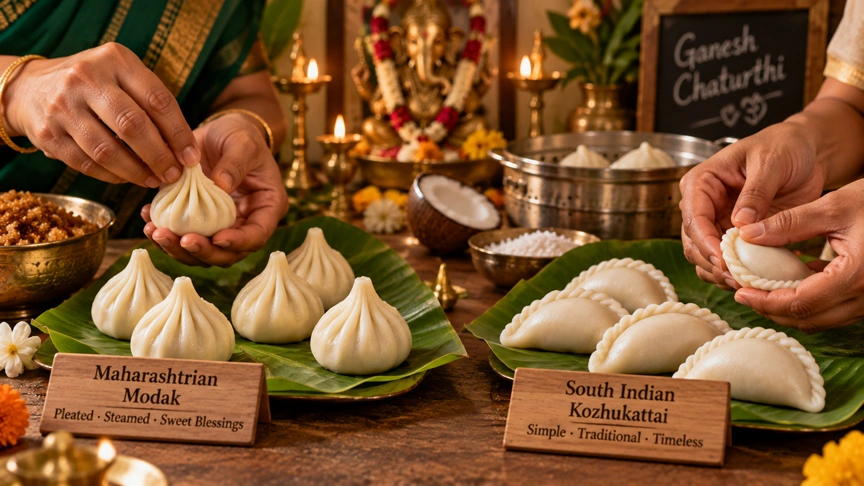
So let us clear the confusion properly. In modak vs kozhukattai, the shape is related, the festival connection is shared, and the steaming method is traditional in both. The differences sit inside the dumpling, in the style of pleating, and in how each region treats the sweet before offering it to Ganpati. I am writing this because Indian food deserves accuracy, not lazy internet shortcuts. And if you have ever wondered why your modak cracks, why your pleats look clumsy, or why your kozhukattai tastes less like the Maharashtra version, this article will make the difference very clear.
modak vs kozhukattai is often explained with one lazy line, and that line misleads almost everyone. People repeat that modak is steamed while kozhukattai is fried, but that is not the traditional reality. Both are most commonly steamed, especially in ritual and festival settings. In fact, when families in Maharashtra make ukadiche modak for Ganesh Chaturthi, steaming is the whole point. Likewise, many South Indian households prepare kozhukattai by steaming the dumplings rather than frying them. The fry-versus-steam divide is simply not the main story.
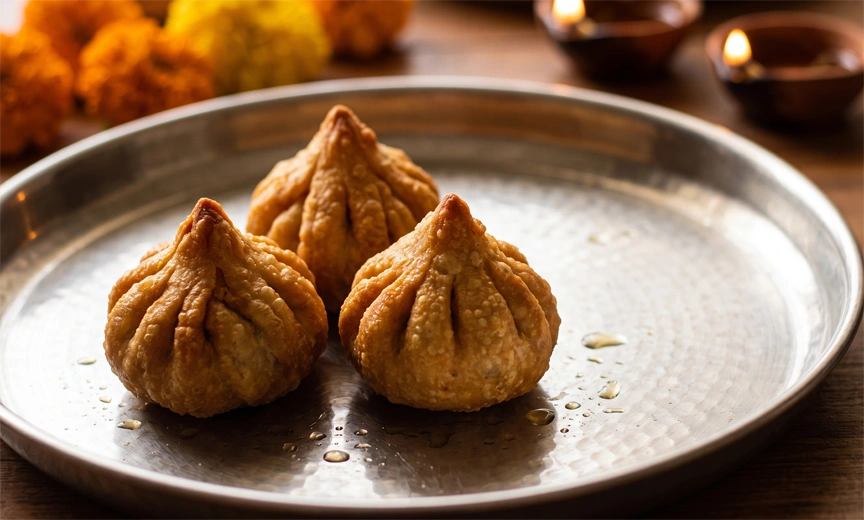
The confusion may come from modern snack variations that travel well on social media. A few home cooks and sweet shops now make fried modak, baked modak, or even instant versions that look nothing like the original festive sweet. However, that is a modern adaptation, not the core tradition. When you hear elders speak seriously about modak vs kozhukattai, they are usually talking about family ritual, filling, and hand-shaping, not restaurant-style shortcuts. That distinction matters because it changes the way we respect regional food culture.
Why This Myth Became So Popular
The myth spread because food content loves simple labels. A steamed Maharashtrian sweet on one side and a crispy South Indian snack on the other sounds neat, memorable, and easy to post. But Indian festive food rarely fits into such clean boxes. modak vs kozhukattai is a good example of how a half-truth becomes accepted fact when repeated enough. Once that happens, the nuance disappears.
I have seen this in Delhi too. One neighbour calls every sweet dumpling a modak, another calls everything a kozhukattai, and both are trying to be helpful. That is why I keep saying modak vs kozhukattai is not about one being steamed and the other fried. It is about what is inside, how it is shaped, and which community treats it as the sacred offering for Ganpati.
What Tradition Actually Says
Traditionally, both sweets are steamed in many homes. The dough, the filling, and the way the dumpling is sealed may change by region, but steaming is the most respected method in the devotional version. modak vs kozhukattai only becomes confusing when modern variations are treated as the original form. If you keep that in mind, the whole conversation becomes much clearer.
And yes, fried versions exist. But they sit beside the traditional classics, not above them. That is the real fix for the myth.
What Ukadiche Modak Actually Contains
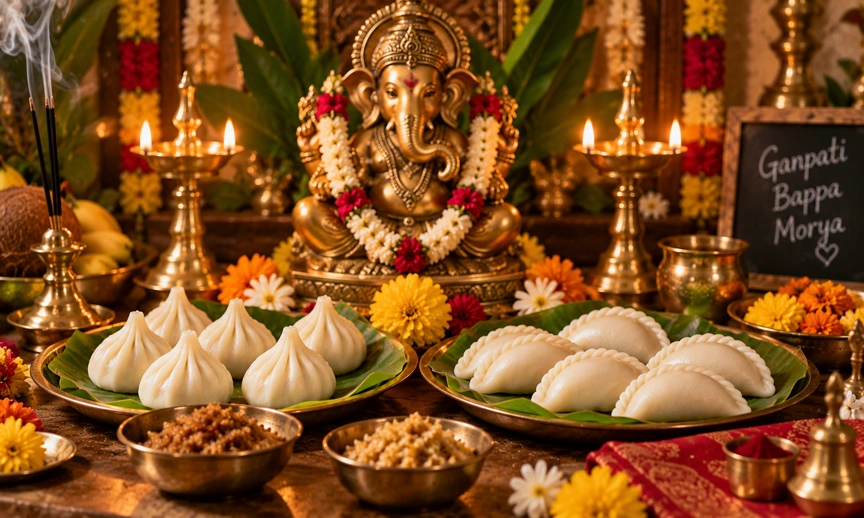
modak vs kozhukattai becomes easiest to understand when you start with the Maharashtrian side. Ukadiche modak is usually made with a soft rice flour shell filled with fresh coconut and jaggery. That is the heart of it. The filling is kept pure, fragrant, and simple, often finished with a little cardamom. Some families add a touch of poppy seeds or sesame, but the classic version stays close to coconut and jaggery. That restraint is part of its identity.
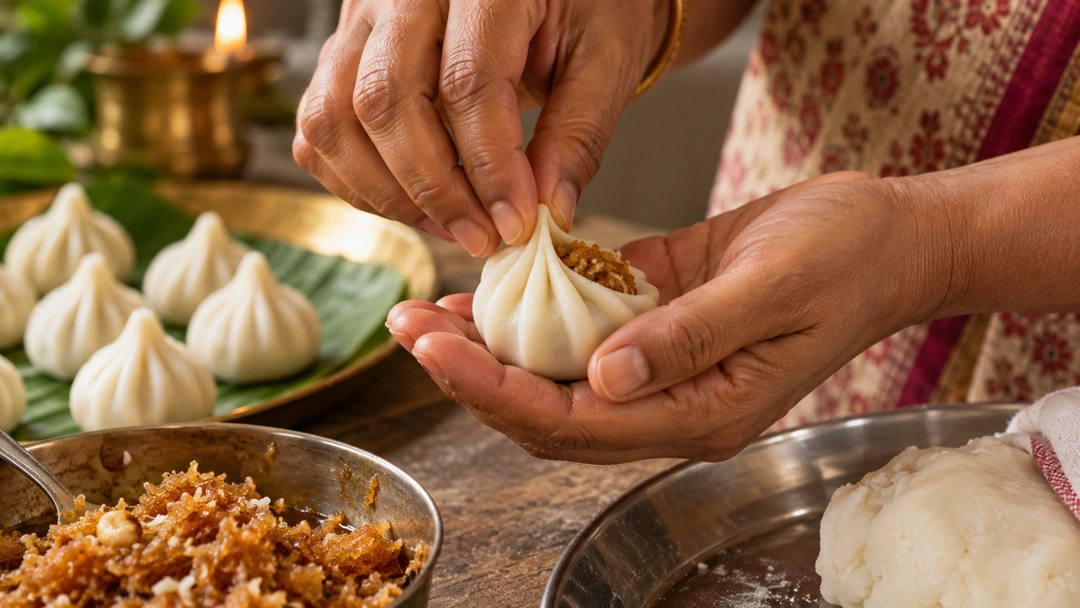
The outer cover is made from rice flour dough cooked with water and sometimes a little ghee. The dough is rolled warm, then shaped into a small pouch. This is where skill matters. The steam cooks the shell so it turns tender and slightly glossy. In my Delhi kitchen, I have tried this more than once, and the biggest lesson has been that the dough must be handled while warm, not when it dries out. modak vs kozhukattai also teaches you patience, because the shell punishes haste.
Why Maharashtrian Modak Feels So Precise
In Maharashtra, ukadiche modak is not treated like casual mithai. It is a festival offering, almost a ritual object. The proportions matter. The filling should be juicy but not runny, and the shell should be thin enough to feel delicate but strong enough to hold the steam. That balance is what people remember when they praise a good modak vs kozhukattai comparison.
My favorite part is the scent. Fresh coconut, jaggery, and ghee together smell like a home that is preparing for Ganpati with full attention. You do not rush that kind of cooking. You respect it.
The Outer Shell Matters More Than People Think
The shell in modak vs kozhukattai is not just a wrapper. It is the thing that protects the filling and gives the sweet its identity. If the dough cracks, the whole dumpling feels unfinished. If it is too thick, the bite becomes heavy. That is why so many Maharashtrian cooks obsess over the texture of the dough.
Once you understand this, you stop seeing modak as just a sweet. You start seeing it as craft.
What Changes Inside A South Indian Kozhukattai
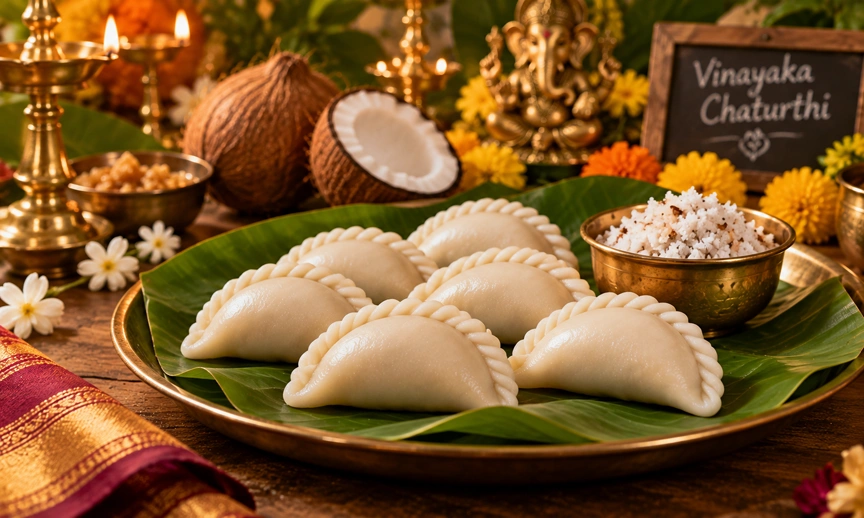
modak vs kozhukattai becomes more interesting in South India because the sweet takes on local family habits. The outer structure may resemble a modak, but the filling can shift more often than people realise. In many Tamil and Kerala homes, the sweet version is called thengai pooranam kozhukattai, which uses coconut as the base but may include chana dal in some households or in related festive sweets. The result is not one fixed recipe but a family of recipes that share a festival purpose.
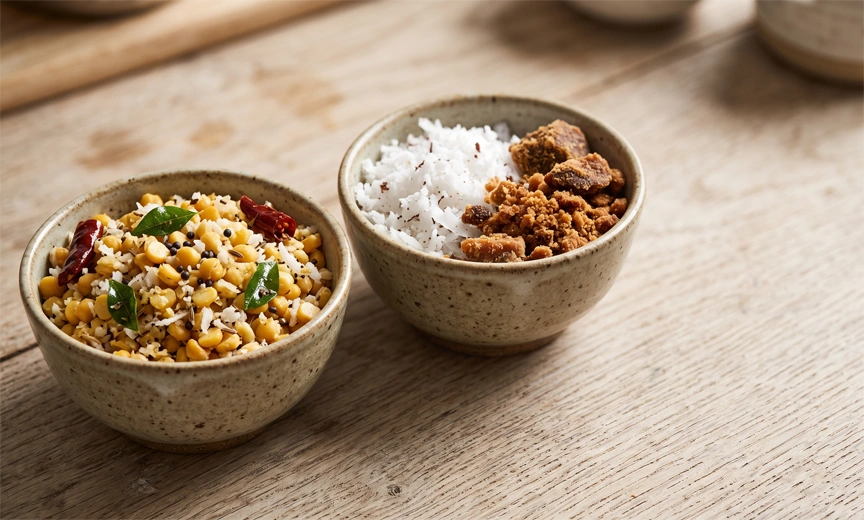
That flexibility is important. South Indian homes often make both sweet and savory kozhukattai during Ganesh Chaturthi. The sweet one may be filled with jaggery, coconut, cardamom, and sometimes chana dal depending on the region and family preference. The savory version uses spiced lentils or urad dal style fillings. So when people say modak vs kozhukattai as if one word equals one recipe, they flatten a very rich tradition.
Thengai Pooranam And The Regional Taste
Thengai pooranam literally points to coconut filling, and that is the beating heart of the South Indian sweet. In many homes, the filling is cooked until it holds together in neat little clumps. Sometimes chana dal appears in festival sweets more prominently than in Maharashtrian modak, which usually stays closer to coconut and jaggery alone. That is one of the cleanest differences in modak vs kozhukattai.
Interestingly, this also changes the mouthfeel. Chana dal brings a grainier, denser bite, while pure coconut filling feels lighter and more fragrant. Both are lovely, but they are not the same experience.
Why Families Defend Their Version So Strongly
Food is memory. When a grandmother hands you her kozhukattai, she is also handing you her childhood, her temple visits, and her festival routine. That is why modak vs kozhukattai can become emotional so quickly. People are not only defending a sweet. They are defending the way their home celebrates Ganpati.
I think that is beautiful. In India, a dumpling can carry a region inside it.
Why Maharashtrian Pleating Is Treated As A Skill
modak vs kozhukattai is not only about filling. In Maharashtra, the pleating itself is treated almost like a rite of passage. A proper ukadiche modak is expected to have neat, even pleats that gather beautifully at the top. This is where many beginners panic. The shape looks simple until your fingers meet warm dough and suddenly every fold becomes a test of confidence. The skill is admired because it takes touch, timing, and practice.
In many homes, elders watch quietly while younger family members try their first batch. Some get ten perfect pleats, some get five crooked ones, and some just use a mold and call it a day. That is fine. But the old-school appreciation for hand pleating remains strong. In modak vs kozhukattai conversations, this is where Maharashtra stands out most clearly. The sweet is not only eaten. It is crafted.
What The Pleats Say About The Cook
Pleats are not decoration. They are structure. They help the dumpling close securely so the filling stays sealed during steaming. They also signal care. A carefully pleated modak shows that the cook has given time, attention, and respect to the offering. In a festival kitchen, that means something.
I remember watching relatives in Delhi attempt this with a mix of determination and panic. One cousin kept tearing the dough. Another made a shape that looked more like a flower than a modak. We laughed, of course, but the lesson stayed with me. modak vs kozhukattai teaches that technique is part of devotion.
Why Molds Did Not Kill The Tradition
Some people feel guilty using a mold, as if shortcuts are disrespectful. I do not agree. A mold can help preserve the shape when time is short or hands are tired. The tradition lives in the filling, the steaming, and the offering, not only in perfect hand-folded pleats. Still, in Maharashtra, the hand-pleated version carries special pride.
So yes, the skill is real. And so is the joy of learning it badly at first.
Where Fried Versions Actually Come From
modak vs kozhukattai gets messy when fried versions enter the picture. Fried modaks and fried dumplings do exist, but they are best understood as later variations, often shaped by convenience, taste, or sweet-shop creativity. They are not the core temple or household forms in the way steamed versions are. If you grew up seeing fried sweets in a market box, that may have shaped your memory, but memory is not the same as tradition.
In Indian food history, recipes evolve when they travel. A sweet that was once only steamed can gain a fried cousin because frying gives it longer shelf life, a richer bite, or a more snack-like appeal. This happens across India all the time. modak vs kozhukattai is no different. The internet sometimes presents these adaptations as though they are equally ancient, which creates confusion. But when you look at ritual use, steaming is still the traditional baseline.
Street Sweet, Home Sweet, Temple Sweet
There is a difference between a temple offering and a sweet shop item. A temple sweet must respect ritual logic. A shop sweet can prioritize texture, shelf life, and sales. That is why fried versions survive in commerce, while steamed versions remain central in devotion. modak vs kozhukattai reflects that split very clearly.
In Delhi, I have seen trays of festival sweets where everything is mixed together for convenience. It is practical, but it can blur the origin of the recipe. When you want the traditional form, steaming is the wiser choice.
Why People Still Love The Fried Version
The fried version is crisp, rich, and more portable. It travels well and stays firm longer. There is nothing wrong with liking it. However, if the question is historical and cultural, then fried is a variation, not the original baseline in modak vs kozhukattai. That is the distinction worth keeping.
Food can be modern and still respectful. We just need to name it correctly.
Chana Dal Vs Pure Coconut The Real Divide
modak vs kozhukattai becomes crystal clear when you focus on the filling. In Maharashtra, the classic sweet stays close to pure coconut and jaggery. In many South Indian versions, chana dal appears more often, especially in related festive fillings and some household recipes. That is the real divide people miss. The outside may look similar, but the inside tells the regional story.
The coconut-and-jaggery combination is light, aromatic, and immediately festive. Chana dal adds body, earthiness, and a more substantial bite. Neither is better in every context. They simply belong to different food traditions. In my own kitchen, this difference showed up when I tried copying a family recipe without understanding it. I assumed the filling was interchangeable. It was not. The flavour changed the entire mood of the sweet, and modak vs kozhukattai suddenly made perfect sense to me.
How The Ingredients Shift The Experience
Pure coconut filling melts faster on the tongue and tastes more fragrant when steam warms the jaggery. Chana dal filling feels denser and more grounded. It can make the sweet feel more filling, almost like a festival snack and dessert in one bite. This is why regional preference matters so much.
When you taste both side by side, you stop asking which is correct. You start asking which memory you want to recreate. That is the heart of modak vs kozhukattai.
What Home Cooks Should Remember
If you are making the Maharashtrian style, do not overcomplicate the filling. Keep it simple and balanced. If you are making a South Indian style, respect the family method, because the chana dal or mixed filling may be part of what makes it recognisable. The biggest mistake is copying shapes without understanding flavour.
That is how good festive cooking begins. Not with pressure, but with clarity.
How Each Region Offers It To Ganpati
modak vs kozhukattai is really a story about offering. In Maharashtra, ukadiche modak is famously loved by Ganpati and is often treated as the most important naivedya sweet of the festival. Families prepare them in batches, steam them carefully, and present them with devotion. In South India too, kozhukattai has deep Ganesh Chaturthi importance, with both sweet and savory forms made as part of the offering. The names differ, the family customs differ, but the spirit is shared.
The offering itself is a reminder that this is not just festival eating. It is ritual food. The sweet is made cleanly, offered first, and then shared. That order matters. In modak vs kozhukattai, the religious emotion often outweighs the culinary comparison. People remember the smell of the steam, the sound of prayers, and the first bite after the puja. That is the real magic.
Delhi Homes, Mixed Traditions, Shared Plates
Living in Delhi means seeing many traditions in one building. One family prepares Maharashtrian modaks, another makes South Indian kozhukattai, and a third buys sweets from a local shop because life is busy. I have stood in those corridors and felt how beautiful this mix can be. modak vs kozhukattai is not a competition in such homes. It becomes a celebration of India’s many ways of loving Ganpati.
That shared plate is one of the nicest things about living in a city like mine. You learn without being corrected harshly.
Why Offering Changes The Meaning
When a sweet is made for offering, every small step becomes meaningful. Washing the hands, shaping the dough, filling it carefully, and steaming it respectfully all become part of the prayer. This is where the comparison between modak vs kozhukattai becomes richer than internet food charts.
Both sweets are devotional. Both deserve attention. Both connect the home to the festival.
My Attempt At Both And What I Got Wrong
modak vs kozhukattai became personal for me when I tried making both on the same weekend in Delhi. I had good intentions, a crowded kitchen, and more confidence than skill. My first mistake was rushing the dough. The rice flour shell dried too fast and cracked while I was trying to pleat it. My second mistake was overfilling the coconut mixture, which caused one sweet to split open like a tiny disaster under steam. I laughed, then I sighed, then I tried again.
The kozhukattai batch taught me something different. I thought I could swap fillings casually, but the South Indian version needed its own balance. Once I respected the proportions, the result improved immediately. That is the lesson of modak vs kozhukattai. They look related, but they ask for different hands. When a recipe is tied to family memory, small details matter more than we expect. And yes, I also learned that using a mold is not cheating. It is surviving.
What The Kitchen Taught Me
The kitchen was messy, sticky, and honest. I realised I had been treating festive sweets like internet content instead of living recipes. Once I stopped chasing perfection, the process became calmer. My modaks were not beautiful, but they tasted right. My kozhukattai looked uneven, but the filling had warmth.
That is the best part of Indian cooking. It forgives you if you stay sincere.
What I Would Do Differently Next Time
Next time, I would make the filling first, then rest the dough properly, then shape fewer pieces with more care. I would also steam in smaller batches so the texture stays consistent. Most of all, I would stop comparing them as if one must win. modak vs kozhukattai is richer when you taste both with curiosity.
If you try this at home, be kind to yourself. Festival food is not a test paper.
Which One Should You Actually Make This Year
modak vs kozhukattai should not end with a winner. It should end with the version that fits your home, your hands, and your festival mood. If you want the most recognisable Maharashtrian offering, make ukadiche modak with coconut and jaggery. If your family tradition leans South Indian, make thengai pooranam kozhukattai, and include chana dal if that is what your elders do. If you are a beginner, start with the one your family already knows best.
My honest advice is simple. Choose the recipe you can make with calm attention, because these sweets reward care more than speed. modak vs kozhukattai becomes far less intimidating once you stop trying to force uniformity. One sweet can be a festival offering, a memory, and a kitchen lesson all at once. That is why I love writing about food like this. It is never just food.
If You Are New, Start Small
Make a few pieces first. Learn the dough. Taste the filling. Let the steam do its work. If the pleats are uneven, do not panic. If you prefer a mold, use it. If your family wants the South Indian style, follow that. The point is to understand the spirit of modak vs kozhukattai, not to perform perfection for Instagram.
That approach saves stress and keeps the festival joyful.
The Best Choice Is The One Your Home Loves
There is no single correct answer for every household. That is the beauty of Indian food. The more you learn, the more respectful you become of difference. modak vs kozhukattai is a conversation about memory, devotion, and technique, not a fight over labels. Make the version your people will smile at.
Then sit down, offer it properly, and enjoy it slowly.
Frequently Asked Questions
Is kozhukattai The Same As Modak?
modak vs kozhukattai are related festive dumplings, but they are not always identical. The shape and steamed method overlap, yet the filling and regional naming differ. Modak is most associated with Maharashtra, while kozhukattai is common in South India. In many homes, the sweet filling reflects local family tradition. So yes, they are cousins in spirit, but not always the same recipe.
Is Modak Steamed Or Fried?
modak vs kozhukattai is often confused because both are traditionally steamed. The classic ukadiche modak is steamed, not fried. Fried modak versions exist, but they are later adaptations for taste or shelf life. If you want the traditional devotional version, steaming is the right method. Fried modak is a variation, not the core form most families prepare for Ganesh Chaturthi.
What Is The Difference Between Modak And Kozhukattai?
modak vs kozhukattai differs mainly in filling, regional practice, and how the dumpling is shaped or finished. Maharashtrian modak usually stays close to coconut and jaggery, while South Indian kozhukattai may include thengai pooranam and sometimes chana dal in family versions. Both can be steamed. The real difference is cultural, not just visual.
What Is Chana Dal Modak?
modak vs kozhukattai becomes more regional when chana dal is added. Chana dal modak refers to a filling where cooked or roasted chana dal joins coconut or jaggery, giving a denser bite. This is more common in some South Indian or mixed festive preparations than in the classic Maharashtrian style. It is a lovely variation, but not the pure coconut-jaggery base.
Can You Make Modak Without A Mold?
modak vs kozhukattai can absolutely be made without a mold. In fact, the traditional Maharashtrian version is often hand-pleated. A mold only helps if you want uniform shape or are short on time. The taste comes from the dough and filling, not the tool. So yes, you can make it by hand, and many families still do.
How Long Do Steamed Modaks Stay Fresh?
modak vs kozhukattai is best enjoyed fresh, but steamed modaks usually keep well for about one day at room temperature in cool weather and a little longer if refrigerated. The texture is best on the same day because the shell softens over time. If you refrigerate them, steam lightly again before serving. Freshness matters because the coconut filling tastes brightest soon after cooking.
Is Fried Modak As Traditional As Steamed Modak?
modak vs kozhukattai is traditionally centered on steamed versions, especially in Ganesh Chaturthi offerings. Fried modak exists, but it is generally seen as a later variation, not the main ritual form. It may be popular for texture or convenience, but if you want the classic version tied to devotion, steaming is more traditional. The ritual identity stays with the steamed sweet.
What Is Thengai Pooranam Kozhukattai?
modak vs kozhukattai gets clearer when you know thengai pooranam means coconut filling in Tamil usage. Thengai pooranam kozhukattai is a steamed dumpling stuffed mainly with coconut, jaggery, and cardamom. It is a beloved festive sweet in many South Indian homes. Some families also adapt the filling with chana dal or other ingredients, depending on local tradition and household habit.
Why Does Modak Have Pleats?
modak vs kozhukattai includes pleating because the folds help seal the filling and create the classic shape. In Maharashtra, the pleats are also treated as a sign of skill and care. The top gathers beautifully, almost like a crown. Beyond looks, pleating helps the dumpling hold together during steaming, which is why it matters both technically and culturally.
Which Modak Filling Is More Common In South India?
modak vs kozhukattai in South India usually leans toward coconut-based fillings, often called thengai pooranam. Chana dal appears more often in some regional and family variations, but coconut and jaggery remain the most familiar sweet base. The exact recipe depends on the state, the household, and the festival style. That is why South Indian festive food feels so beautifully diverse.
Conclusion
modak vs kozhukattai is one of those food debates that looks small from outside but opens up a whole world once you sit with it properly. For me, the real joy is not in deciding one winner. It is in noticing how each region protects its own memory, its own ritual, and its own sweetness. That is what Indian festival food does so well. It carries devotion and family history in the same bite.
I have made both in my Delhi kitchen, and I can tell you honestly that the first imperfect batch taught me more than any glossy article ever could. The cracked dough, the uneven pleats, the overfilled dumpling, the patient steaming – all of it reminded me that tradition survives because people keep trying. If you are making these sweets this year, do not worry about being flawless. Worry about being attentive. That is enough. And if you want more nostalgic food reading, you can revisit these comfort food recipes.
So make the version your home loves. Steam it with care. Offer it with respect. Eat it slowly. That is the simplest and truest answer to modak vs kozhukattai.