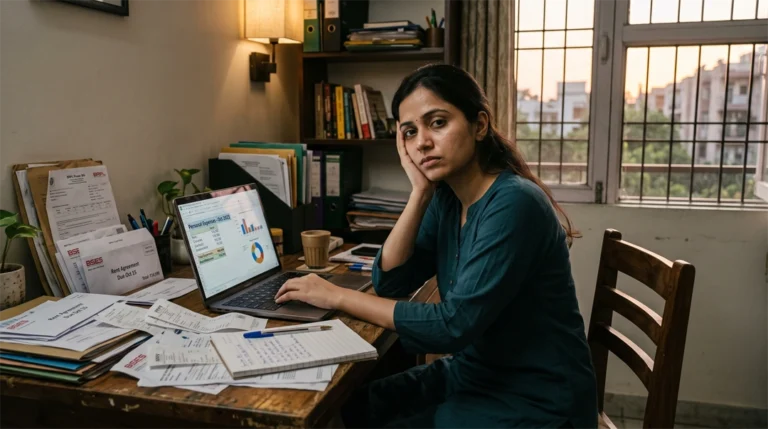

Loneliness Urban India is quietly becoming one of the biggest lifestyle and mental health challenges affecting young professionals, students and families across India’s major cities. From Mumbai and Bengaluru to Hyderabad, Pune and Gurugram, millions live surrounded by people yet struggle to build meaningful human connections.
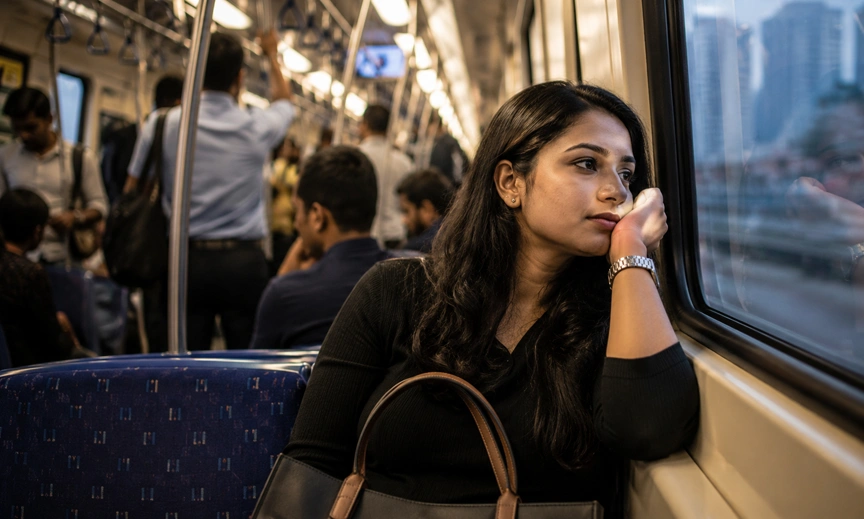
That contrast has become one of the defining realities of modern city life. You can spend an entire day surrounded by colleagues, commuters, restaurant crowds, delivery executives, and endless phone notifications, only to return home feeling emotionally disconnected. The city never slows down, but genuine human connection often does.
If you’ve read my thoughts on sleep and mental health, you’ll know I believe that the smallest emotional struggles often become the biggest health challenges when ignored. Urban loneliness in India is one of those invisible problems. It rarely makes headlines, yet it quietly affects millions of students, professionals, migrants, young couples, and even retirees living in our fastest-growing cities.
This isn’t simply a mental health issue. It’s also a lifestyle issue shaped by changing family structures, demanding work schedules, long commutes, digital habits, and the gradual disappearance of everyday community life. The conversation deserves to move beyond clinical definitions because loneliness has become part of how modern urban India functions.
Why Loneliness Urban India Is Rising Across Major Cities
One of the strangest contradictions of urban life is that people have never been more connected digitally while feeling increasingly disconnected emotionally. Living in a city of millions doesn’t automatically guarantee meaningful relationships. In fact, the opposite often happens.
Your neighbourhood grocery owner may recognize you. The security guard greets you every morning. The barista knows your coffee order. Your colleagues spend eight hours a day beside you. Yet very few people truly know what’s happening inside your mind.
This is the hidden paradox of India’s biggest cities. We interact constantly but connect rarely.
Modern metropolitan life rewards productivity, efficiency and independence. Days begin early, commutes consume hours, work dominates attention, and evenings disappear into fatigue. By the time people return home, most simply want silence instead of conversation.
That routine gradually changes the way relationships function. Conversations become transactional. Friendships become occasional. Family interactions shrink into quick phone calls and festival visits. Without noticing it, people begin replacing genuine companionship with convenience.
Why Loneliness Urban India Often Goes Unnoticed
One reason loneliness urban India is difficult to recognise is because busy lives can easily disguise emotional isolation. Calendars stay full. Notifications never stop. Meetings, deadlines, social media, food delivery apps and streaming platforms create the illusion of constant activity. Yet activity is not the same as belonging.
Many professionals today have larger social circles than previous generations, but far fewer relationships built on trust, consistency and emotional honesty. Hundreds of online contacts cannot replace a handful of people who genuinely notice when something feels wrong.
Our brains are designed for meaningful social bonds, not endless partial interactions. Constant messaging, scrolling and reacting provide stimulation without the emotional security that real friendships create. The result is a strange contradiction—we’re surrounded by communication but increasingly deprived of connection.
How Changing Families Created a New Kind of Loneliness
Loneliness urban India cannot be understood without recognising how dramatically family life has changed over the past few decades.
For generations, joint families naturally created everyday companionship. Grandparents, cousins, neighbours, relatives and household helpers formed an informal support system where conversations happened without planning. Meals were shared, festivals felt larger, and loneliness rarely stayed unnoticed for long.
That system wasn’t perfect. It came with conflicts, expectations and limited privacy. Yet it also provided something modern city life often struggles to replace—a sense of everyday belonging.
As nuclear families became the norm, people gained independence and mobility but lost many of those spontaneous human interactions. Today, both parents often work full-time, children spend evenings between school, tuition and screens, while elderly parents frequently live in different cities. Family relationships remain strong emotionally, but daily proximity has reduced significantly.
This shift has created a social vacuum that technology cannot fill. A family WhatsApp group may stay active all day, yet it cannot replace sitting together over dinner or casually talking on a balcony after work.

From neighbourhood communities to apartment living
Housing has changed alongside family structures. Older neighbourhoods encouraged interaction almost by default. Children played together outdoors. Neighbours borrowed groceries, celebrated festivals collectively and checked on each other during illness. Daily life naturally created repeated conversations.
Modern apartment complexes offer security, convenience and privacy, but they can also become emotionally anonymous. Many residents know parking numbers better than their neighbours’ names. Months can pass without having a meaningful conversation with someone living just a few doors away. This isn’t because people have become less caring. Urban life simply leaves fewer opportunities for relationships to develop naturally.
That difference matters. Human connection grows through repeated, ordinary interactions—not occasional celebrations or social media updates.
How Loneliness Urban India Is Changing Modern City Life
For many urban Indians, the office-home routine has become life itself. Wake up. Commute. Work. Return home exhausted. Eat. Scroll. Sleep. Repeat. It looks productive from the outside, yet it leaves remarkably little space for friendships that exist beyond professional obligations.
Office relationships certainly matter. Many colleagues become lifelong friends. But workplaces also operate within deadlines, hierarchies, targets and performance reviews. That environment naturally limits emotional openness. People comfortably discuss projects, meetings and weekend plans, while quietly avoiding conversations about stress, anxiety or loneliness.
The result is a workplace culture where people spend most of their waking hours together without necessarily building the deeper relationships that protect emotional wellbeing. Long commutes make this problem even worse. Spending two to four hours each day in traffic or crowded public transport doesn’t just consume time—it drains emotional energy. By the time many professionals reach home, they have little patience left for family conversations, meeting friends or participating in community activities.
This is why loneliness urban India isn’t simply about having too few people around. It’s about having too little emotional energy left to nurture meaningful relationships. When every weekday feels like survival, connection becomes something we postpone until the weekend—and often postpone again.
Why workplace friendships often have limits
Many people describe colleagues as their closest companions, and in many cases those friendships are genuine. But workplaces are built around shared responsibilities, not unconditional support. Team lunches, office celebrations and coffee breaks create familiarity, yet those connections often weaken when someone changes jobs or moves to another city.
That doesn’t make workplace friendships superficial. It simply highlights the difference between proximity and belonging. Real friendships usually grow outside deadlines, performance reviews and organisational structures. They develop through consistency, vulnerability and shared life experiences rather than shared projects.
For young professionals who relocate for better career opportunities, this distinction becomes especially important. Work may provide a social circle, but it rarely replaces the emotional security that comes from trusted friendships or close family relationships.
How Loneliness Urban India Affects Busy Professionals
India’s largest cities have become larger than the lives many people can comfortably manage. A professional living on one side of Bengaluru may spend hours travelling to an office on the other. Someone working in Gurugram may commute from Noida or Delhi every day. Similar stories play out in Mumbai, Hyderabad, Chennai and Pune.
Those hours don’t simply disappear from the day—they are taken away from relationships, hobbies, exercise and rest. Over time, people begin declining invitations, skipping family gatherings and postponing simple catch-ups because they feel mentally exhausted before the evening even begins.
Eventually, isolation becomes routine rather than temporary. Many don’t even recognise it until they realise months have passed without a meaningful conversation outside work.
Why Social Media Often Makes Urban Loneliness Worse
Technology has transformed the way Indians stay connected, but it has also quietly changed the way many people experience loneliness.
Social media creates the comforting illusion that we’re constantly surrounded by people. Every few seconds there’s another photo, another message, another celebration or another viral trend demanding attention. The screen rarely goes silent. Yet scrolling is not the same as belonging.
Many young adults spend hours consuming updates from hundreds of people while rarely having a conversation that feels emotionally fulfilling. It’s possible to know what someone ate for lunch without knowing whether they’re actually doing okay.
This imbalance matters because our brains respond differently to passive digital interaction and genuine human connection. Likes, reactions and short comments offer brief moments of stimulation, but they don’t provide the emotional reassurance that comes from feeling understood by another person.

The comparison trap
Urban professionals often compare their ordinary lives with carefully edited highlights shared online. Wedding photos, promotions, foreign holidays, fitness milestones and new homes appear one after another, creating the impression that everyone else has a happier, more exciting social life.
Reality is rarely that simple. Most people share their best moments while quietly keeping loneliness, stress and uncertainty private. Comparing everyday struggles with someone else’s highlight reel creates unnecessary emotional pressure and can deepen feelings of isolation.
Ironically, the more connected our digital lives become, the harder it often feels to admit we’re lonely. Many fear appearing ungrateful or unsuccessful, especially when everything online suggests that everyone else is thriving.
If you’ve experienced emotional exhaustion alongside constant digital engagement, you may also relate to my article on burnout and hustle culture. Burnout and loneliness frequently reinforce each other, making both harder to recognise.
Connection requires reciprocity
Real relationships involve being noticed, remembered and understood. Social media often provides visibility without reciprocity. You can spend hours interacting online without anyone recognising that you’re struggling.
That is why endless connectivity doesn’t always reduce loneliness. Sometimes it simply distracts us from it.
Why Many Indian Men Feel Lonely but Rarely Talk About It
Loneliness urban India affects everyone, but it often looks different for men. Across generations, many Indian men have been encouraged to measure their worth through responsibility rather than emotional openness. They’re expected to provide, solve problems and remain composed regardless of what they’re experiencing internally. As a result, loneliness often goes unnamed.
Instead of saying they feel isolated, many express it through overwork, irritability, excessive gaming, drinking, endless scrolling or withdrawing from social situations altogether. The emotion is present, but the vocabulary to describe it is often missing. This isn’t a personal failing. It’s the result of long-standing cultural expectations that associate vulnerability with weakness instead of emotional maturity.
When success hides emotional isolation
A successful career, stable income or active social calendar doesn’t guarantee emotional wellbeing. Many professionals appear to have thriving lives from the outside while quietly lacking even one person they can call during a difficult moment. Modern cities reward competence and independence, but healthy relationships require openness, trust and consistency. Those qualities don’t develop automatically in environments where people feel they must always appear strong. Expanding the definition of strength is one of the most important conversations urban India needs today. Being able to ask for support isn’t a weakness—it is one of the foundations of long-term emotional resilience.
Understanding these personal experiences is only one side of the story. Over the last few years, researchers and public health experts have also begun recognising loneliness as something far bigger than an individual struggle. Increasingly, it is being viewed as a public health challenge that affects entire societies.
What Global Loneliness Research Means for Urban Loneliness in India
For years, loneliness was treated as a personal issue—something individuals were expected to solve on their own. That perception is changing. Health experts, researchers and governments now recognise that social connection plays a significant role in both mental and physical well-being.
One of the strongest signals came when the World Health Organization launched the Commission on Social Connection. The initiative acknowledges that loneliness and social isolation are not simply emotional experiences; they influence health, productivity and overall quality of life.
For India, this conversation is especially relevant. Our cities continue to expand, attracting millions of students and professionals every year. While urban development has created opportunities, it has also changed how communities function. Migration, nuclear families, demanding careers and digital lifestyles have made it easier to live independently but harder to build lasting relationships.
Loneliness urban India isn’t identical to loneliness in Western countries. Indian society has traditionally relied on close family ties, neighbourhood familiarity and community support. As cities become larger and more individualistic, many people find themselves caught between cultural expectations of togetherness and the realities of modern urban living.

Connection Is a Basic Human Need, Not a Luxury
Modern life often treats friendships and community as optional extras—something to focus on after work becomes less demanding. Research suggests the opposite. Meaningful social connection supports emotional resilience, improves sleep quality, lowers stress levels and contributes to healthier ageing. Strong relationships are as important to long-term well-being as many other lifestyle habits we routinely prioritise.
That is why urban planning should not only focus on infrastructure and technology but also on creating spaces where people naturally meet. Walkable neighbourhoods, public parks, libraries, hobby groups and community events may seem like small additions, yet they play an important role in reducing isolation.
Healthy cities are not simply efficient places to live. They are places where people can build relationships without extraordinary effort.
Why India Needs Its Own Conversation About Loneliness
Many discussions around loneliness are based on Western lifestyles, where living alone has long been common. India’s experience is different. Here, loneliness often develops despite being surrounded by people. Someone may live with family yet still feel emotionally unseen. Others relocate for education or work and suddenly lose the support systems they relied upon growing up.
The conversation therefore needs to move beyond statistics and recognise India’s unique social realities. Emotional isolation isn’t always caused by physical distance. Sometimes it develops because modern lifestyles leave very little time for relationships to deepen.
The Hidden Health Cost of Long-Term Loneliness
Loneliness affects much more than mood. A growing body of research suggests that prolonged social isolation influences the body as well as the mind.
Studies published by organisations including the Mayo Clinic and the National Institutes of Health associate chronic loneliness with increased stress, poor sleep, depression, cardiovascular problems, reduced immunity and a greater risk of long-term health complications.
This doesn’t mean loneliness automatically causes illness, but persistent emotional isolation places additional strain on the body’s stress-response system. Over months and years, that burden can influence both mental and physical health. Urban professionals often ignore these early warning signs because they continue functioning normally. They go to work, meet deadlines and fulfil responsibilities while quietly feeling exhausted or emotionally disconnected. That makes loneliness particularly difficult to recognise. From the outside, everything appears fine.
When the Body Starts Showing What the Mind Doesn’t Say
Many people first notice loneliness through physical symptoms rather than emotional ones. Sleep becomes lighter. Motivation drops. Small problems feel overwhelming. Appetite changes. Concentration becomes harder. Everyday activities begin requiring more effort than they once did.
These experiences don’t always indicate loneliness alone, but they often overlap with chronic stress, burnout and depression. Understanding that connection is important because emotional well-being rarely exists in isolation from physical health.
If emotional stress has already begun affecting your sleep, energy or daily routine, you may also find value in my article on understanding depression and emotional well-being. Looking after mental health early often prevents small struggles from becoming larger ones.
The encouraging news is that loneliness isn’t permanent. Unlike many health conditions, it often improves when people consistently rebuild meaningful social routines. The solution rarely involves meeting more people—it usually involves building deeper relationships with a few.
How Meaningful Communities Are Built in Modern Indian Cities
One of the biggest misconceptions about adulthood is that friendships should happen naturally. In reality, meaningful relationships require intention, especially in fast-moving cities where work dominates everyday life. Community isn’t measured by how many people follow you online or how many contacts appear in your phone. It’s built through repeated interactions with people who gradually become familiar parts of your life.
That could be the neighbours you regularly greet during evening walks, a weekend cycling group, a reading club, a volunteer organisation or even the same café where conversations slowly become friendships. The strongest communities usually grow through ordinary moments repeated over time rather than dramatic life events.
Small Circles Create Stronger Support Systems
Many people spend years trying to expand their social networks when what they actually need is a smaller circle of dependable relationships. Three trusted friends who know your life are often more valuable than hundreds of casual acquaintances. Smaller circles make vulnerability easier because they remove the pressure to constantly perform or impress. That sense of emotional safety becomes especially valuable during career setbacks, health challenges or major life transitions—times when genuine support matters far more than social popularity.

Simple Ways to Build Meaningful Connections in Indian Cities
Loneliness urban India rarely disappears overnight, and there is no single solution that works for everyone. The encouraging news is that meaningful relationships are usually built through small, consistent actions rather than dramatic life changes.
The goal isn’t to become more social. It’s to become more connected. There’s an important difference. Having a busy social calendar doesn’t automatically create emotional support, while a few dependable relationships often make everyday life feel lighter.
Whether you’ve recently moved to a new city or have lived there for years, building genuine community begins with showing up consistently rather than waiting for friendships to happen naturally.
Choose consistency over quantity
Instead of constantly meeting new people, focus on becoming a familiar face somewhere. Join a weekend fitness group, attend a local book club, volunteer for a community initiative, or simply visit the same neighbourhood café every Saturday morning.
Friendships grow through familiarity. Seeing the same people repeatedly creates trust far more naturally than one-off networking events or occasional meetups.
Even simple habits like taking an evening walk at the same time, attending a yoga class every week or participating in local cultural events can slowly create a sense of belonging.
Replace screen time with shared experiences
Most people don’t need another messaging app—they need more moments that happen offline. Instead of spending another hour scrolling through social media, consider calling a friend you’ve been meaning to reconnect with. Invite a colleague for tea after work instead of heading home immediately. Visit your parents without waiting for a festival. Plan a monthly breakfast with neighbours or relatives. These habits may seem ordinary, but meaningful relationships are built through ordinary moments repeated consistently.
If you’re struggling with exhaustion from work, reducing digital overload and protecting your personal time becomes even more important. My article on burnout and hustle culture explores practical ways to create healthier routines that leave room for relationships as well as work.
Make vulnerability part of friendship
Many adults spend years talking about work, cricket, travel or entertainment without ever discussing how they’re actually feeling. Genuine friendships deepen when people feel safe enough to speak honestly about stress, uncertainty or loneliness.
You don’t have to share everything with everyone. But finding one or two people with whom you can have honest conversations can dramatically change how supported you feel during difficult periods. Real connection isn’t built by appearing impressive. It’s built by allowing yourself to be authentic.
Frequently Asked Questions
1. Why is urban loneliness increasing India?
Urban loneliness in India is growing because modern city life has changed how people build relationships. Migration for education and careers, nuclear families, demanding work schedules, long commutes and increased screen time have reduced everyday opportunities for meaningful human connection. Many people remain socially active yet still feel emotionally isolated.
2. Is loneliness the same as living alone?
No. Living alone is simply a lifestyle choice or circumstance, while loneliness is the feeling that your emotional and social needs aren’t being met. Someone can live alone and feel deeply connected, while another person surrounded by family or colleagues may still experience profound loneliness.
3. How does social media contribute to loneliness?
Social media can create the illusion of connection without providing genuine emotional support. Constant comparison, passive scrolling and surface-level interactions often replace meaningful conversations, leaving many people feeling connected online but isolated in real life.
4. Why are young professionals especially affected?
Young professionals frequently relocate to unfamiliar cities, spend long hours at work and manage demanding schedules that leave little time for building lasting friendships. Workplace relationships help, but they don’t always replace the deeper support systems people leave behind when moving away from home.
5. What are some practical ways to reduce loneliness?
Start small. Join one recurring community activity, reconnect with old friends, schedule regular phone calls, volunteer locally, reduce unnecessary screen time and make space for face-to-face conversations. Consistency matters more than meeting large numbers of new people.
6. When should someone seek professional help?
If feelings of loneliness continue for months or begin affecting sleep, appetite, work performance, relationships or hope for the future, consider speaking with a qualified mental health professional. Seeking support early is a sign of self-awareness, not weakness.
Important: This article is intended for educational and awareness purposes only. It should not replace professional medical or psychological advice. If loneliness is significantly affecting your daily life or mental health, please seek guidance from a qualified healthcare professional.
Conclusion
Loneliness urban India isn’t simply the absence of people. It’s the absence of meaningful connection in lives that often appear busy, successful and socially active. As our cities become larger, faster and more technologically connected, genuine human relationships require more intention than they once did.
The encouraging reality is that loneliness isn’t a permanent identity. It’s often a signal that something essential is missing—time for relationships, emotional openness or a sense of belonging. Once we recognise that signal, we can begin responding to it in practical ways.
Perhaps the biggest lesson is this: cities don’t create loneliness—disconnection does. While we can’t always slow down urban life, we can choose to make more room for conversations that matter.
In the end, the quality of our relationships shapes the quality of our lives far more than the number of notifications on our phones. Sometimes, one honest conversation can do more for our well-being than a hundred online interactions ever could. Recognising Loneliness Urban India early allows us to build healthier relationships, stronger communities and better emotional well-being before isolation becomes a long-term problem.