If you’re comparing single malt whiskeys in India, start with the label and the flavour you want. Glenfiddich 12 gives you pear and malt, while Paul John Bold puts peat smoke first. Amrut Fusion uses Indian and Scottish barley, and The Balvenie Caribbean Cask gets its finish from rum casks. The eight bottles below include two Indian single malts and six Scotch whiskies.
The flavour notes come from the producers. For prices and availability, check the exact expression and bottle size in your state. A 2026 change to Scotch import duties can affect the cost of new shipments, but it cannot tell you what a bottle will cost at a particular shop.
Under India’s food standards, single malt whisky is made from malted barley without other grains, distilled in pot stills and produced at one distillery. That leaves room for a distiller to combine batches or casks. It also leaves room to source malted barley from more than one country, as Amrut Fusion does. FSSAI alcoholic beverage standards.
How barley, peat and casks affect flavour
Malted barley is mashed to extract sugars. Yeast ferments the liquid before distillation, and the spirit then takes on flavour in oak. When peat smoke is used to dry the malt, some of that smoky character can carry into the finished whisky. A cask finish adds a period in a different type of cask. In the Balvenie entry below, that second cask previously held rum.
Indian whisky and Scotch on the same shelf
‘In India’ describes the market this guide is written for. Amrut Fusion and Paul John Bold are Indian whiskies. The other six are Scotch. Scotch has its own production rules, including at least three years of maturation in oak in Scotland. Its age statement refers to the youngest whisky in the bottle. A number on a Scotch label cannot tell you how smoky or sweet it will taste. Scotch Whisky Regulations.
Eight single malt whiskeys in India
For an orchard-fruit profile, look at Glenfiddich 12. For smoke, compare Ardbeg Ten with Paul John Bold and Talisker Storm. If you want to explore the effect of wood, the Macallan, Glenlivet and Balvenie entries give you three different cask approaches.
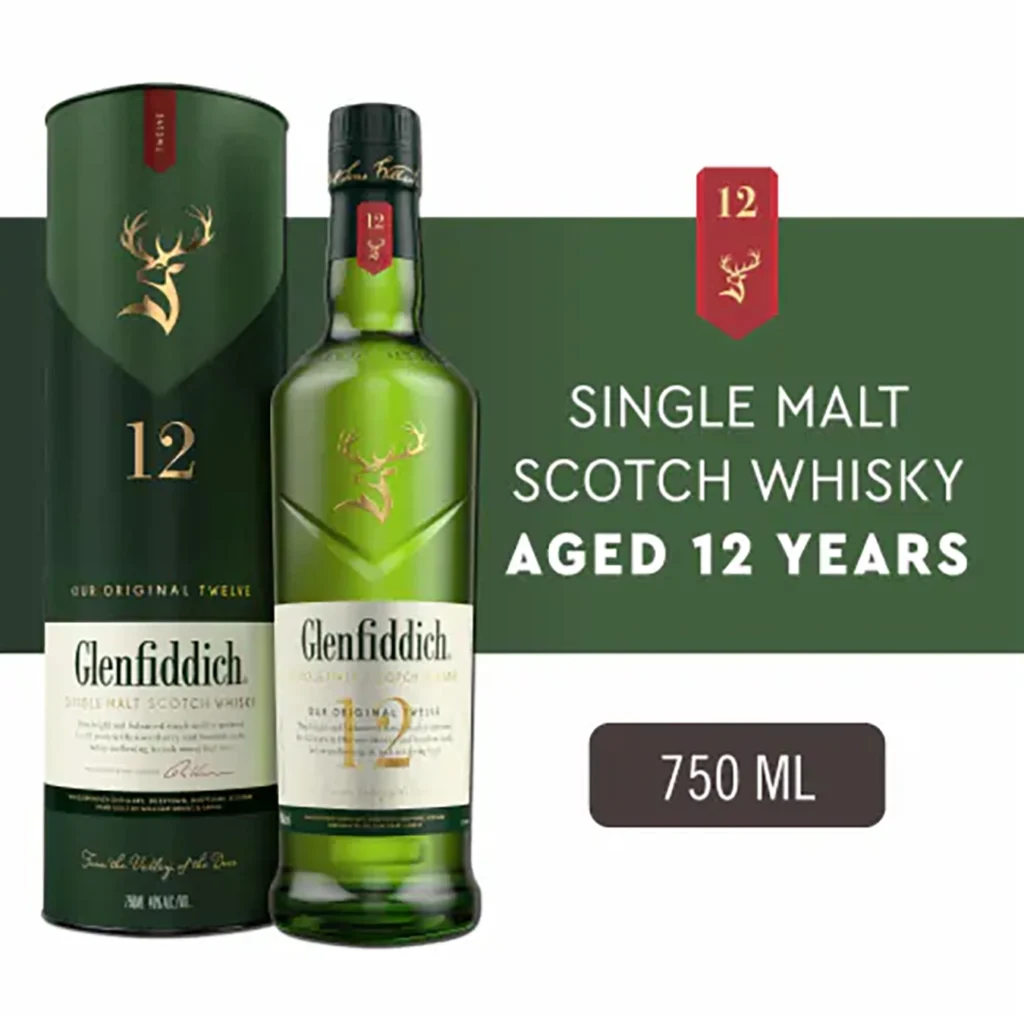
1. Glenfiddich 12 Year Old
Glenfiddich’s standard 12 is a Speyside single malt. The producer describes pear, malt and a little oak, with maturation in Oloroso sherry and bourbon casks. Check the full name if you see ‘American Oak 12’ on another bottle. That edition uses ex-bourbon oak exclusively, so the shared age does not identify the same cask recipe. Glenfiddich 12 Year Old · Glenfiddich 12 American Oak.
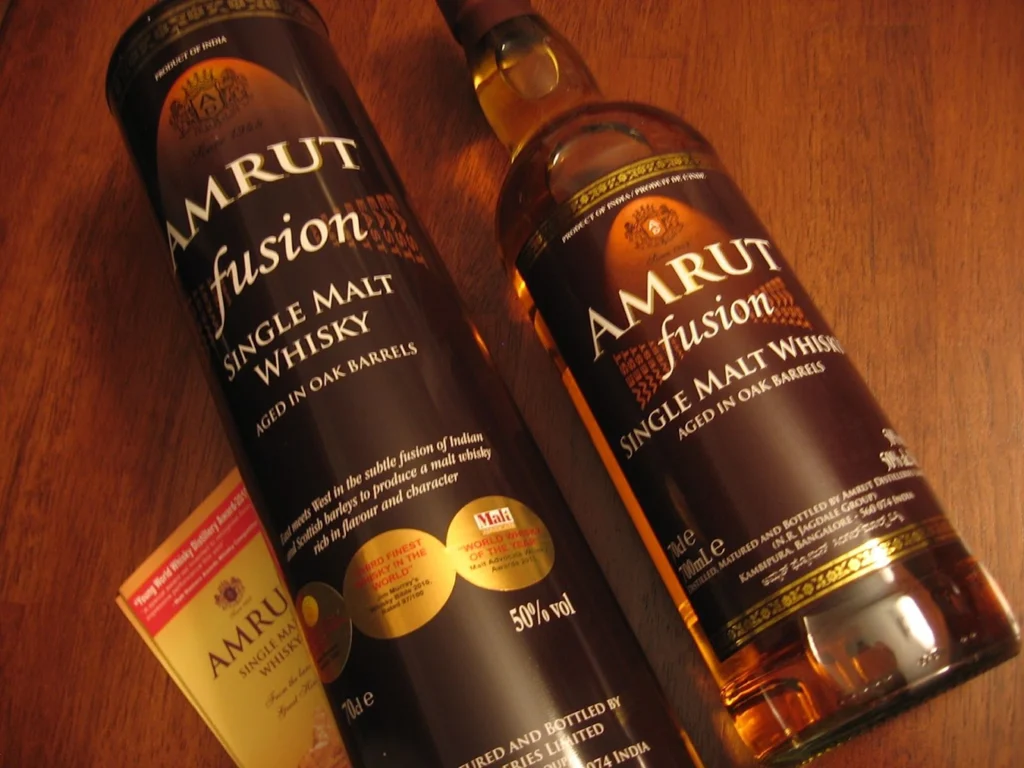
2. Amrut Fusion
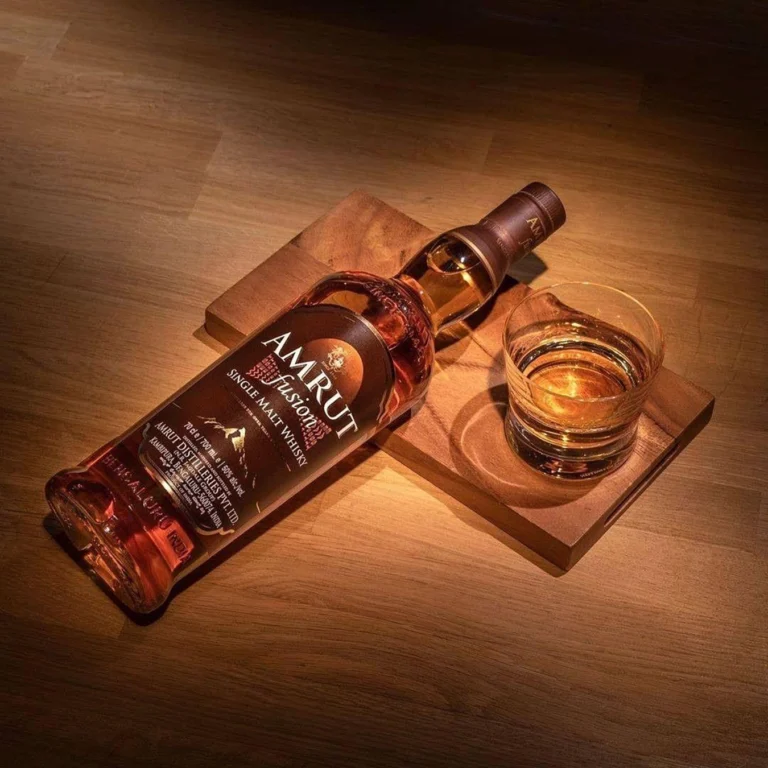
Amrut’s Fusion 50 combines Indian and Scottish barley and is bottled at 50% ABV. The producer’s notes point to oak and a smoky, chocolate-like character. The barley origins help explain the name. Both belong to a whisky produced by Amrut, so sourcing from two regions does not make Fusion a blend of whiskies from two distilleries. Amrut Fusion 50.
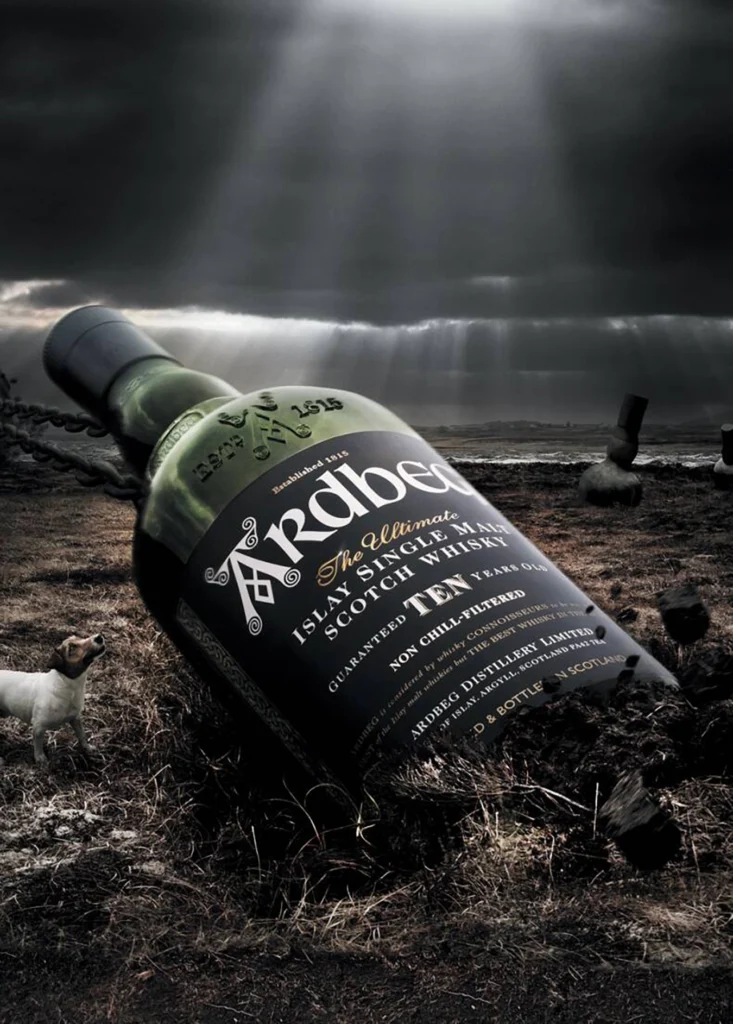
3. Ardbeg Ten Years Old
Ardbeg lists its Islay Ten at 46% ABV with bourbon cask maturation. The distillery describes lime, brine and a long peat-smoke finish. Look for ‘Ten Years Old’ on the label. Ardbeg also lists a Ten Years Old Cask Strength expression in its UK range, so the age alone is insufficient when comparing two offers. Ardbeg Ten Years Old · Ardbeg’s UK range.
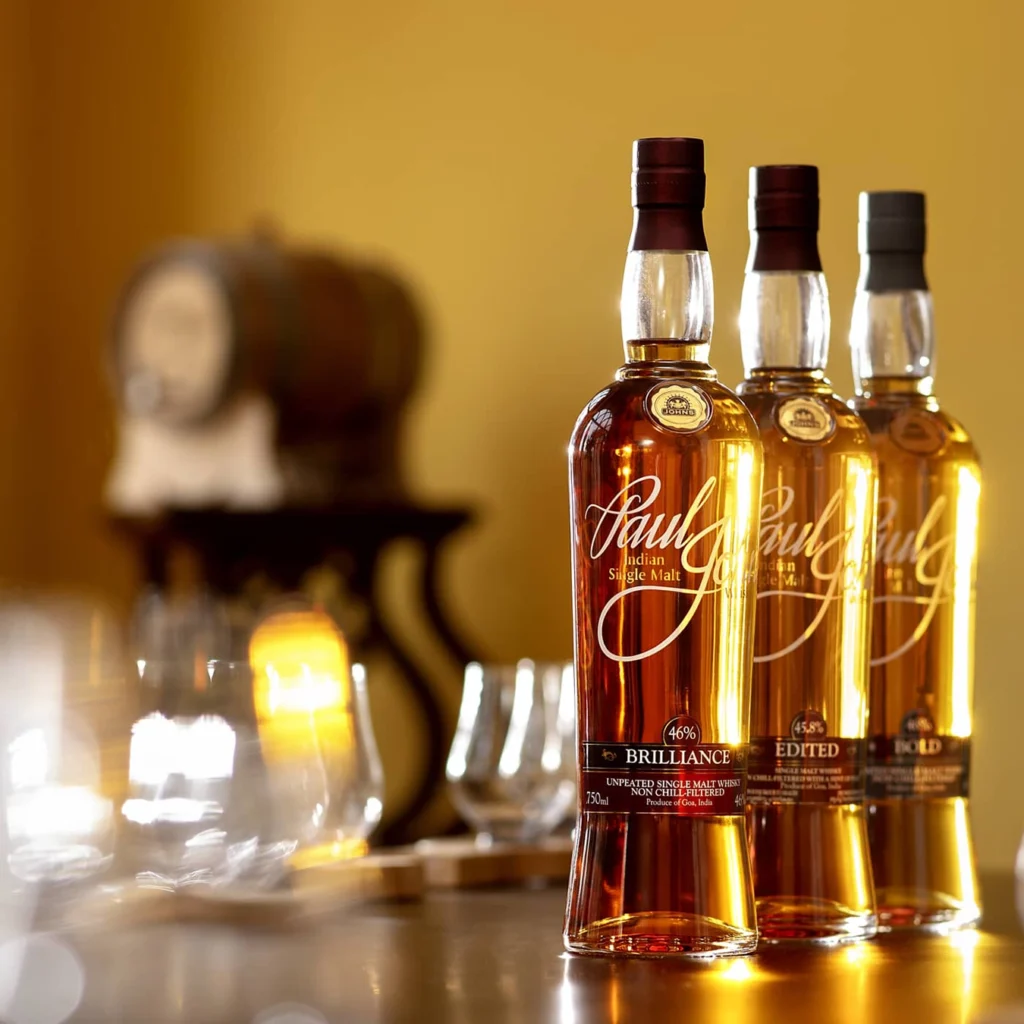
4. Paul John Bold
Paul John makes Bold in Goa and lists it at 46% ABV. Its tasting notes describe smoke, honey and spice. If you are comparing Indian whiskies, Bold gives you a peat-led option at a lower stated strength than Fusion 50. Check the name on the bottle because Brilliance and Edited belong to the same Paul John range and have their own flavour profiles. Paul John Bold.
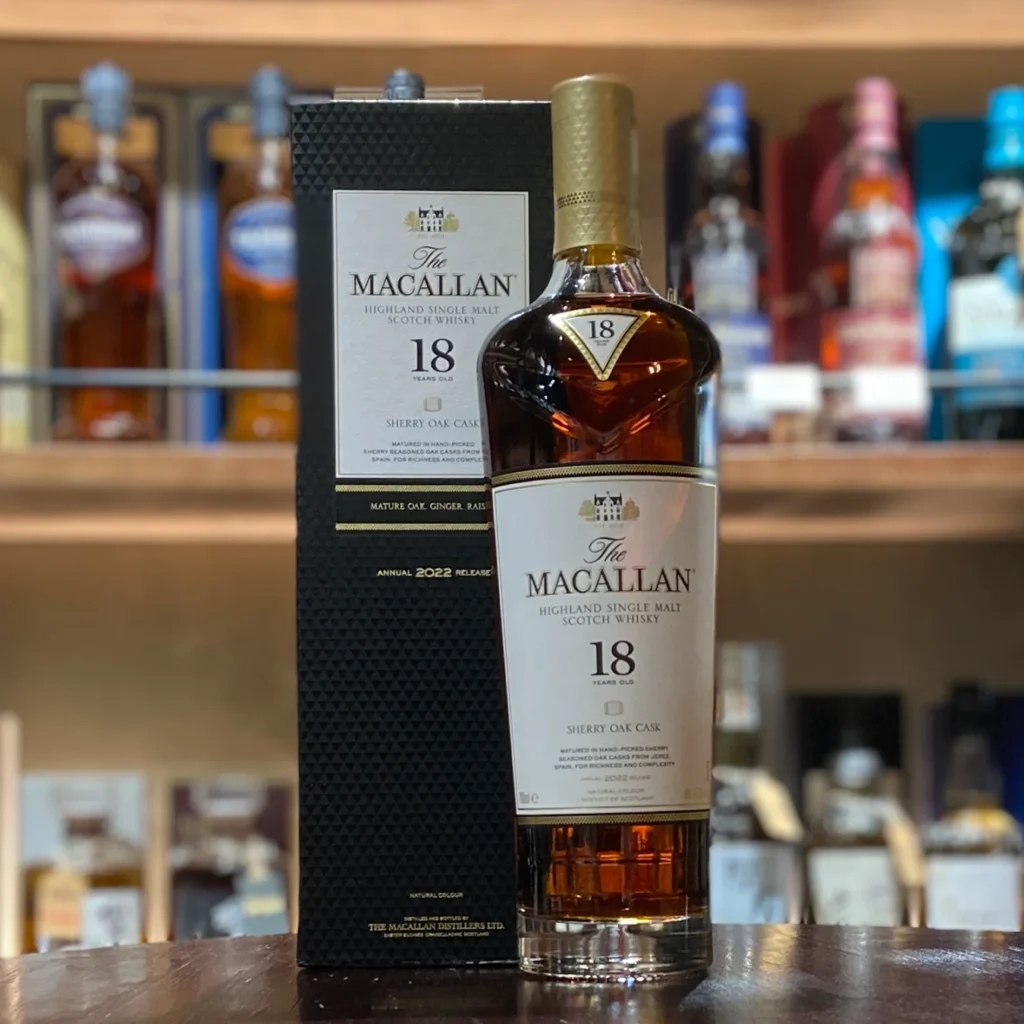
5. The Macallan Sherry Oak 18 Years Old
Macallan’s 2026 annual release spends at least 18 years in oak, predominantly in sherry-seasoned European oak casks from Jerez. Dried fruit and spice are the useful cues. Check both ‘Sherry Oak’ and the release year when comparing offers. Double Cask 18 is a separate expression, and an earlier photo of Sherry Oak 18 does not establish which annual release a seller has. Macallan Sherry Oak 18, 2026 release · Macallan collection.
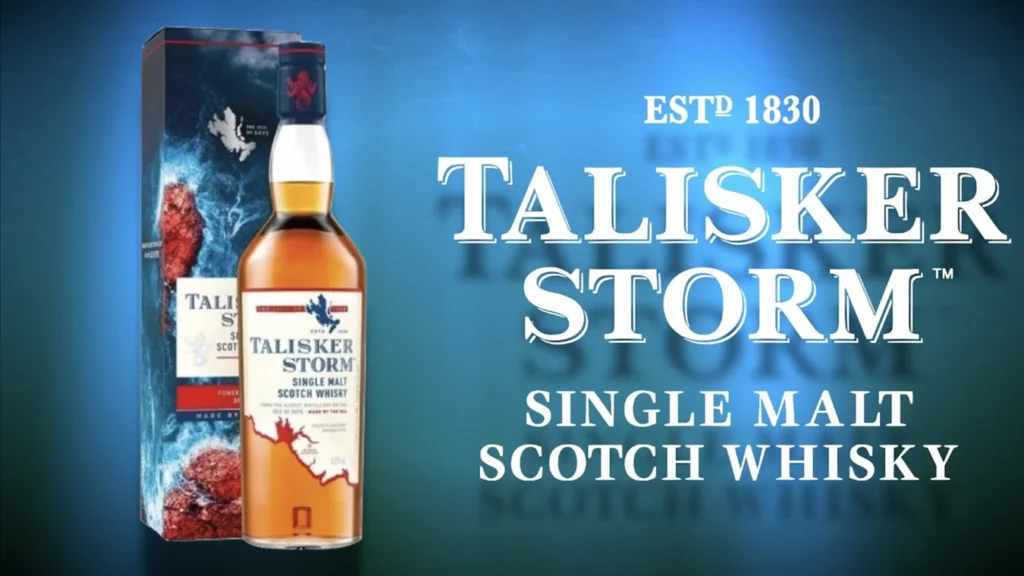
6. Talisker Storm
Storm comes from Talisker on the Isle of Skye. Diageo describes smoke, brine and pepper, with malt sweetness underneath, and lists a 45.8% ABV version. Look for ‘Storm’ on the label. Its profile overlaps with Talisker 10, but the Storm listing carries no age statement. Diageo’s Talisker Storm notes · Diageo’s Storm bottling specification.
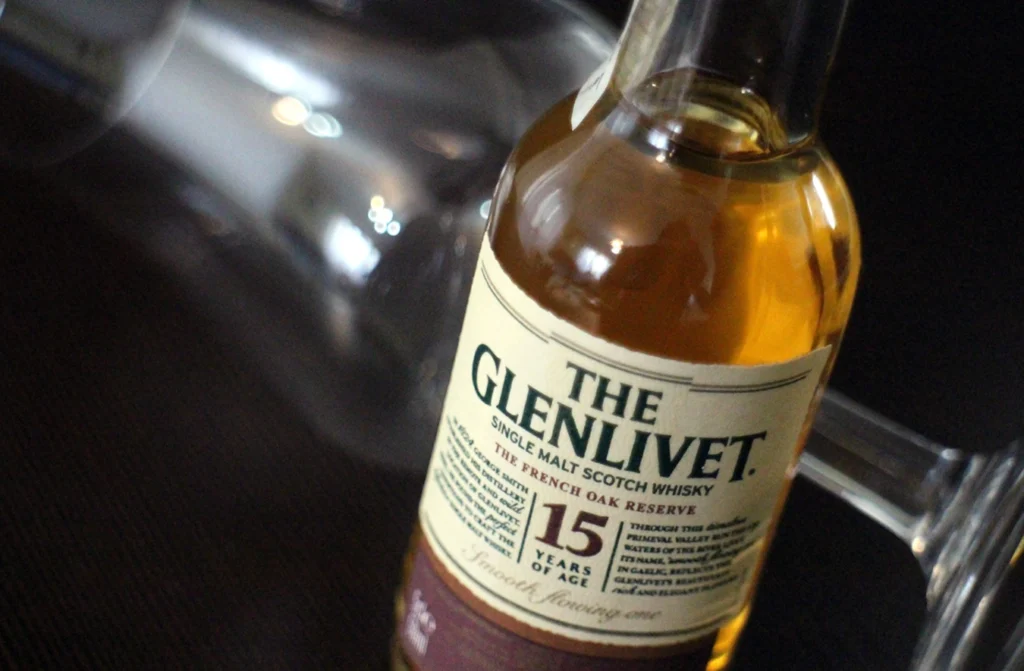
7. The Glenlivet 15 Year Old French Oak Reserve
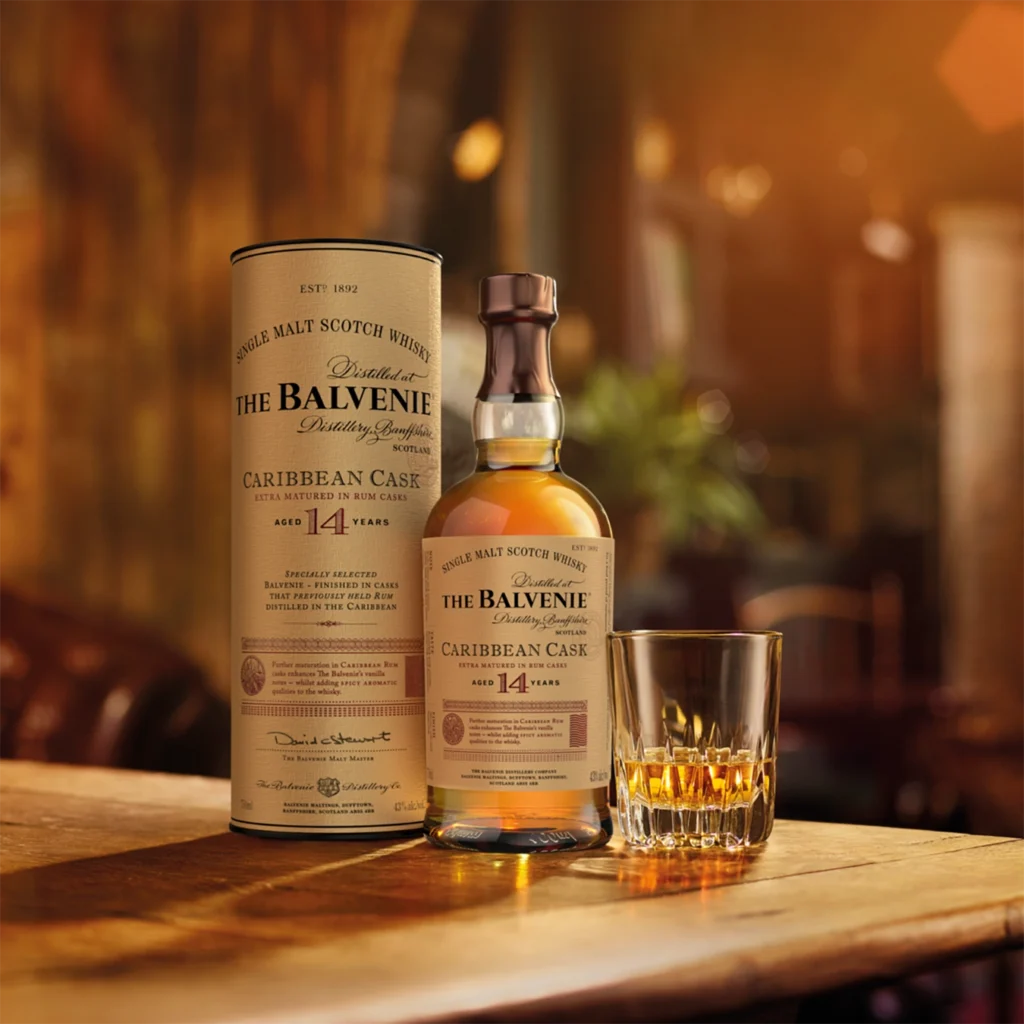
The Glenlivet matures a portion of this Speyside whisky in French Limousin oak. That distinction matters if a menu describes it simply as ‘French oak aged’. The producer lists a 40% ABV UK bottle and describes fruit and a nutty character. The 15 is a useful comparison with Balvenie 14 when you want to separate the impression of French oak from that of a rum-cask finish. The Glenlivet 15 French Oak Reserve.
8. The Balvenie Caribbean Cask 14 Year Old
The Balvenie matures the whisky in traditional oak before transferring it to casks that previously held Caribbean rum. The producer describes toffee and fruit. Look for ‘Caribbean Cask’ when comparing bottles, since the finishing cask is the main reason to choose this expression over another Balvenie. The Balvenie Caribbean Cask 14.
What changed for Scotch imports in 2026
The UK–India Comprehensive Economic and Trade Agreement took effect on 15 July 2026. UK government guidance says the tariff for qualifying Scotch under HS 2208.30 fell from 150% to 75% on entry into force and will step down to 40% over ten years. The October joint trade statement confirmed that Scotch had already entered India under reduced tariffs. UK government tariff guidance · October joint trade statement.
A lower import tariff changes one part of the cost. Shelf prices also depend on state levies, the distributor and when the stock was imported. When comparing single malt whiskeys in India, start with two offers from the same market. Match the full expression, release year where relevant, bottle size and alcohol by volume (ABV) before deciding which price is lower.
In Delhi, the Excise Department publishes brand prices for the excise year. Look for the current list and the matching bottle size, then ask a licensed shop whether that exact expression is in stock. If you are buying elsewhere, check the corresponding local source. A Delhi listing cannot establish the price or availability in Goa or Maharashtra. Delhi Excise Department price-list guidance.
To compare two sizes, divide the price by the volume in millilitres and multiply by 100. For example, ₹5,600 for 700 mL works out to ₹800 per 100 mL, while ₹5,850 for 750 mL works out to ₹780 per 100 mL. These are illustrative prices. The larger bottle costs ₹250 more at the till, even though it costs less per 100 mL. Compare the total price if your budget is fixed.
For a specific release, ask for a photo of the front and back labels before making a trip to the shop. The front usually gives you the expression and age, if stated. The back can help you check the volume and strength, which are easy to miss in a shop listing. If the offer says only ‘Macallan 18’, ask whether it is Sherry Oak or Double Cask before comparing it with another listing.
If you want to explore whiskies made by Indian distillers, use the two Indian bottles here as reference points. A reader who likes Bold’s smoke can look for other peated expressions, while someone interested in Fusion’s barley blend can compare it with a malt made entirely from Indian barley. Six Indian single malts and their flavour profiles.
Tasting and pairing
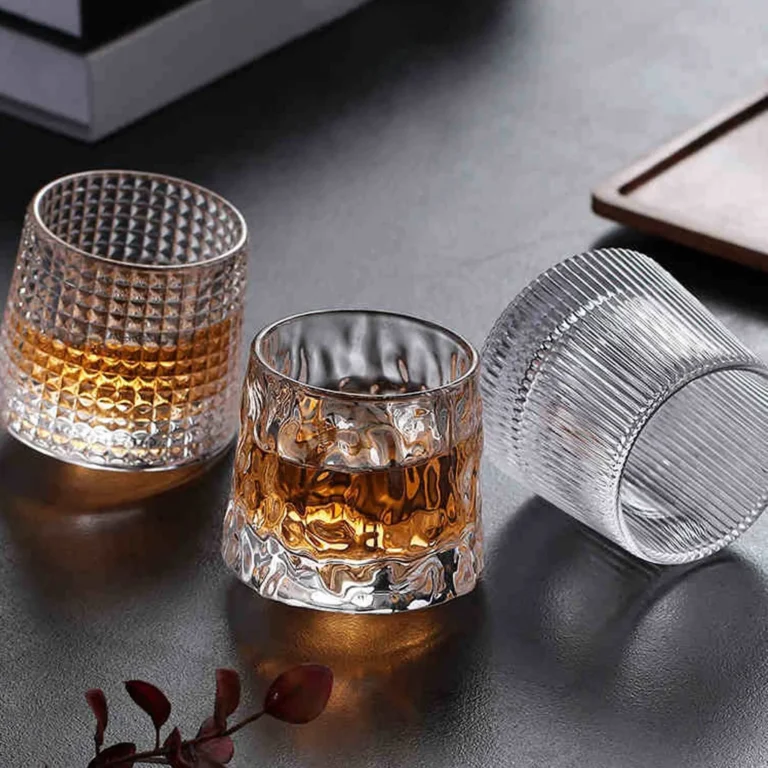
A small glass with a narrower rim makes it easier to smell the whisky. If you choose to taste two, start with the lighter one so a strongly peated whisky does not dominate your first impression. A little water can help when assessing a higher-strength bottle such as Fusion 50. For food, try a plain roasted nut alongside Glenfiddich 12 or a lightly smoked dish alongside Bold. Treat the pairing as an experiment with flavour rather than a rule.
How to narrow the list
If you want to compare smoke, put Ardbeg Ten and Paul John Bold side by side on paper first and see how their producer notes differ. If cask character interests you more, compare the rum-cask Balvenie with the sherry-led Macallan. Once you have a short list, confirm the exact bottle locally. That matters most when the same brand sells several expressions at the same age.
Alcohol and health
Alcohol increases the risk of several cancers. Follow local drinking-age requirements and never drink and drive. World Health Organization guidance.
FAQs
Which of these single malt whiskeys in India are distilled locally?
Amrut Fusion and Paul John Bold. Fusion uses Indian and Scottish barley. Bold is made in Goa.
Has the trade agreement halved the retail price of Scotch?
The 2026 tariff reduction applies to qualifying imports. Retail prices depend on the state, bottle, distributor and stock, so check a current local listing.
What should I check on a Macallan 18 label?
Look for the collection name, such as Sherry Oak or Double Cask, and the release year where shown. Both can matter when you compare offers.
How should I store an unopened bottle?
Keep it upright in a cool place away from direct sunlight and large temperature swings. The age statement records maturation before bottling. Time on a shelf does not add to that age.