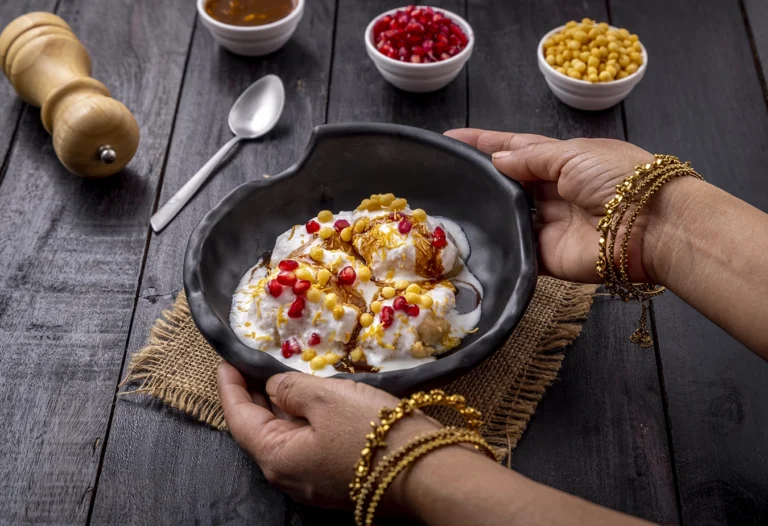
A small bowl of plain dahi can sit next to dal and rice, turn cucumber into raita or take the place of a sweet snack. It supplies protein and calcium. The curd and weight loss connection depends on how that bowl fits into the rest of the day. Research has yet to establish that adding dahi to your usual meals will make you lose weight.
Plain, unsweetened curd is a practical choice if you enjoy it and tolerate dairy. If it replaces something you usually eat, compare the two portions. A bowl of dahi with chopped guava may suit you as an afternoon snack. If you normally have the snack already, adding a second serving increases what you eat. For gradual weight loss, choose an eating pattern you can keep up over time. NIDDK guidance on weight management.
What a bowl of curd contains
The milk and recipe determine how much protein, fat and calcium a serving contains. As a label example, Amul lists about 62 kcal, 4 g protein and 138 mg calcium per 100 g of its plain toned-milk Masti Dahi, with 0 g added sugar. Those figures apply to that product. Homemade curd and other brands will vary. Check your own packet, especially if the milk or recipe differs. Amul Masti Dahi nutrition information.
What the curd and weight loss studies can tell us
A 2026 review in Nutrition Reviews pooled nine observational studies of yoghurt intake covering nearly 48,000 adults and found lower odds of abdominal obesity among adults who ate more yoghurt. The authors studied differences between groups of people. People who eat yoghurt more often can also differ in their overall diet, activity and other habits. The result cannot tell us whether a person will lose weight by starting to eat dahi. 2026 review of dairy intake and abdominal obesity.
A 2025 review limited to cohort studies, which follow people over time, found no significant association in its overall analyses of fermented dairy and abdominal obesity. The two reviews included different kinds of studies. Their findings leave the effect of adding a serving of household dahi uncertain. 2025 review of fermented dairy cohort studies.
A small 12-week trial published in 2005 did measure fat loss. The group assigned yoghurt lost more body fat than the comparison group. Both groups ate calorie-reduced diets, and the yoghurt group also consumed more calcium. The trial therefore tested a specific diet and cannot isolate what an ordinary serving of dahi would do on its own. Randomised trial of yoghurt during calorie restriction.
Fermentation and live cultures
Both dahi and yoghurt are fermented milk products. India’s food standards describe dahi as using lactic acid bacteria and specify two starter bacteria for yoghurt. A spoonful of the previous batch can set homemade dahi, but the cultures and amounts in that batch are unknown to the cook. A specific probiotic claim needs evidence about the organism and the benefit. Results for a named strain or supplement cannot be applied to every bowl of curd. FSSAI fermented milk standard · ISAPP consensus on fermented foods.
How filling is a curd snack?
In a 2025 randomised trial of 50 women, participants given Greek yoghurt reported greater fullness at 30 minutes than those given peanuts. The study followed appetite for an hour and did not measure weight loss. Greek yoghurt and ordinary dahi can differ in protein, so check the label if you want to compare the snacks. If a small bowl leaves you hungry, try pairing it with a whole fruit or serving it with a meal. Randomised trial comparing Greek yoghurt and peanuts.
Calcium and vitamin D
Calcium is one reason to include curd if you eat dairy. ICMR–NIN groups milk and curd together in its model Indian plate, which also includes pulses, grains, vegetables and fruit. Its illustrative 2,000 kcal plate includes 300 ml for milk and curd together. That figure belongs to the model plate and is not a prescribed amount of curd for weight loss. For vitamin D, check whether the product lists fortification before relying on it as a source. ICMR–NIN Dietary Guidelines for Indians.
Ways to eat curd with Indian meals
With lunch. Stir grated cucumber, roasted jeera and chopped coriander into plain dahi for raita. Serve it alongside dal, sabzi and rice or roti. If using a ready-made raita, check the sodium as well as the ingredients.
For a snack. Add chopped guava, apple or seasonal fruit to plain curd. Whole fruit adds texture and fibre. A spoonful of honey or jaggery still adds sugar, so count it if you use it regularly.
As a drink. Thin plain dahi with water and season it with mint and roasted jeera to make chaas. If you are comparing it with sweet lassi, compare the entire glasses you would drink. Pack sizes and the amount of added sugar can differ.
How to choose a curd swap that suits your meals
The curd and weight loss studies compare groups of people or foods under specific conditions. At home, start by comparing the snack you usually eat with the one you want to try. If you normally have a sweetened drink mid-afternoon, you could try plain chaas or dahi with fruit in that slot. Check the portion you would actually finish. A large glass of lassi and a small bowl of curd may look like similar servings on a menu.
If you get hungry again well before dinner, look at lunch before increasing the size of the snack. For example, dahi and cucumber can make a quick raita alongside a leftover bowl of chana and a roti. The chana and roti make that a fuller meal. If you have only a little dahi left, use it as the dressing with lemon, coriander and roasted cumin.
For a packed lunch, keep the curd separate so it stays thick and the vegetables stay crisp. Follow the packet’s refrigeration instructions. Add it when you sit down to eat. This is also a way to use the same plain tub for savoury lunches and snacks without buying separate flavoured tubs.
If you already have a regular eating plan from a dietitian, fit the change into that plan. The amount of curd that suits a person who eats dairy at several meals may differ from what suits someone who rarely has it. It helps to judge the swap by whether you enjoy it and whether it carries you through to the next meal.
Plain dahi, Greek yoghurt or flavoured curd?
Start with the ingredient list, then compare protein, energy and added sugar on the same basis, such as per 100 g. Milk naturally contains lactose, which contributes to total sugars. Added sugars are listed separately. A ‘plain’ tub can still contain fat, and a low-fat tub can still be sweetened.
Strained yoghurt can supply more protein per 100 g than ordinary dahi, depending on how it is made. Compare the figures for the two tubs you would buy. If your dahi lists 4 g protein per 100 g, a 150 g bowl supplies 6 g. A 200 g tub supplies 8 g if you finish it. Use the same multiplication for energy and added sugar.
Suppose a flavoured yoghurt lists 7 g added sugar per 100 g and comes in a 150 g cup. The whole cup contains 10.5 g added sugar. That is an example for reading the label. Use the numbers on your own cup. If you spoon sugar or jaggery into plain dahi at home, include that as an addition even when the original label says 0 g added sugar.
Compare the tubs according to what you want from that serving. For a snack with more protein, check the protein per portion first. For raita, plain dahi might already have the texture and flavour you want. Full-fat and low-fat versions can both fit a meal. If the labels show different serving sizes, compare equal weights before deciding which one supplies more protein or energy.
Two ‘Greek-style’ products can differ in how they get their thickness. Read the ingredients and check the protein figure if that is what you are paying for. For homemade dahi, use the milk you start with as a guide and treat a shop label as a comparison, since milk solids and preparation affect the figures.
When dairy causes symptoms
Some people with lactose intolerance tolerate yoghurt better than milk. Tolerance varies with the person and the amount eaten. Lactose-free dairy is an option for lactose intolerance. People with a diagnosed milk allergy should follow their clinician’s advice on avoiding milk proteins, which are still present in lactose-free dairy. NIDDK guidance on lactose intolerance · NHS guidance on dairy and milk allergy.
Questions about curd and weight loss
Do I need a bowl of curd every day?
Research has established no daily curd dose for weight loss. Choose an amount that suits your appetite and the rest of your meals. If you already have milk or other dairy during the day, consider those foods together.
Is there a best time to eat curd?
The studies above offer no basis for a particular time. Pick the meal or snack where it makes sense for you. That could be raita at lunch or a bowl of plain dahi with fruit in the afternoon.
Can curd replace a meal?
A bowl of plain dahi has little fibre on its own. Add it to a meal with vegetables and pulses or another source of protein. If you’re weighing a separate decision about cutting carbohydrates, see PicknStory’s guide to the keto diet in India.
A simple way to start
Pick one place where you already like dahi. Try a bowl with lunch or use plain curd and fruit in place of your usual sweet snack. If you buy it, check the serving size and added sugar. Then see whether the change suits your appetite and routine.