
2026 edition, reviewed 6 November 2026. Eleven Indian destinations, with practical photographic ideas and updated planning references. Check local access, weather, permissions and fees again for your travel dates.
A picturesque destination becomes a photograph through the choices you make there. Ladakh offers space and mountain scale; Varanasi brings people and riverfront activity into a close frame. Jaipur asks you to look at colour and architecture, while a backwater journey in Kerala changes the pace of observation. This selection keeps those differences at its heart.
The original article celebrated photography in 2023. This 2026 edition is a guide to eleven places, not a ranking based on visitor numbers or a route to complete in one holiday. Choose one setting that interests you, give it enough time and work towards a small, coherent story rather than a collection of hurried landmark pictures.
Discovering India’s picturesque photography destinations
For each destination, think about three questions: what makes the place visually distinctive, what kind of photograph would express that, and what could prevent you from reaching the subject? The answer might involve a monument’s opening rules, a boat’s movement, a mountain road or the privacy of people using a sacred space.
Weather and seasonal light matter, but no month guarantees the photograph you have imagined. Plan for your actual dates and keep a second subject nearby. The best alternative is often a quieter detail in the same place, not another long transfer.
1. Ladakh: mountain scale, monasteries and time to adjust
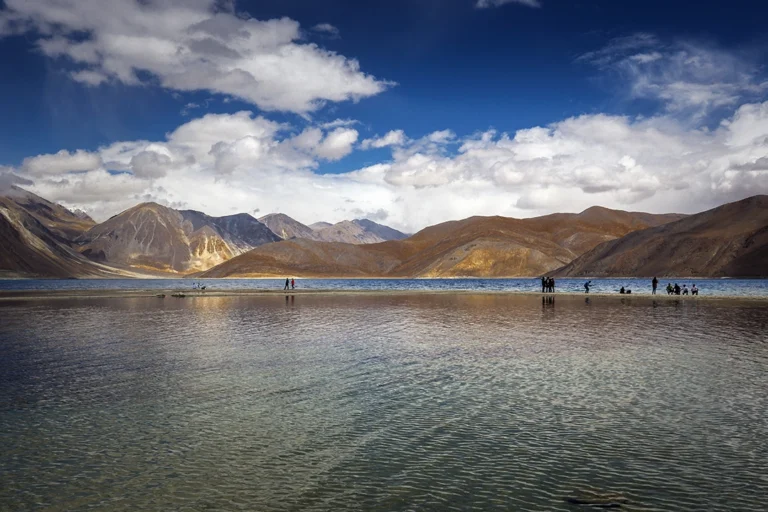
Ladakh’s rugged terrain, lakes and monastery settings remain central to the original selection. A wide view can show the relationship between a settlement and a mountain; a tighter frame can reveal a rhythm of fields, walls or ridges. Use our best time to visit Leh Ladakh guide to compare the different kinds of journey rather than treating every season as interchangeable.

Build your first photographic outing around an easy subject close to your base. Arriving with an ambitious list of passes and lakes can make the trip feel rushed before it has begun. Leave enough time to notice how the same view changes and how you are responding to the altitude.

The Leh district tourist portal advises at least 48 hours of acclimatisation before travelling onwards to high-altitude areas. It also provides current fee and permit information. Requirements depend on the traveller and destination; check the official arrangements for your itinerary instead of assuming one receipt covers every location.

At monasteries, ask about interior photography and ceremonies. A courtyard view is not permission to photograph everything inside. Keep the camera away when requested, and leave yourself a composition outside that does not depend on entering a restricted area.
2. Varanasi: the riverfront as a living place
Varanasi’s ghats, lanes, markets and rituals make the city compelling for street and documentary photography. The district’s visitor information is a useful starting point for identifying places, but your photographic approach should begin with observation rather than an assumption that every activity is available to photograph.

Choose a short stretch of riverfront and return to it at another hour. Look for relationships between steps, boats, buildings and changing light. A sequence showing the setting, an activity and a carefully chosen detail can say more than a series of close portraits taken without conversation.

Ask before making identifiable portraits, and accept a refusal without negotiation. Leave mourning families and cremation rites unphotographed. At worship spaces, follow the rules for cameras and phones. If you take a boat, agree the route, duration, price and safety arrangements first, and work from a stable seated position.
3. Jaipur: colour, geometry and human scale
Jaipur offers the original article’s lively combination of architecture and street scenes. Rajasthan Tourism’s Jaipur guide brings together subjects such as Amber Palace and Hawa Mahal. Choose one area for a sustained session instead of trying to fit every landmark into the same light.

For architecture, establish whether the picture is about symmetry, repeated openings, surface detail or a building’s place in the city. Straight verticals may be useful for a formal view; a deliberate angle can express height. What matters is choosing the effect rather than leaving a distracting lean unnoticed.

In the old city, keep entrances and pavements clear. A shopfront is a workplace, and a courtyard may have its own visitor rules. Check opening times and any equipment or commercial-shoot permissions directly with the site. Carry a manageable kit so that a busy street does not become an obstacle course around your tripod.
4. Kerala backwaters: reflections and a slower viewpoint
Kerala’s picturesque backwaters invite photographs built around reflections, palms, boats and waterside life. The original appeal is the slower rhythm, but a boat constantly changes the viewpoint. Watch how foreground branches and distant buildings line up before making the picture, and keep the horizon deliberate.

Kerala’s Responsible Tourism Village Life Experience includes boating and community-based activities. Consider whether a small-boat outing, a shore walk or a longer stay best suits your purpose. An overnight houseboat is not automatically necessary for photographing the backwaters.
Agree the route and charges in advance, check safety equipment and follow the crew’s instructions. Keep gear protected from spray and sudden rain. Photograph people at work with permission; do not ask a boat operator to disturb another craft or enter a private landing simply to improve a foreground.
5. Jammu and Kashmir: lakes, mountain settings and seasonal choices
Jammu and Kashmir is a broad region, so make the photographic plan more specific than a promise of snow and valleys. The original Dal Lake photograph provides a useful focus: water, boats, buildings and the surrounding landscape can be explored without treating every outing as another distant excursion.

The Srinagar district’s Dal Lake page describes both its tourism role and its working life, including fishing and water-plant harvesting. Look for that relationship between landscape and daily activity, with permission where people are identifiable.
Choose the season for the subject you want, then reconfirm access and local advice near departure. Snow, clear mountain views and calm reflections are conditional, not features included with a booking. Discuss a shikara route and price beforehand, and keep equipment secure while boarding or moving on the water.
6. Rann of Kutch: salt flats, open horizons and cultural detail
The White Rann is a salt-flat landscape, not an expanse of white sand dunes. That distinction changes the way you see it: a low horizon, surface texture and the relationship between an isolated subject and open space can matter more than filling the frame with detail.

Use Gujarat Tourism’s Rann Utsav information and its linked White Rann permit service to check current arrangements. Confirm the festival dates, permitted access and surface conditions for your visit. Do not assume that a festival package is required for every photographic outing, or that an old itinerary reflects the current season.
Keep a simple composition and check the edges for distracting vehicles or people. If photographing crafts or performances, ask about permission and payment instead of treating performers as props. Return with rubbish and avoid creating marks or moving into restricted areas for a cleaner view.
7. Agra: the Taj Mahal beyond a single familiar frame
The Taj Mahal’s changing appearance under light remains the original reason to include Agra. Start with the relationship between the building, gardens and surrounding space. Then consider a detail or a more restrained view; a familiar subject does not require repeating the busiest central composition.

The Agra district’s Taj Mahal information, checked for this edition, lists ordinary visitor closure on Fridays. It lists ₹50 entry for Indian citizens, with an additional ₹200 for the main mausoleum; online discounts and revisions may apply. Verify your visitor category and the final amount through the official booking route before paying.
Equipment restrictions affect the plan. The official Taj Mahal visitor rules prohibit tripods and drones, and photography inside the main mausoleum. Prepare a handheld approach and check baggage rules. Buying the mausoleum addition does not grant permission to photograph its interior.
8. Hampi: ruins within a larger stone landscape
Hampi’s ancient structures, carvings and boulder-strewn setting are strongest when shown together. The UNESCO listing for the Group of Monuments at Hampi establishes its heritage significance; it is more than an arrangement of dramatic objects for a camera.

Build a sequence around a relationship: a path leading towards a structure, repeated columns, or a carved detail followed by the wider setting. Use a person for scale only with care and permission. Leave enough time to walk between subjects without turning the best light into a hurried transfer.
Ask locally about permitted access, photography and opening arrangements for the specific complex you want. Use established routes, avoid climbing monuments and do not improvise a boulder scramble in fading light. A safe return and the condition of the site matter more than reaching a viewpoint seen online.
9. Goa: streets, architecture and life beyond the beach
Goa’s photographic interest extends beyond coastal sunsets. The original story’s combination of markets, built heritage and cultural detail offers a more varied sequence. Choose whether an outing is about a neighbourhood, a working place or the coast; combining everything can leave little time to understand any of it.

Goa Tourism’s Fontainhas guide points to its colourful architecture as one starting point. Work from permitted public positions and pay attention to doors, windows, patterns and light rather than assuming every colourful house is a visitor attraction.
A resident’s doorway is not a posing platform. Ask before photographing people or entering a property, keep voices low and leave access clear. At religious sites, follow posted restrictions. For a coastal outing, choose stable ground and a realistic return plan rather than pursuing a composition into moving surf.
10. Spiti Valley: a photographic journey shaped by the road
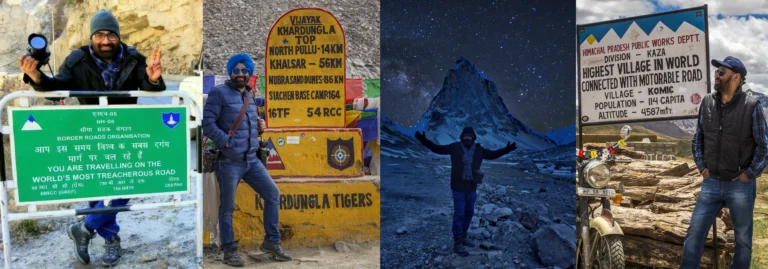
Spiti’s bare mountains, villages and monasteries provide a contrast to the cities and waterscapes in this list. For a more focused visual story, see our Spiti Valley photographer’s journey. Give one area time instead of reducing the valley to a string of roadside stops.

The Lahaul and Spiti district’s access guidance distinguishes the Kinnaur approach from the seasonal connection over Kunzum Pass. Do not assume that an open Atal Tunnel means the road to Kaza is open through Kunzum. Reconfirm the complete route, not just the first accessible section.
A winter trip needs a different plan from a seasonal circuit, including more room for delays and fewer guaranteed side visits. Our winter Spiti article explains that distinction. Treat acclimatisation, accommodation and road conditions as part of the photography plan, not interruptions to it.
11. Mumbai: movement, architecture and the edge of the sea
Mumbai offers the original selection’s urban counterpoint: built heritage, busy streets, markets and the waterfront. Choose a compact area and watch how people move through it. A frame becomes clearer when you decide whether the subject is a building, a gesture or the relationship between the two.

Maharashtra Tourism’s Mumbai City guide includes landmarks such as the Gateway of India and Marine Drive. Use landmarks to orient a story, then look for a smaller observation that makes the sequence your own.

Work without blocking commuters or traders, and follow restrictions at stations, secured buildings and waterfront barriers. Rain can change reflections and atmosphere, but slippery ground and rough coastal conditions limit where you should stand. Protect the camera and be willing to finish early rather than turn weather into a reason to take risks.
Planning a worthwhile photography trip in 2026
Choose a subject before comparing destinations. Ladakh and Spiti suit an interest in scale and mountain settlements; Kerala and Srinagar offer water-based viewpoints. Jaipur, Agra and Hampi reward attention to built forms, while Varanasi, Goa and Mumbai ask you to work thoughtfully around daily life. The Rann offers a study in space and surface.
A picturesque view is easier to photograph well when your base lets you return to it. A repeat visit to one scene gives you a chance to respond to different light, review mistakes and make a stronger sequence. Leave space in the schedule for weather, a closed site or a conversation that changes your plan.
Budget in rupees for the actual outing
Separate transport, accommodation, meals and admissions from photographic extras such as a guide, boat, local vehicle or equipment rental. Get a dated quote with the route, duration, inclusions and cancellation terms. A low advertised starting price may describe a different experience from the one you need.
Apart from the clearly identified Taj Mahal ticket example above, this guide avoids presenting a single package price for destinations with very different seasons and departure points. Reconfirm fees and ask whether camera, commercial-shoot or location charges apply. A personal holiday photograph and an organised paid shoot may require different arrangements.
Camera choices: solve a real need before buying
A newly released camera is not a requirement for these journeys. Choose equipment for the subject, walking involved and local restrictions. Start with a camera or phone whose focus and exposure controls you understand; a wider view establishes a place, while a tighter view can simplify a crowded scene.
Carry spare power, enough storage and a workable backup routine. Weather protection, comfortable carrying and permitted support equipment can matter more than another lens. Rent unfamiliar gear early enough to practise with it. Make any purchase against a specific limitation, then verify the current Indian seller’s price, warranty and exact kit contents.
Avoid fixed settings copied from another scene. Review the important detail, check whether movement needs freezing or blur, and adjust for the light in front of you. Exposure bracketing can help with some static high-contrast scenes, but it cannot replace careful timing or permission to make the photograph.
Respect people, places and permissions
Keep the original article’s emphasis on cultural awareness and consent. Ask before close portraits, paid activities or entering private space. A religious site may welcome visitors while limiting photography, clothing, shoes or equipment in specific areas. Read the signs and ask the people responsible rather than applying one rule to every place.
For organised or commercial work, confirm the relevant permission before arriving with a crew. Do not assume a small drone is permitted because it fits in your bag. Keep paths clear, leave natural and historic features untouched, and take away everything you brought.
Conclusion: give a picturesque place enough time
These eleven destinations offer different ways of seeing India, from Ladakh’s mountain scale to Mumbai’s changing street life. The most useful choice is the one that matches your interests, available time and ability to work respectfully in that setting.
Choose one place, prepare for its actual conditions and come home with a considered sequence. If you want to compare international subjects, our eight worldwide photography destinations provide another perspective. A longer destination list is not a substitute for looking carefully.
Frequently asked questions
Which of these destinations is best for a beginner?
Start with a place that matches your travel experience and physical needs. A familiar city or an easy local outing may give you more time to practise than a demanding mountain journey. Choose a manageable session rather than chasing the most famous view.
Is there one best month to photograph India?
No. Mountains, cities, salt flats and backwaters have different conditions. Choose the season for your subject, then check weather, opening arrangements and access for the actual dates. World Photography Day in August is not a recommendation to visit every destination then.
Can I photograph people and rituals freely?
Ask permission and respect restrictions, especially in private, sacred or sensitive settings. Leave mourning families and cremation rites unphotographed. A public location does not remove the need for care and consideration.
Are tripods and drones allowed at every destination?
No. Rules vary by site and purpose. The Taj Mahal, for example, prohibits tripods and drones under its published visitor rules. Check with the responsible authority before bringing equipment or planning a shoot.
Can I combine Ladakh and Spiti into a short photography holiday?
Do not treat them as nearby stops simply because both appear in this list. Plan realistic travel stages, acclimatisation and possible delays. If time is limited, a focused journey in one region is usually more workable than trying to cover both.
How much should I budget for photography access?
Separate admission from transport, a guide, boat hire and any equipment or shoot permissions. Ask for a dated quote with clear inclusions; a basic entry ticket does not necessarily cover every activity or allow every kind of photography.
A request from the author
Please leave India’s cities, villages and natural landscapes as you found them. Carry out rubbish, avoid single-use waste where practical and respect the people hosting your journey. Do not move prayer objects, damage a surface or enter a field for a composition. A photograph should be something you take away without taking anything from the place.