Gen Z protest culture is not just about anger. It is about packaging anger so it travels, lands, and sticks. When I first saw the Cockroach Janta Party clips, I felt that familiar Delhi jolt, the one you get when a joke on your feed suddenly starts sounding like a political language. I live in New Delhi, and I have watched protests here move from loud slogans on Ashoka Road to candlelight vigils, to hashtag storms, to this new camera-first theatre. This one felt different. It was sharper, stranger, and somehow more self-aware.
If you want the larger internet culture backdrop, I wrote more about youth media behavior in my piece on AI etiquette and online anxiety, because the same generation is shaping both protest and platforms.
Gen Z protest culture, in this case, did not simply copy old dissent. It inverted it. It borrowed the insult, kept the sting, and turned it into identity. It took the thali-banging gesture, the rose, the diaper drive, and the camera, and made each one speak in a new register. That is why I find the CJP movement so interesting. It is not only a political event. It is a communication design case study, built by people who know that attention is now a battleground.
Gen Z protest culture understands that if a movement cannot be explained in one scroll, it can be ignored in one scroll too. And that is exactly why this story matters.
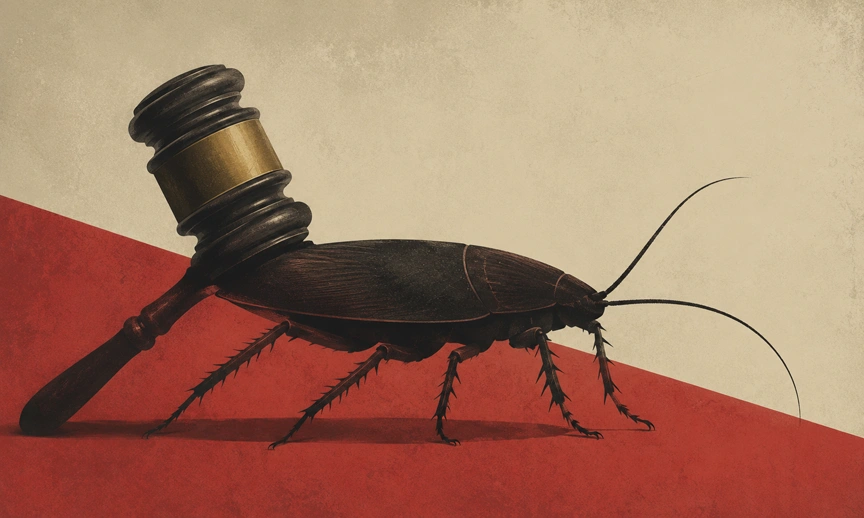
Gen Z protest culture began here with a name that should have killed the movement and instead gave it life. The word Cockroach Janta Party sounds like an insult because it was designed as one. But young protesters did not treat it as humiliation. They treated it as raw material. In India, political naming has always mattered, from the Emergency era to student uprisings to meme politics on today’s timelines. This time, the name itself became the first act of defiance.
The irony is powerful. A cockroach is what people call something stubborn, surviving, impossible to fully remove. That is exactly how this generation wanted to be seen. Gen Z protest culture often prefers reclamation over respectability. It does not ask the powerful for permission to sound serious. It makes seriousness emerge from play. The name became sticky, searchable, and meme-ready. That is not accidental. It is a strategy. In Delhi, we have seen enough slogans die in the heat. Here, the insult lived because it was easy to repeat, laugh at, and remember.
Why An Insult Became Identity
Gen Z protest culture knows that shame can be flipped. When a movement accepts the insult before outsiders can weaponise it, the insult loses its power. The Cockroach Janta Party turned ridicule into a badge, and that shift changed the emotional tone of the protest. People who might not join a formal rally were willing to share a meme, wear a sticker, or repost a line that felt cheeky rather than preachy.
That is the new logic of movement naming. In older protest language, dignity came from restraint. Here, dignity comes from refusing to be embarrassed. That is very online, but it is also deeply Indian. We do this in cinema, cricket, and even neighborhood banter. We absorb the taunt and send it back with extra style. Gen Z protest culture just did it at scale.
From Meme Page To Movement
Gen Z protest culture did not begin in a newsroom. It began in the meme economy, where humour, speed, and collective recognition decide what survives. That is why the Cockroach Janta Party feels less like a conventional organisation and more like a networked mood that became visible. Many Indian movements have used satire before, but this one was born inside the grammar of reels, comments, and reposts. The meme page was not a sidecar. It was the engine.
What makes this interesting is how the movement moved from private amusement to public symbolism. In Delhi, I have seen students at Jantar Mantar turn serious in one moment and crack a joke in the next, because that is how political pressure now works. Gen Z protest culture understands that memes are not the opposite of seriousness. They are often the delivery system for it. A joke can carry anger farther than a speech if it is timed well and shared widely. For a broader culture comparison, see my cricket and youth signals piece on IPL 2026 Indian cricket culture insights.
How A Feed Became A Public Square
Gen Z protest culture treats social media like an extension of the street. A feed is not passive consumption. It is a staging ground. Once the CJP material started circulating, the audience did not just watch. It sorted, remixed, and amplified. That created a feeling of participation before the physical gathering even mattered.
This is a major shift. Older political organising depended on unions, student bodies, and locality. The CJP model depends on recognisability. If a clip makes sense in three seconds, it can cross class, city, and language barriers. That is powerful in India, where attention is fragmented but emotion is shared. The meme page gave the protest its first audience, and the audience became the movement.
Why Humor Makes The Message Safer
Gen Z protest culture also uses humour as a shield. When a message arrives as satire, it can evade the immediate defenses that shut down direct criticism. People share it because it amuses them, then absorb the political meaning later. That is how a movement can grow before authorities or opponents fully understand its tone.
This does not mean the politics is weak. It means the packaging is smarter. The joke gives nervous participants a way in. The irony lowers the entry cost. In a country as emotionally crowded as India, that matters. A clever post can open the door that a slogan leaves closed.
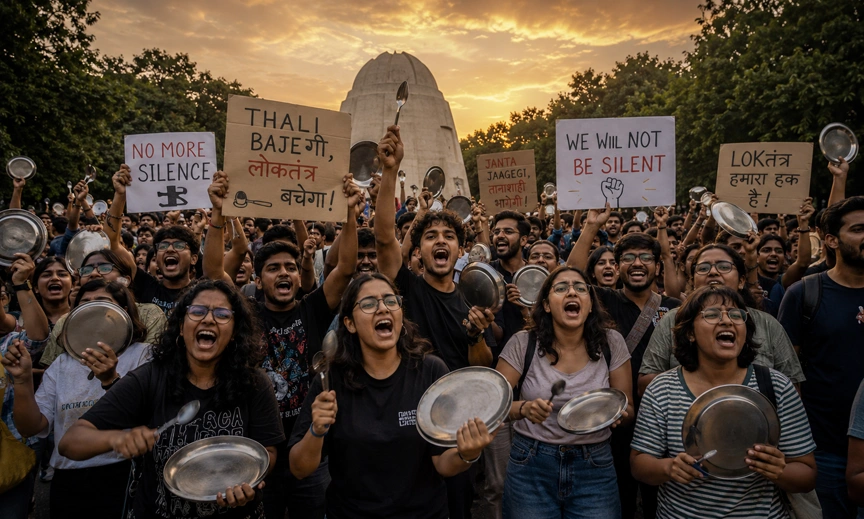
Gen Z protest culture became unforgettable when it reversed an old Indian gesture. The thali-banging moment is loaded in our memory because, during the pandemic years, it symbolised collective support, fear, and national theatre. So when young protesters repurposed the thali, they were not just making noise. They were rewriting civic memory. The gesture returned, but this time it was not for praise. It was for protest, irony, and pressure.
That reversal matters because Indian protest symbols often inherit their meaning from older emotional events. A thali is ordinary kitchen steel. In India, that makes it special. It lives in every home, every hostel, every dhaba. Gen Z protest culture chose it because it is familiar and impossible to ignore. When a thali is banged in a protest, the sound is not just loud. It is cultural shorthand. It tells everyone, instantly, that the generation is speaking back to the past.
From Support Symbol To Dissent Symbol
Gen Z protest culture is at its cleverest when it flips symbols rather than inventing new ones from scratch. The thali reversal worked because people already knew what the gesture once meant. That memory created the shock. The same object that once meant solidarity now meant confrontation. That is a strong move in communication design because it forces the audience to re-read itself.
I remember hearing similar kinds of symbolic noise near Connaught Place during smaller student gatherings. The point was never only volume. The point was to make the city notice that the meaning of a familiar object had changed. Gen Z protest culture understands this instinctively. It turns domestic objects into public language.
Why The Reversal Hurt So Much
The thali reversal also hurt because it touched memory. People do not debate symbols in the abstract. They react to what those symbols remind them of. That is why the protest landed beyond its immediate supporters. It did not just ask for agreement. It asked for reinterpretation. That is harder to resist.
When a gesture is reversed, the old comfort goes missing. The viewer cannot stay neutral. They must decide whether the new meaning is clever, disrespectful, or necessary. In that tension, Gen Z protest culture finds its force.
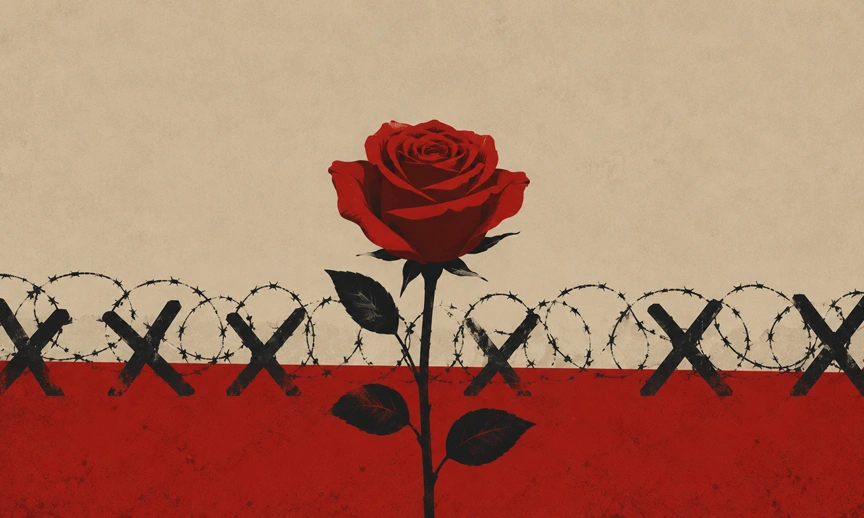
Gen Z protest culture did something else that many older protest formats rarely dare to do. It gave roses to the police. On the surface, that looks soft, even sentimental. But in protest language, softness can be a sharp tool. The rose is not just a flower. It is a public statement that says the protesters can choose dignity without surrendering force. It disarms the easy narrative that dissent equals disorder.
This gesture is especially resonant in India because police-public relations are so emotionally loaded. In Delhi, we often see the police as barricades first and citizens second. So a rose complicates the image. It creates a visual that cameras love and institutions have trouble countering. Gen Z protest culture understands that one flower in the right hand can travel farther than ten shouting voices on a bad day. The message is not ‘we are harmless’. The message is ‘we know exactly how to make you look at us differently’.
Soft Gesture, Hard Message
Gen Z protest culture uses the rose to show controlled rage. That contrast is what makes it memorable. A protester extending a flower to a policeman creates cognitive friction. The viewer expects aggression and receives restraint. That gap becomes part of the protest’s argument. It says the young are not here to destroy public order. They are here to challenge public assumptions.
That matters in India, where protest images are often flattened into either violence or victimhood. The rose produces a third image. It creates tension without chaos. It lets the movement control the moral frame of the story, which is exactly what modern campaigns need.
How Visual Civility Changes The Frame
Gen Z protest culture has a talent for visual civility. It knows that the camera reads body language before it reads slogans. A flower, a calm face, and a steady hand can change the news clip more than a long speech. That is not weakness. It is media literacy.
The rose also helps the protest appeal to older viewers who may distrust loud street politics. Once again, the point is not to look polite for its own sake. The point is to make authority look rigid while the youth look composed. That reversal is where the real power lies.
Diaper Donation Drive Decoded
Gen Z protest culture has a strange kind of precision, and the diaper donation drive proves it. At first glance, it sounds absurd, even comic. But that is exactly why it works. The diaper becomes a symbol of administrative immaturity, political helplessness, and the burden of being treated like children by decision makers. Indian protest culture has always loved satire, but this is satire with a supply chain. It is practical, symbolic, and designed for maximum shareability.
The diaper drive is also a reminder that today’s protest language is not built only on speeches. It is built on objects. People donate an item, film it, caption it, and the meaning spreads. That is very Gen Z protest culture. It is material, visual, and sarcastic all at once. It gives supporters something concrete to do, which matters because online outrage often fails when it lacks a physical act. This one did not.
Why The Object Matters
Gen Z protest culture picks objects that already carry social judgment. A diaper suggests dependency, infancy, and care. It turns the insult inward toward the system. Instead of calling the protesters immature, the gesture asks whether the establishment is the one acting helpless. That inversion is the whole trick.
In India, symbolic objects travel faster when they are funny and slightly uncomfortable. People may not agree with the message, but they will understand it. That is enough to keep the conversation alive. The diaper does not need to be elegant. It needs to be unforgettable.
Satire As Logistics
Gen Z protest culture also shows that satire can be logistical. A donation drive creates participation beyond posting. It turns belief into action. That is important because online movements are often accused of being all noise and no structure. Here, the object itself becomes the organising device.
The practical side should not be dismissed. A clever gesture that mobilises people to carry, donate, and gather is more durable than a clever caption alone. That is why the diaper drive feels like more than a joke. It feels like a method.
Camera As Witness Strategy
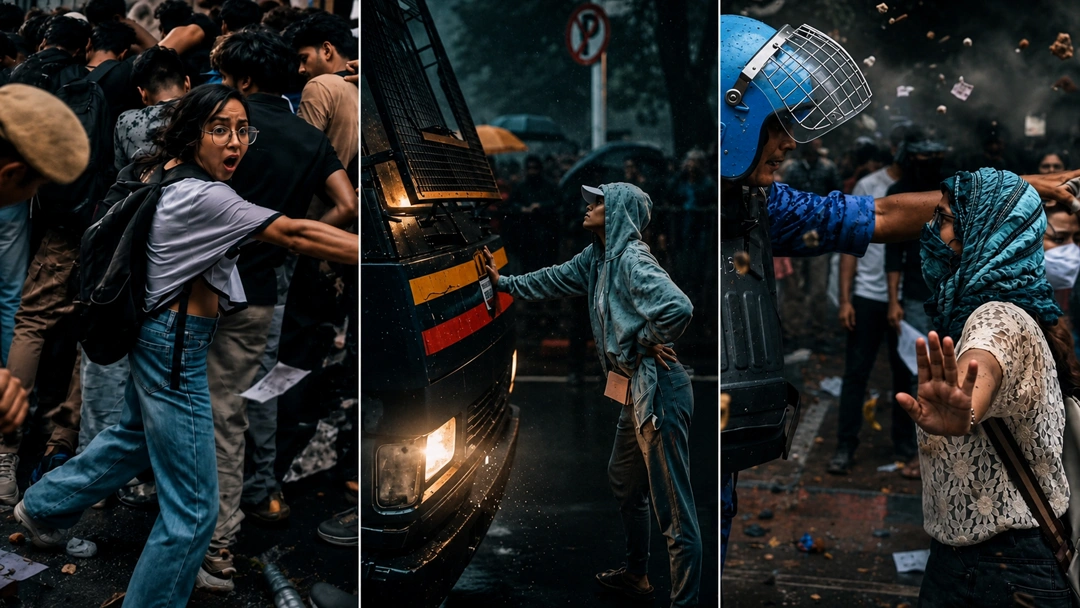
Gen Z protest culture is deeply camera-aware. That is not vanity. It is strategy. The movement seems to understand that in 2026, if something is not filmed, clipped, and archived, it can be rewritten by everyone else. Cameras are not just recorders here. They are witnesses, shields, and evidence. The protesters do not wait for media crews to arrive. They act as their own documentation team.
I noticed this shift sharply during recent Delhi gatherings. People used to assume the camera was an outsider. Now the camera is inside the protest. It shapes where people stand, how they hold signs, and when they begin chanting. Gen Z protest culture knows that the frame is part of the message. The angle matters. The witness matters. The upload matters. And once the clip goes live, the conversation can move faster than official explanations ever can.
Why Filming Is Not An Accident
Gen Z protest culture plans for the lens. That means choosing backgrounds, props, timing, and repetition with the image in mind. Protesters are not being artificial. They are being literate in a visual age. When every citizen carries a camera, the most powerful act is often to perform transparency before anyone asks for it.
This makes the protest harder to dismiss. A well-filmed moment can survive denial, clipping, and spin. The movement understands that. So it choreographs itself for memory. That is a big change from older protest habits, where spontaneity was prized over visibility.
The Archive Becomes The Argument
Gen Z protest culture turns footage into proof. The archive itself becomes political, because it preserves tone, context, and sequence. In India, where events are quickly interpreted through ideology, that matters a lot. A camera can slow the rush to judgement.
Once the protest is documented by participants, the state does not fully control the narrative anymore. Neither do parties. The footage becomes a competing truth. That is why the camera is not a side tool. It is central to the movement’s design.
Instagram Scale Vs Political Parties
Gen Z protest culture has exposed a strange mismatch in India. Instagram can build attention faster than political parties can build trust. That does not mean online reach equals electoral power. It means visibility has changed the game. Parties are still thinking in booths, branches, and speeches. The CJP style movement thinks in loops, shares, and emotional resonance. Those are not the same thing.
In Delhi, this mismatch is obvious. Political organisations still depend on old machinery, but young people often discover causes through a reel before they hear a leader speak. The scale of Instagram is not just numeric. It is social. One post can be remixed by thousands, reposted across cities, and understood without translation. Gen Z protest culture exploits that speed brilliantly. Yet it also carries a risk. Viral visibility can outpace real organisation, which means the movement must constantly convert attention into endurance.
Why Reach Is Not The Same As Power
Gen Z protest culture may dominate the feed, but that does not automatically translate into institutional change. Reach is emotional. Power is structural. The movement knows this tension, and that is why it mixes irony with physical presence. It wants bodies in the square and clips in the feed.
That hybrid model is important in India, where political change still requires material pressure. A hashtag can open the door, but the room still has to be entered. The CJP style shows that young people understand both sides of the game.
What Old Parties Keep Missing
Gen Z protest culture is not saying parties are irrelevant. It is saying they are often late. Many old political teams still speak in press-release language while young citizens speak in meme grammar. That gap is costing them attention.
If political groups want to understand this generation, they need to learn tone before they learn tools. The feed is not a distraction. It is where legitimacy now begins. And yes, it is uncomfortable for old systems. But that discomfort is the story.
What This Generation Protests Differently
Gen Z protest culture is not defined only by its symbols. It is defined by its method. This generation protests with irony, self-awareness, camera discipline, and a refusal to look solemn just to be taken seriously. That is a huge shift from the performative seriousness many of us grew up expecting from public dissent. The new protester is equally comfortable with a sign, a meme, and a clip that lands in under ten seconds.
I see this in Delhi all the time, especially among students and first-job workers who are exhausted by rent, traffic, and uncertainty. They do not want old theatrical politics. They want communication that feels native to their lives. Gen Z protest culture gives them that. It is fast, layered, and emotionally literate. It also knows how to protect itself from mockery by turning mockery into method. That is why it feels so fresh and so difficult to pin down.
Less Ceremony, More Signal
Gen Z protest culture prefers signal over ceremony. It wants the message to be legible quickly, but not simplistic. That is why the CJP symbolism works. It carries irony, history, and public pressure in one frame. The movement does not need large stages to feel large. It needs meaning density.
This is where the generation differs most from older styles of mobilisation. It has less faith in grand speeches and more faith in clever evidence. One image, one reversal, one object can do the work of a long rally if it is designed well.
Emotional Intelligence As Protest Tool
Gen Z protest culture also uses emotional intelligence as a political tool. It knows when to laugh, when to soften, and when to sharpen the tone. That gives it flexibility. It can speak to supporters without alienating every outsider immediately.
In a country as plural and noisy as India, that flexibility matters. The best movements are not always the loudest. They are the ones that understand how people actually receive meaning. This generation does.
Where The Movement Stands Now
Gen Z protest culture is still evolving, and that uncertainty is part of its force. The Jantar Mantar protests in June 2026 showed how quickly this style can capture attention and how quickly it can be questioned, misunderstood, or reframed. The movement has not settled into a conventional party structure, and perhaps that is the point. It remains more of a public language than a fixed organisation. For background on the location and event context, see this overview of the 2026 Delhi Jantar Mantar protests.
As of now, the conversation around CJP is less about who can control it and more about what it has revealed. It has shown that young Indians can build symbols faster than institutions can process them. It has also shown that protest is now as much about perception as pressure. Gen Z protest culture has raised the bar for public storytelling, whether the old guard likes it or not. And the story is not over yet.
What The Jantar Mantar Moment Changed
Gen Z protest culture made Jantar Mantar feel less like a location and more like a media event. The site became a stage where gesture mattered as much as grievance. That changed how people watched the protest. They were not just asking what the demand was. They were asking how the demand was being delivered.
That shift is significant. Once a protest becomes visually distinctive, it enters a different class of public memory. It is harder to forget, harder to flatten, and harder to dismiss as routine unrest. That is the legacy of this moment, whether it grows or fragments.
Why The Movement Still Feels Open Ended
Gen Z protest culture leaves room for unfinishedness. It does not always pretend to have a final institutional answer. That can frustrate critics, but it also keeps the movement adaptive. The open-endedness lets it survive changes in mood, platform, and leadership.
If you are trying to understand where it goes next, the most honest answer is this: it will likely keep moving between humour, documentation, and symbolic disruption. That is its native language. And in today’s India, native language is power.
Frequently Asked Questions
What Is The Cockroach Janta Party?
Gen Z protest culture uses the Cockroach Janta Party as a reclaimed political identity built from satire, insult, and social media energy. It is less a formal party and more a youth protest label that spread through memes, symbolic gestures, and camera-friendly actions. The phrase captured attention because it sounded mocking at first, then became a badge of resistance. That is exactly why it matters.
Why Is It Called Cockroach Janta Party?
Gen Z protest culture often flips insults into names, and that is what happened here. The word cockroach was used to suggest something unwanted, but protesters turned it into a symbol of survival and stubborn presence. Janta Party adds political weight and irony. Together, the name becomes both joke and challenge. It is memorable, searchable, and deliberately hard to dismiss.
What Are The CJP Protesters Demanding?
Gen Z protest culture around CJP has been read through several demands tied to accountability, representation, and youth frustration with political systems. The movement is not always framed like a traditional manifesto, which is part of its design. Instead, it communicates through symbols and public acts. That can make it harder to summarise, but easier to spread. The demand is as much for recognition as for policy.
Who Is Abhijeet Dipke?
Gen Z protest culture has attached public curiosity to Abhijeet Dipke as a name linked with the movement’s visibility and online spread. Depending on where you first saw the story, he may appear as organiser, amplifier, or symbolic face. The point is that the movement thrives on networked figures rather than one central leader. That makes it flexible, but also easier to misread.
What Happened At Jantar Mantar In June 2026?
Gen Z protest culture came into sharper public focus during the June 2026 protest at Jantar Mantar in Delhi. The event drew attention for its unusual symbolic language, strong online circulation, and camera-first behaviour. It was not just about numbers on the ground. It was about how the protest looked, sounded, and spread. That is what made the moment travel far beyond Delhi.
Why Did Gen Z Reverse The Thali Banging Gesture?
Gen Z protest culture reversed the thali-banging gesture to turn a familiar symbol of solidarity into a critique of power. The same object that once represented collective support was reintroduced as a protest sound. That reversal shocked people because it touched recent memory. It was a smart way to say that old rituals no longer mean the same thing in a new political moment.
What Is The Diaper Donation Drive?
Gen Z protest culture used the Diaper Donation Drive as a satirical public action that turned an object into a political message. The diaper stood for immaturity, dependency, and administrative helplessness. It also gave supporters something tangible to do, which helped convert online attention into participation. The drive was part performance, part criticism, and part community signal. That mix made it powerful.
Is The Cockroach Janta Party A Registered Political Party?
Gen Z protest culture should not be confused with formal electoral structure. The Cockroach Janta Party is not known as a conventional registered political party in the usual sense. It functions more like a protest identity, a meme-based political persona, and a symbolic youth network. That distinction matters because its power comes from culture, not party paperwork. It is intentionally fluid.
How Big Is The CJP Movement On Social Media?
Gen Z protest culture has given CJP unusually strong visibility on social media, especially across reel-first platforms and repost-driven spaces. Exact numbers change fast, but the scale comes from how shareable the visuals are. The movement benefits from irony, short captions, and distinctive props. In digital terms, that makes it far bigger than a small physical gathering might suggest. The feed multiplies it.
What Is The Current Status Of The Jantar Mantar Protest?
Gen Z protest culture around the Jantar Mantar protest remains fluid, with the movement’s visibility depending on online circulation and renewed public attention. It is not a settled campaign with one neat ending. Instead, it keeps resurfacing through clips, commentary, and symbolic replays. If you want a deeper background on how such movements spread online, the best way is to watch the archive and the audience together. The story is still unfolding.
Conclusion
Gen Z protest culture has taught us something that older political language often forgets. A movement does not need to sound respectable to be serious. It needs to be legible, emotionally intelligent, and brave enough to turn ridicule into memory. That is why the Cockroach Janta Party feels larger than one protest. It is a lesson in how a generation communicates when it no longer trusts the old script. I keep coming back to this because, in Delhi, I see how quickly public language changes once young people decide to own it.
For me, the real story is not whether every symbol will last forever. It is that this generation has already changed the rules of arrival. It can use a thali, a rose, a diaper, and a camera without losing coherence. That is rare. It is also deeply Indian. We have always been a country that argues through symbols, from street theatre to cricket chants to meme wars. Gen Z protest culture simply tightened the loop and made it digital. If you want to understand more about how young audiences are reordering attention itself, read my piece on AI etiquette and anxiety again with this lens in mind.
So watch carefully. Not every viral protest becomes history, but every serious movement now needs to pass through the feed. That is the new public square, and Gen Z already knows how to speak there. Gen Z protest culture
Disclaimer/Editorial Note: This article reports on an ongoing, rapidly evolving news event. Details were accurate as of July 25, 2026, based on the sources cited, and may have changed since publication — readers are encouraged to verify current developments through primary news sources before relying on any specific detail here. picknstory.com does not endorse, oppose, or take a position on the political demands, government response, or law enforcement actions described in this piece; this content is offered as cultural and factual commentary only, not political opinion or advocacy.
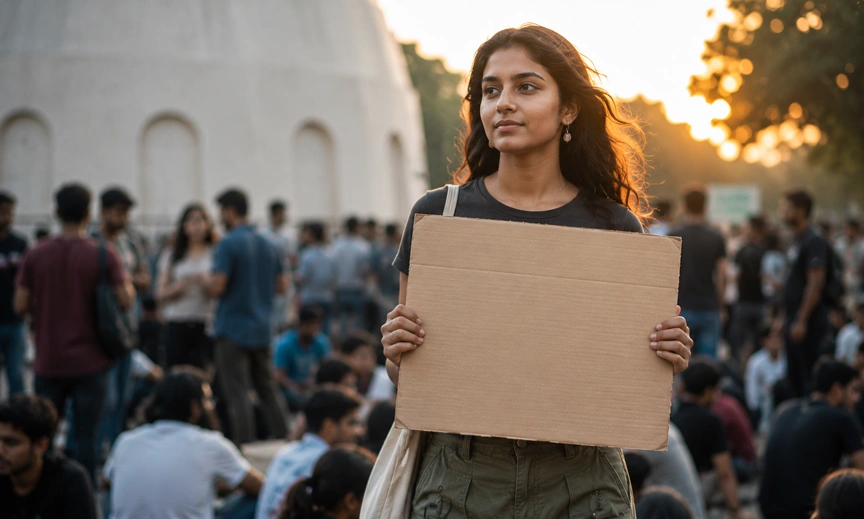
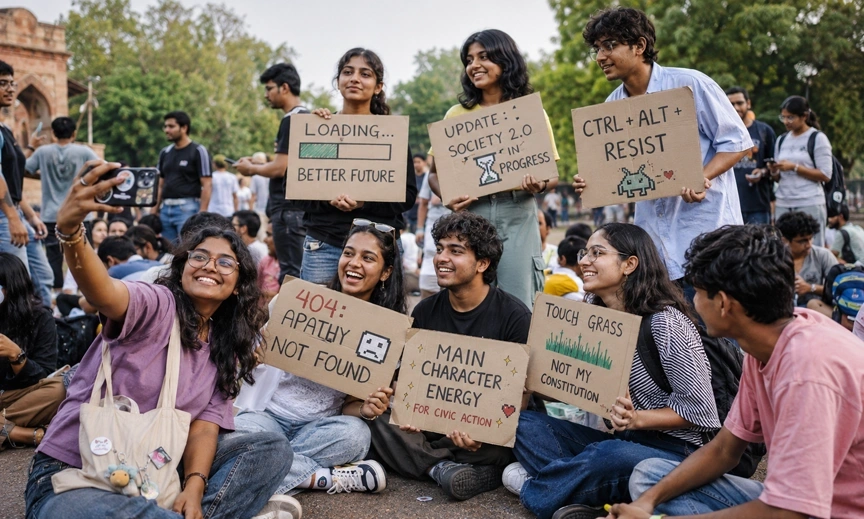
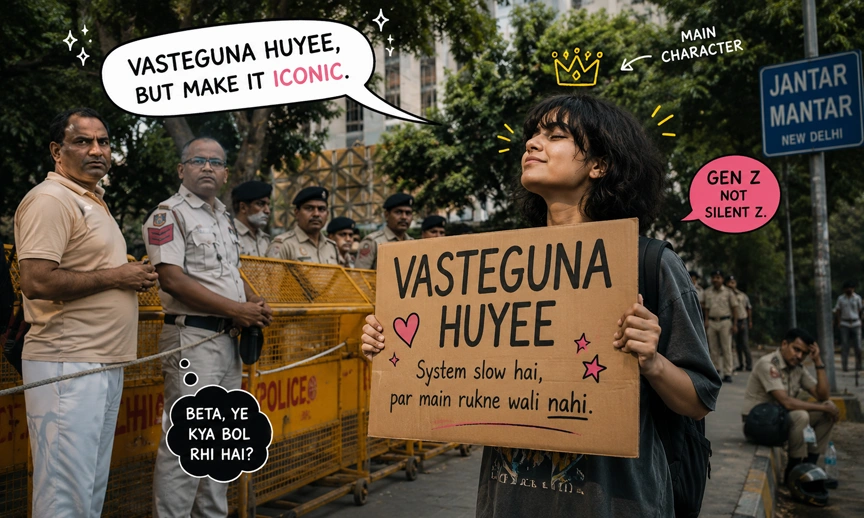
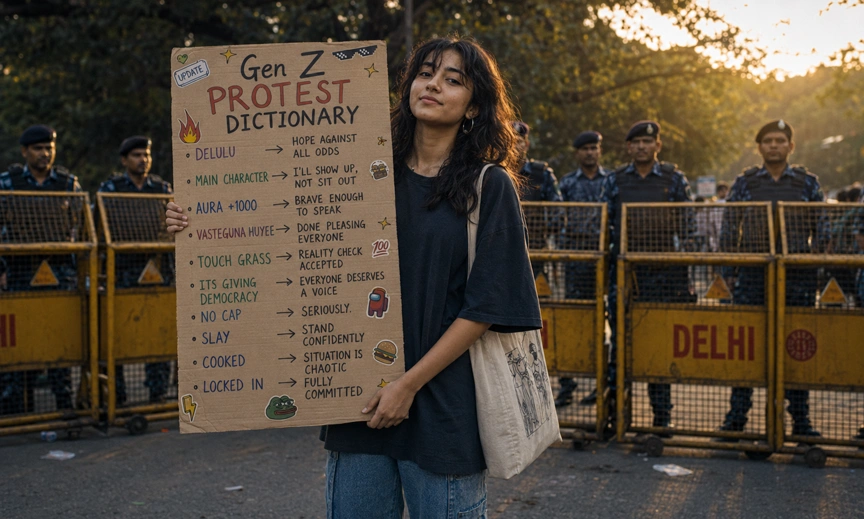
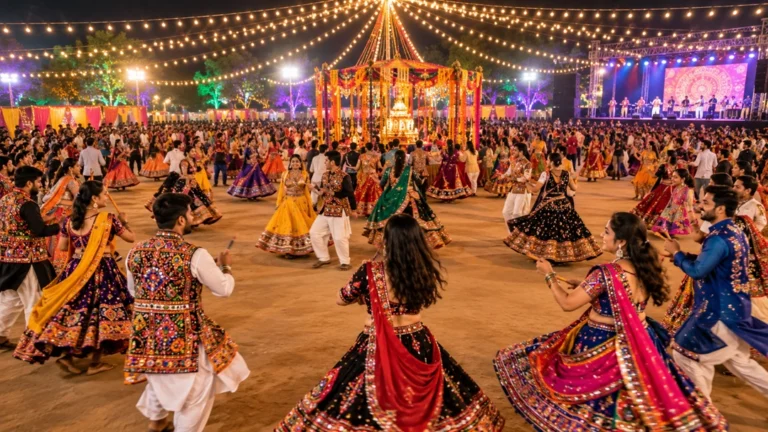
All illustrations accompanying this article are symbolic, AI-generated graphics and do not depict actual individuals, actual events, or real photographs from the protest site. Names, quotes, and figures referenced are attributed to the news sources linked in this article.