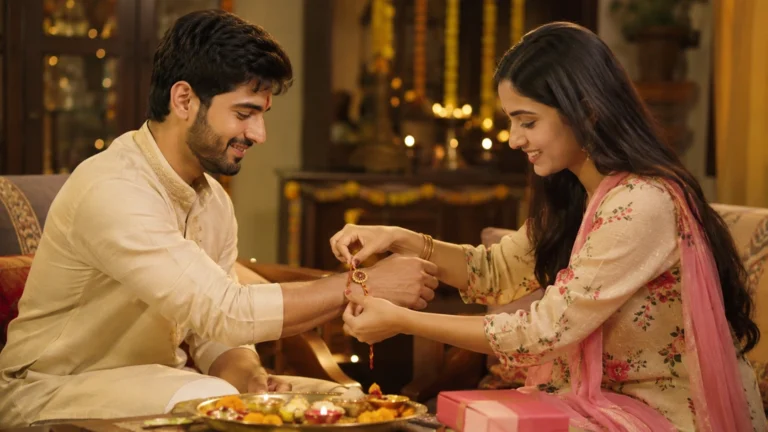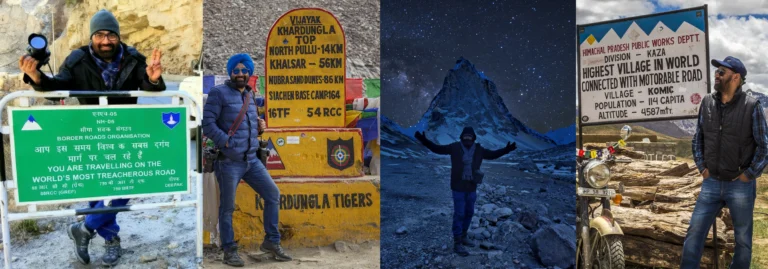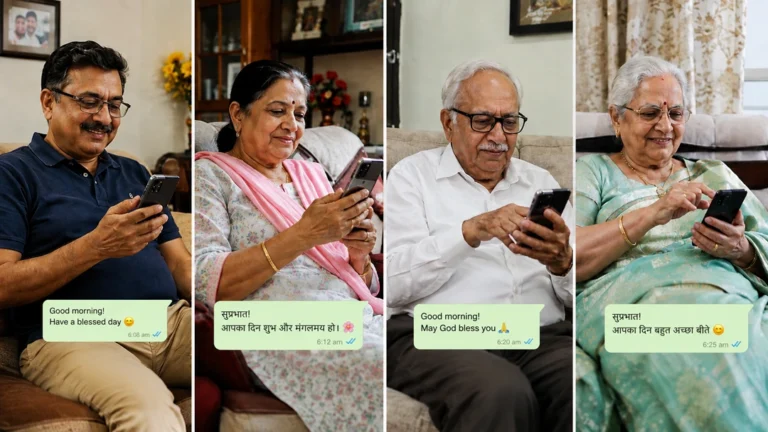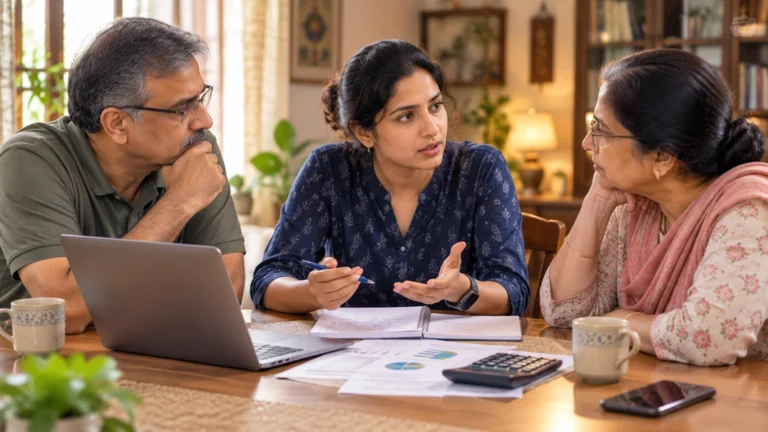
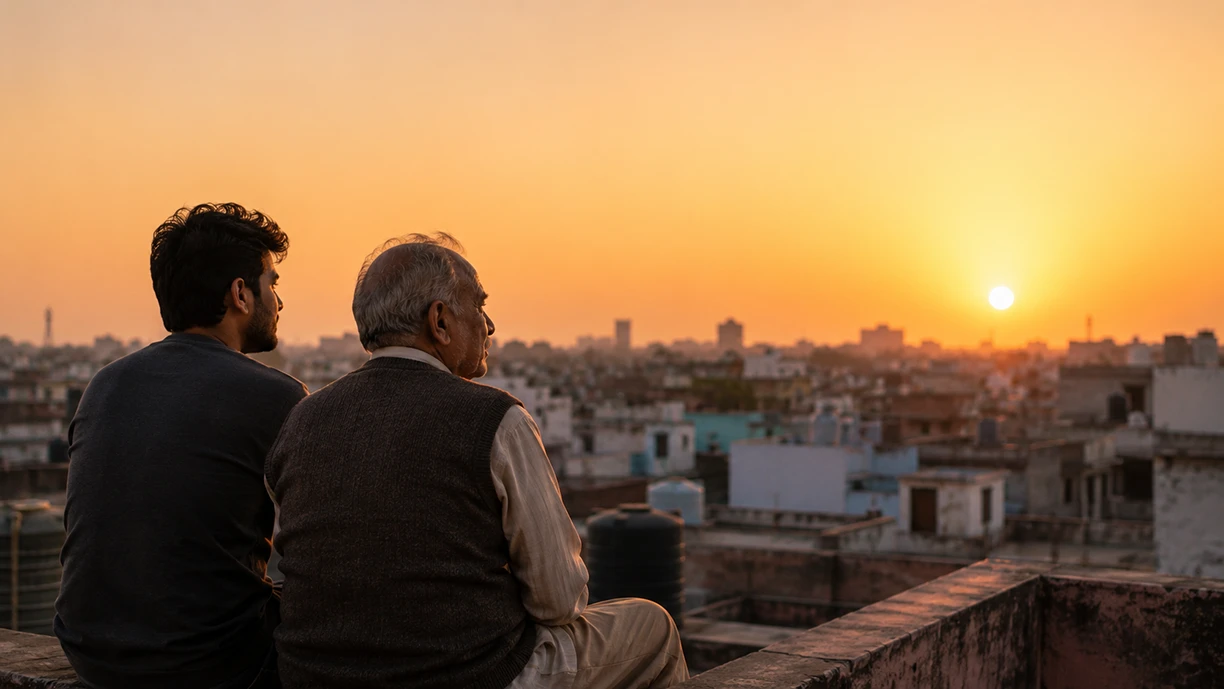
There’s a certain quiet strength that defines Indian fathers’ emotions. Growing up in New Delhi, this was something I saw firsthand. My own father seldom expressed his love in words, but his every action was a testament to his care. For many Indian children, understanding the silent language of love communicated through provision is a rite of passage. This Father’s Day, let’s explore how this cultural nuance is not an emotional failure but a powerful testament to enduring love, and why many of us only appreciate it years later. To learn more about how this aspect affects families collectively, this article on empty nest syndrome could provide more insights.
The Provider Love That Never Needed Words
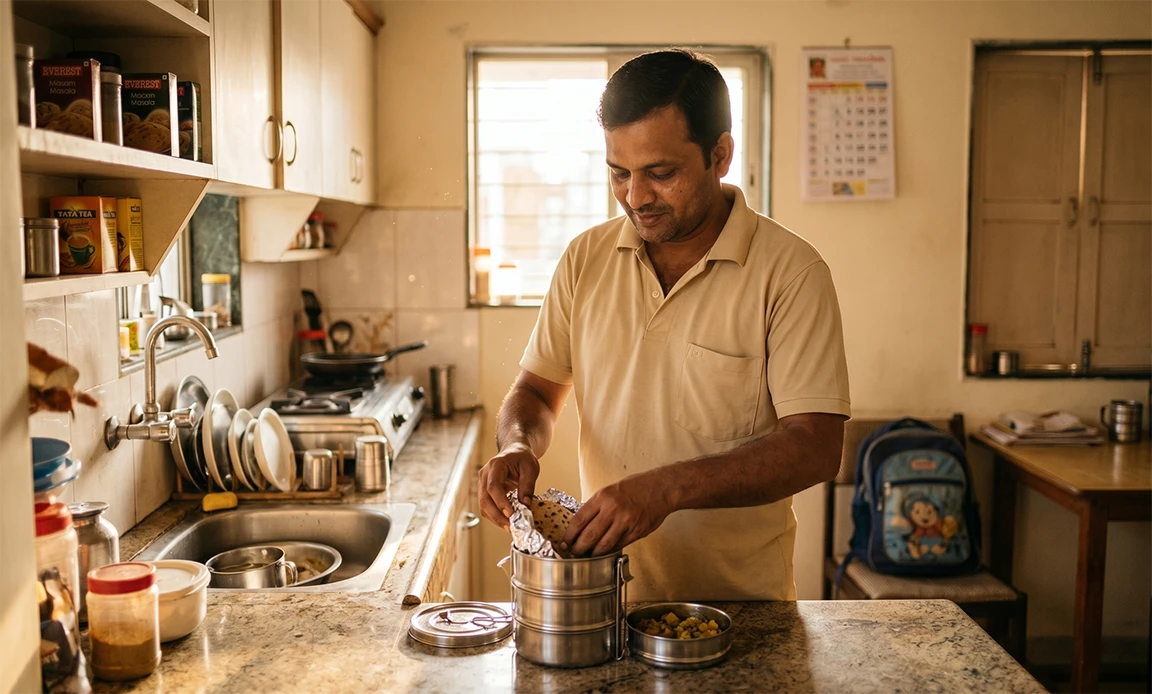
For Indian fathers, emotions often manifest in the form of provision. In India, the role of the father traditionally centers around being the provider. Growing up, I often saw how my father’s measure of love was in the sacrifices he made for our future. The focus was not on spoken words, but on ensuring the family thrived, demonstrating love through unwavering dedication and hard work.
The Sacrifices That Speak Volumes
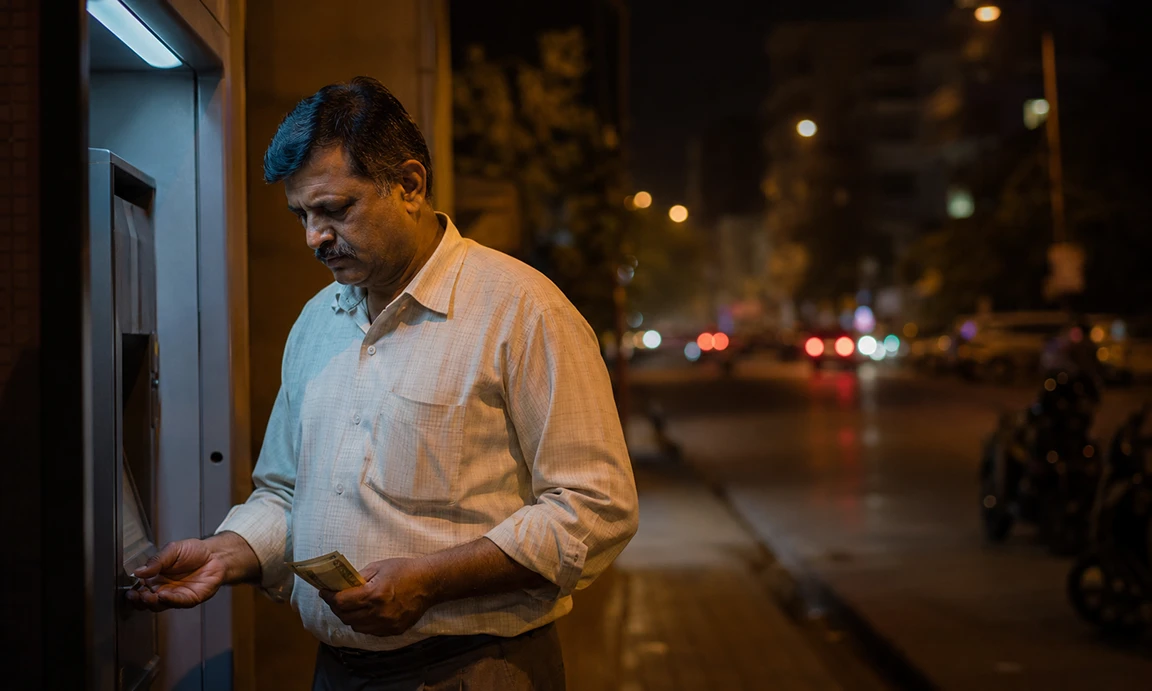
My father, like many Indian fathers, emotions hidden beneath his stern exterior, found expression in his labor. Whether it was working late hours to pay for our education or foregoing personal luxuries, these were his love letters to us. As children, we often misinterpret these actions as mere responsibility, yet they are profound symbols of love.
Presence Over Proclamation
The absence of verbal affirmations does not indicate a lack of emotion. Instead, it’s in the subtle gestures – a shared cup of tea, a ride to the market – where Indian fathers’ emotions quietly reside. This presence and participation in everyday life embodies a silent but powerful bond.
How Indian Men Were Taught to Bury Emotion
Indian fathers’ emotions are often deeply rooted in cultural conditioning. Historically, Indian men have been socialized to equate love with provision, not verbal expression. From a young age, boys are taught to be stoic and restrained. This cultural backdrop shapes how they later express affection as fathers.
A Generation of Silent Warriors
In India’s patriarchal society, men are expected to be the breadwinners. Expressions of tenderness, often perceived as vulnerabilities, were constricted by societal norms. This does not reflect a lack of affection but underscores how fathers showed unwavering commitment, their emotions conveyed in fulfilling familial duties.
The Cultural Shift
Changing dynamics and a more modern narrative are encouraging Indian fathers to explore verbal expressions of love. However, the transition is gradual, and traditional methods of showing care continue to dominate the familial landscape. Reading more about the cultural transformations can help better understand India’s evolving family dynamics.
The Sacrifice Language – Reading Your Father’s Silences
Understanding Indian fathers’ emotions involves learning to read between the lines. Silence can often convey multiple layers of thoughts and feelings. This is particularly true when it comes to Indian fathers, whose actions often speak louder than any words could.
The Art of Silence
Growing up, my weekends were filled with silent yet profound moments with my father. Whether working side by side in the garden or driving through the bustling streets of Delhi, these unspoken intervals were filled with assurance and solidarity. This silent language became our unbreakable bond.
From Tables to Timetables
The unsaid support during late-night study sessions, or the sacrifices of missing family celebrations to secure a better future, show how Indian fathers’ emotions communicate silently yet potently. These gestures shape our understanding of commitment and responsibility.
Why Sons and Daughters Feel the Distance Differently
Indian fathers’ emotions can create a unique dynamic between fathers and their children. Daughters and sons may interpret the silence in differing ways, colored by cultural expectations and individual experiences.
The Daughter’s Perspective
For daughters, the emotional language of an Indian father is often mixed with cultural expectations of protectiveness and guidance. This sometimes results in a perceived emotional distance, yet it’s balanced with the security provided by a father’s presence.
The Son’s Legacy
Sons, on the other hand, navigate expectations of mirroring their fathers’ stoic demeanor. It’s an inheritance of strength and stability, yet they may struggle with expressing emotions, attempting to bridge the gap they may perceive.
The Turning Point – When Indian Fathers Soften
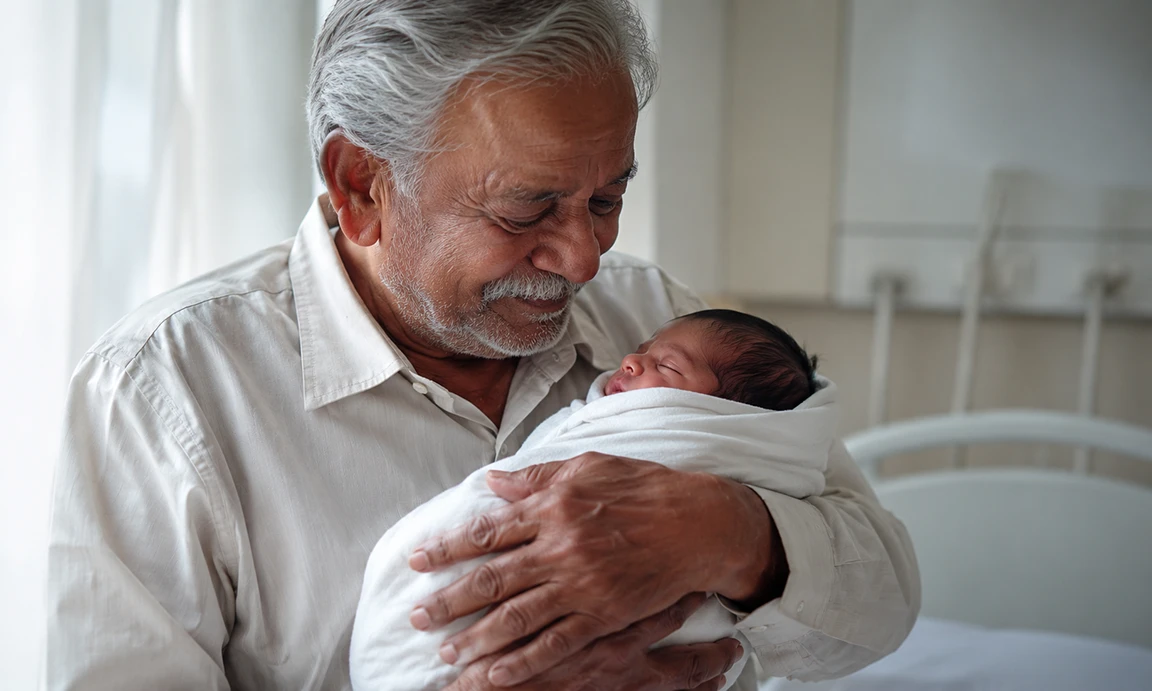
With time, Indian fathers’ emotions often evolve, and they begin to soften, expressing more openly the affections they once conveyed through action alone. This shift is an emotional opening that comes with experience and reflection.
A Milestone of Change
My father, now in his sixties, has started sharing stories of his youth, dreams he set aside, desires he never voiced. This willingness to open up bridges the gap of years spent in silence, revealing a new layer of his love started from an understanding beyond words.
Shared Moments
Celebrations and quiet evenings now hold more open expressions of affection. It’s in these later years that Indian fathers’ emotions come into fuller view, allowing a reciprocal sharing of emotion with their children.
What Research Says About Emotionally Absent Fathers
Studies on parental emotion emphasize that emotional presence is crucial for healthy development. The impact of emotionally distant fathers can echo into adulthood, influencing relationship dynamics and self-esteem.
The Psychological Effects
Children with emotionally unavailable fathers may develop insecurities or face challenges in expressing their own emotions. This resonates with the family structures seen in India, where emotional and physical presence intertwines with silence.
A Path Ahead
Modern psychologies suggest creating avenues for dialogues, encouraging fathers to express emotions. Understanding these barriers can aid in mending potential rifts, ensuring each generation grows with emotional warmth.
How the Next Generation of Indian Fathers Is Changing
The landscape of Indian fathers’ emotions is transforming with evolving familial and social norms. Younger fathers are increasingly stepping into roles of increased emotional involvement, setting examples significantly different from previous generations.
The New Dialogue
Today’s fathers engage more in conversations about feelings and emotions, which were historically uncharted grounds. This shift marks a pivotal change in bridging emotional distances that once seemed irreparable.
Cultural Transgressions
Younger generations are breaking away from traditional molds and fostering environments where open communication with their children is encouraged, helping future families grow with balanced mental and emotional foundations. This change is supported by broader discussions seen across society.

What Your Father Probably Wants to Say Right Now
In the heart of every Indian father lies an abundance of unsaid affections. As children, realizing what our fathers wish to communicate helps in understanding their emotions better. They often desire to express pride and values beyond mere provision.
Words Left Unspoken
“I am proud of you” is a phrase many fathers would love their children to comprehend. They wish to share in your joys and achievements, bask in the light of their upbringing, hoping to convey this silently through their unwavering support.
Bridging the Divide
Understanding these desires can help initiate conversations, leading to a greater appreciation of the roles they have played silently yet profoundly in our lives. This understanding is an integral step towards more profound familial unity.
How to Bridge the Gap Before It Is Too Late
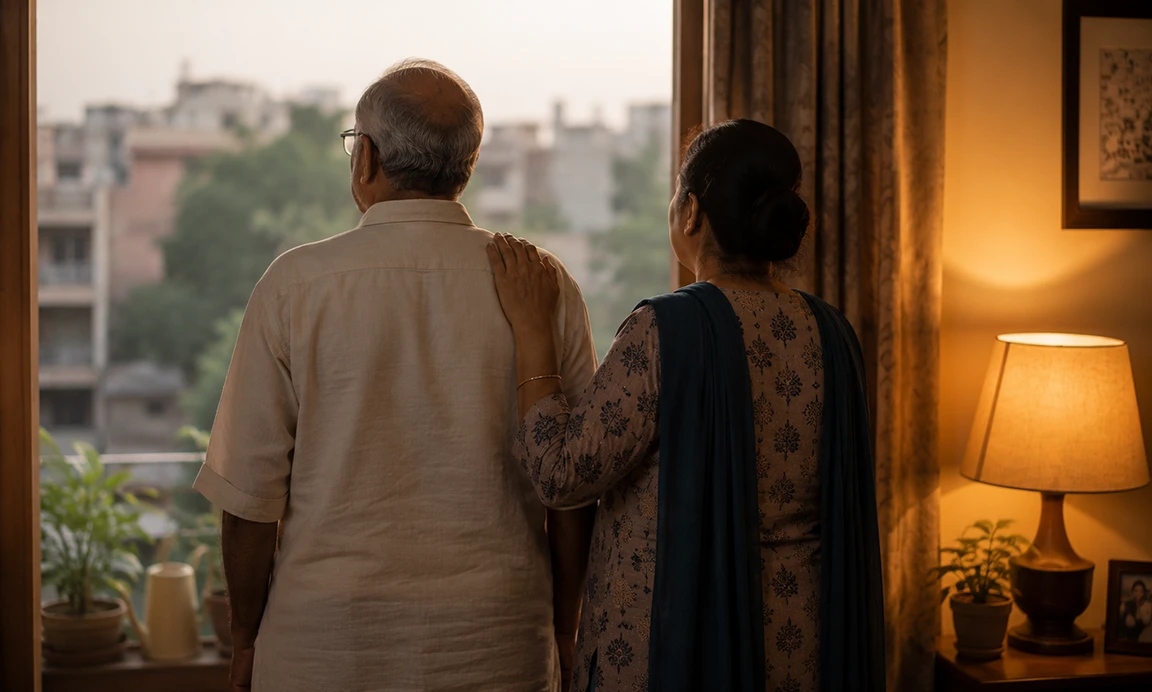
Reflecting on Indian fathers’ emotions and their unspoken language, bridged gaps become crucial before time shortens these opportunities. Understanding, patience, and proactive communication are vital in closing gaps with aging fathers.
Make the First Move
Take the courage to initiate conversations that delve into thoughts and emotions. Engage in activities that have meaning for both sides, like shared interests or revisiting places of familial significance, reinforcing connections.
Honoring the Legacy
Recognizing and appreciating the sacrifices Indian fathers have made is essential. Acknowledge their profound impact, and imbibing the spirit of gratitude, fosters a harmonious and heartening relationship.
FAQs About Indian Fathers’ Emotions
- Why do Indian fathers struggle to say I love you?
Indian fathers often struggle to say “I love you” due to cultural norms that emphasize actions over words. Traditional values teach men to express love through provision and support, relying on practical demonstrations rather than verbal expressions. This focus on duty and responsibility shapes how love is communicated, making spoken affirmations less common in Indian cultures.
- Is emotional distance between Indian fathers and children a cultural pattern?
Yes, emotional distance can be a cultural pattern where Indian fathers’ emotions are expressed less verbally, leading to misinterpretations of detachment. This pattern arises from traditional expectations prioritizing financial support and stability, valuing actions over words, shaping familial dynamics across generations.
- How do I connect with my emotionally unavailable Indian father?
Connecting with your emotionally unavailable Indian father involves patience and understanding. Initiate small conversations, share mutual interests, and express appreciation for his efforts. These steps create openings for deeper emotional exchanges, bridging perceived gaps and nurturing an environment for heartfelt dialogues.
- Why do Indian dads show love through actions and money rather than words?
Indian dads often show love through actions and money not words, due to traditional upbringing that prioritized providing and protecting over emotional expression. Society taught them that stability equates to affection, so love naturally manifested in hard work and financial security rather than in verbal affirmation.
- How does an emotionally distant father affect adult children long-term?
Emotionally distant fathers can influence adult children by causing difficulties in expressing feelings, forming relationships, and understanding self-worth. This ripple effect of Indian fathers’ emotions leaves children striving to establish emotional connections, often reflecting on personal relationships without a clear emotional blueprint.
- What is the psychological impact of growing up with a silent Indian dad?
Growing up with a silent Indian dad can impact emotional development, as expressions of vulnerability and warmth may be rare. Indian fathers’ emotions, when absent verbally, can lead children to value actions highly, yet this may also create internal conflicts about how love is expressed and perceived.
- Are Indian fathers becoming more emotionally open in 2026?
Yes, Indian fathers in 2026 are increasingly becoming emotionally open, encouraged by shifting societal norms that support dialogue and self-expression. Younger fathers are more willing to embrace tender communications, marking a generational shift that enhances emotional bonds within families.
- How does the Indian father-child relationship compare to Western families?
The Indian father-child relationship often centers around unspoken support and provision, differing from more verbally expressive Western paradigms. Western families may prioritize direct emotional communication, while Indian traditions value a silent, persistent presence, showcasing love through reliability and sacrifice.
- What do Indian fathers regret most as they grow older?
As Indian fathers grow older, they often regret missed opportunities to express love and emotions verbally. They recognize the impact of silent communication on familial bonds and desire more open exchanges to convey the depth of their pride and affection.
- How can I have a meaningful conversation with my Indian father this Father’s Day?
Having a meaningful conversation with your Indian father this Father’s Day involves genuine expression of gratitude and curiosity about his life experiences. Share memories, ask about his dreams, and listen actively. These dialogues foster understanding and connection, celebrating the richness of the relationship.
Conclusion
Indian fathers’ emotions are often a tapestry of silence and action, profoundly stitched with care and sacrifice. Reflecting on this unique love language has changed the way I view my own relationship with my father. This Father’s Day, let’s honor the legacy of love through action and seek to understand the quieter messages that define our bonds. May we create space for conversations that bridge the gaps, teaching the next generation that love, in all its forms, is the greatest legacy. For more insights into familial relationships and festivities, check out celebrating Diwali sustainably for a holistic approach to family gatherings.