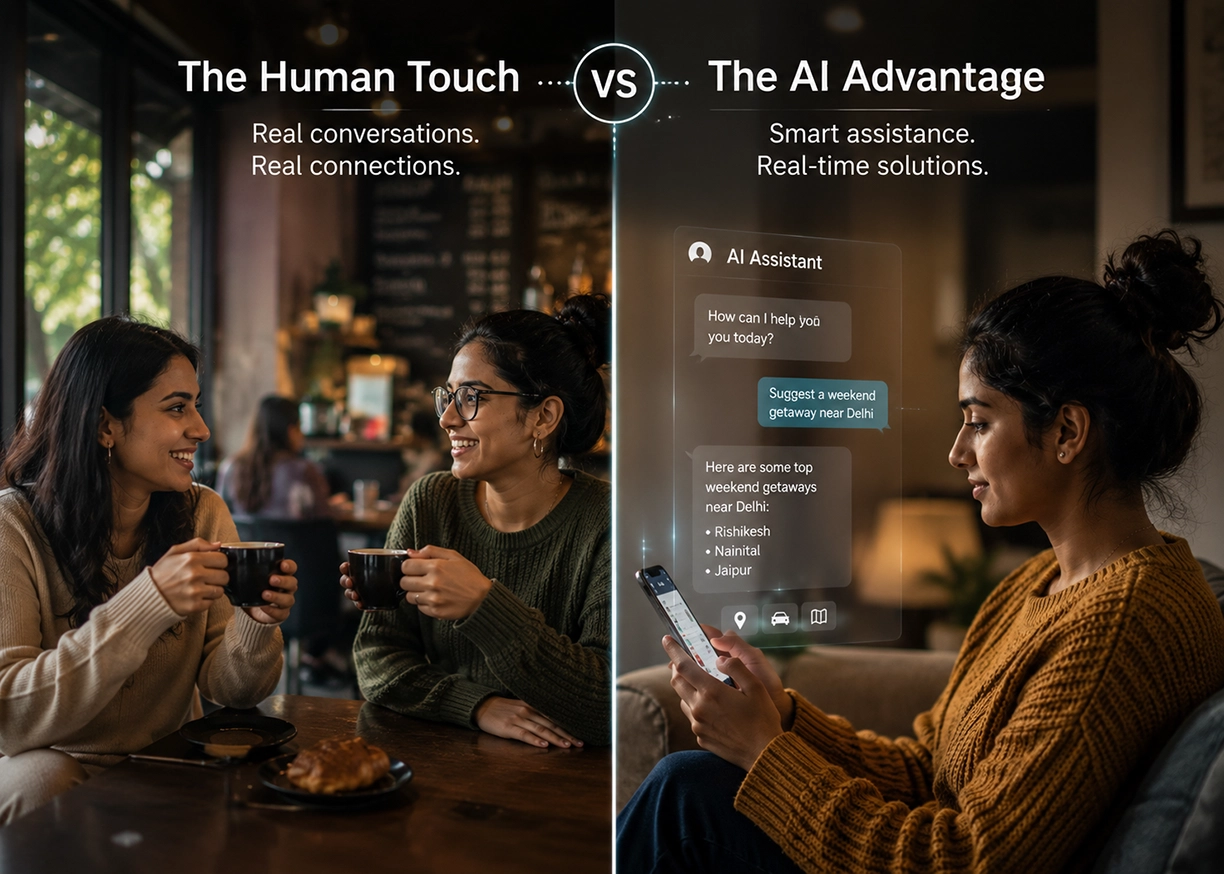
As artificial intelligence becomes woven into daily routines, the question of how people behave around AI is more relevant than ever. AI isn’t just a technology buzzing in the background—it’s starting to feel like a real presence. Virtual assistants, chatbot therapists, and AI-powered friends are sparking fresh discussions on manners, loneliness, and what it means to share emotional moments with machines.
In this in-depth article, we’ll explore the shifting boundaries between humans and AI, exposing how technology is nudging us to rethink communication, empathy, and our need for connection.
Intimate Connections: From Tools to Trusted Friends
For decades, computers and robots were seen as soulless machines—mere tools for solving problems. But as AI grows more advanced, a transformation is underway. Today, chatbots and virtual companions are designed to simulate conversation, empathy, and even humor. People confess secrets to digital therapists, rely on virtual friends for comfort, and sometimes even fall in love with AI companions.
This shift is significant. It signals a move from seeing artificial intelligence as cold automation, to viewing it as something closer to a confidant.
One reason for this transformation is the personalization AI offers. For example, a virtual friend that remembers your birthday or responds kindly to your worries may feel unexpectedly real. Moreover, people project their hopes, personalities, or unmet needs onto these digital entities, forging unique relationships that say as much about us as they do about the tech.
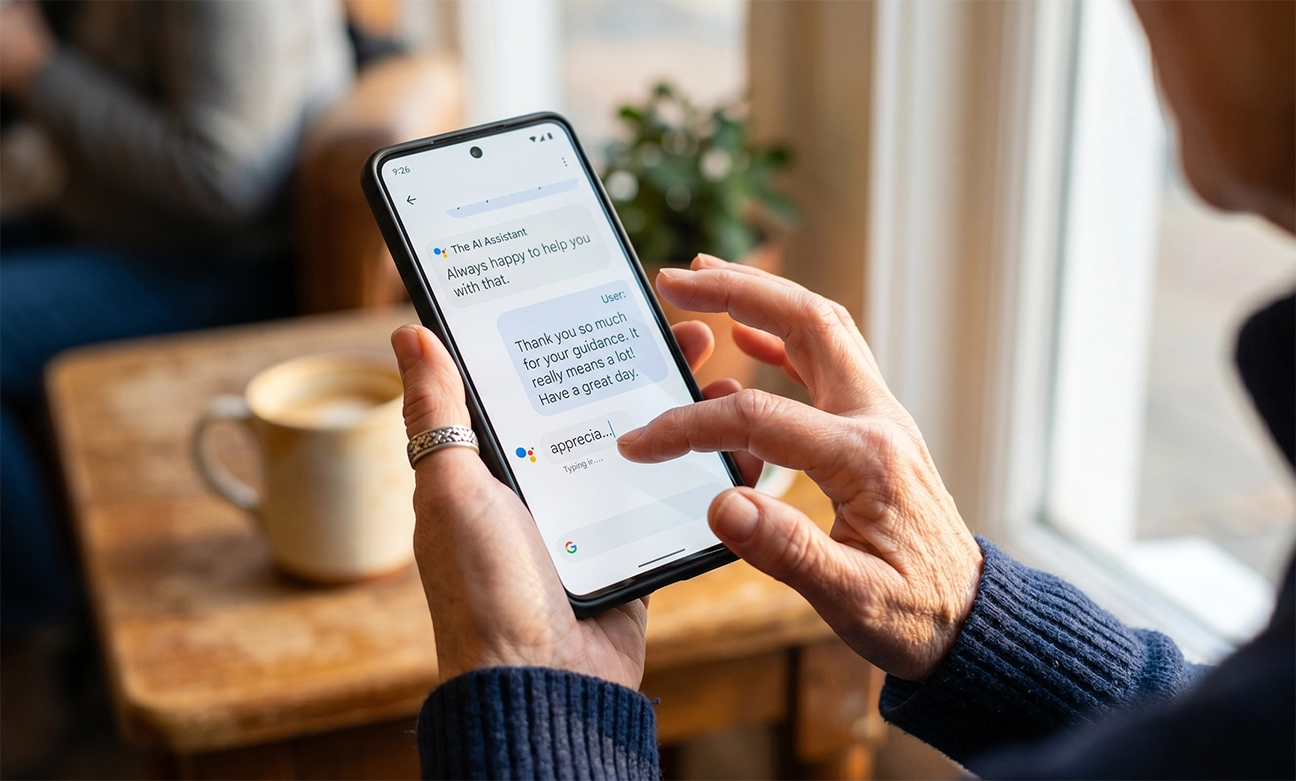
How people behave around AI isn’t just a philosophical question—it’s changing social norms. As Alexa and Siri entered homes, some users instinctively said “please” and “thank you.” Others ignored all politeness, treating these systems as mere servants. However, a trend is emerging: parents encourage children to use polite language with AI, hoping the habits transfer to human interactions. But does it also work the other way around?
Moreover, companies have started designing AI responses to reinforce positive behavior. For instance, when a user thanks a virtual assistant, the bot might say, “You’re welcome!” This creates a subtle feedback loop. Over time, some researchers argue this will impact how people interact with each other, reinforcing (or eroding) basic social cues and courtesy.
Politeness in the Age of AI
Children may develop better manners by practicing with polite AI assistants.
Adults sometimes express frustration with digital assistants, which could influence face-to-face communication under stress.
Loneliness Solution or Risk?
Millions of people report feeling isolated, especially in bustling cities or remote communities. Can virtual companions bridge this gap? Many users claim that AI friendships help relieve loneliness, particularly for the elderly, people living alone, or those with social anxiety. Artificial conversation, even with a bot, can provide moments of joy and connection.
However, not all experts agree on the benefits. Some psychologists warn that heavy reliance on virtual entities may make real-world interaction more difficult. Technology may become a crutch, offering quick comfort but weaker emotional growth. On the flip side, AI companions may serve as a safe training ground for developing social skills or may supplement—not supplant—human friendship.
How AI Shapes Emotional Behaviors
The rise of AI companions is subtly reshaping our emotional habits. For example, people may find it easier to open up to an artificial confidant, unafraid of being judged. Virtual therapists, like Woebot or Replika, are already helping thousands cope with anxiety or depression when traditional support is hard to access.
Moreover, emotional bonds can deepen as AI learns a user’s preferences, moods, and fears. For hormonal teenagers or isolated seniors, virtual companions may offer a safe outlet, supporting emotional literacy and self-reflection. However, the one-sided nature of these relationships may limit the complexity of true empathy. Therefore, it’s important to recognize what AI can and cannot offer in fostering emotional growth.
AI in Daily Life: Stories and Examples
Consider how AI integrates into households: daily planners that remind you to take medications, chatbots on company websites that handle stressful complaints, or voice assistants that read bedtime stories to children. These interactions go far beyond simple commands.
Take Sharon, a retiree in California who lives alone. She uses a conversational AI to track her health, set reminders, and have friendly exchanges throughout the day. For her, it’s a “companion” that helps stave off loneliness. Meanwhile, young teens report using AI chat-buddies as digital diaries, sharing day-to-day frustrations or dreams—sometimes receiving encouraging messages in return.
Real-Life Examples
An autistic child practicing social skills with a patient AI tutor
College students using language chatbots to learn new idioms in a safe space
Work-from-home professionals using AI pop-ups to take regular mental health breaks
The variety of uses demonstrates a change in daily routines—and highlights new emotional ties that form in the digital age.
Impacts on Relationships and Intimacy
Blurring the line between friend and machine can have deep impacts on traditional relationships. As people pour time and energy into artificial companions, some partners or friends may feel neglected or jealous. Moreover, romantic relationships with AI bots, while rare, are on the rise. These scenarios force us to revise our ideas of trust, emotional fidelity, and even intimacy.
For example, a 2022 study found that over 20% of people aged 18–29 admit to sharing secrets with a digital assistant rather than their partner. How will this affect marriages or friendships? On the positive side, AI might serve as an outlet for thoughts someone is unwilling or unable to share with others, thus reducing interpersonal tension. However, if these digital interactions become a primary source of emotional satisfaction, real-world connections could weaken. Navigating these new dynamics requires awareness, honesty, and regular communication between partners.
What Psychologists and Experts Say
Psychologists are divided about the effects of forming pseudo-friendships with AI. Some, like Dr. Sherry Turkle of MIT, warn that overreliance on digital companions can lead to “empathy erosion.” As people engage deeply with unfeeling algorithms, the subtle cues and messiness of human emotion may become harder to process.
Others, like Dr. John Bargh of Yale, suggest that talking to AI may help certain people build confidence, practice language skills, and manage social anxiety. In particular, vulnerable groups—such as the elderly or those with special needs—often benefit from the regularity and patience of AI interactions.
Experts recommend balancing time with AI and real-world relationships.
Cognitive scientists suggest using AI as a “social supplement,” not a replacement.
Ongoing research is needed to understand long-term impacts.
As technology evolves, so too will our emotional norms. A balanced approach, guided by expert advice, is key.
Practical Tips for Meaningful AI Interaction
Want to get the most from your AI companions while protecting your emotional health? Consider these practical strategies:
Set Clear Boundaries: Use AI intentionally for support or learning, but maintain nurturing human connections.
Practice Politeness: Whether chatting with a digital assistant or a friend, courteous behavior enriches all your relationships.
Monitor Time Spent: Balance time with AI and offline interactions to strengthen social skills and emotional intelligence.
Learn and Have Fun: Experiment with language learning bots, creative AI tools, or mental health apps to explore new skills and interests.
Reflect on Emotions: After conversations with your AI companion, reflect on what feelings or needs are being met, and which still require human support.
Moreover, regularly update privacy settings, as conversations with AI are often recorded to “improve” user experiences. Protecting your data and personal stories is an important part of any digital relationship.
For additional advice on managing digital boundaries, consider exploring our travel tips to help disconnect and recharge offline.
FAQs
How do people typically interact with AI companions?
People interact with AI companions in a variety of ways. Some treat them as virtual assistants who manage daily tasks. Others develop emotional bonds, using chatbots as confidants or friends. These interactions often blend utilitarian and personal needs, depending on the user’s goals and emotional state.
Can AI help reduce loneliness?
Yes, for many, AI provides companionship that feels supportive and engaging. While not a substitute for human friends, virtual companions can ease loneliness, especially for individuals who are isolated due to physical or emotional barriers.
Does relying on AI change real-life social skills?
There’s a growing body of research suggesting overreliance on AI may lead to declining social skills for some people. However, when used thoughtfully, AI can also reinforce positive behaviors and act as a rehearsal space for communication skills, especially for those with social anxiety or communication challenges.
Conclusion
The way we interact with technology is evolving fast, and the effects reach deep into our habits, emotions, and relationships. Exploring how people behave around AI reveals a landscape rich with opportunity—but also risk. As digital companions become more realistic and emotionally responsive, human connection will continue to be both challenged and enriched. The most important thing is to maintain awareness, set healthy boundaries, and cherish both human and virtual interactions.
By approaching this brave new world thoughtfully, we can ensure AI remains a helpful companion, not a substitute for genuine connection.
For more background about what’s possible with technology, check out this reference.