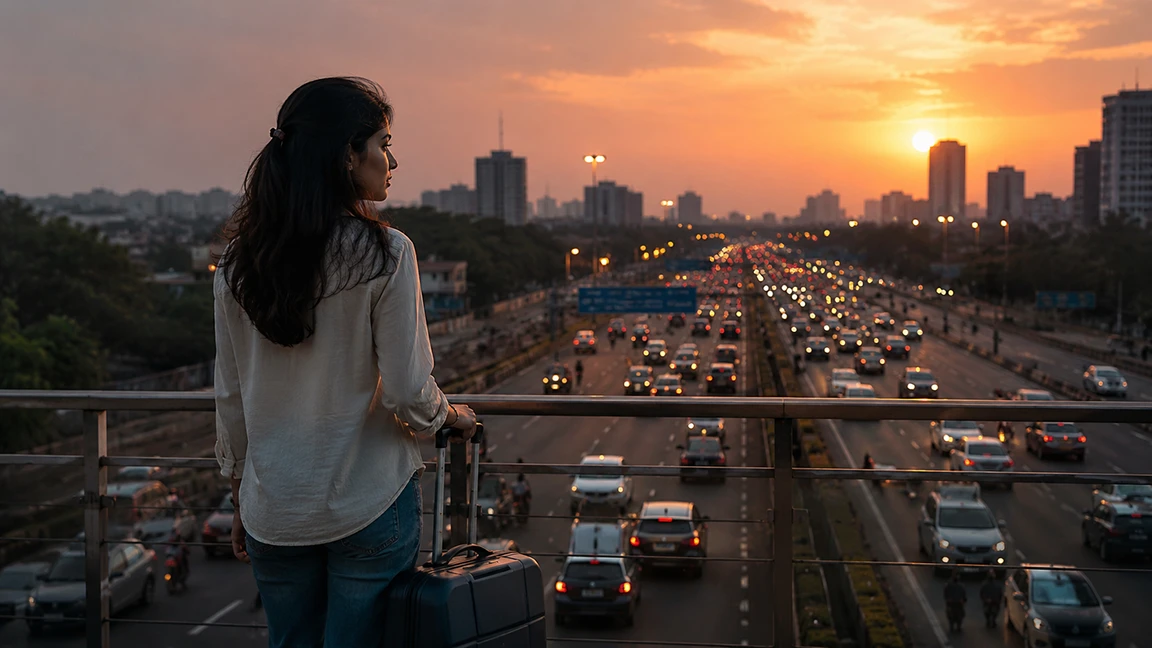
Reverse migration India… it’s not just a buzzword anymore. As I sip my morning chai in my Delhi apartment, I find myself reflecting on how many of my friends are quietly considering, and in some cases, already making, a move to smaller towns. You see, there’s something stirring in the air among young professionals like us. A yearning to escape the ever-escalating chaos of metro life. Yet, it’s not just about leaving behind the crowd; it’s about reshaping life with balance and purpose. More and more, the phrase “reverse migration in India” rolls off our tongues, evoking both excitement and curiosity.
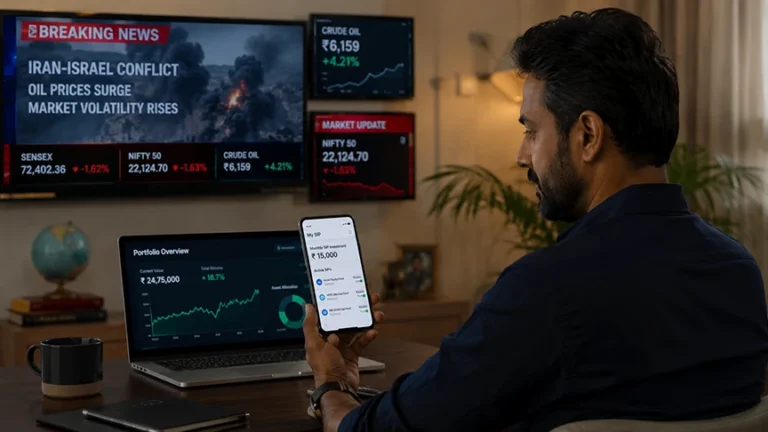
Delhi’s frenetic pace has taught me resilience, but the rising costs scrape at my savings. Meanwhile, the work-from-home culture allows me to dream beyond the geographical boundaries of my city. And I’m not alone. So many of us are evaluating the hustle culture, financial strain, and the very quality of life that the metros promise but often don’t deliver. Is it worth it? Can life be simpler, yet equally fulfilling, in Tier 2 cities?
Let’s take a journey through the real three-cost calculation of leaving Delhi behind: financial cost of staying, career cost of leaving, and the social cost of being seen as ‘giving up’. Together, we’ll explore why young Indians are flocking to places that were once mere pit stops on our way to metro dreams.
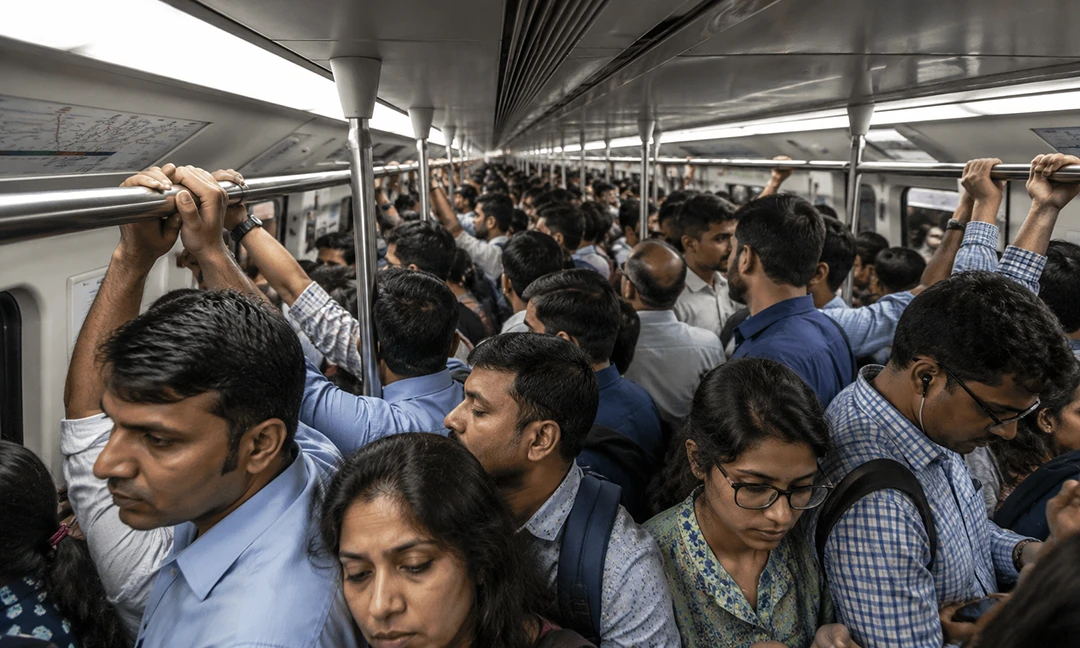
The Delhi Professional Who Said Enough
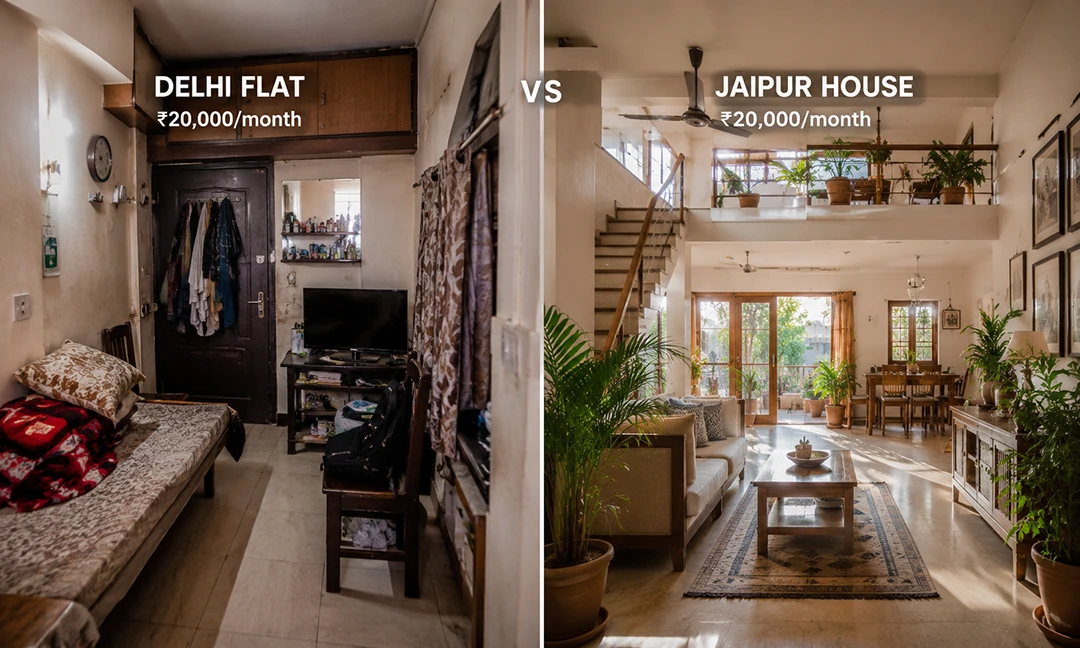
Reverse migration India is becoming a stirring narrative among those who once glorified city life. Let’s talk about Ravi, a close friend who took the bold step of moving from Delhi to Jaipur. “Enough of Delhi’s hustle,” he said, a sigh of relief escaping his lips. The financial cost of living in a metro was simply too much. He described his new life as a blend of professional growth and personal serenity, something rare in Delhi’s relentless rush.
Financial Cost of Staying
In 2026, the financial drain of metros is undeniable. A basic 2BHK in South Delhi now easily crosses Rs. 40,000 a month. This doesn’t even include utilities or the constant temptation of city life inviting you to spend.
Finding Joy in Smaller Towns
Ravi often shares images of local experiences, from savoring street-side golgappas to walks in verdant parks. The quality of life, he argues, is immeasurable. Indeed, the crux of reverse migration in India lies not just in the escape from high living costs but achieving a fulfilling lifestyle.
His story is not an anomaly but becoming a part of a broader movement challenging longstanding social norms.
Why Tier 2 Cities Are No Longer a Compromise
Reverse migration India has redefined what Tier 2 cities signify. For generations, these cities were often seen as consolation prizes for those who couldn’t crack the metro hustle. But move over metros; Tier 2 cities are no longer settling for less. Chandigarh, Kochi, and Pune are more than just addresses; they’re vibrant hubs of innovation and lifestyle.
Career Opportunities Flourishing
Tier 2 cities are blooming with opportunities aided by IT parks and large corporations setting roots. Pune, specifically, has attracted tech giants offering packages parallel to metro scales. The promise of job satisfaction coupled with savings makes for an appealing package.
A Quality of Life That Excites
Ritu, another friend, moved to Chandigarh. She tells me the decrease in commute stress has given her back hours each day, hours she now spends in weekend getaways or pursuing forgotten hobbies.
These stories highlight a significant trend: young professionals seeking not only career growth but also quality urban environments that enrich their lives. Reverse migration India is unlocking a new chapter of exploration beyond just economic migration.
The Real Math – Metro vs Tier 2 Costs in 2026
Reverse migration India is rooted deeply in economics. The math of living costs versus benefits is stark and compelling. I’ve done some calculations myself and the numbers don’t lie.
Cost of Living in Metro Cities
The monthly survival kit for a typical family includes rent, schooling, groceries, and commutes, touching nearly Rs. 1 Lakh in cities like Delhi or Mumbai. And that’s a conservative estimation.
Tier 2 City Expenses
Compare this with Coimbatore, where a similar lifestyle is easily available at half the cost. It’s an economic revolution of its own, driving the reverse migration India trend in India steadily forward.
This isn’t just a choice; it’s a calculated decision seen as a pathway to prosperity. Compact yet green cities offer what metros often only promise on paper – balance without breaking the bank.
What Urban Professionals Miss Most After Moving
Reverse migration India, while largely positive, comes with its fair share of nostalgia. Leaving the metro’s shore has its melancholic undertones. My friend Ananya, now in Indore, often finds herself reminiscing about Delhi’s buzzing nightlife and the undeniable allure of cultural events.
The Social Scene Less Buzzed
The instant social networks built in metros due to shared interests or professional circles are harder to cultivate. The coffee catch-ups or gallery visits aren’t as spontaneous.
Cultural Vibrancy of Metros
Delhi’s concerts, movie screenings, and plethora of festivals have long been attractions. Missing out on these cultural experiences is a significant social cost some face.
However, it’s not that smaller towns lack engagement; they simply offer a different pace. As reverse migration India takes hold, many are redefining what social fulfillment means in these new settings.
The Career Reality – Does Remote Work Hold Up
Reverse migration India is greatly supported by remote work. When the pandemic pushed us into the virtual sphere, it was the beginning of a new work era. But the question remains: Can this support a permanent reverse migration India?
Remote Work’s Untapped Potential
For many tech professionals, remote work has become the norm rather than an exception. Companies are increasingly offering full-time remote options, reducing the need to stay tied to metro city offices.

Infrastructure Challenges
However, not all industries can adapt to this model. Professionals requiring onsite presence or frequent travel find the transition challenging. Moreover, some Tier 2 cities still lag in offering robust internet services, a critical factor for remote work.
Yet, as reverse migration India gains momentum, local governments work to bridge these gaps, acknowledging the communal changes at play.
Which Cities Are Winning the Migration Race
Reverse migration India is not an abstract phenomenon but a deepening reality. Cities like Bangalore, Pune, Ahmedabad, and Jaipur are quickly emerging as choices for many forging new beginnings.
Popularity of Bangalore and Pune
Pune’s burgeoning tech scene is second to none, attracting talent across sectors. Meanwhile, Bangalore offers the vibrancy of a metro but with greener, more livable spaces.
The Gentle Allure of Ahmedabad and Jaipur
Ahmedabad lures with its industrial might, offering opportunities in manufacturing and commerce. Jaipur stands as a historical marvel, merging cultural heritage with contemporary progress.
This interest is a testimony to the evolving Indian dream, where reverse migration in India isn’t about compromising aspirations but celebrating accessible prosperity.
The Social Pressure Nobody Talks About
Reverse migration India doesn’t just involve numbers; it’s an emotional roller coaster. For those daring to leave, the unspoken social pressures are palpable. A close friend, Kunal, struggled with perceptions of failure when he decided to leave Mumbai for Nashik.

Breaking Free from Judgements
In our society, city life is often synonymous with success. Shifting to a smaller town invariably invites judgment. Many equate such moves with giving up, not realizing the empowerment and choices they represent.
Valuing Newfound Peace
Despite the pressures, those that move report experiencing a significant mental health boost, appreciating the slower pace and tranquility. It’s about redefining priorities and overcoming societal conditioning.
Reverse migration in India, therefore, requires not just practical foresight but emotional resilience to see beyond ingrained societal norms.
The Mental Health Dividend of Leaving a Metro
Reverse migration India is delivering an unexpected boon: mental well-being. After years of pressure, young Indians moving away from metros like Delhi sense an immediate relief.
Escaping the Chaos
Living in a city that never sleeps is exhilarating but also draining. Smaller towns offer respite from the relentless Mumbai or Delhi grind, allowing a pace of life where relaxation isn’t a weekend luxury but a daily norm.
Reinventing Personal Space
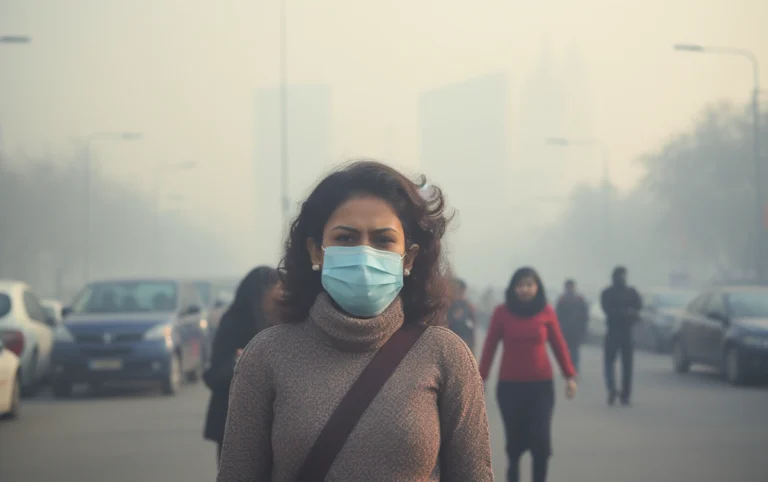
Vikas from Bangalore, now settled in Mysore, found that his mental health improved dramatically. With reduced stress and pollution, he now begins his day with meditation and ends it surrounded by greenery.
Such transformations highlight the non-tangible benefits, marking reverse migration in India as a renaissance, celebrating the art of living.
How to Know If This Move Is Right for You
Reverse migration India is a personal choice, shaped by circumstances, aspirations, and local trends. Before packing your bags, a self-evaluation is essential.
Weighing Your Priorities
Consider your life goals: Are you seeking financial savings, work-life balance, or a simpler lifestyle? These factors weigh heavily in decision-making. If daily city life feels suffocating, then shifting your environment might be a blessing.
Research Thoroughly
Investigate city amenities, career opportunities, and social life prospects before moving. A thorough assessment and visits to the prospective cities can provide clarity. For guidance and preparation, explore our article on the early rising truth, offering insights into lifestyle changes.
Ultimately, reverse migration India is an evolving chapter, inviting individuals to introspect and redefine what success truly means.

FAQs about Reverse Migration India
Which Tier 2 cities are best for reverse migration from Delhi or Mumbai?
Cities like Pune, Chandigarh, and Jaipur are rapidly becoming popular, thanks to their job opportunities and livability. They offer an attractive proposition in the evolving narrative of reverse migration India.
Can I maintain my career if I move out of a metro city in India?
Yes, especially in fields like IT and digital services where remote work is prevalent. The reverse migration trend in India supports career continuity outside metros for many emerging sectors.
How much money can I actually save by moving from Delhi to a Tier 2 city?
On average, living expenses can reduce by 30-40%. A move from Delhi to Tier 2 cities like Indore can see significant savings in rent and daily expenses, making reverse migration India financially beneficial.
Is reverse migration from Indian metros a real measurable trend in 2026?
Indeed, reverse migration in India is a growing trend. Reports highlight a substantial increase in young professionals relocating to smaller cities for a balanced lifestyle.
What do professionals miss most after leaving Delhi or Mumbai?
They often miss the vibrant cultural scene and social networks. However, the benefits of cost savings and a peaceful life balance out these losses.
How does leaving a metro city affect long-term career growth in India?
While career growth continues outside metros, proactive networking and upskilling are crucial for continued success. The shift in dynamic work culture supplements reverse migration India.
Is remote work sustainable enough for permanent reverse migration in India?
Yes, for many sectors. Companies are investing in technology to support remote work. This trend firmly backs reverse migration in India by offering remote opportunities.
What is the social life actually like in Tier 2 cities compared to Delhi?
Social life can be more community-centric and slower-paced but equally engaging in smaller cities. An openness to new experiences enriches the reverse migration in India journey.
Which industries are most compatible with reverse migration in India?
IT, digital marketing, and e-commerce thrive in non-metro setups. Even teaching and consulting roles are adaptable, propelling reverse migration India.
What should I research before leaving a metro city in India permanently?
Real estate, job market trends, local amenities. Each factor significantly influences the reverse migration India decision-making process. Insights from credible platforms assist in this planning.
Concluding Thoughts on Reverse Migration in India
Reverse migration India is more of a lifestyle revolution than a mere trend. For many, leaving the metro is not a retreat but a strategic advance towards happiness and fulfillment. Personally, seeing my friends navigate this path has been enlightening. Their stories teach that life’s worth isn’t measured by cities famous for their hustle but by the happiness they provide at day’s end.
Deciding whether this move is for you revolves around priorities. Financial gains, career flexibility, and a healthier pace of life beckon as significant motivators. But it’s ultimately about embracing change and every lesson it delivers. If you’re considering this leap, start with small experiments. Visit, explore and experience diverse destinations. Could smaller towns harbor the joy you seek? Only you can answer that.
Whether you embrace the city or choose quieter towns, let mindful choices lead the way. Consider the diverse facets shared here to illuminate your journey. Step forward, informed and inspired, to redefine home and happiness, the hallmarks of reverse migration in India.