Digital detox started for me as a joke in my head, and then Spiti Valley made it real. I had gone there thinking about mountain light, cold mornings, and a few good frames for my camera from this Spiti journey. What I did not expect was that the network would vanish so completely that my phone became a timepiece, a flashlight, and then just a brick in my pocket. In Delhi, my day usually begins with WhatsApp pings, news alerts, UPI, cab apps, and one more scroll before I even drink water. In Spiti, that entire rhythm broke. Digital detox was no longer a wellness trend. It was my forced reality.
That is why this story matters. Digital detox is often sold to us as a luxury weekend, a bamboo basket, a yoga mat, and a curated silence package. However, my week in Spiti taught me something simpler and more honest. The cleanest break from screens may not always be something you buy. Sometimes it happens when geography, weather, and weak infrastructure do the job for free. Interestingly, that does not mean all detox efforts are equal. Some structured programs can help, as recent research on screen habits and self-regulation suggests, but the results are mixed and personal effort still matters. You can see a useful overview here: NCBI study on digital use.
I am writing this from Delhi, where even a quiet evening can turn noisy inside your head because the phone keeps asking for attention. A digital detox in the city feels difficult because everything is built to pull you back in. Yet Spiti showed me that the real question is not whether you can survive without a signal. The real question is what kind of life you are living when the signal is always on. For context on how screen use affects younger bodies and habits, this Mayo Clinic guide is useful: Mayo Clinic screen time guidance. Digital detox, I learned, is less about escape and more about reclaiming attention.
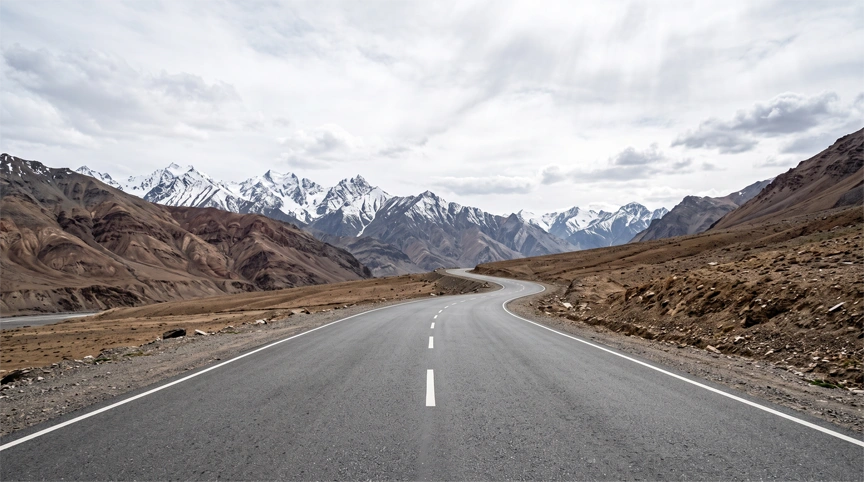
Digital detox in Spiti began with a missed call that never connected. I had not booked a wellness retreat. I had booked a mountain route, a homestay, and a long permission slip from my own busy Delhi life. The plan was simple. I wanted silence, snow, and a break from the constant pressure to respond immediately. Instead, the valley made the decision for me. By the time I reached the higher stretches, signal bars stopped mattering. The phone became decorative. That helplessness felt strange at first, but it also felt honest.
When The Mountains Refuse Your Notifications
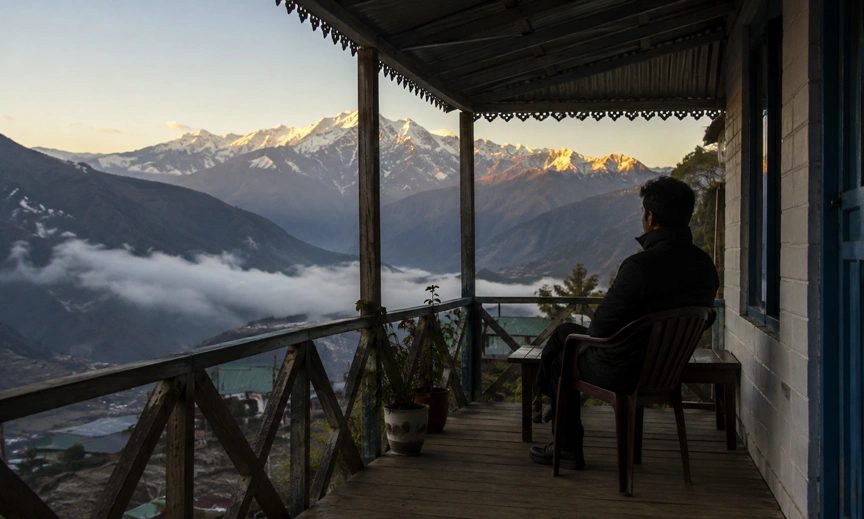
Digital detox sounds intentional in ads. In Spiti, it was accidental and absolute. No 5G. No stable 4G. No quick loading pages. Even sending one text became a small act of luck. I remember sitting near the window in my homestay, watching prayer flags move in the wind, while my phone tried and failed to connect. The mountains were not interested in my emails, my calendar, or my Delhi urgency. They were interested only in weather, daylight, and patience.
Why Forced Quiet Felt Different From A Wellness Plan
Digital detox felt different because I did not choose the timing. That mattered. When we pay for a retreat, we often arrive mentally prepared to be good, calm, and transformed. In Spiti, I arrived annoyed, then relieved, then quietly grateful. That emotional shift was the lesson. The absence of signal did not heal me instantly. It simply removed the excuse to keep checking. I had to sit with my own restlessness, and that was uncomfortable in the best possible way.
What Digital Detox Retreats Actually Sell You
Digital detox has become a product, and like many products in India, it comes with packaging, promise, and pricing. Retreats sell you structure. They sell you a clean room, a schedule, a phone basket, herbal tea, and the comforting idea that your burnout has a cure if you can just pay enough. I understand the appeal. In cities like Delhi, Mumbai, and Bengaluru, many of us are so overwhelmed that a paid pause feels easier than building one ourselves. But the deeper question is whether you need a retreat or simply a boundary.
The Business Of Borrowed Silence
Digital detox retreats often market silence as if it is a rare mineral. They promise depth, yet sometimes they are just organized inconvenience with pretty branding. That does not mean they are useless. For someone who cannot stop checking work messages, a structured environment can help create distance. But the retreat is not magic. It is scaffolding. The real work still happens inside your nervous system when the phone is gone and your brain starts asking, ‘Now what?’
What Research Suggests About Structured Breaks
Digital detox research does not say every offline break is useless. It suggests that shorter, structured breaks can reduce stress, improve sleep, and help people notice their habits. But results vary depending on age, work pressure, and how addicted a person is to constant checking. That is why a one-size-fits-all retreat can feel expensive and incomplete. If you want a quick primer on the idea, this general reference helps: Digital detox overview. The point is not to reject retreats. The point is to stop pretending they are the only path.
The First 48 Hours Without Any Connectivity
Digital detox in the first 48 hours felt like withdrawal from a tiny invisible habit I had underestimated. I kept reaching for my phone the way Delhi traffic makes you reach for the horn, almost by reflex. There was no signal, but my fingers did not know that yet. I checked time, then weather, then the same empty screen again. Then I laughed at myself because there was nothing to update, nothing to refresh, nothing to solve.
How The Brain Looks For Its Usual Reward
Digital detox can make your mind feel noisy before it feels calm. That is because the brain likes little rewards, and scrolling gives them in fast, random bursts. In the first two days, I felt a strange mix of irritation and relief. Irritation because I could not reach anyone. Relief because nobody could reach me either. The absence of constant stimulation made small things louder. Tea tasted better. Wind sounded richer. Even a wooden door creaking in the homestay became a kind of music.
Why Boredom Is Not Empty At All
Digital detox forced me to notice boredom, and boredom turned out to be productive. When there is no feed to chase, your mind starts wandering into memory, planning, and simple observation. I found myself staring at clouds for longer than I ever would in Delhi. That is not laziness. That is mental space returning. We call every unscheduled minute wasted because we have confused stimulation with living. The first 48 hours taught me that silence can feel awkward before it feels generous.
What Boredom Does To An Overstimulated Brain
Digital detox made boredom feel like a skill I had forgotten. In Delhi, boredom is rare because there is always something to tap, order, watch, or answer. In Spiti, boredom arrived like cold air. It was not pleasant at first. Then it became useful. I noticed how quickly I reached for stimulation whenever I felt even a tiny flicker of discomfort. That was the uncomfortable truth. My attention was not as free as I thought it was.
Why Your Mind Needs Space To Misbehave A Little
Digital detox works partly because boredom creates friction, and friction reveals habits. When you remove endless input, the mind may resist. It may invent anxiety. It may dig up old worries. But that mess is information. It shows you how dependent you have become on distraction. In a village kitchen in Spiti, I sat near a stove while an auntie quietly peeled potatoes, and nobody was trying to entertain anyone. The simplicity felt almost rebellious.
The Delhi Version Of Silence Is Different
Digital detox in Delhi is harder because silence here is never complete. There is traffic, construction, pressure, and one more family group chat. Still, boredom can be built at home if you do not defend every empty minute with a screen. I noticed that my own restlessness in Spiti was the same restlessness I carry in Connaught Place, just exposed more clearly. That is the gift of boredom. It shows you what your habits really are, not what your app usage report says they are.
Forced Disconnection Vs A Paid Digital Detox
Digital detox in Spiti felt natural because it came from the land itself, not from a packaged promise. That difference matters more than we admit. A paid detox can create intention, but forced disconnection creates honesty. In one case, you are a customer. In the other, you are simply a human being with no network. The absence of choice can be frustrating, but it also removes performance. You do not have to prove you are healing.
What Money Can Buy And What It Cannot
Digital detox retreats can buy comfort, safety, and a quiet setting. They cannot buy surrender. That comes only when your nervous system stops expecting a notification every few minutes. In India, where paid wellness often becomes status, the pressure to look transformed can be almost as tiring as the city itself. Spiti had no such pressure. The valley did not care whether I journaled, meditated, or posted. It simply stayed disconnected.
Why Free Can Sometimes Be More Powerful
Digital detox is often most effective when you do not treat it like a performance. A free, forced break can be more powerful because it strips away the idea that healing needs a luxury label. That does not mean everyone should abandon retreats. It means we should stop romanticizing expensive silence as the only valid kind. For me, the unpaid version felt more real. It was not curated. It was weather, distance, and the simple fact that connectivity was not available.
What I Missed And What I Did Not Miss At All
Digital detox made me miss some things immediately and ignore others completely. I missed my WhatsApp family thread, especially the noise of my Delhi relatives sharing food photos and exaggerated opinions. I missed UPI, because cash in the hills feels old-fashioned in a way that is romantic until you need change. I missed maps too, because getting lost in Spiti is beautiful only if you are not the one actually lost. But I did not miss the pressure to reply instantly. I did not miss doomscrolling. I did not miss waking up and checking headlines before checking myself.
What Fell Away Faster Than Expected
Digital detox stripped away the fake urgency first. The social anxiety around replies vanished faster than I expected. Nobody died because I answered late. Nobody forgot me because I took a few hours. That realization was oddly soothing. It made me think of this burnout piece on hustle culture, because so much of our panic is manufactured by speed. In Spiti, speed had no authority. The roads were slow, the weather was slower, and my mood eventually followed.
What I Actually Wanted Back
Digital detox also clarified what I genuinely value. I wanted real conversations, not endless updates. I wanted fewer tabs open in my head. I wanted to read a page without checking if someone had texted. The surprising part was that I did not crave entertainment as much as I expected. I craved rhythm. Once the phone was gone, days began to have shape again. Morning felt different from afternoon. Evening felt earned.
Coming Back To 400 Notifications And What Changed
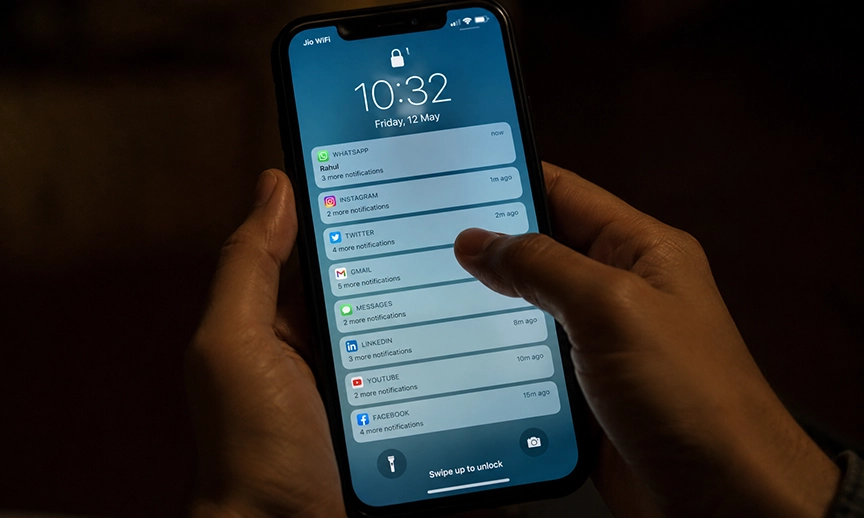
Digital detox ended the moment I returned to the plains and my signal came back like a flood. Suddenly there were 400 notifications, half of them useless and most of them non-urgent. My phone buzzed as if it had been holding a grudge. I did not feel the old excitement. I felt a little pity for it. The difference was small but real. I did not want to drown in the stream immediately.
How Delhi Felt After The Quiet
Digital detox made Delhi louder than I remembered. Not just the traffic. The mental traffic too. Every ad, alert, and message seemed to ask for my attention with equal urgency. But Spiti had changed the threshold. I had less patience for meaningless pings. I started muting more groups. I stopped opening apps out of habit. I still live in Delhi, and I still need my phone, but I no longer trust every notification to deserve me.
What Stayed After The Return
Digital detox did not turn me into a monk. It did something better. It made me selective. I began treating my attention like a real resource, not a public utility. That shift lasted beyond the trip. I now leave my phone in another room more often. I answer messages in batches. I do not carry my screen into every silent moment. The mountains did not cure me. They just reminded me what calm feels like when it is not interrupted every five minutes.
Why A Week Beats Any Digital Detox Weekend
Digital detox needs time, and that is why a week beats a weekend almost every time. The first day is shock. The second is irritation. The third is where the mind starts negotiating. By the fourth or fifth day, you are no longer performing a break. You are inside it. A weekend often ends just as the nervous system begins to soften. A week gives the body enough time to stop expecting the old pattern.
The Shape Of Real Change
Digital detox works best when the habit loop has enough time to weaken. Short breaks are nice, but they often become a snack-sized version of a much larger problem. In India, we love quick fixes because our schedules are brutal. However, attention does not reset in a hurry. It needs repetition, discomfort, and patience. That is why Spiti mattered. It was long enough for me to feel both resistance and release.
When Longer Is More Honest
Digital detox over a week also gave me more honest data about myself. I was not just tired on day one. I was calmer by day six. That pattern is useful. It shows that peace is not instant, and it is not a single mood. It is a practice that becomes easier when the environment stops fighting you. If you only have a weekend, use it. But if you can get more time, take it. Your mind will thank you in ways your screen-time report never will.
How To Build Real Digital Detox Time At Home
Digital detox does not have to wait for Spiti, Ladakh, or a pricey retreat. You can build it at home, even in Delhi. Start small. Put your phone outside the bedroom for one night. Keep one meal sacred and screen-free. Turn off non-essential notifications for a week. These are not dramatic moves, but they are real. The point is not perfection. The point is to create enough friction that your habits become visible.
Make It Harder To Scroll By Default
Digital detox at home works when your environment changes before your willpower breaks. Move apps off the home screen. Log out of one time-wasting platform. Keep a notebook near your bed. Read for fifteen minutes before opening the phone. If you want a softer start, use the same rule during chai time every day. In Indian homes, a cup of tea already creates a pause. Use that pause.
How To Keep It Human, Not Holier Than Thou
Digital detox should not become a new kind of self-judgment. If you slip, you are not failing. You are practicing. That mindset matters. I think of small creative habits too, like watching people sit with crochet or handwork instead of screens, which is why this crochet story feels relevant. The answer is often not zero screens forever. It is more conscious use, more pauses, and more attention to your own life.
Frequently Asked Questions
What Is Digital Detox And How Does It Work
Digital detox means intentionally reducing screen use for a set period so your mind can reset. In practice, it works by lowering constant stimulation, which helps many people notice habits like reflex checking and doomscrolling. A good digital detox can be full or partial, but the key is intentionality. You are not punishing yourself. You are creating space to think, rest, and respond more deliberately.
Are Digital Detox Retreats Worth The Money In India
Digital detox retreats can be worth the money if you need structure, supervision, and a complete break from work pressure. However, they are not the only way to improve your attention or mood. In India, many retreats are priced for urban anxiety, not necessity. If your main problem is habit, a cheaper home-based digital detox may work just as well. If your problem is burnout, a retreat may help as a reset.
How Long Should A Digital Detox Actually Last
Digital detox length depends on your goal. A few hours can help with focus, while a weekend can reduce stress. For deeper change, many people need several days because the first phase is often withdrawal and restlessness. My Spiti experience showed me that a week felt far more meaningful than a short break. The longer your usual screen dependence, the more time you may need for the detox to feel real.
What Happens To Your Brain During A Digital Detox
During a digital detox, your brain gets fewer rapid rewards from alerts, scrolling, and switching tasks. That can feel uncomfortable at first because the mind is used to quick hits of novelty. After a while, many people report better sleep, calmer thinking, and longer attention spans. It is not a magic cure, but it can help reduce mental clutter. The brain often needs a quiet stretch before it can settle.
Can You Do A Digital Detox Without Going Offline Completely
Yes, a digital detox does not have to mean complete blackout. You can reduce one app, mute notifications, or create screen-free hours instead of going fully offline. That is often more practical in Indian homes and offices where family and work expectations are constant. Even partial limits can improve focus if you stick to them. The point is to reclaim attention, not to prove that you can disappear from the internet.
Is Spiti Valley Good For A Digital Detox Trip
Yes, Spiti Valley is excellent for a digital detox because connectivity can be weak or absent in many stretches, especially away from major spots. That makes it easier to stop checking your phone all the time. The landscape also supports reflection because the pace is naturally slower. But do not expect luxury levels of convenience. Spiti is better for a real reset than for a comfort-first wellness holiday.
What Are The Signs You Need A Digital Detox
Common signs include checking your phone first thing in the morning, feeling anxious when it is not nearby, scrolling without purpose, and struggling to focus on one task. If you are mentally tired but still keep refreshing feeds, a digital detox may help. In my case, the biggest sign was how often I reached for the phone even when nothing needed attention. That reflex is often the clue.
How Do You Do A Digital Detox At Home
Start with one clear rule. Keep the phone away during meals, or switch off notifications after 9 pm. Put your charger outside the bedroom. Replace one scroll habit with tea, journaling, or a walk. If you need structure, schedule your offline time on the same days each week. For a softer reset, you can also read a practical article like this burnout guide and build from there.
What Does A Digital Detox Retreat Cost In India
Digital detox retreat costs in India vary widely depending on location, room type, food, and duration. A simple wellness stay may cost a modest amount per night, while premium retreats can become very expensive quickly. The price often reflects comfort more than therapeutic value. Before paying, ask what exactly is included and whether you could build a similar experience at home for less. Sometimes the best investment is not a retreat, but time.
Does Digital Detox Actually Reduce Anxiety
For many people, yes, a digital detox can reduce anxiety because it lowers constant interruption and comparison. But the effect depends on why you feel anxious in the first place. If anxiety is tied to work pressure, family stress, or deeper mental health issues, screen reduction alone may not solve it. Still, even a short digital detox can help you feel less overstimulated and more present. If anxiety is severe, speak to a doctor or therapist.
Conclusion
Digital detox taught me that silence is not a product, and stillness is not always something you need to buy. My week in Spiti was not glamorous in the way retreats are marketed. It was colder, rougher, and more honest. It showed me that I had been living as if every empty second needed filling. It also showed me that the opposite is sometimes better. A little emptiness gives the mind room to breathe.
I came back to Delhi with signal, noise, and the same old responsibilities, but I did not come back unchanged. I now understand that digital detox is not about rejecting technology. It is about refusing to let technology own every pause. If you are tired, restless, or always ‘on’, start small. Put your phone down during chai. Leave it outside the bedroom. Take one evening back. And if you ever get the chance to go somewhere like Spiti, let the mountains teach you what no paid retreat can. Digital detox is real when it stops being a performance and starts being a habit.
For more on my mountain perspective, you can also read this Spiti story. Digital detox, for me, finally means choosing attention on purpose, every day, even in Delhi, even online, even now with digital detox.