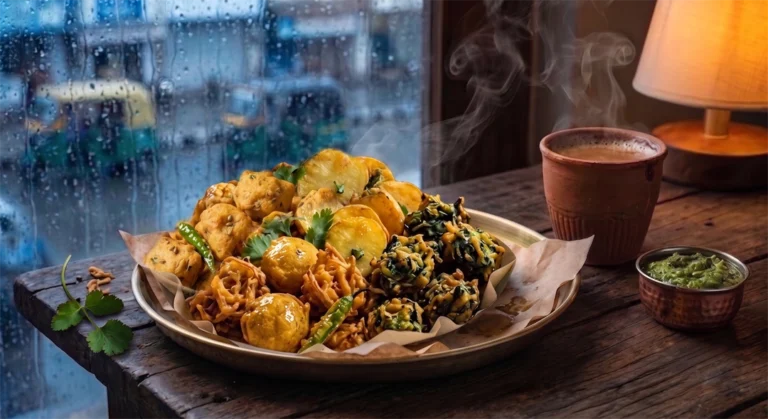
Introduction: Why Nostalgic Comfort Food Recipes Feel So Right
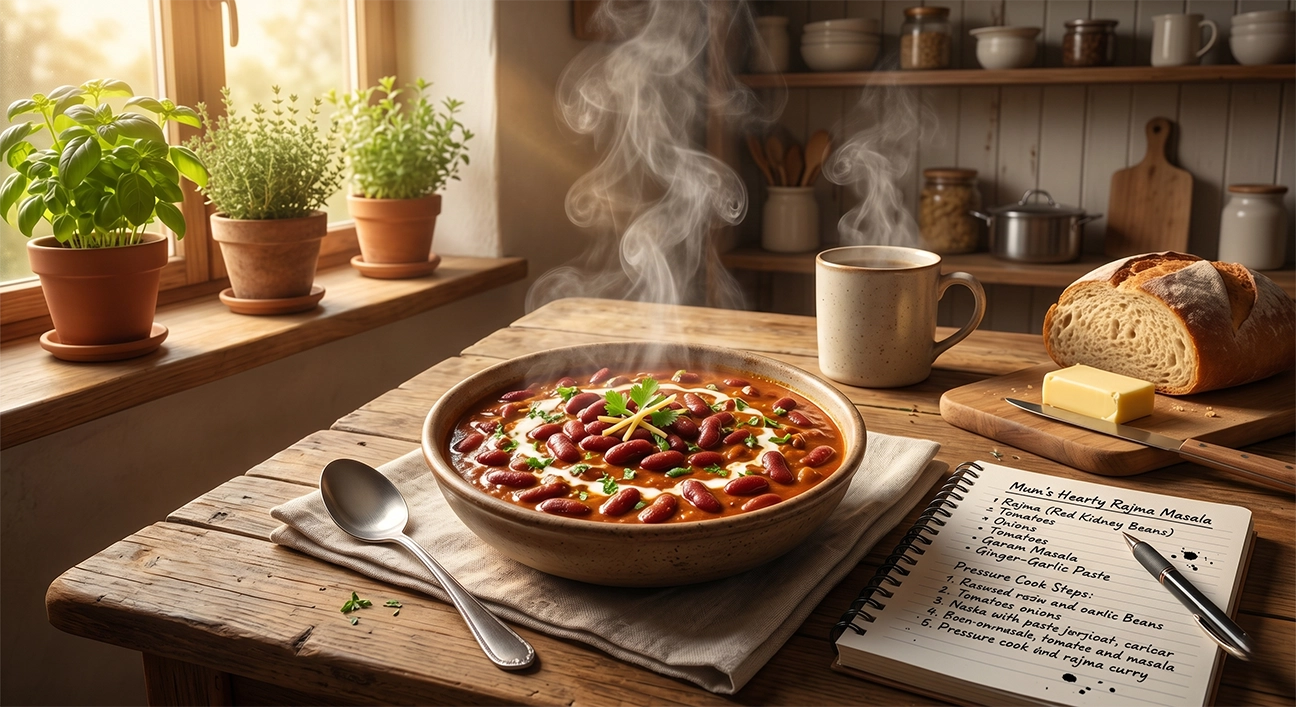
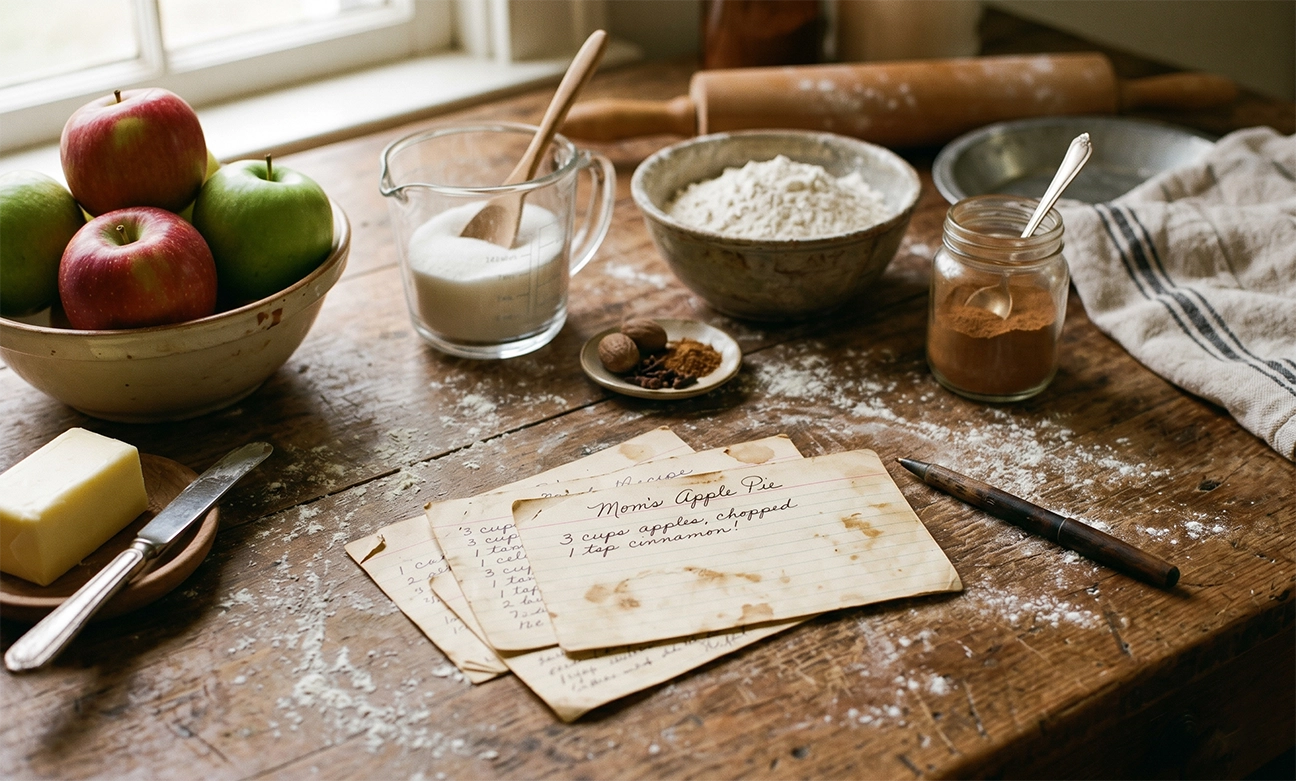
During times of stress or uncertainty, many of us turn to nostalgic comfort food recipes to soothe our souls. These recipes—handwritten index cards, family favorites, or dishes just like grandma made—carry more weight than their ingredients. When the world feels overwhelming, the simple act of recreating a meal from memory becomes emotional restoration for modern life. The scent of warm bread or simmering soup can transport us, momentarily, to our childhood kitchens, surrounded by laughter and warmth.
Today, let’s explore why these comforting dishes matter more than ever, not just for our bodies, but for our hearts and minds.
The Power of Sensory Memory in Nostalgic Foods
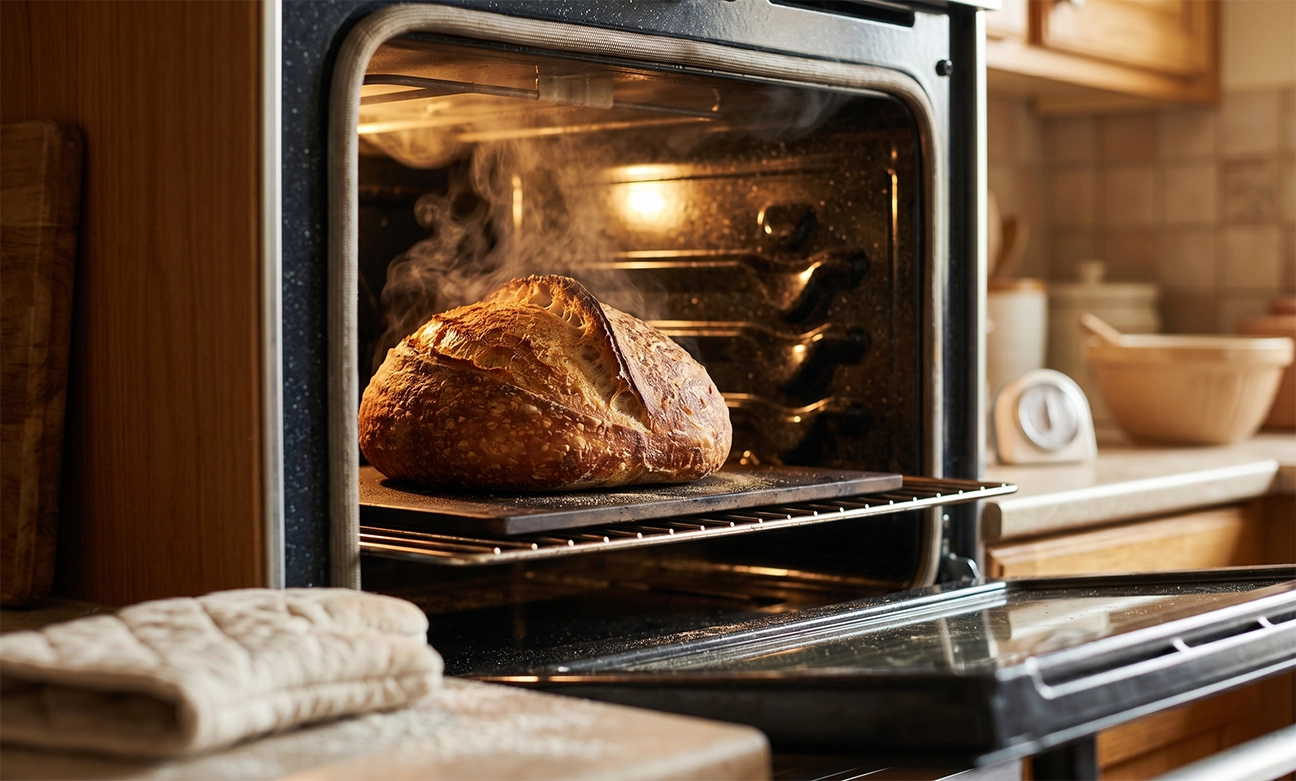
Sensory memories play a massive role in why we crave food from our past. The crackle of a fresh loaf, the perfume of garlic sautéing, or the sight of a well-worn mixing bowl—these sensations connect us to earlier times. Psychologists say our senses, particularly smell and taste, are deeply tied to memory and emotion. When you make a recipe you grew up with, it’s not just about flavor. It’s about revisiting a place in time where you felt safe, cared for, and included.
Take, for example, the ritual of whipping up cinnamon rolls on a weekend morning. The scent alone can evoke memories of snow days or joyful brunches. In today’s fast-paced world, the familiarity of these dishes stands as an anchor—a reliable source of comfort when everything seems uncertain. Moreover, these routines bring structure and warmth into daily life, making each kitchen session an act of self-care.
Homemade vs. Store-Bought: Why Tradition Matters
There is something irreplaceable about cooking from scratch. While it is convenient to pick up ready-made options from the store, they lack the tender care and lived stories of homemade versions. Rolling out dough with your hands or simmering stock is a quiet meditation, one wrapped in heritage and intent. Nostalgic comfort food recipes become family rituals, your own living tradition.
For example, boxed macaroni and cheese may be quick, but making it the way your grandmother did—real cheese, a bubbling baked casserole—feels like an act of devotion. That extra effort is an embrace across generations. Therefore, homemade food often nourishes us in ways commercial meals simply can’t, feeding both body and soul.
Modern Life and the Need for Emotional Restoration
Life today is busy and fragmented. With emails beeping and notifications buzzing, it’s easy to feel disconnected. Cooking meaningful dishes from the past becomes an antidote to daily stress. For many, the process of gathering ingredients, kneading dough, and waiting for flavors to meld is meditative—an analog sanctuary in a digital age.
Moreover, these acts of creation provide a sense of accomplishment and grounding. When the world feels unpredictable, the certainty of a bubbling pot of soup on the stove offers reassurance. It is this feeling—of taking time for yourself and reclaiming a slower, more intentional rhythm—that makes nostalgic meals resonate so deeply in modern life.
Storytelling Around the Table
Every comfort food has a story. Sitting around the table, we pass not just plates but family tales, shared laughter, and sometimes even gentle debates about whether mom’s or dad’s version of a dish reigns supreme. These conversations turn humble meals into treasured rituals.
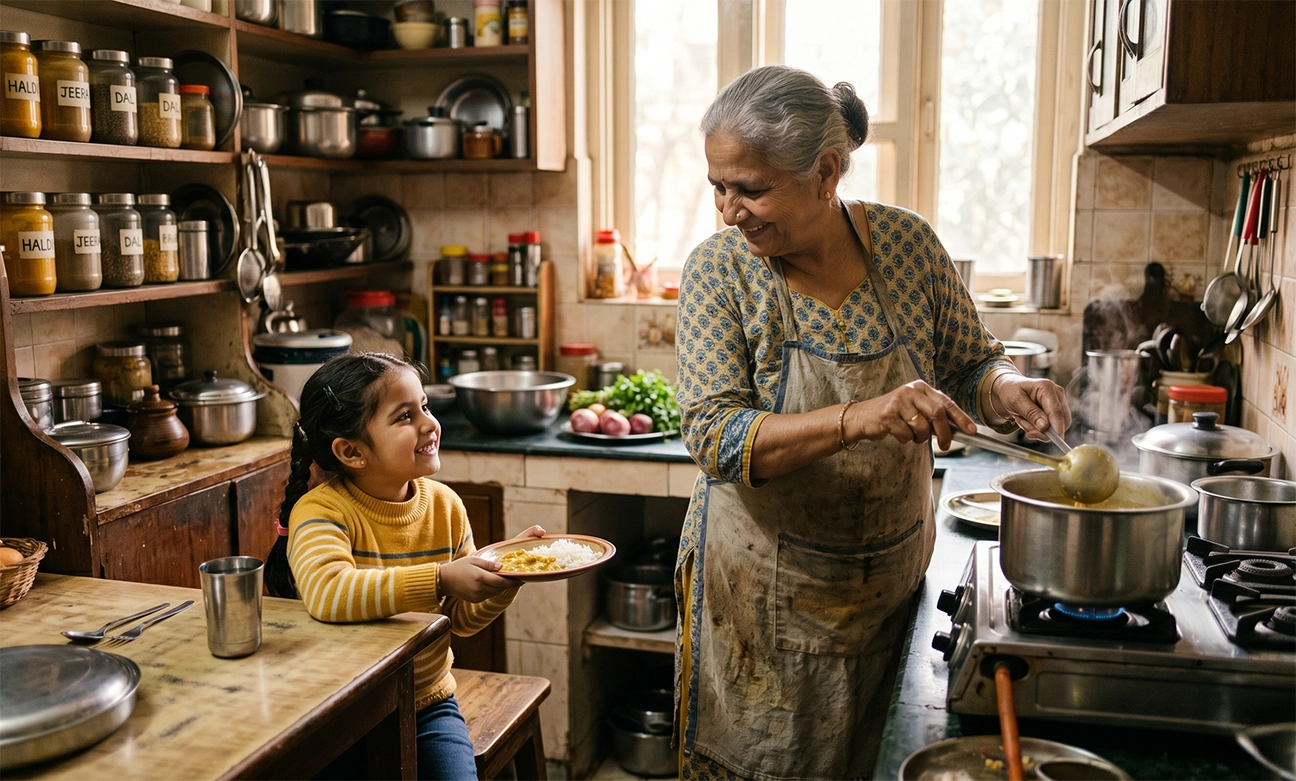
Moreover, introducing children or friends to the meals you loved growing up brings your history into the present. The act of telling stories around food keeps memories alive, embedding warmth and togetherness in every bite. Therefore, sharing meals from your past can be an act of love, one that knits generations together and creates new memories for the future.
Comfort Foods Across Cultures
Nostalgic meals aren’t limited by geography. Every culture has its own beloved comfort dishes—matzo ball soup, homemade dumplings, arroz con leche, or chicken noodle soup. These dishes, while different in technique and flavor, serve a universal role: grounding us in our heritage and connecting us with family.
For example, in Italy, a plate of pasta is much more than just dinner—it’s a celebration of tradition and togetherness (reference). In Japan, a steaming bowl of miso soup signals comfort at any table. Exploring global comfort dishes, or infusing your own meals with spices from your ancestry, can enrich both your palate and your sense of belonging.
Bullet Points: Universal Elements in Comfort Food
Warmth (served hot and soothing)
Simplicity (easy, familiar ingredients)
Family recipes (passed down over generations)
Shared rituals (eating together, storytelling)
Recipes with a Past: Examples from Real Families
Every family has its signature dish. For some, it’s a bubbling lasagna with layers of memories. For others, maybe it’s a batch of spice cookies saved for holiday mornings. The magic comes from more than what’s in the pot; it’s also the laughter, stories, and moments stitched into the preparation.
Let’s look at examples collected from real cooks:
Grandpa’s Oatmeal Raisin Cookies: Sarah still uses a cracked mixing bowl her grandfather passed down. She says, “Baking these cookies makes me feel like Grandpa is right beside me, humming old tunes.”
Vietnamese Pho from Scratch: For Linh, simmering broth all day isn’t a chore, but an important way to stay connected to her family’s history and homeland.
Classic Southern Grits: Mike remembers Saturday mornings spent stirring grits with his mother, listening to family stories over breakfast.
Each dish, prepared with intention, becomes more than a meal—it’s a tradition that carries love into the present day.
Food historians stress the importance of preserving these recipes and stories. They argue that these culinary rituals act as touchstones, especially when the world is changing quickly. By honoring them, we safeguard more than flavor—we preserve identity.
Tips to Create Your Own Nostalgic Comfort Food Recipes
Creating your own comforting routines can be surprisingly simple. Whether you’re reviving an old favorite or inventing new traditions, start by identifying foods that make you feel safe and happy. Next, dedicate specific moments each week—perhaps a Sunday dinner or Saturday morning bake—to these recipes. Make the experience mindful, with music, favorite utensils, and even a candle or two.
Moreover, invite others to join. Even virtually, cooking with friends or family via video chat can amplify these moments. Document your own process, adding tweaks and stories, turning your kitchen sessions into a living heirloom for future generations.
Practical Tips from Home Cooks
Keep a “memory recipe” notebook for adaptations and comments
Use a family heirloom (like a grandma’s mixing spoon) each time you cook
Share finished dishes and stories with loved ones—in person or online
For more rituals that create lasting travel-inspired memories, see our travel tips section.
Why Taste and Memory Are Linked: The Science
Have you ever been surprised by how a single taste can evoke a flood of vivid memories? Neuroscientists confirm that the brain areas processing taste and smell are closely linked to those storing long-term memories. In particular, the olfactory bulb, which detects scent, is powerfully connected to the amygdala and hippocampus—centers of emotion and memory.
This explains why warm apple pie can instantly remind you of family gatherings. Moreover, these physical links between flavor and feeling mean that nostalgic comfort food recipes have more than sentimental value; their aromas and tastes actually trigger the body’s relaxation response. Cooking them becomes a way to nurture emotional well-being.
FAQs: Nostalgic Comfort Food Recipes
1. What exactly makes food “comfort food”?
Comfort food often includes meals that remind us of home and childhood. Typically, they’re simple, filling, and associated with positive memories or family traditions. From creamy mashed potatoes to your favorite childhood pasta, the unifying element is often emotional, not just taste.
2. Can I create my own nostalgic comfort food recipes if I don’t have family recipes?
Absolutely. Nostalgia is about personal connection. You can start with dishes that evoke happy times from your past—maybe a meal a friend’s parent cooked or something you enjoyed at a childhood party. Over time, as you make the recipe your own, it becomes a part of your personal story.
3. Why do we crave these nostalgic comfort food recipes in times of stress?
Our brains look for comfort and safety during upheaval. Eating (and especially cooking) familiar foods provides a sense of control, predictability, and warmth. These rituals offer comfort by reconnecting us with happier, simpler times.
Conclusion: The Enduring Power of Nostalgic Comfort Food Recipes
In a world rushing forward, nostalgic comfort food recipes allow us the rare chance to pause, breathe, and reconnect with what matters most. They are vehicles of memory as much as flavor—reminding us that comfort can come from a chipped serving dish, a well-worn cookbook, or the laughter shared around a kitchen table.
More than just meals, these recipes are a bridge to our past and a balm for the present. Next time you need relief from the modern world’s demands, reach for a familiar family recipe or create your own comforting tradition. Let the warmth, flavor, and nostalgia nourish you—body and soul.