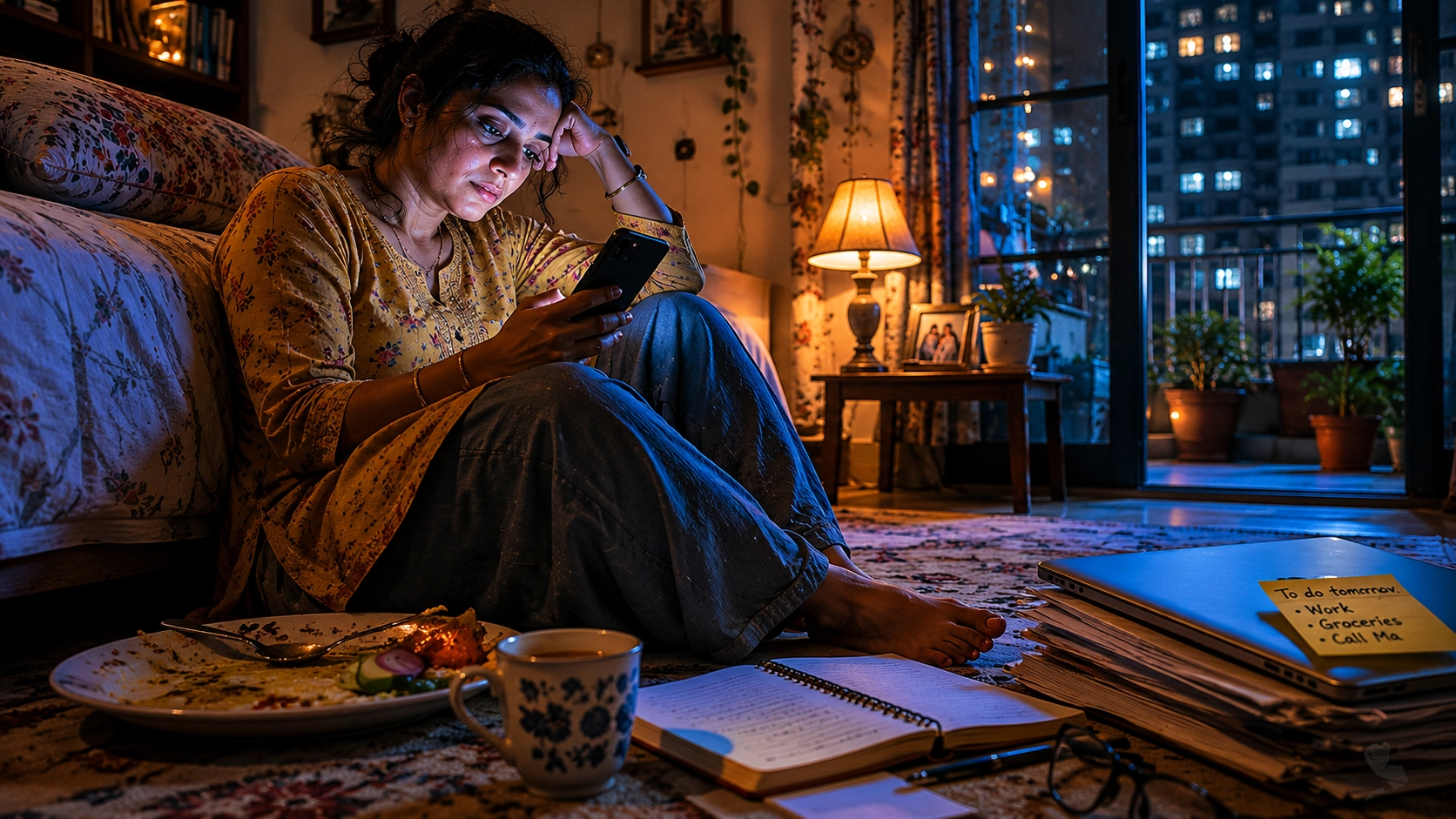
When I first heard that digital addiction India 2026 was spotlighted in the Economic Survey 2025-26 as a public health emergency, I felt a mix of relief and concern. Relief, because it validated what many of us have experienced—endless scrolling, late-night binges on reels, and the relentless urge to check notifications. Concern, because this frequently dismissed issue was finally given its due importance. It was a revelation that hit close to home, especially as someone living in the bustling city of Delhi, where the rhythm of life is inseparable from digital connectivity. In our fast-paced hustle culture, screens often become our escape, yet also our shackles, affecting mental health and daily life.
The Economic Survey’s classification feels like a wake-up call—we need to examine how screens impact every aspect of our existence, from our WhatsApp family groups to the silent 1am battles under a teenager’s blanket.
What India’s Economic Survey Admitted About Your Phone
The focus on digital addiction India 2026 in the Economic Survey was monumental. It was the first time an official document recognized smartphone overuse as a public health crisis. This candid acknowledgment means that the government is aware of how screen dependency affects productivity, mental well-being, and even family dynamics. In cities like Bengaluru or Mumbai, the reliance on smartphones isn’t just a habit—it’s a way of surviving the city’s pace. However, the shift to recognizing this as an addiction suggests a growing concern about its overwhelming impact.
The Statistical Eye-Opener
The Economic Survey 2025-26 highlights startling statistics about digital addiction in India 2026, noting that over 75% of Indians admit to feeling anxiety when separated from their phones. This statistic is particularly alarming when considering the younger generation, who are often seen in cafes scrolling rather than conversing. The data shows how ubiquitous and intrusive smartphone addiction has become, influencing how we interact socially.
Personal Connection and Implications
As someone who thrives in the digital space, the recognition of digital addiction in India 2026 felt personal. I too have experienced pangs of anxiety when away from my devices. The implications are vast, affecting social skills and real-world interactions. It’s like carrying a digital leash that tugs at every quiet moment. It’s time we understand the gravity of this issue beyond the statistics.
Why Urban Indians Are Losing Hours They Can’t Explain
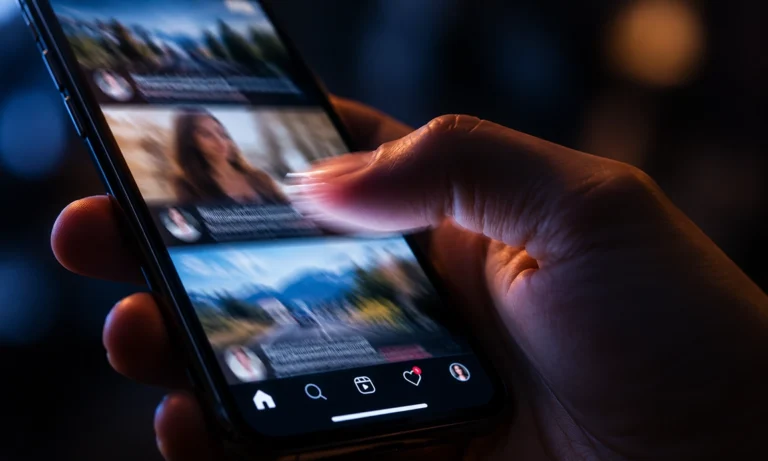
In the midst of digital addiction in India 2026, urban Indians find themselves losing hours without realizing it. You start with a simple task—checking the news, responding to emails—and suddenly, two hours have passed in a blur of notifications and social media feeds. Cities like Delhi not only embrace digital advancement but inadvertently foster these addictive habits through necessity and convenience.
The Hidden Cost of Convenience
Digital addiction in India 2026 isn’t just about excessive use; it’s about the ways technology sneaks into every corner of our lives. In urban settings, the allure of apps promising convenience turns into a spiral of dependency. Whether you’re ordering dinner through Swiggy or catching up on Netflix, each action chips away at time that could have been spent more meaningfully—like a quiet dinner with family.
The Impact on Mental Health
The invisible chains of digital addiction in India 2026 extend into our mental health. Studies indicate that constant connectivity contributes to elevated stress levels and anxiety. It’s the mental chatter prompted by an overwhelming influx of information, something that apps are designed to capitalize on. The need for mental wellness is more urgent than ever, as our brains crave analog breaks in a digital dominance.
Seven Signs Your Screen Time Is Now a Dependency
Recognizing digital addiction in India 2026 can be challenging because it’s so ingrained in daily routines. Here are seven signs that might mean your screen time is crossing into dependency. First, if you’re losing sleep over late-night browsing, it’s a red flag. As a Delhiite who loves to unwind with late-night chai, I’ve often fought the urge to check my phone one last time, only to succumb and stay up another hour.
Social Isolation Despite Connectivity
Ironically, digital addiction in India 2026 can increase feelings of loneliness. You might be connected online 24/7, but digitally saturated communication lacks the depth and warmth of face-to-face interactions. If texts have replaced conversations even in family settings, it may be time to pause and reassess your screen habits.
The Work-Life Illusion
With digital addiction in India 2026, work and personal life blurred into an indistinct haze. Even during breaks, the default action is to check emails or follow work updates, pretending it’s productive downtime. This cycle adds pressure rather than relieving stress, and significantly hampers work-life balance.
The Indian Family Dimension No Wellness App Addresses
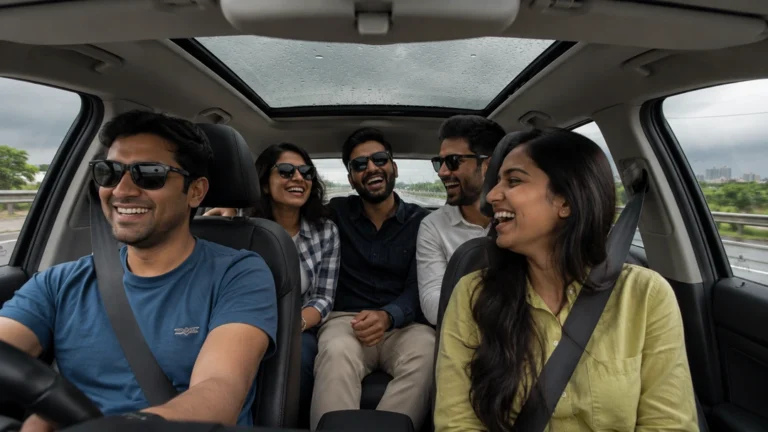
While discussing digital addiction in India 2026, it’s impossible to ignore its impact on family dynamics. Indian families are known for their close-knit nature, yet our screens have inserted a gulf between members. The traditional family dinner, once a sacred time to share stories and laughter, is often accompanied by the glow of smartphones.
The Communication Gap
In my Delhi-based family, our WhatsApp group is a lifeline, but it sometimes replaces important face-to-face interactions. This shift reflects a wider trend where we mistakenly equate texting with real communication—a clear sign of how digital addiction in India 2026 alters relationships.
Generational Perspectives
Differences in technology use between generations can be stark, often leading to misunderstandings. For parents, children immersed in screens may feel alarming, whereas kids view it as a normal part of life. Recognizing these perspectives can help bridge gaps affected by digital addiction in India 2026.
How Platform Algorithms Are Engineered for Indian Users
Digital addiction in India 2026 is perpetuated by algorithms meticulously crafted for user retention. These platforms thrive on engagement, and India, with its burgeoning online population, is a prime target. Algorithms are designed to swiftly learn preferences and lock users in a loop of constant consumption. Our cultural affinity for community and sharing fuels this cycle, drawing us back time and again.
Customizing the Hook
Platforms integrate local languages and culturally relevant content that resonate deeply with each user. In India, where language and style are diverse, this specificity translates to higher engagement levels. Whether it’s relatable memes or regional news updates, everything is engineered to keep the Indian user scrolling.
The Social Media Curiosity Trap
The urge to stay informed or check in with digital communities is natural, but when automated suggestions feed on this curiosity, it exacerbates digital addiction in India 2026. These algorithms recognize patterns in our usage, suggesting content just enticing enough to warrant a pause, turning minutes into hours.
Children in Addicted Homes: What the Research Shows
The ripple effects of digital addiction in India 2026 on children are profound. Research indicates that children raised in tech-heavy environments may face developmental challenges and social adjustment issues. As digital natives, they imitate the screen habits modeled by their parents, internalizing these behaviors early on.
Developmental Delays
Studies show that exposure to screens in formative years might lead to developmental setbacks. For example, excessive screen time can inhibit language skills and reduce attention spans, negatively impacting academic performance. Indeed, digital addiction in India 2026 poses threats to children who emulate adult screen habits without understanding the health risks involved.
Social Skill Erosion
Interaction with screens can hinder the development of vital social skills. Digital environments lack the facial and vocal cues essential for learning empathy and effective communication. Children in such settings often exhibit difficulty engaging in social activities, as their experience of reality is filtered through virtual interactions, further intensifying digital addiction in India 2026 issues.
The Government Response: What Exists and What Doesn’t
In response to digital addiction in India 2026, the government has launched various initiatives, although gaps remain. Programs like the Online Gaming Regulation Act 2025 aim to curb excessive digital usage among youths. However, comprehensive strategies specifically targeting screen dependency as a health issue are limited, reflecting the nascent stage of this recognition.
Existing Measures
The NIMHANS SHUT Clinic in Bengaluru provides support and counseling for screen addiction, a rare but crucial resource in a country struggling with increasing digital dependency. This clinic symbolizes one of the more proactive measures addressing digital addiction in India 2026, yet such facilities remain few, limited largely by awareness and accessibility.
Mayo Clinic advises that alongside government efforts, personal responsibility for reducing screen dependency is vital.
The Need for Further Action
Despite initial steps, the governmental response to digital addiction in India 2026 needs more depth. There is a distinct necessity for integrated educational modules and increased public awareness campaigns that articulate the risks and strategies to handle digital dependency. Without these measures, the pressure on already limited facilities continues to grow.
A Digital Detox Protocol That Works for Indian Brains
Managing digital addiction in India 2026 requires realistic strategies that seamlessly integrate into Indian lifestyles. A sustainable digital detox is not about going completely offline but finding a balance. Begin by setting clear boundaries—designate tech-free zones at home, like the bedroom, to reclaim restfulness and bolster interpersonal connections.
Mindful Usage Approach
A vital part of addressing digital addiction in India 2026 is identifying times when tech uses mindfulness. This means being conscious and intentional about what you’re accessing online—choosing substance over endless scrolling. Use applications to track time and set reminders to take regular breaks, maintaining a healthy relationship with digital usage.
Harnessing Cultural Anchors
Another key strategy involves tapping into cultural habits—encourage family activities that don’t involve screens, like traditional cooking or art. These practices not only give your eyes a break but also enrich your soul with personal interactions, grounding you and reducing digital addiction in India 2026 risks. By reclaiming analog traditions, you can reshape your digital habits meaningfully.
What Offline Life Looks Like After You Cut the Scroll
Transitioning from digital addiction in India 2026 offers a refreshing perspective on offline life. Suddenly, there’s more time for pursuits that once seemed demanding—pursuing hobbies, engaging deeply with friends over chai, or simply appreciating Delhi’s heritage walks without bothering about capturing every moment on social media. The shift can bring relief and revitalization.
The Reintroduction of Authenticity
Freed from the dictation of digital cues, your interactions become genuine and meaningful. Relationships deepen, detached from the superficiality of online personas. In Delhi, a city teeming with diverse personalities, it feels enriching to have unmediated exchanges—an antidote to digital addiction in India 2026 that prioritizes quality over quantity.
The Surge of New Possibilities
Most importantly, cutting the scroll invites freedom and creativity back into your life. You organically discover passions and talents that had lain dormant, overshadowed by endless feeds and notifications. This autonomy is an exciting part of combating digital addiction in India 2026. It fosters a more vibrant and engaged way of living.
FAQs About Digital Addiction in India 2026
What did India’s Economic Survey 2025-26 actually say about digital addiction?
The Economic Survey 2025-26 recognized digital addiction in India 2026 as a public health emergency, acknowledging the growing dependency on screens affecting mental health and productivity. This marks the first instance where such an issue has been highlighted at a governmental level, indicating a rising concern aligned with mental health concerns. It reflects the urgent need for public awareness and actionable solutions.
How many hours of daily screen time is considered unhealthy for Indian adults?
While the exact threshold may vary, more than six hours a day can point to digital addiction in India 2026. It’s important to note the quality of screen time matters: active engagement or purposeful use is different from passive scrolling. Balancing screen use with offline activities is key to maintaining mental health and preventing screen-related fatigue.
Is smartphone addiction a recognized medical condition in India?
Confirming digital addiction in India 2026, smartphone addiction was acknowledged by Indian health professionals, with clinics like NIMHANS SHUT offering resources. Though not officially classified in diagnostic manuals, the symptoms can be as impairing as other behavioral addictions, reflecting similar patterns of dependency and withdrawal.
What is the NIMHANS SHUT Clinic and how can I access it?
The NIMHANS SHUT Clinic in Bengaluru specializes in treating digital addiction in India 2026, providing counseling and support specifically for screen addiction. Accessing it involves setting an appointment via their official website or contacting them directly. It’s a vital resource for those seeking structured help to manage and overcome digital dependencies.
How do I know if my teenager’s phone use has crossed into addiction?
Indicators of potential digital addiction in India 2026 in teenagers include neglected responsibilities, withdrawal from offline activities, and mood changes when separated from devices. Open conversations about their screen use and suggesting offline engagement can help. Monitoring screen time and setting boundaries are also effective in managing their use effectively.
What is dopamine detox and does it work for smartphone habits?
A dopamine detox involves reducing activities that produce dopamine rushes, like constant phone use. For digital addiction in India 2026, try including tech-free periods daily to reset digital consumption patterns. This approach helps recalibrate brain responses, promoting healthier habits, although professional guidance can maximize its effectiveness.
Can social media use cause depression and anxiety in Indian teenagers?
Excessive social media use is linked to depression and anxiety, especially amid digital addiction in India 2026. High exposure to online pressures and unrealistic comparisons fuel mental health issues. Encouraging balanced screen use, awareness, and mental health support is crucial to mitigating these risks, as outlined by NIH research.
What does the Online Gaming Regulation Act 2025 actually ban?
Addressing specific facets of digital addiction in India 2026, the Online Gaming Regulation Act 2025 targets curbing excessive gaming by establishing stricter age verification and playtime limits. It aims to protect young users from the addictive nature of gaming, promoting a balanced digital lifestyle and reducing potential screen-induced health impacts.
How does WhatsApp overuse specifically contribute to anxiety in Indian families?
Digital addiction in India 2026 has adjusted communication habits within families. Continuous alerts and the pressure to respond to messages contribute to anxiety. The ubiquity of digital communication often means an overwhelming flood of exchanges that can be emotionally draining, prompting a need for defined boundaries within family communication channels.
How do I reduce screen time practically without deleting all my social media accounts?
For digital addiction in India 2026, reducing screens involves scheduling screen breaks and using apps for time monitoring. Set ‘do not disturb’ periods, engage in offline hobbies, and maintain digital honesty with yourself about app use. It’s about mindful use rather than eradication, leading to healthier habits without fully disconnecting from social media.
Conclusion
Digital addiction in India 2026 is not just a statistic, but a lived reality affecting every facet of life. In exploring ways to address it, we must integrate awareness with daily mindfulness—like balancing our digital lives with real-world connections. I encourage you to cherish the unrecorded moments, the untweeted thoughts, and the unfiltered conversations. Visit our page for more insights on managing digital habits. As we unite to find solutions, may we remember that screens are tools, not the core of our shared human experience. Let’s navigate this digital landscape with intention, so by 2026, we lead healthier, happier lives free from overwhelming screen dependency.