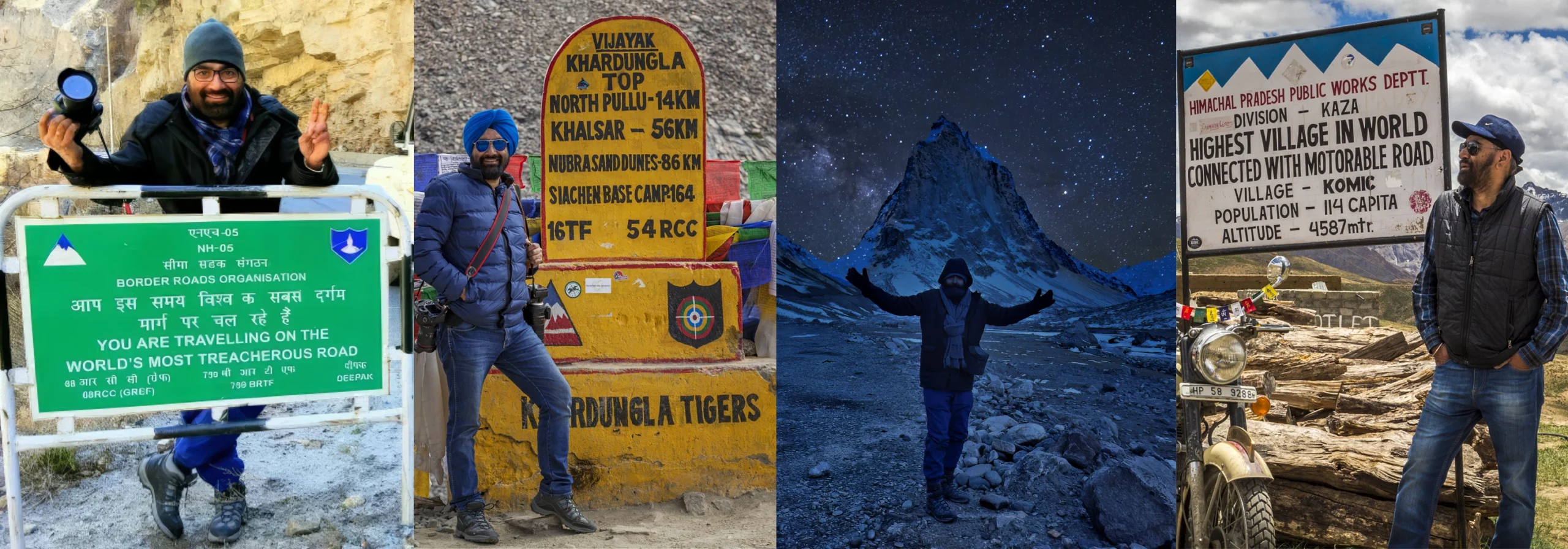
World Photography Day India always feels personal to me, because I do not experience it as a date on a calendar. I feel it in the dust of Rajasthan, the cold bite of Ladakh, the thin air of Spiti, and the crowded warmth of Old Delhi lanes where a frame can disappear in one second. For me, this day is not about showing off gear or posting a polished square on social media. It is about remembering why I first picked up a camera and why I still keep chasing honest light.
World Photography Day India matters more when you have shot this country long enough to know that India does not hand you easy images. India asks you to wait, to sweat, to freeze, to wipe the lens, and to try again. That is the lesson I carry from every trip, and it is also why my favorite frames are never the easiest ones. If you want the travel side of my visual journey, you can also read my guide to India’s most photogenic places.
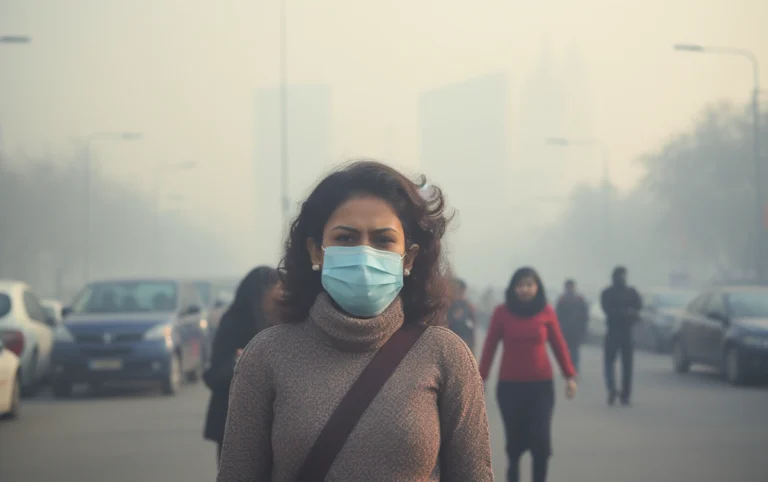
World Photography Day India also makes me think about the people behind the pictures. A good photograph in India is rarely only about beauty. It is about patience, timing, culture, weather, and the small human details that make a frame breathe. I have learned more from one sunrise in Spiti than from a month of scrolling online tutorials. And I say that as someone who lives in Delhi, where light, pollution, traffic, and surprise all arrive together. This is why I wanted to write this piece as a story, not a list.
World Photography Day India means something different when your country contains deserts, mountains, megacities, coastlines, and skies that can change mood in minutes. In India, photography is not only a craft. It is also a way of witnessing how fast life moves and how deeply people still hold on to ritual, color, and memory. That mix gives every frame a little more weight.
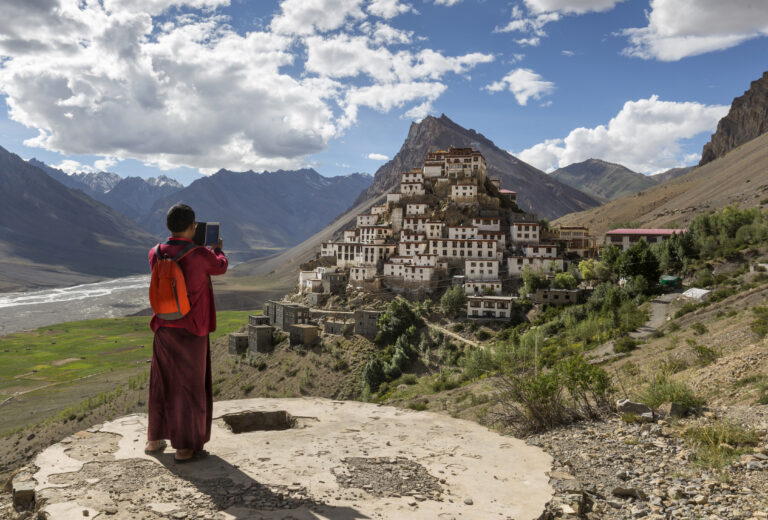
World Photography Day India matters to me because it reminds me that every Indian photograph is also a document of change. A tea seller in Delhi, a monk in Spiti, a woman in a red veil crossing Jodhpur dust, or a child looking at my lens in Old Delhi all carry stories bigger than the frame. I do not shoot just to make things pretty. I shoot to remember what India felt like in that exact minute. If you want a deeper personal journey from the mountains, read my Spiti Valley photographer journey.
World Photography Day India And The Indian Eye
World Photography Day India is also about learning the Indian eye, which is not the same as copying global trends. In India, visual language is louder, denser, and often more emotional. A frame can hold a sari border, a motorcycle, a dog sleeping in the shade, and a temple bell in one breath. That richness teaches you restraint. You stop chasing emptiness and start respecting complexity.
What changed me most was realizing that Indian photography needs humility. The country is bigger than our aesthetics. So on World Photography Day India, I think less about proving skill and more about honoring what is already here. That shift made my work slower, but also better.
Why India Makes Every Frame Earned
World Photography Day India feels earned because this country rarely gives you perfect conditions. The monsoon arrives late. The dust is merciless. The light bounces off white walls and turns a simple alley into a challenge. You learn to adjust, to wait, and to accept imperfect beauty. That is not a limitation. That is the lesson.
I have often come back from a shoot with one keeper image and a tired body, yet that one frame stayed with me for years. India does that to photographers. It teaches patience in public, and gratitude in private.
What Spiti Taught Me About Waiting For Light
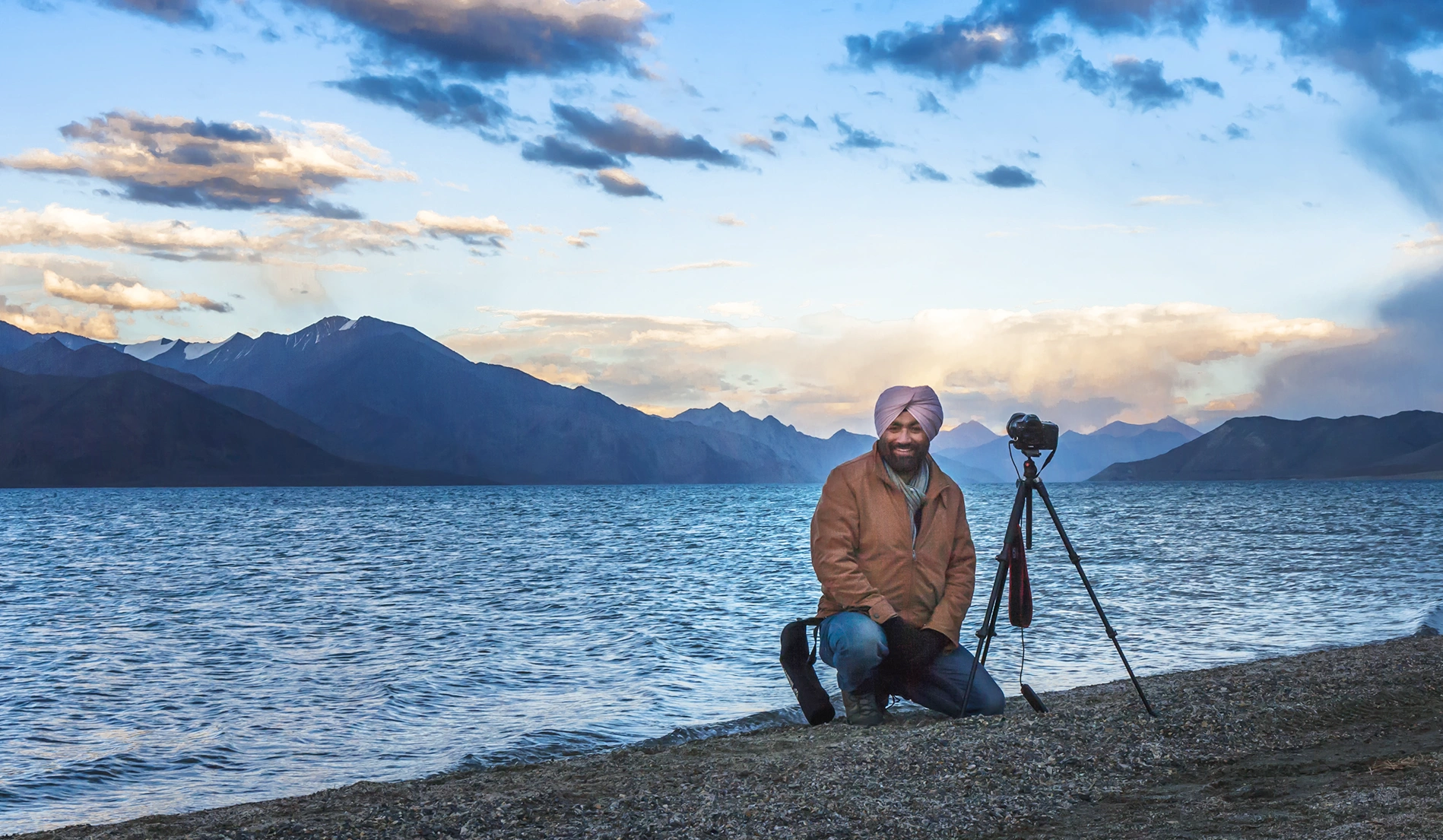
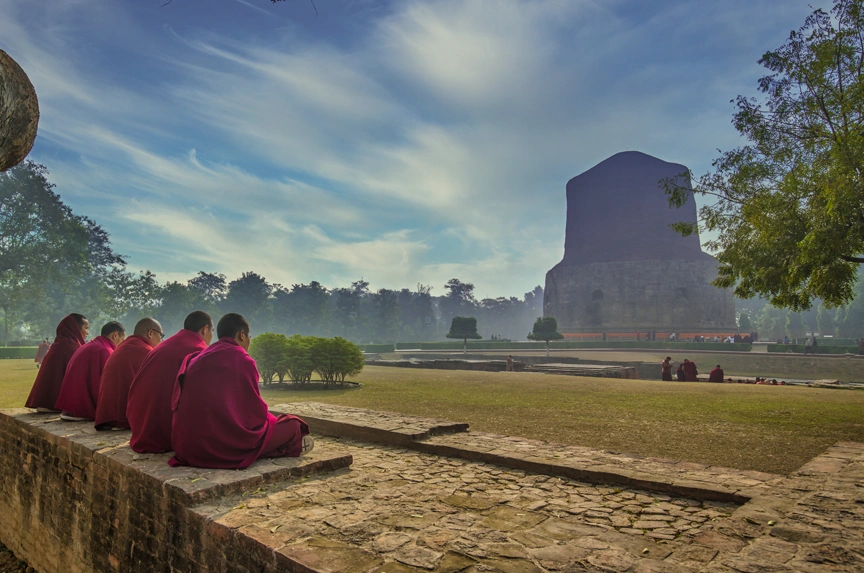
World Photography Day India took on a different meaning for me in Spiti, where the mountains do not rush for anyone. I remember standing before a ridge for so long that I thought the light had failed me. Then, suddenly, the sun touched one slope and left the other in shadow, and the whole valley looked hand-painted. That is when I understood that photography is often not about action. It is about waiting with respect.
World Photography Day India in Spiti taught me that the best light is often the one you nearly miss. If I had packed up early, I would have lost the frame that stayed with me the longest. Mountains reward stillness. They punish impatience. That is true in Spiti, and honestly, it is true in Delhi too, where I have learned to wait for a softer evening after the city has burned through its noon.
World Photography Day India And The Discipline Of Stillness
World Photography Day India reminded me that stillness is not laziness. It is discipline. In Spiti, I watched clouds move over the valley while I held my camera steady and waited for separation in the hills. The scene changed in tiny increments. Then one strip of sun opened, and that was enough. No dramatic action. Just a patient reward.
That lesson changed how I shoot everywhere. I no longer chase too many frames at once. I let the place speak first. That is why a slow photographer often comes home with a stronger image than a hurried one.
What I Learned From Losing The First Shot
World Photography Day India also taught me not to mourn the first missed shot. In Spiti, I have lost beautiful light because I was adjusting settings or changing lenses. Earlier, that used to bother me. Now I treat it as part of the process. A missed frame is not failure. It is tuition.
The mountain does not care about my schedule. Once I accepted that, my photography improved. I became calmer, more observant, and less greedy with the shutter. Sometimes the second or third moment is the real one anyway.
Shooting The Milky Way Over Indian Skies
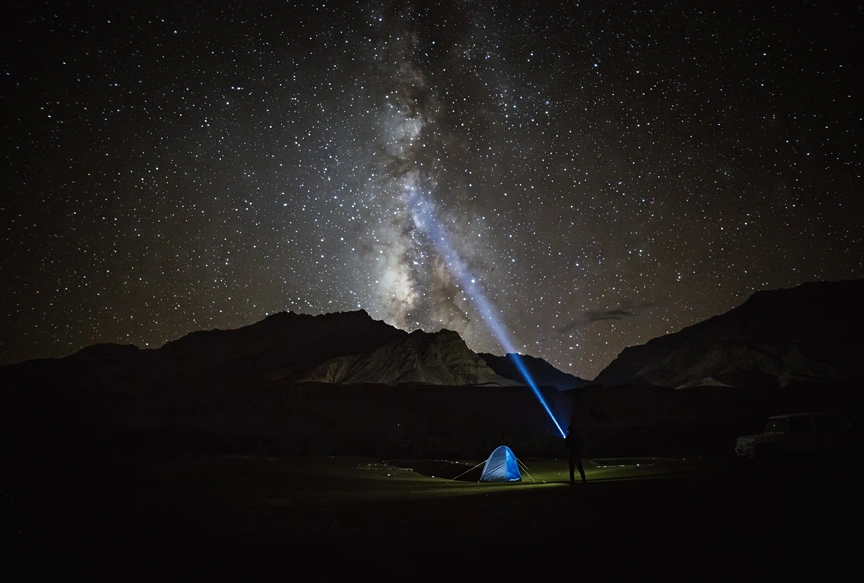
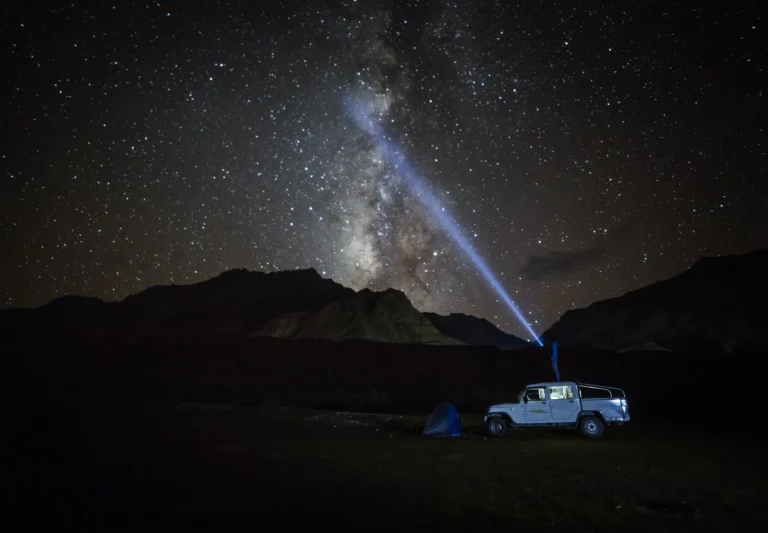
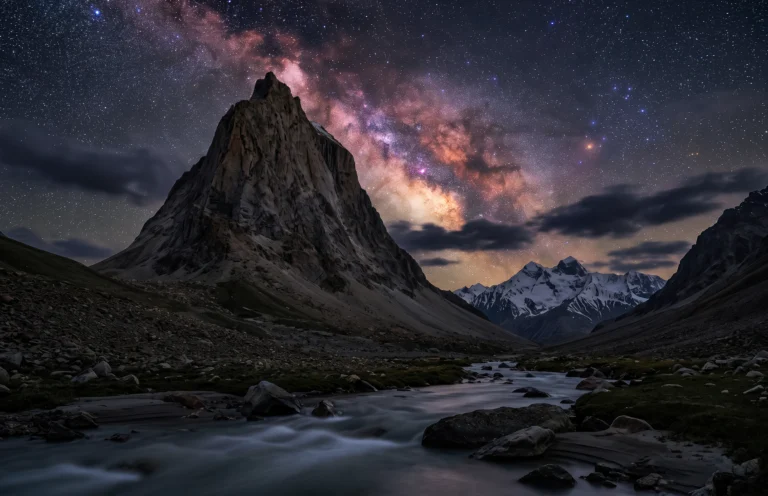
World Photography Day India becomes magical at night, when our skies finally reveal what city glare hides. In Ladakh, Spiti, and parts of Rajasthan, I have stood under a sky so clear that the Milky Way looked like a river of dust and light. If you want the scientific background, see astrophotography and the Milky Way. But what those pages cannot tell you is how humbling it feels when you realize the sky is larger than your fear of manual settings.
World Photography Day India under the stars taught me that astrophotography is not a flex. It is a conversation with darkness. You need a clear night, low light pollution, a stable tripod, and the patience to work in cold fingers and sleepy eyes. More importantly, you need to understand that the best sky is often available only when you are willing to stay outside a little longer than feels comfortable.
World Photography Day India And Sky Chasing
World Photography Day India is a reminder that India still has real dark-sky potential if you leave the cities behind. Ladakh, Spiti, parts of the Rann, and high-altitude stretches in Himachal can give you astonishing night frames. The key is timing your trip around the moon and the season, then letting your eyes adapt to darkness. I learned this after too many overexposed, noisy files.
If you are a beginner, do not chase perfect results on night one. Chase understanding. That shift saves frustration and builds skill faster than any online shortcut.
World Photography Day India And The First Time I Saw The Milky Way
World Photography Day India will always remind me of my first clear Milky Way shoot in the mountains. I was half thrilled and half terrified that I would ruin it. My hands were cold, my breath visible, and my camera felt like a delicate object in a very unfriendly climate. Yet when the frame appeared on the screen, I knew I had crossed into a new kind of photography.
That was the night I understood that night sky photography is part science, part emotion, and part stubbornness. You do not wait for luck. You prepare for it.
The Gear That Failed Me In Ladakh’s Cold
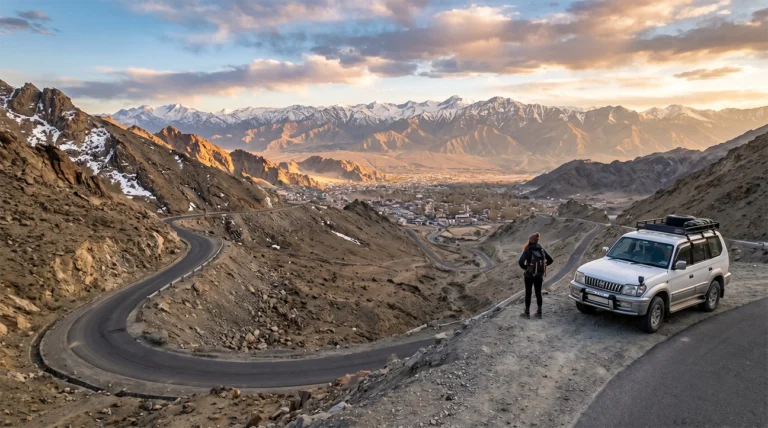
World Photography Day India also includes failure, and Ladakh gave me one of my sharpest lessons. World Photography Day India in the cold is not glamorous. Batteries drain quickly. Plastic becomes brittle. Hands stop cooperating. I have had a camera behave beautifully for an hour and then slow down just when the light got most interesting. That frustration taught me more than any perfect gear review ever could.
On one especially brutal morning, I kept a spare battery inside my jacket, but I still underestimated how quickly the cold would eat charge. My notebook froze in stiffness, and even the tripod felt less friendly than my own determination. I learned to keep batteries warm, use hand warmers, and avoid unnecessary lens swaps in open wind. For a real seasonal travel angle, I often send readers to my Ladakh winter notes.
World Photography Day India And Battery Reality
World Photography Day India in Ladakh taught me that battery anxiety is real. You can carry three fully charged batteries and still feel underprepared if temperatures drop hard enough. I learned to keep them rotated close to my body and to shoot efficiently instead of endlessly chimping the screen. Cold kills convenience first.
The smarter move is to accept that winter photography is a logistics game. If you plan badly, the mountains will expose it. That is not drama. That is physics.
World Photography Day India And The Wrong Kind Of Confidence
World Photography Day India also warned me against overconfidence. I once believed a good camera alone would carry me. Ladakh corrected that attitude in one morning. The problem was never only the gear. It was my assumption that comfort would remain available. It did not.
Now I pack with respect. I carry backups, insulation, microfiber cloths, and more patience than ego. That shift has saved many shoots and many moods.
What Rajasthan’s Dust Does To Golden Hour
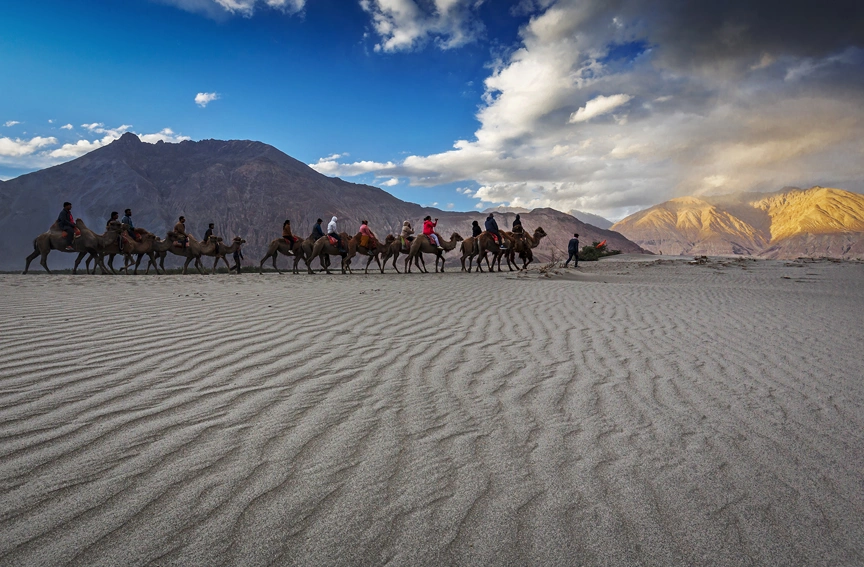
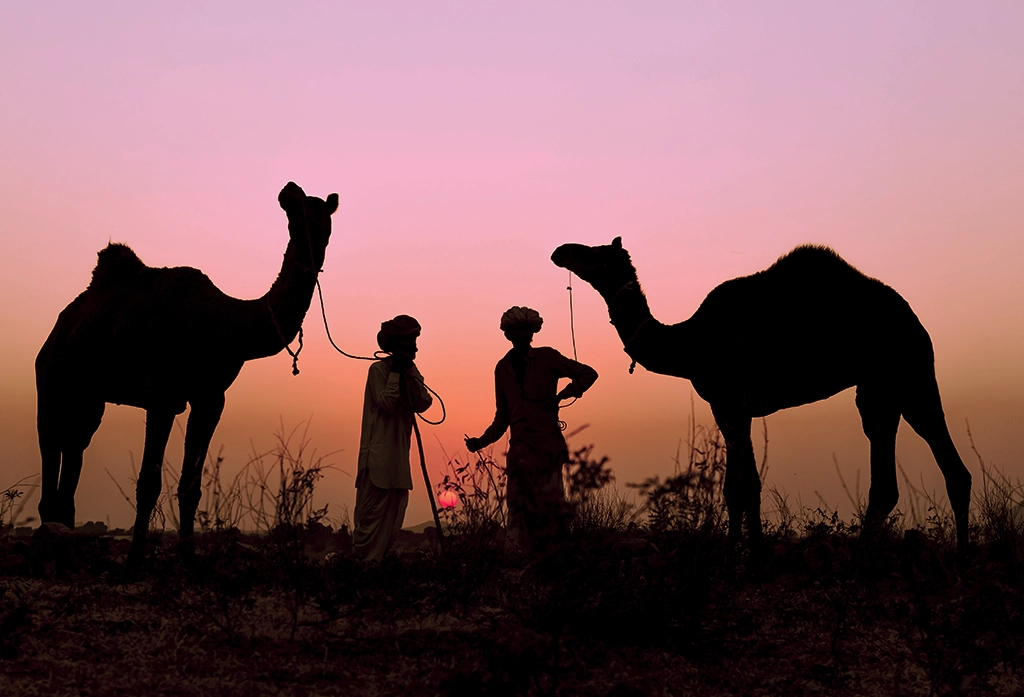
World Photography Day India feels especially vivid in Rajasthan, where dust does something beautiful to light. It softens edges. It turns golden hour into a warmer, older-looking scene. The same dust that annoys your sensor can also give your frame a texture that feels almost cinematic. That contradiction is very Indian to me. Beauty and inconvenience often arrive together.
In Jodhpur and beyond, I have watched sunlight pass through dusty air and transform a simple street into a glowing corridor. But I have also watched my lens collect grit faster than I could clean it. That is why I now carry a blower, a cloth, and a far more realistic attitude. World Photography Day India in Rajasthan taught me that you cannot romanticize dust unless you also respect maintenance.
World Photography Day India And The Glow That Dust Creates
World Photography Day India in Rajasthan showed me that dust can be a collaborator. It blurs hard shadows and gives color a slight old-world softness. During golden hour, this can make walls, turbans, and sandstone feel alive. It is one reason Rajasthan keeps pulling photographers back.
However, you have to expose carefully. Dust can fool your eye into thinking the light is cleaner than it really is. I learned to check highlights more than I used to. That saved many files from becoming flat or blown out.
World Photography Day India And Cleaning Without Panic
World Photography Day India also taught me that cleaning gear in dusty places should be calm, not frantic. I used to panic every time grit entered a bag. That made me worse, not better. Now I clean methodically, avoid changing lenses in wind, and accept that a little dust is part of working honestly in the field.
Photography in Rajasthan is not a sterile studio exercise. It is a negotiation with environment. When you stop fighting that truth, your work becomes freer.
Street Photography Lessons From Old Delhi
World Photography Day India comes home for me in Old Delhi, where I have spent countless hours observing life without trying to interrupt it. This is also where my Delhi self enters the frame. I know the smell of jalebi frying, the sound of cycle bells, and the way a narrow lane can hold three generations of conversation at once. Old Delhi is not a backdrop. It is a living archive.
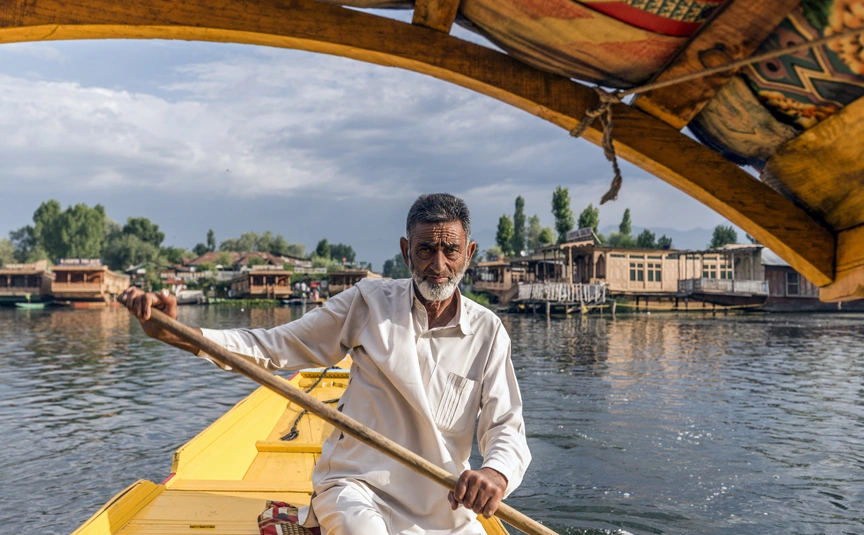
Street photography here taught me restraint. I do not fire wildly anymore. I wait for gestures, eye contact, and moments where a person seems comfortable enough to be seen. That changed my respect for the camera. World Photography Day India is not just about taking. It is about asking, even silently, whether you deserve the frame.
World Photography Day India And Consent In The Street
World Photography Day India raises a question many beginners ignore. Is street photography legal in India? In most public places, photography is generally allowed, but respect matters more than technical legality. If someone objects, I stop. If a space feels sensitive, I move on. The law is not the whole conversation. Human dignity is part of the craft.
That is why I prefer shooting with awareness rather than aggression. The best street images come when people forget you are hunting them and simply let life continue.
World Photography Day India And My Delhi Habit Of Watching First
World Photography Day India sharpened a Delhi habit I already had. I watch first and shoot later. In my neighbourhood, I have learned that a chai stall at 6 pm, a school crossing at noon, and a bazaar lane after rain all tell different stories. That observation time is never wasted.
It makes my street photography kinder and stronger. I do not need to force every frame. I only need to notice what is already happening.
Why Every Photographer Needs A Local Story
World Photography Day India is not only about dramatic travel pictures. It is also about local stories, the kind that stay close to home and deepen your eye over time. For me, Delhi is that story. A photographer who ignores their own city misses a huge part of their voice. I have photographed festivals, markets, rooftops, and ordinary afternoons here, and each one taught me something no remote location could.
Local stories create trust. They train your eye to see patterns, not just spectacle. They also make you better at returning to a place until it reveals more layers. World Photography Day India becomes more meaningful when you stop treating home as familiar and start treating it as worthy.
World Photography Day India And The Value Of Returning
World Photography Day India reminds me that good work often comes from repeat visits. I have gone back to the same lane in Delhi several times and noticed how changing light, weather, and human rhythm completely alter the mood. That repetition is not boring. It is how depth is built.
Some of my strongest pictures came from places I had already seen. Familiarity made me faster, calmer, and more patient.
World Photography Day India And Building A Voice
World Photography Day India also pushes photographers to build a voice, not just a portfolio. A voice shows up in what you notice, what you ignore, and how you frame ordinary life. If you spend all your time chasing other people’s dream locations, you may never learn your own language.
That is why local photography matters so much. It anchors your eye in lived reality, and that honesty travels farther than trend.
Mistakes I Made So You Do Not Have To
World Photography Day India is the perfect moment to admit that I have made many mistakes. I have underpacked batteries, overpacked lenses, chased the wrong light, and trusted weather forecasts too much. I have also tried to overedit files that only needed restraint. Each mistake taught me something useful, but I would happily spare you the pain.
One big mistake was ignoring how different locations demand different rhythms. Spiti is not Rajasthan, Ladakh is not Delhi, and night photography is not portrait work. Another mistake was assuming post-processing could rescue poor shooting. It can improve a frame, but it cannot create emotion out of nothing. If you want a better starting point, choose your scene well, then shoot with care.
World Photography Day India And What I Would Change
World Photography Day India would have saved me a lot of trouble if I had learned sooner to scout before the main shoot. I also should have carried more cloths, fewer unnecessary accessories, and more practical layers. The gear list matters, but so does your comfort and judgment.
The simple truth is that preparation wins more often than talent alone. That is not glamorous, but it is real.
World Photography Day India And The Editing Trap
World Photography Day India also taught me not to fall into the editing trap. I still edit, of course, but I do it to refine, not to rescue. If a photograph is weak at capture, software rarely makes it meaningful. Beginners in India often think editing can fix everything. It cannot.
Better shooting, cleaner files, and honest exposure will do more for you than endless sliders. That lesson has saved me time and kept my work more natural.
Building A Photography Practice In India Today
World Photography Day India is also about building a practice that can survive real life. In India today, that means learning to work around heat, dust, traffic, inconsistent access, and changing platforms. It also means understanding that photography can be passion, portfolio, and income if you treat it seriously. I know photographers who earn through weddings, travel content, brand work, teaching, prints, and editorial commissions.
What matters most is consistency. Shoot regularly. Edit with discipline. Back up your files. Share work thoughtfully. Learn basic business sense, because creativity without structure gets tired fast. World Photography Day India should inspire us not only to celebrate images but to build habits that protect our craft for years.
World Photography Day India And The Business Side
World Photography Day India also invites a practical question. How can you turn photography into income in India? Start small. Build a clear body of work, post consistently, and learn how to approach clients without sounding desperate. Many photographers in India earn from local businesses, destination shoots, and content collaborations before they ever land bigger assignments.
The important part is to stay honest about your niche. A clear voice sells better than random chasing.
World Photography Day India And A Sustainable Routine
World Photography Day India becomes much more valuable when your practice is sustainable. I try to keep a simple rhythm in Delhi: sort files weekly, review mistakes monthly, and plan one serious field shoot whenever possible. That routine keeps me from drifting.
Photography is not only about inspiration. It is also about maintenance, patience, and showing up even when the mood is absent.
Frequently Asked Questions
What Is World Photography Day And Why August 19?
World Photography Day India marks August 19 as a global celebration of photography and the people who practice it. The date connects to the historical birth of photography as a public medium and is now used to honor visual storytelling. For me, World Photography Day India is less about ceremony and more about remembering how images shape memory, culture, and personal identity.
What Camera Settings Work Best For Milky Way Photography In India?
World Photography Day India is a good reminder that Milky Way shots usually need a wide aperture, a high ISO, and shutter speed kept short enough to avoid star trails. A common starting point is f/2.8, ISO 3200, and 15 to 20 seconds, but you should test based on your lens and sky brightness. Manual focus and a tripod matter a lot.
Which Indian Locations Are Best For Astrophotography?
World Photography Day India often sends photographers to high-altitude and low-light places. Ladakh, Spiti, parts of Himachal, the Rann of Kutch, and remote desert stretches in Rajasthan can all work well if skies are clear. The key is low light pollution and good timing around the moon. Before traveling, check local weather and access conditions carefully.
How Do I Start Astrophotography As A Beginner In India?
World Photography Day India can be your push to begin with simple tools. Start with a tripod, a wide lens, and a camera that handles higher ISO reasonably well. Practice close to home before traveling far. Learn to focus manually at night, shoot test frames, and study your results. A dark terrace or quiet open ground can be enough for your first attempts.
What Gear Do I Need For Night Sky Photography In Cold Regions Like Ladakh?
World Photography Day India in cold regions means thinking beyond the camera body. Carry extra batteries, warm layers, lens cloths, hand warmers, a sturdy tripod, and a bag that protects against moisture. Batteries lose charge faster in cold, so keep spares close to your body. If you want a practical travel angle, see my Ladakh winter guide.
Is Street Photography Legal In India?
World Photography Day India brings up privacy and consent often. Street photography in public spaces is generally allowed in India, but rules can vary by location, and respect matters more than technical permission. If a person asks you to stop, stop. If a space feels sensitive, move away. Good street photographers build trust, not tension.
What Is The Best Time Of Year For Milky Way Photography In India?
World Photography Day India works best with dark skies, and in India that usually means clearer months outside heavy monsoon conditions. Many photographers prefer late winter to early summer in mountain regions, depending on access and weather. The moon phase matters too. Aim for moonless nights, low humidity, and a location with little artificial light.
How Do I Protect My Camera Gear In Extreme Cold Or Dust?
World Photography Day India taught me to treat protection as part of shooting. In cold, keep batteries warm, avoid sudden temperature changes, and let gear acclimatize before bringing it indoors. In dust, use a blower, seal your bag well, and avoid lens changes in wind. One careless swap can cost you a clean sensor for days.
What Editing Software Is Best For Astrophotography Beginners?
World Photography Day India is easier when your editing tools are simple. Lightroom is a friendly starting point for exposure, color, and noise control. Some photographers also use Photoshop for stacking or cleanup, but beginners should first learn to make solid files in camera. Editing should support the image, not become a substitute for weak capture.
How Can I Turn Photography Into Income In India?
World Photography Day India can also be the start of a business mindset. You can earn through portraits, events, travel content, stock licensing, workshops, and social media collaborations. Build a consistent style, share work in a professional way, and talk to local businesses that need visual content. Photography becomes income when your work is reliable and your communication is clear.
Conclusion
World Photography Day India means more to me now than ever, because I have seen how much a country can teach a photographer who is willing to stay humble. Spiti taught me to wait. Ladakh taught me to prepare. Rajasthan taught me that dust can be beautiful if you respect it. Old Delhi taught me to watch with care. Together, these places gave me a better eye and a calmer mind.
World Photography Day India also reminds me that every photographer needs both ambition and a local story. You do not need to chase the same perfect sunrise as everyone else. You need to find the scenes that keep speaking to you, even after the first thrill is gone. If you are just starting, begin with your city, your street, your terrace, or your nearby market. Then go farther when you are ready. If you want more India visual inspiration, browse this photography destination guide.
World Photography Day India is, for me, a promise to keep looking with patience and honesty. Keep shooting, keep learning, and keep making room for the quiet lesson inside every frame. World Photography Day India