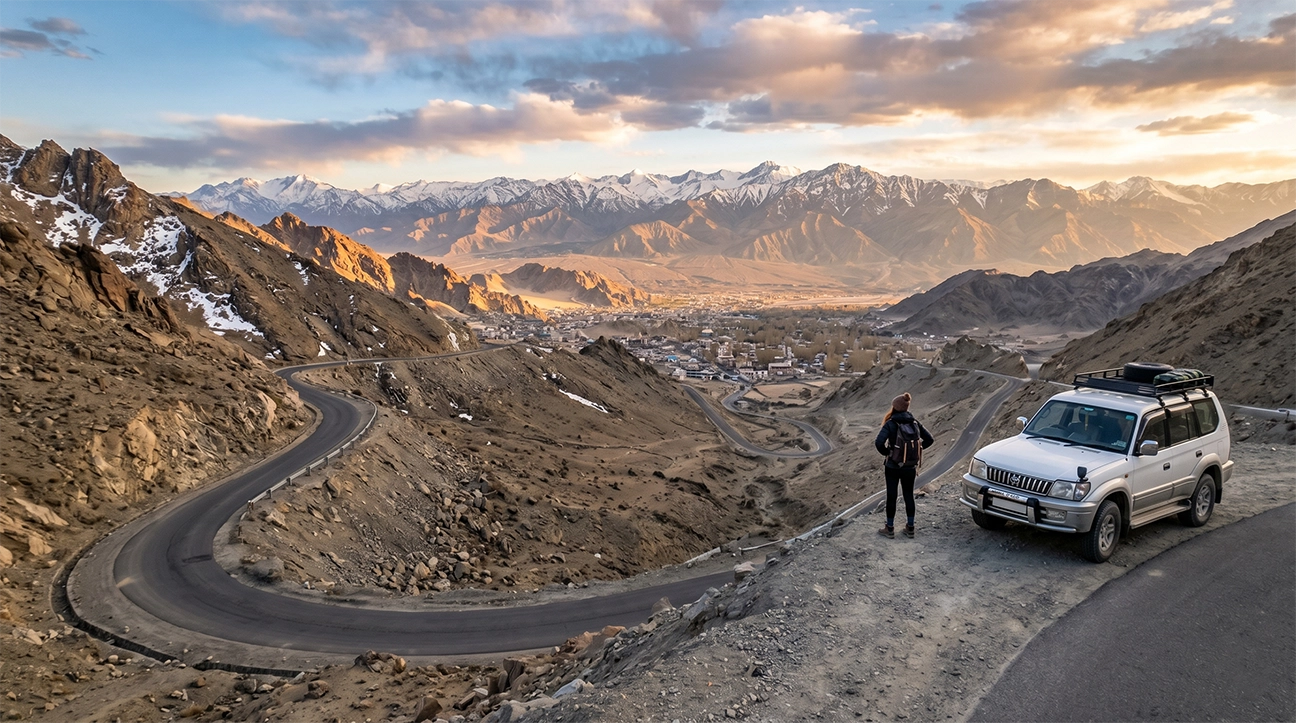
A trip to Ladakh is every traveler’s dream. This “Land of High Passes” offers a kaleidoscope of breathtaking landscapes, ancient monasteries, and vibrant cultures unlike anywhere else in India. However, Ladakh’s remoteness, altitude, and unique logistics can make planning a daunting task, especially for first-time visitors. That’s where this comprehensive Ladakh Travel Guide steps in. Whether you’re crafting your Leh Ladakh itinerary, planning a Ladakh road trip, or seeking advice on permits and acclimatization, this guide gives you everything you need to know for a safe, unforgettable, and smooth journey in 2026.
We’ll also cover when is the best time to visit Ladakh, insider tips for Pangong Lake and Nubra Valley, budgeting strategies, and common mistakes to avoid—ensuring your Ladakh Travel Guide is nothing short of spectacular.
So, get your notepad ready and dive into this expert-crafted Ladakh Travel Guide for first-time explorers and adventure seekers alike.
Best Time to Visit Ladakh: Seasons, Weather, and Festivals
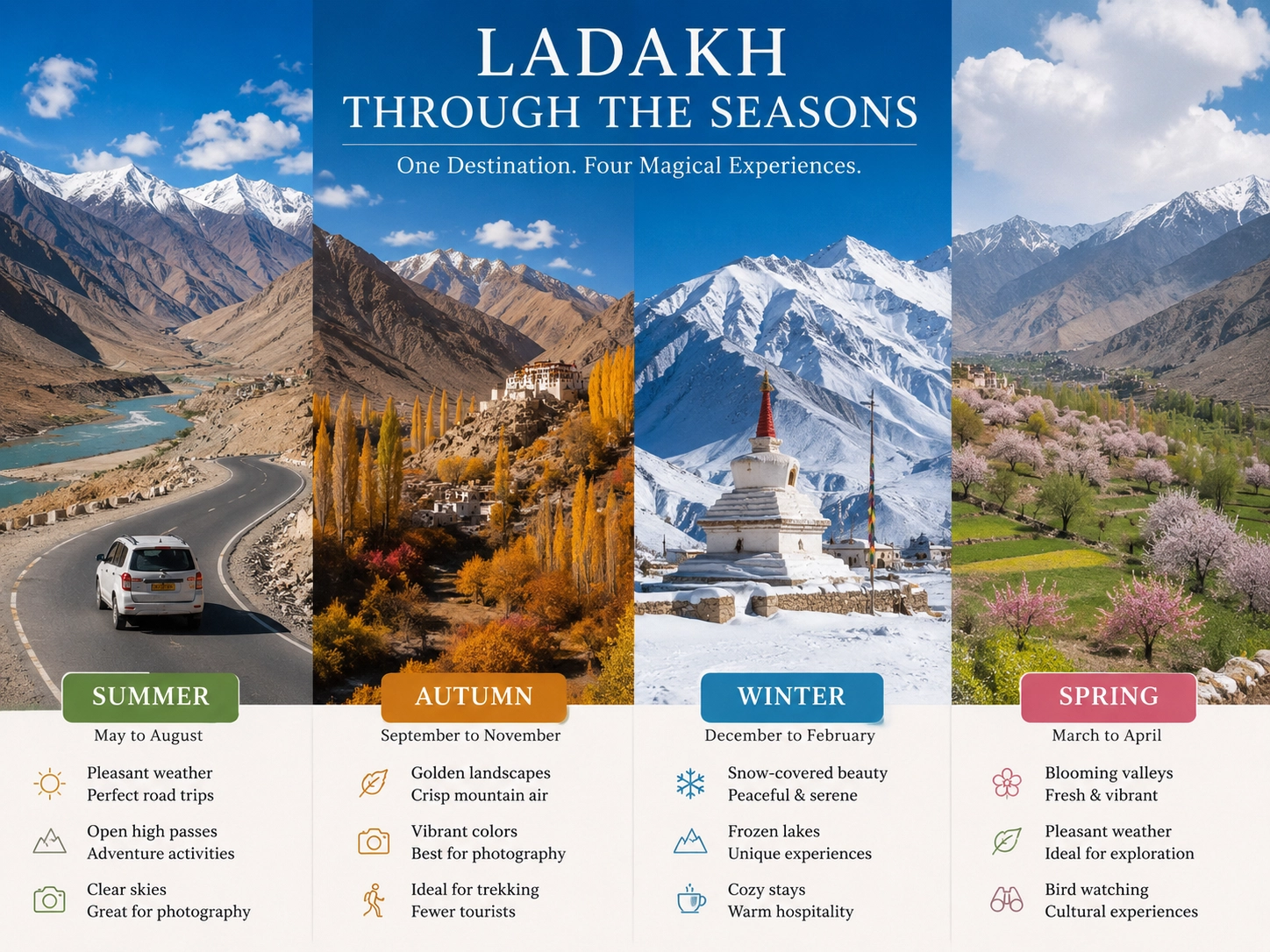
Timing your Ladakh adventure can make or break your experience. The region is accessible mainly between late April and early October, as heavy snowfall blocks roadways in the winter. The best time to visit Ladakh is typically from mid-May to September, when the weather is mild, roads are open, and festivals like Hemis and Ladakh Festival bring color to the region.
Seasonal Comparisons:
– May-June : Melting snow, clear views, less crowded. – July-August : Peak tourist season, frequent festivals, some rain. – September : Clear skies, fewer crowds, ideal for photography. – October-April : Mostly closed except by air, extreme cold.
Practical Tip: If you prefer fewer crowds, plan your Ladakh road trip in early June or late September.
Festivals not to miss: Hemis Festival (June/July) and Dosmoche (February), offering glimpses into Ladakh’s spiritual culture.
How to Reach Ladakh: By Air, Road, and Rail
Ladakh can be reached by multiple routes, each with its charm and challenges. The two main access points for travelers are Leh by air and two scenic highways.
By Air – Daily flights connect Delhi, Srinagar, and occasional metros to Leh Kushok Bakula Rimpochee Airport. – Expert Insight: Oxygen levels drop abruptly; acclimatize after landing.
By Road – Manali-Leh Highway (480 km): Opens mid-June, offers dramatic landscapes. – Srinagar-Leh Highway (434 km): Opens in May, steadier altitude gain, better for avoiding altitude sickness.
By Rail – The nearest railhead is Jammu Tawi. From here, hire a taxi or board a bus to Srinagar or Manali, then continue by road.
Tip: Those sensitive to high altitudes should prefer the Srinagar-Leh highway for gradual acclimatization.
[Government of India Road Status](https://borderroads.gov.in/) offers real-time updates for planning a safe Ladakh road trip.
Acclimatization in Ladakh: Staying Healthy at High Altitude
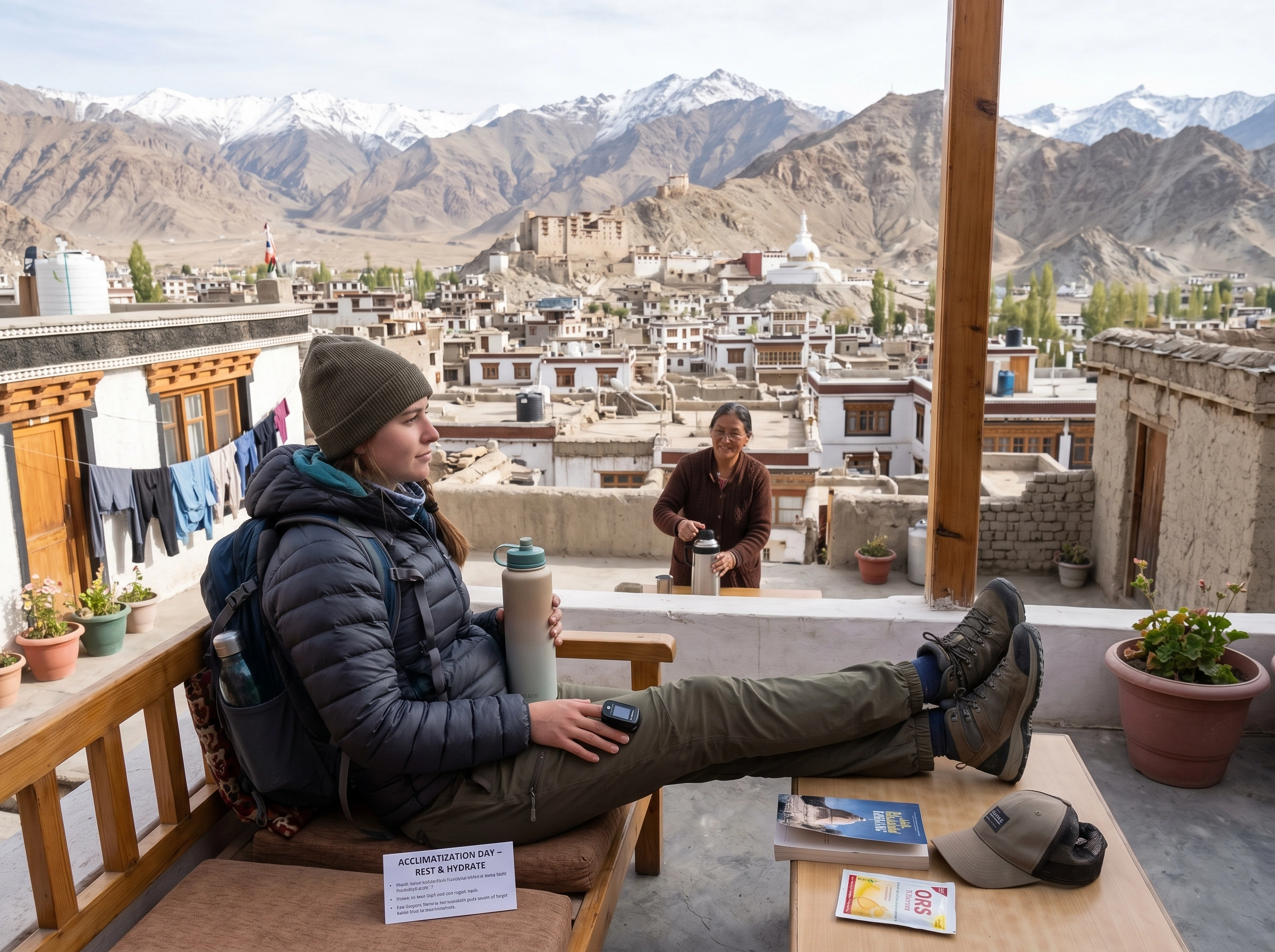
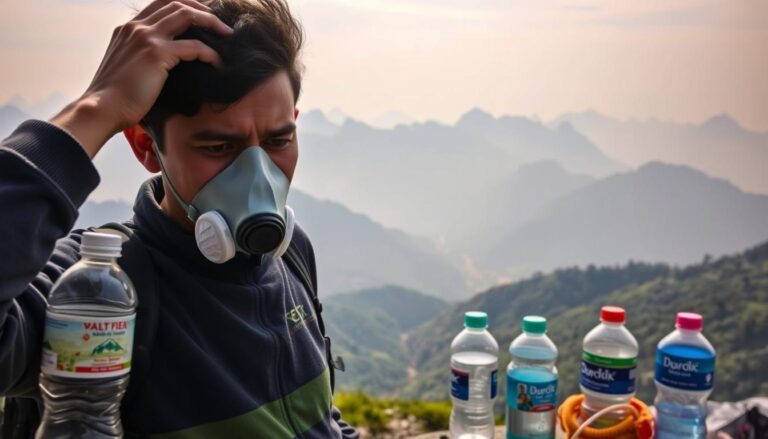
One of the most crucial aspects of any Ladakh Travel Guide is learning about altitude sickness. Leh stands at 3,500 m, while many tours go over 5,000 m passes. Rapid ascent can result in Acute Mountain Sickness (AMS).
Understanding AMS
– Symptoms: Headache, breathlessness, fatigue, nausea, confusion. – Usually appears 12-24 hrs after arrival at altitude. – Children and older adults are equally susceptible.
Prevention Tips
– Spend at least 24–48 hours in Leh to acclimatize. – Ascend gradually, especially on your Ladakh road trip. – Drink plenty of fluids, avoid alcohol, and eat light meals. – Consult a doctor about prophylactic medication like Acetazolamide (Diamox).
Common Mistake
Ignoring acclimatization or planning to visit Pangong Lake or Nubra Valley on the first day. Stick to Leh sightseeing initially.
For in-depth altitude guidance, check the [CDC’s advice on high altitude travel](https://wwwnc.cdc.gov/travel/page/travel-to-high-altitudes).
Permits, Paperwork & Entry Requirements
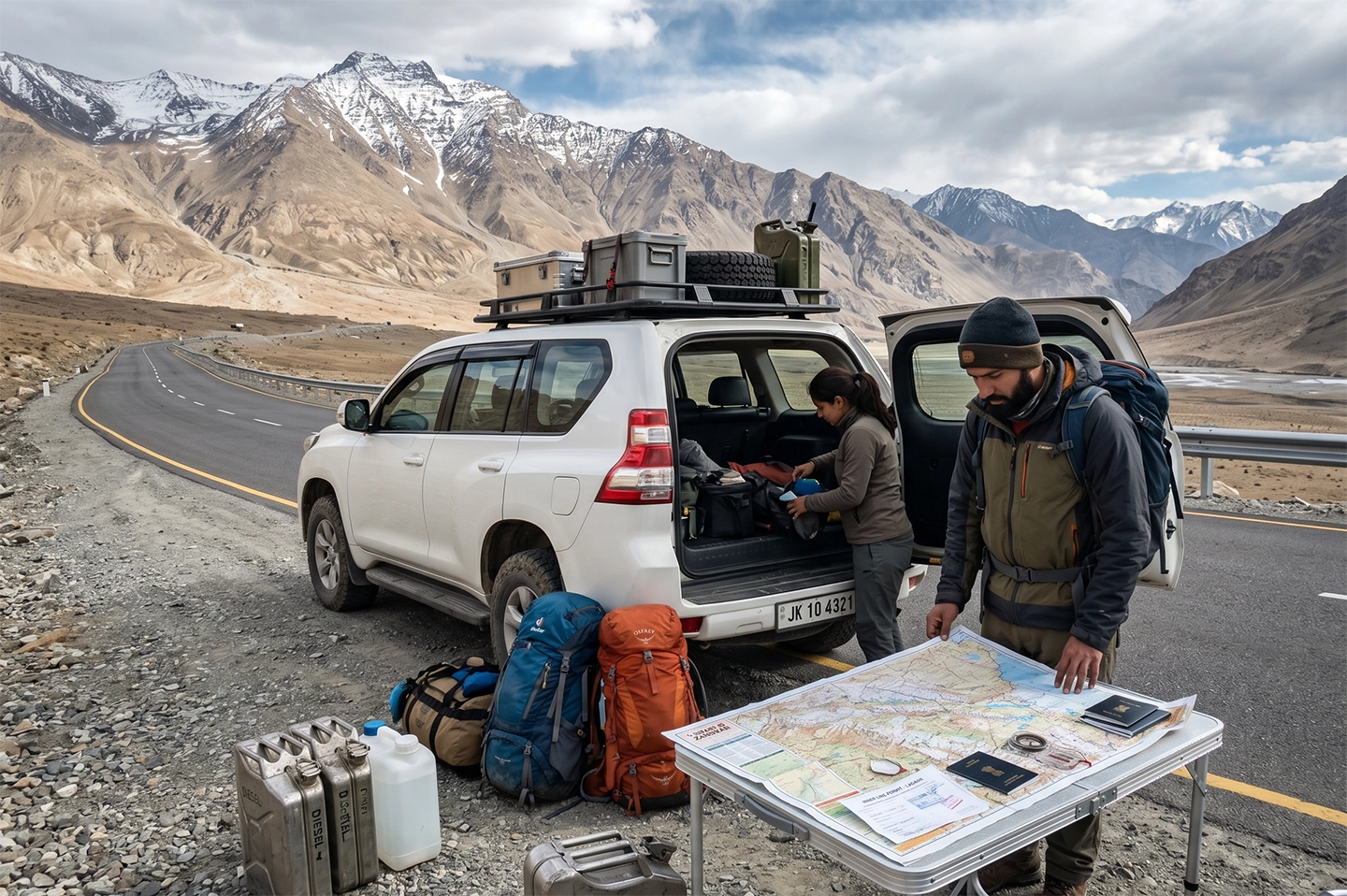
Obtaining the necessary permits is non-negotiable in any Leh Ladakh itinerary, especially for travelers visiting places like Nubra Valley, Pangong Lake, and Tso Moriri, all of which are located near sensitive border areas.
Types of Permits
– Inner Line Permit (ILP): Required for Indian citizens visiting restricted areas. – Protected Area Permit (PAP): Required for foreign national travelers.
How to Apply
– Apply online via the [Ladakh District Permit Portal](https://www.lahdclehpermit.in/). – Carry photocopies of your permit at all times—multiple checkpoints exist.
Insider Tip: Attend to permits in advance, especially during the high season to avoid lengthy queues in Leh. This holds true for group and solo travelers alike.
Planning Your Leh Ladakh Itinerary: Top Attractions & Routes
With countless awe-inspiring sights, building the “perfect” Ladakh itinerary is challenging. For first-timers, a balanced plan usually spans 7–10 days.
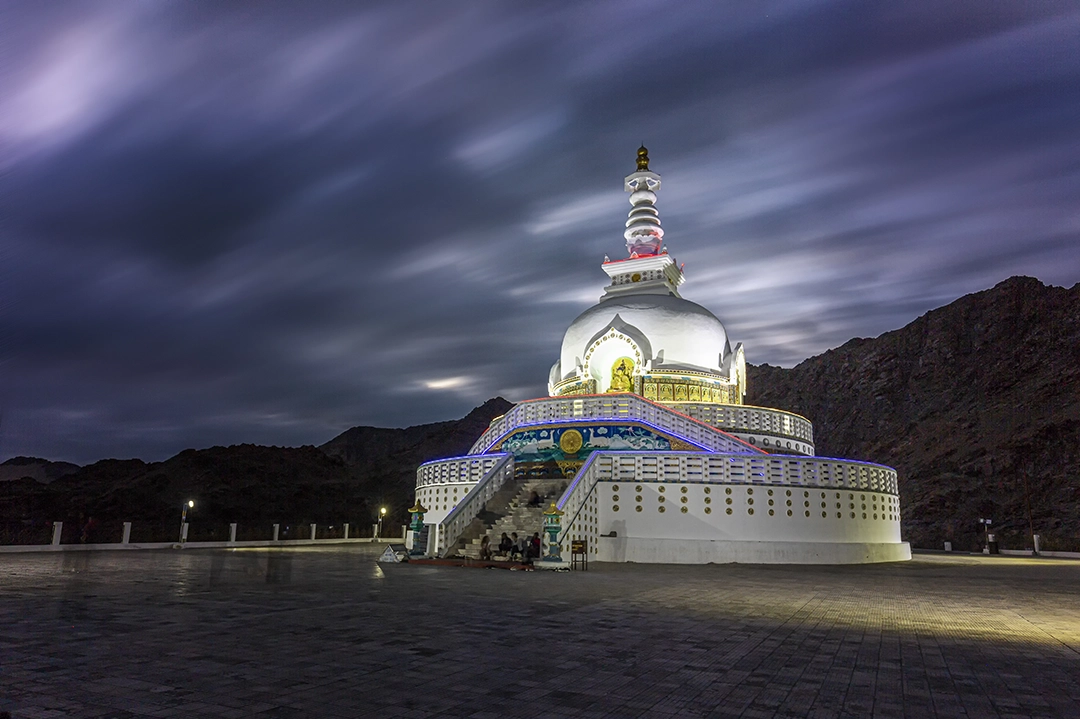
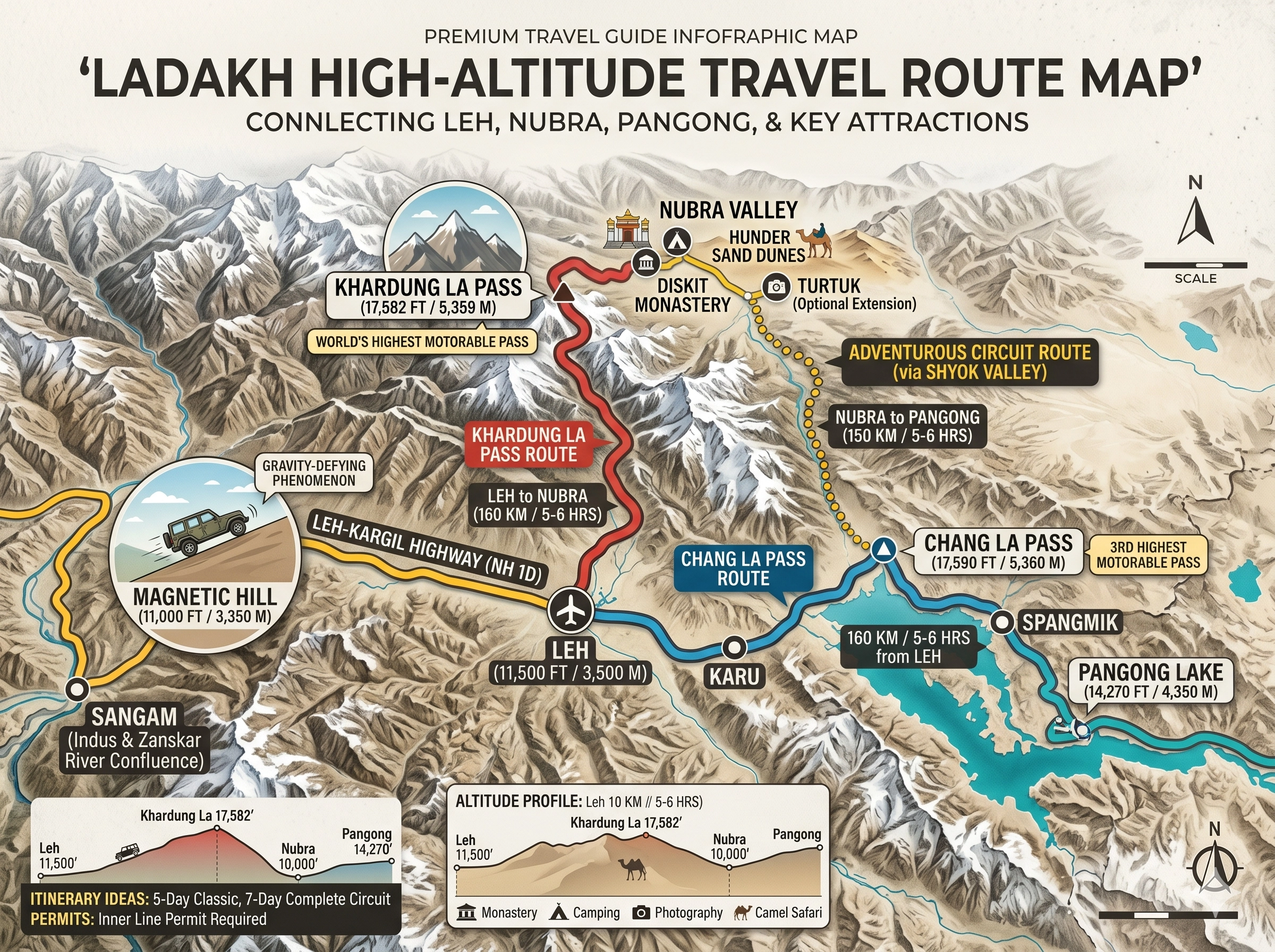
Here’s an example guide:Sample 7-Day Itinerary 1. Day 1-2: Acclimatize in Leh; visit Leh Palace, Shanti Stupa, local markets. 2. Day 3: Drive to Nubra Valley via Khardung La (world’s highest motorable road). 3. Day 4: Explore Diskit Monastery, Hunder Sand Dunes, and Turtuk village. 4. Day 5: Pangong Lake via Shyok route. 5. Day 6: Return to Leh, en route to Hemis and Thiksey Monasteries. 6. Day 7: Departure
Add-on Adventures – Tso Moriri Lake or Zanskar Valley for extra days.
Practical Tips – Reserve at least two buffer days for bad weather or emergencies. – Prefer slow travel for a richer experience and better acclimatization.
For more expert travel tips, explore our dedicated resources.
Budgeting for Your Ladakh Trip: Costs & Money-Saving Tips
Ladakh can fit most budgets, from backpackers to luxury seekers. A Ladakh budget trip is completely doable if you plan smartly with Ladakh Travel Guide.
– Share cabs with other travelers. – Book Leh hotels and flights early for discounts. – Opt for local food and simple accommodations. – Bring refillable water bottles to avoid buying packaged water.
Comparison: A solo Ladakh road trip may cost more than a group journey for shared transportation and accommodations.
Hidden Costs to Consider
– Buying bottled oxygen (₹350–₹1000) in emergencies. – Unforeseen flight cancellations: always keep a buffer fund.
Essential Packing List for Ladakh
Packing right is critical for comfort and safety. Ladakh’s harsh climate and lack of amenities make it important to come prepared.
Must-bring Items
– Thermal base layers, windproof jackets, and fleece – UV sunglasses and high-SPF sunscreen – Sturdy shoes (trekking recommended) – Water bottle (preferably with filter) – Personal medications and basic first-aid – Powerbank and extra camera batteries – Permits and multiple ID proofs – Snacks for remote regions
Seasonal Variations
– Summer (May-September): Layered clothing, rain jacket, sunblock. – Winter: Down jackets, gloves, thermal socks, heavy moisturizer.
Practical Tip: Carry cash; most remote areas lack ATM access and digital payments.
Accommodation in Ladakh: Hotels, Homestays, and Camps
From luxury hotels in Leh to cozy family-run homestays, Ladakh Travel Guide offers options for every budget and preference. Here’s what first-timers should know:
Hotels & Guesthouses
– Mostly found in Leh, Kargil, and bigger villages. – Basic but clean; hot water may be limited.
Homestays
– Found in Nubra Valley, Sham Valley, and rural villages. – Offer an authentic cultural immersion. Meals are often included.
Campsites
– Available at Pangong Lake and Tso Moriri. – Basic amenities; nights can be freezing even in summer.
Booking Tips
– Reserve accommodations in advance during the season. – Check latest reviews and amenities before confirming.
For inspiration and honest reviews, explore our collection of travel tips.
Pangong Lake & Nubra Valley: Detailed Travel Guides
Pangong Lake Travel Guide
– Distance from Leh: About 225 km (5–6 hours by road) – Best time: June to September – Permit: Mandatory
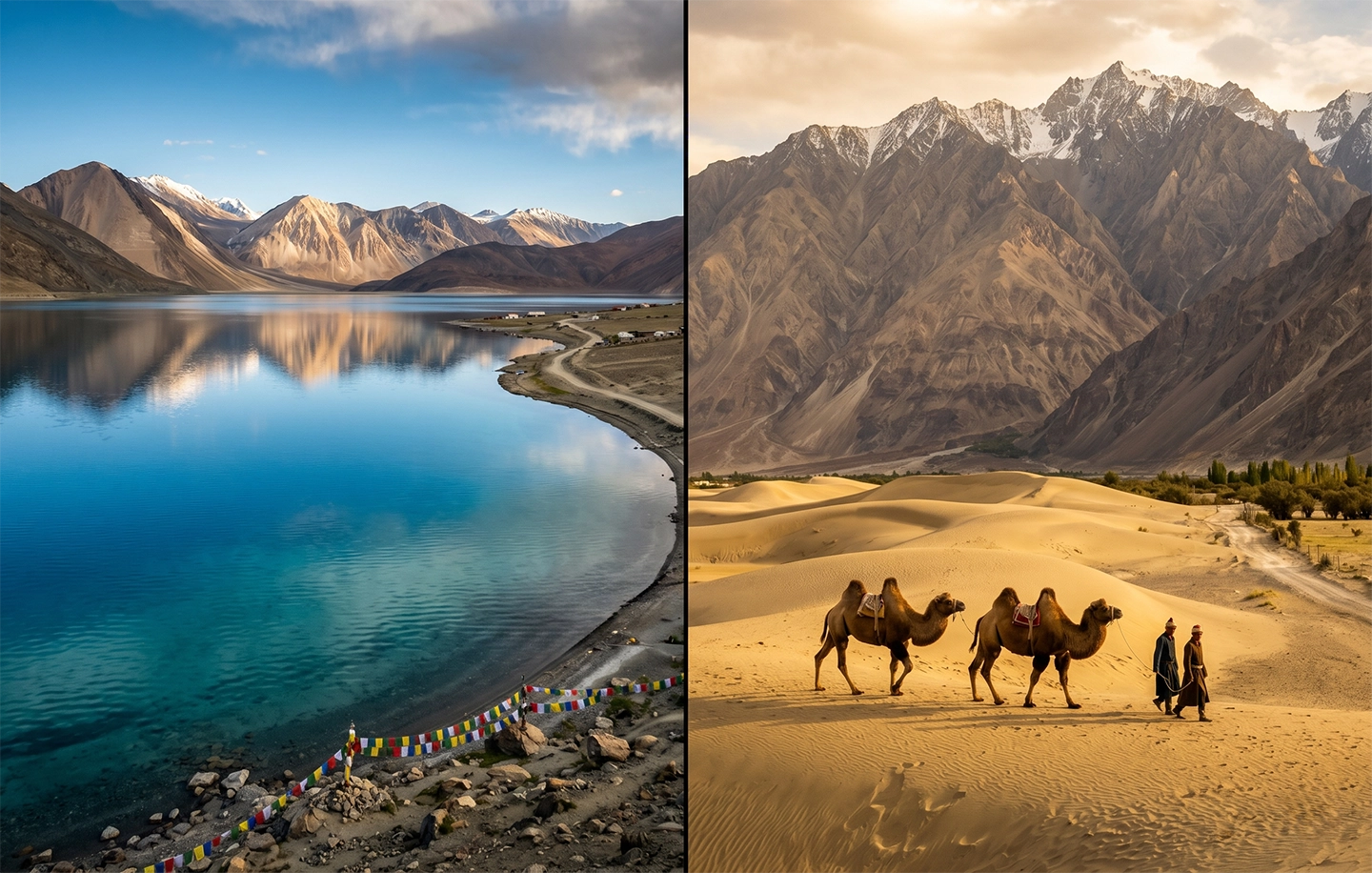
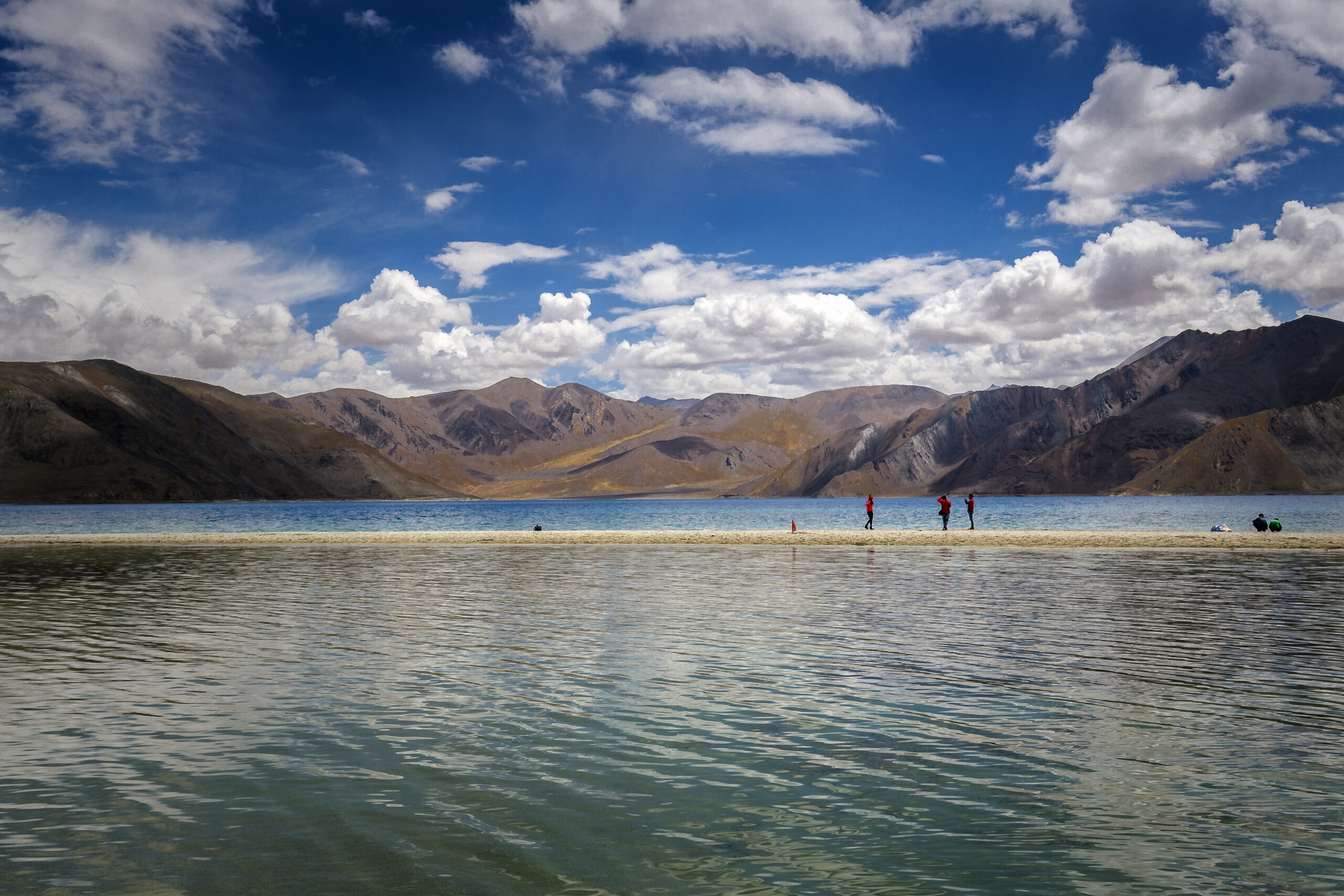
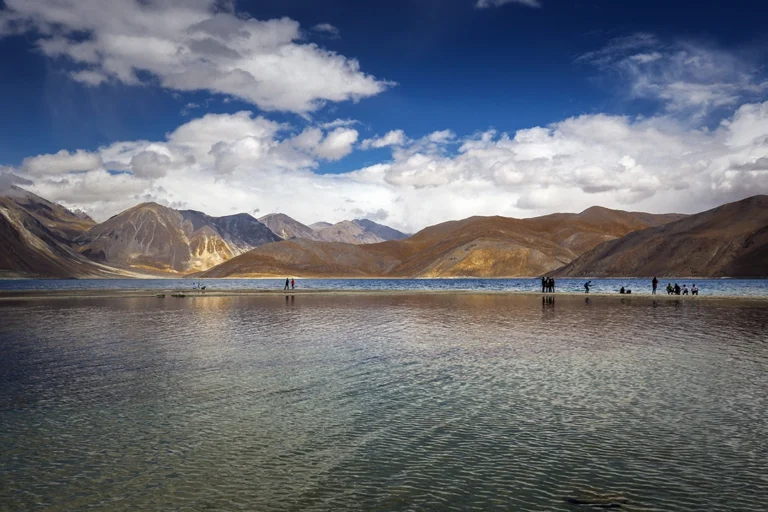
Pangong Tso is famed for its ever-changing colors and dramatic mountainscape. Budget travelers can choose from tented camps or rustic homestays. The area has limited amenities and patchy mobile connectivity; come prepared with cash and essentials.
Practical Tip: Avoid swimming in the lake—the waters are icy cold and unpredictable.
Nubra Valley Itinerary
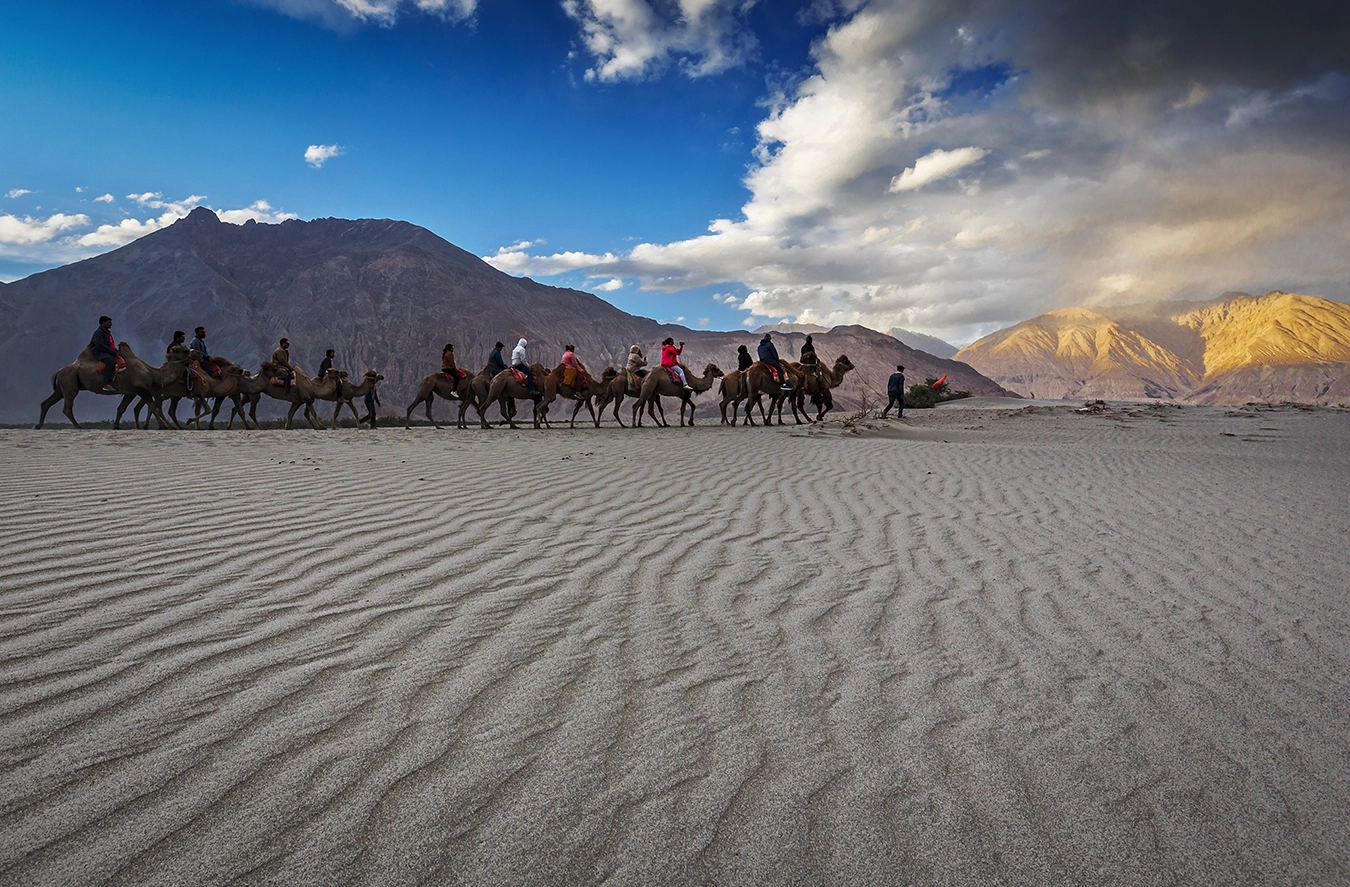
– Distance from Leh: 120–160 km via Khardung La – Key attractions: Diskit Monastery, Hunder Sand Dunes (Bactrian camel rides), Turtuk village, Panamik hot springs.
Nubra Valley’s unique landscape blends sand dunes, rivers, and snow-capped peaks. Homestays here are ideal for cultural interactions and local cuisine.
Comparison: Pangong offers magnetic scenery and glam-camping, while Nubra is better for community tourism and activities.
Common Ladakh Travel Mistakes and How to Avoid Them
No Ladakh Travel Guide is complete without addressing common pitfalls.
1. Underestimating Altitude Ignoring acclimatization leads to AMS and trip disruptions.
2. Tight Scheduling Rushed itineraries leave little margin for flight delays, roadblocks, or health issues. Always plan buffer days.
3. Not Checking Permits Some routes close or change requirements suddenly. Regularly consult official sources.
4. Packing Inadequately Forget to pack essential items like sunscreen, medicines, or enough layers, and you’re risking comfort and safety.
5. Ignoring Environmental Guidelines Improper disposal of trash, overloading water bottles, and disrespecting local customs can harm Ladakh’s fragile ecosystem.
Consult the [UNESCO Sustainable Travel Guide](https://en.unesco.org/sdgs) for responsible tourism tips.
Responsible Travel in Ladakh: Eco-friendly Tips
Ladakh’s pristine biosphere and limited resources make responsible travel non-negotiable.
Actionable tips: – Always carry your trash back to Leh or designated disposal points. – Use refillable bottles, say no to plastic. – Opt for homestays or local guesthouses to support communities. – Respect wildlife and never disturb or feed them. – Use marked trails and avoid off-roading in fragile zones. – Learn a few words in Ladakhi or Hindi to show respect.
Expert Insight: Ladakh’s water sources are sacred. Use natural soaps and dispose of wastewater away from water bodies.
FAQs
1. Do I need any permits for my Ladakh trip?
Yes, most areas outside Leh require an Inner Line Permit (ILP) for Indians and a Protected Area Permit (PAP) for foreigners. Apply online or in Leh, and carry printed copies for checkpoints, especially for Pangong Lake, Nubra Valley, and Tso Moriri.
2. How do I deal with altitude sickness in Ladakh?
Acclimatize for at least 24-48 hours before heading to higher regions. Drink lots of water, avoid alcohol, ascend gradually, and consult a doctor about medications like Diamox. If symptoms worsen, descend immediately.
3. What is the best time to visit Ladakh?
The ideal time is from mid-May to September, when roads from Manali and Srinagar are open, the weather is pleasant, and Ladakh’s unique festivals take place. Winter visits (October-April) are possible only by air, with few amenities available.
4. Can I plan a Ladakh budget trip as a solo traveler?
Yes, by using shared cabs, staying in hostels or homestays, and eating at local dhabas, solo travelers can keep costs low. Always account for unforeseen expenses like emergency transport or extra nights due to weather.
5. What should I include in my Ladakh packing list?
Layered clothing for all seasons, UV sunglasses, sturdy footwear, sunblock, medications for altitude, powerbank, water bottle, snacks, travel insurance, and all necessary permits and identification documents are essential.
6. Is a Ladakh road trip safe for families with kids?
With careful planning, slow travel, and strict attention to acclimatization, Ladakh can be safe for families. However, consult with a health professional before traveling with infants or seniors, as altitude affects everyone differently.
7. How do I get to Pangong Lake from Leh?
Drive via Chang La Pass (about 5–6 hours) or take a shared taxi. Permits are required for the route. Overnight stays are possible in camps and homestays along the lakeshore.
8. Why is the Ladakh Travel Guide important for first-time visitors?
This Ladakh Travel Guide covers routes, itineraries, permits, and practical travel strategies that help first-timers avoid mistakes, prepare better, and enjoy a smooth, memorable trip to one of India’s most stunning destinations.
For even more in-depth travel tips, visit our resource library.
Conclusion
Crafting your first adventure to Ladakh requires more than just wanderlust—it demands preparation, knowledge, and respect for this unique Himalayan region. This Ladakh Travel Guide has equipped you with proven strategies for choosing the best time to visit, building an effective Leh Ladakh itinerary, managing altitude sickness, organizing permits, and budgeting your Ladakh road trip. We’ve explored travel essentials, accommodation options, and common mistakes, all backed by expert insights and actionable advice.
Remember, respect the fragile ecology, travel slowly, and immerse yourself in local culture. Take advantage of official tourism resources and plan with flexibility to make your journey truly unforgettable. Whether you’re gazing at the surreal blues of Pangong Lake or exploring the sand dunes of Nubra Valley, use this Ladakh Travel Guide as your trusted roadmap for the adventure of a lifetime.
Bookmark this Ladakh Travel Guide—your first step toward realizing the Ladakh dream!