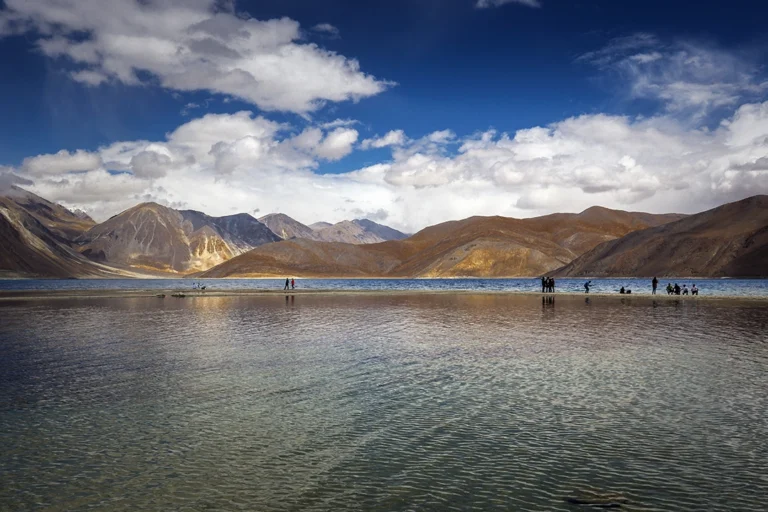
At Pangong Lake Ladakh’s changing light is easy to see. The water can look grey under cloud and turn blue as sunlight reaches it. The drive over Chang La, the wind along the shore and the time needed to adjust to the altitude shape the visit as much as the view. If you are planning a 2026 trip, allow at least 48 hours in Leh before heading higher, check the road before departure and decide whether you want a day trip or a night near the lake.
District Leh puts Pangong Tso at 14,270 feet, or about 4,350 metres. The lake is about 134 kilometres long and crosses the India–China boundary. The places in this guide are on the Ladakh side. District Leh’s Pangong Lake overview gives the elevation and describes the lake’s seasonal changes.
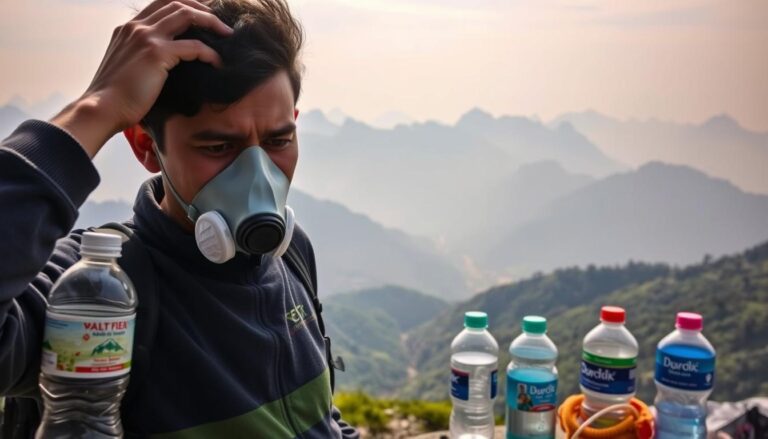
Allow time to acclimatise. The Leh district advisory requires at least 48 hours after arrival before travelling to higher places such as Pangong Lake. Build those hours into your booking dates. If you have a headache with nausea, dizziness or unusual fatigue after gaining altitude, stop ascending and seek medical advice. Confusion, trouble walking straight or breathlessness at rest warrant urgent medical help and descent. The CDC Yellow Book explains how symptoms can progress and why sleeping altitude matters.
Check the rules for your passport. Indian domestic travellers generally follow the environment-fee process rather than the old Inner Line Permit process for the usual Pangong circuit. Use the official Leh district portal for the current registration, fees and receipt. Keep your photo ID and a copy of the receipt available offline. Foreign visitors should confirm Protected Area Permit requirements and authorised stops for their passport before booking. The August 2026 administration update records a review of the permit system for foreign visitors. Use the portal or a registered Leh operator for the requirements that apply to your trip.
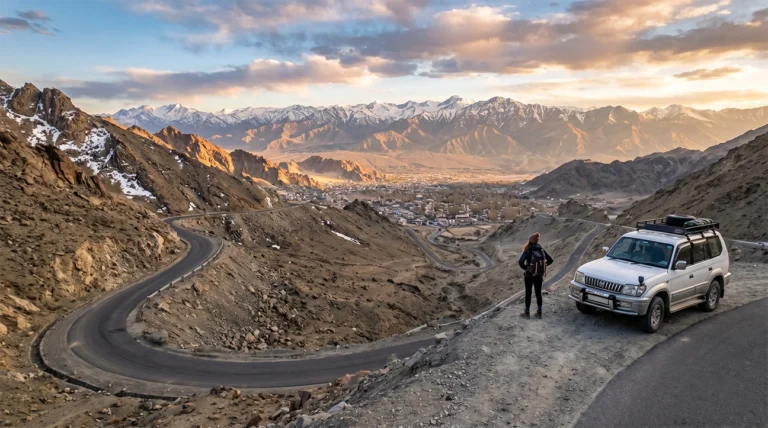
Confirm the road and your return plan. The Ladakh administration’s tourism page lists the circuit through Karu, Chang La, Durbuk and Tangtse to the lake. Check the Ladakh Tourism advisory and ask your driver about conditions on your travel day. Snow, ice, road work and traffic at the pass can change the schedule. Keep a spare day before a fixed onward booking if the lake is a priority. Download the route and save your accommodation details before leaving Leh.
Plan the Leh to Pangong Tso drive
On the Chang La route, agree on a fuel stop and a lunch plan before leaving Leh. Karu and Tangtse are useful places to ask about when planning breaks. Carry water and food you can eat if your usual stop is closed or the drive takes longer than expected. Ask the driver which villages are on the booked route and which stops would need extra time. A route drawn on a map gives little indication of how long you might wait at the pass.
Keep your warm layer in the passenger compartment. When the vehicle stops, getting it from a tightly packed boot can hold everyone up. Save the address of your stay and the route back to Leh offline. Give someone in Leh the name of your accommodation and the time you expect to return. If you are driving yourself, ask about the condition of the road and whether your vehicle and experience suit it before committing to the crossing.
Choose a day trip or a night at Pangong Tso
For a day trip, pick one stretch of shore as your main stop. Agree on the latest time you can leave for Leh and work backwards from there. This is especially useful with children or older relatives who may want longer breaks. If the morning drive runs late, use the remaining time for the lake and save the monastery or village stop for another day.
For an overnight stay, ask the property which road reaches it and whether the approach is usable after dark. Get a total price that includes meals if you intend to eat there. Ask about power, hot water and the time the kitchen closes. If the main reason to stay is photography, check whether you can reach an authorised viewpoint on foot from your accommodation. A night beside Pangong Tso gives you more time with the changing light, provided the higher sleeping altitude is appropriate for your group.
If you are coming from Nubra, confirm the exact route before assuming that a direct connection will work. Ask the operator which road they plan to use, when they last drove it and what they will do if it closes. Leave room to reroute through Leh or move the lake visit to another day.
Nine experiences around Pangong Lake
1. See the water from the Ladakh shore
At the first authorised stop, look along the shore before walking towards the water. The far bank can appear close in clear air, while the shoreline bends well beyond the first viewpoint. Use the parking area and follow signs that direct visitors away from sensitive stretches. Leave time to sit and watch the water, especially if the drive has already taken most of the morning.
2. Watch the colour change with the light
A moving cloud can turn one part of the water grey while a patch farther away stays blue. If you are photographing it, make two frames from the same spot a few minutes apart. Keep the white balance consistent so you can compare the light later. When using a polariser on a wide lens, rotate it gradually and check the sky for uneven darkening.
3. Find a quieter view
A short stop at a designated viewpoint can be enough to hear the wind and the water, especially away from vehicle doors and queues. In a photograph, a narrow band of pale stones can give the water a sense of scale. Work from an existing path. Even a faint tyre track or footpath can lead into habitat where visitors should stay out.
4. Photograph stars when conditions allow
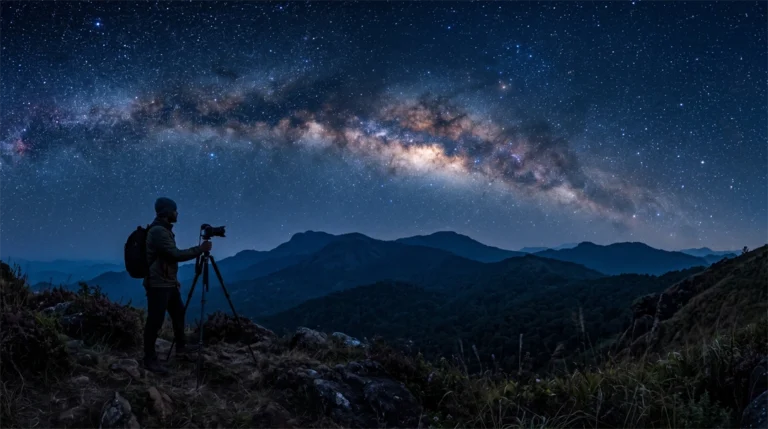
If you are already staying at an authorised property, ask the host which nearby spot is safe after dark. Check the moon phase, cloud cover and wind before setting up. A bright moon can help expose the mountains, while a darker sky can show fainter stars. Keep a spare battery warm and use a stable tripod on firm ground. Set up close enough to return easily if you feel cold or unwell.
5. Decide whether to stay overnight
An overnight stay gives you a chance to see the lake at two different times of day. It also means sleeping around 4,350 metres. Consider a return to lower altitude if your itinerary or how you feel makes a night at the lake a poor choice. For an overnight booking, ask whether the property is operating on your dates, what bedding and meals are included, whether there is running water, and how you would arrange transport if you needed to leave early. Use an authorised stay and check local restrictions before considering any camping.
6. Visit Thiksey or Hemis from Leh
Thiksey and Hemis belong in the Indus Valley part of the trip. Give one a separate morning from Leh if you want time inside, particularly when travelling with someone who finds stairs difficult. Check opening hours and ask before photographing inside prayer halls. Keeping a monastery visit separate also protects your daylight driving window on the Pangong day.
7. Recognise the setting from 3 Idiots
The film is one reason the lake is familiar to visitors who have never been to Ladakh. If you stop at a film-themed photo point, leave room for a second view away from the props. Use designated stopping areas. The position of the hills against the water is easier to appreciate when you have time to look beyond the queue.
8. Notice the landscape around the lake
From Tangtse onwards, watch the terrain as well as the water. Open slopes and gravel flats give way to patches of wetter ground near the shore. Those differences are easier to see if you stop at an authorised viewpoint and look across the valley before reaching for the camera. A wide frame can show how little of the landscape is occupied by roads or buildings.
9. Spend time in a village if access allows
If your itinerary includes a village stop, confirm that your route and documents cover it. Ask a host about meal timings and whether they can accommodate your dietary needs. Seek permission before photographing residents or their homes. If you have an afternoon at the lake and are returning to Leh the same day, agree on a departure time with your driver before adding a stop.
Four surprises at Pangong Lake
1. Brackish water can still freeze
District Leh describes Pangong as brackish and reports that the lake freezes in winter. The 134-kilometre figure refers to the whole lake across the boundary, so it gives a sense of its scale rather than the distance a visitor can drive. A frozen surface gives no indication that it can bear a person or a vehicle. View winter ice from permitted shore areas.
2. The shore is bird habitat
District Leh records summer breeding activity and lists birds such as bar-headed geese and ruddy shelducks, also called Brahminy ducks. Take binoculars or a longer lens and observe from the path. If birds move away, call repeatedly or stop feeding as you approach, give them more room. Skip a close-up if it means entering shallows or crossing a barrier.
3. The shore is subject to wildlife enforcement
In June 2026, Ladakh authorities documented illegal off-road driving near Lukung and Merak. Their account of the enforcement action includes a vehicle that entered the lake near Merak and was seized. Keep vehicles on authorised roads, carry your rubbish out and leave the water and ice undisturbed. Stay on shore for photographs.
4. The journey often decides how much time you get at the lake
A day trip is a long road outing with a relatively short visit at the shore. A late start, road delay or long lunch can quickly use up the daylight you had reserved for photography. Ask your driver when you need to turn back. If your dates are flexible, PicknStory’s guide to the best time to visit Leh Ladakh can help you compare a summer trip with the extra planning winter requires.
A photography plan for one stop
Start with a wide frame that includes a little foreground. At Pangong Tso, a line of stones, a dark slope or a break in the cloud can give the eye somewhere to start. Then try a tighter frame of the boundary between two shades of water. If there is glare, change your position along the path and look at the water again before adjusting your settings.
For birds, use a longer lens and let them decide the distance. A clear photograph from farther away is often easier if you wait for the bird to turn into the light. If you are photographing in wind, tuck the camera strap away from the tripod and keep the centre column low. Put the camera away before crossing loose ground or moving back to the road.
Before leaving, review a few frames for blown highlights in the clouds and dust spots in the sky. If you have time for one more image, return to the first composition and see what has changed. That pair can tell more about the light at Pangong Tso than a succession of similar viewpoints.
Conclusion
Give Pangong its own day after acclimatising in Leh. If conditions allow, pick one priority for the visit, such as watching the light change, looking for birds from a distance or photographing the mountains after sunset from an authorised stay. The next stop can wait if the pass takes longer than expected or someone in the group feels unwell.
FAQs
When is the best time to visit Pangong Lake?
For a first visit, plan for summer or early autumn if you want a better choice of stays and daylight for the road. Confirm your actual dates with the property and check the road close to departure. A winter visit needs a separate plan for road access, cold and seasonal closures.
Do Indian visitors need a permit for Pangong Lake?
For the usual circuit, Indian domestic travellers use the official environment-fee process. Check your route and current requirements on the Leh district portal. If you are travelling on a foreign passport, confirm the applicable Protected Area Permit requirements before leaving Leh.
Is Pangong Lake possible as a day trip from Leh?
Yes, if the road is open and you have acclimatised. Leave early and agree on a turnaround time. A day visit allows you to return to a lower sleeping altitude. Keep your plans flexible if road conditions or anyone’s health changes.
Can you camp or swim at Pangong Lake?
Book an authorised property if you want to stay overnight and confirm any camping restrictions locally. Stay out of the water and off the ice. The lake is cold and remote, and parts of its shore are sensitive wildlife habitat.
What should photographers carry?
Bring a windproof layer, gloves, spare batteries, a lens cloth and a bag that closes against dust. A wide lens works for the shore and mountain backdrop. A longer lens helps you photograph birds without moving closer. If you are working after sunset, use a stable tripod and keep a light handy for the walk back.