Stock Photography After AI: The Brutal Truth Every Photographer Must Face in 2026
Stock photography after AI has been a topic of heated conversation, especially in a culturally rich and diverse country like India. I’ve noticed that many discussions overlook an important aspect of stock photography after AI – the unique Indian context. As a seasoned blogger from New Delhi, it feels heart-wrenching to witness how sometimes our incredible festivals, lush landscapes, and vibrant cultural moments are lost in translation by AI-driven models. These models mainly draw from Western data, resulting in images that lack the genuine richness of Indian settings. My evenings spent capturing the essence of India during festivals have turned into reflections on how we can further define our value against AI.
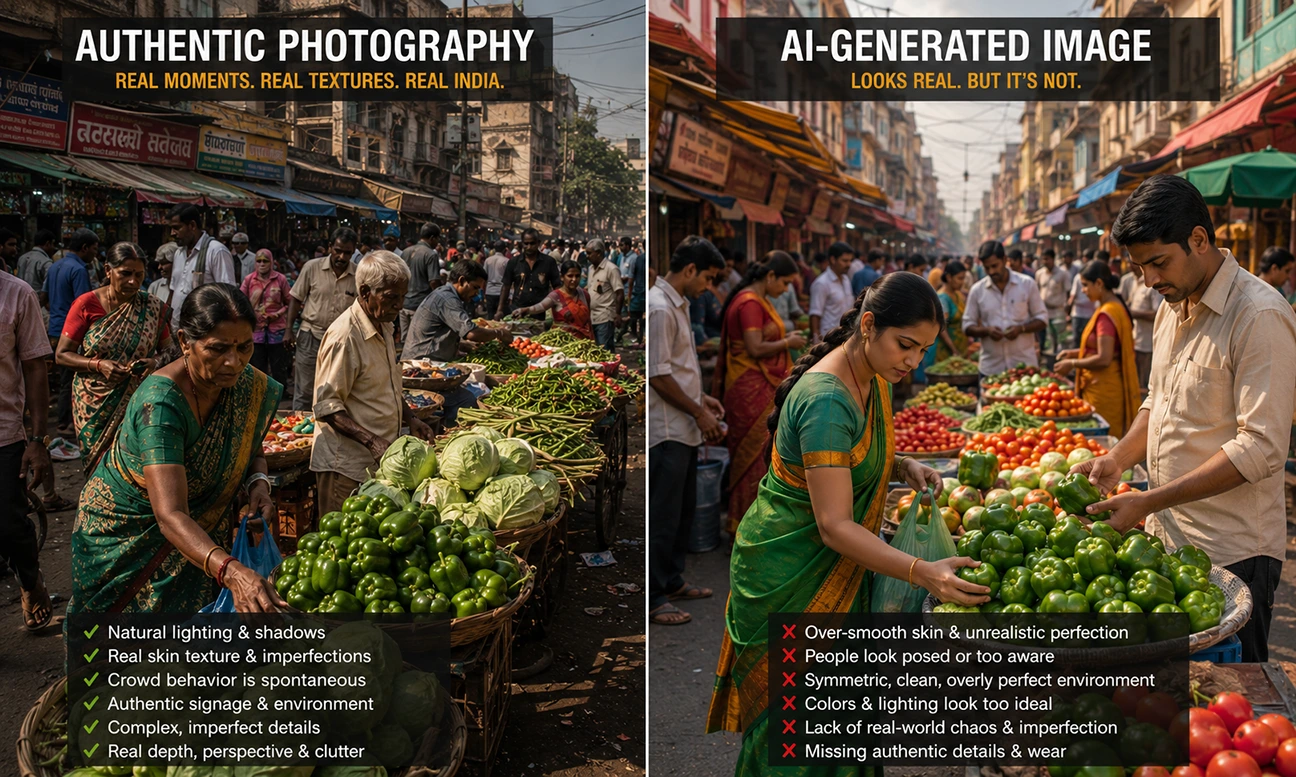
In this article, I will delve into why the future of stock photography is not as bleak for Indian photographers as one might think. Meanwhile, if you’re curious about how AI influences other aspects of our lives, check out this article.
What the Market Data Actually Shows in 2026
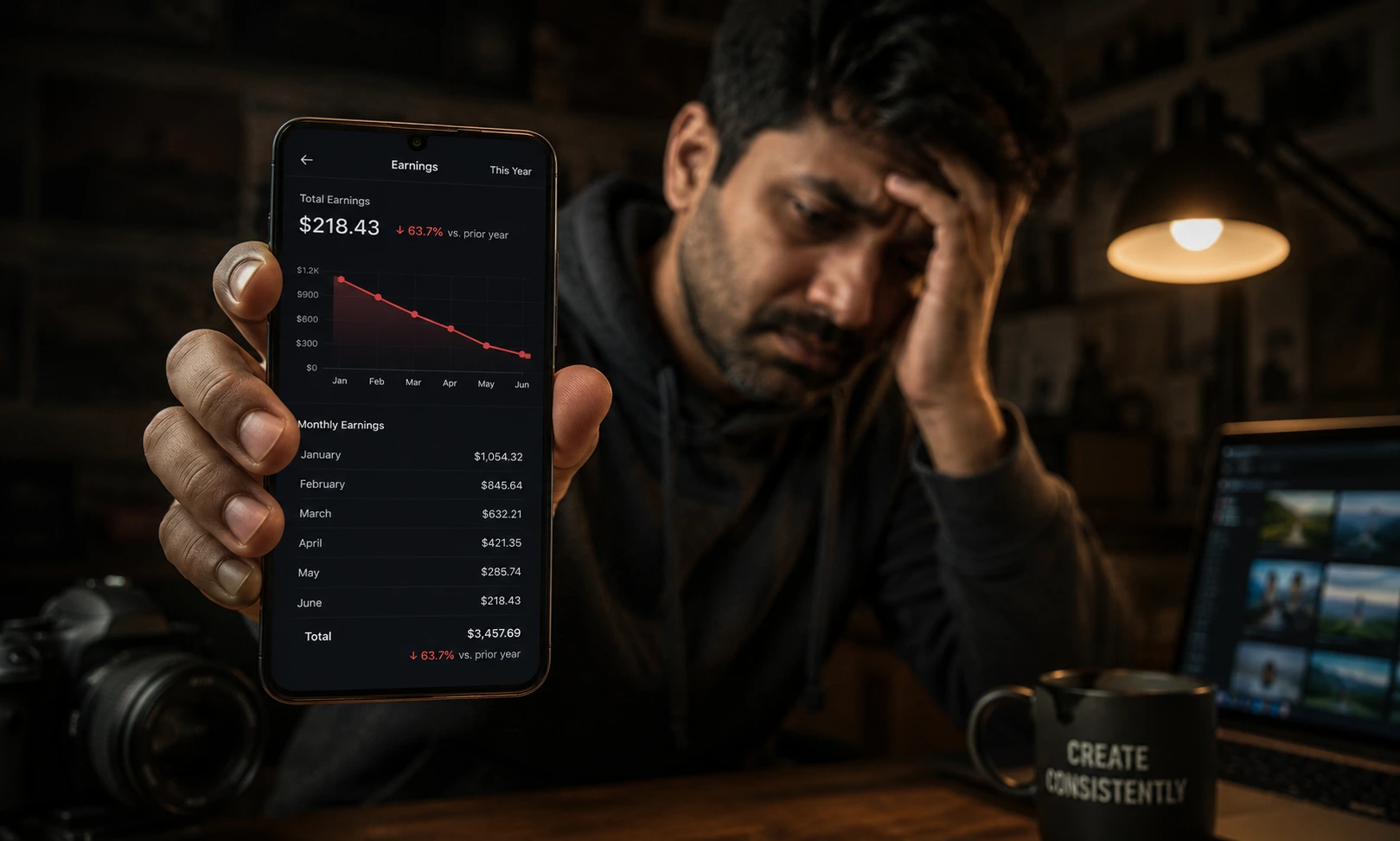
As we navigate through 2026, the dynamics of stock photography after AI has shifted dramatically. Recent market data indicates a substantial dip in demand for generic stock images that AI can produce effortlessly. However, there is a compelling interest in authentic and geographically specific imagery. This shift offers a unique advantage to photographers who can produce genuine Indian content. The savvy buyer now focuses on authenticity and provenance, an area where AI currently struggles.
The Gap AI Cannot Fill
While AI can churn out polished images, it often misses the cultural nuances that real-life photography captures. Take, for example, the unique colors of Holi or the intricate patterns in a Rangoli design. These are elements that AI-generated images rarely get right, providing an opening for us, the native photographers, who understand these subtleties.
The Rise of Provenance
In stock photography after AI, provenance becomes a premium asset. More buyers demand proof of authenticity, especially with the rise of AI-generated images. Photographers who can provide EXIF data proving an image’s origin will find themselves at an advantage. This shift represents an opportunity to command better prices and ensure that real and untouched content still has a place in the market.
The Photography That AI Cannot Replicate Yet
Despite the advances of stock photography after AI, certain categories remain elusive to these technologies. Photography that involves intricate human emotions, diverse Indian settings, and real-time natural elements is still domains where AI struggles to keep up.
Emotional Depth in Imagery
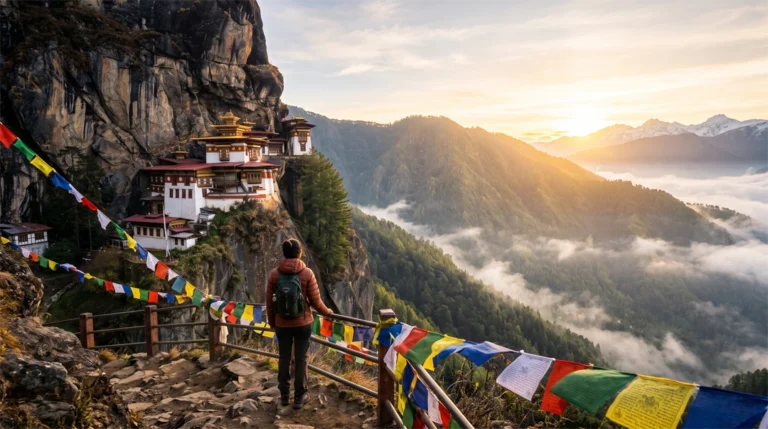
Stock photography thrives on the ability to convey a story within a single frame. AI-simulated creativity often lacks the soul that a human photographer can inject into an image. Whether it’s the intensity of a Kathak performance or the serenity of a Himalayan sunset, capturing such depth is a skill honed through experience and empathy.
Regional Intricacies
One of my favorite aspects of photography is capturing my neighborhood’s vibrancy in Old Delhi. AI, with its reliance on global data, often overlooks regional subtleties, which makes authentic images of local streets, festivals, and marketplaces all the more valuable. It’s an invitation to add your personal touch and authenticity to a scene an AI model cannot replicate.
How the Major Platforms Are Actually Responding
In the face of evolving stock photography after AI, major platforms are recalibrating their strategies. Shutterstock and Getty Images, leading players, are integrating AI technology not just as a tool for creation but for content curation, authenticity verification, and metadata enhancements.
AI-Enhanced Curation
These platforms are using AI to classify and tag images more effectively, making the search process seamless for buyers. However, they recognize that AI cannot entirely replace the quality and uniqueness of authentic human photography, especially content rooted in specific cultural landscapes.
The Role of Authenticity Verification
Major platforms are beginning to emphasize authenticity verification through advanced AI solutions. They are focusing on implementing technologies that can differentiate between AI-generated content and genuine photography. This creates a renewed focus on photographers who can prove the authenticity of their work using metadata, putting photographers in India at a unique advantage.
The Indian Stock Photography Market – A Specific Angle Nobody Is Writing About
Perhaps the most underreported aspect of stock photography after AI is the opportunity present in the Indian market. While AI models struggle with cultural specificity, Indian photographers equipped with local knowledge have the chance to fill the gap.
Hyper-Localized Content
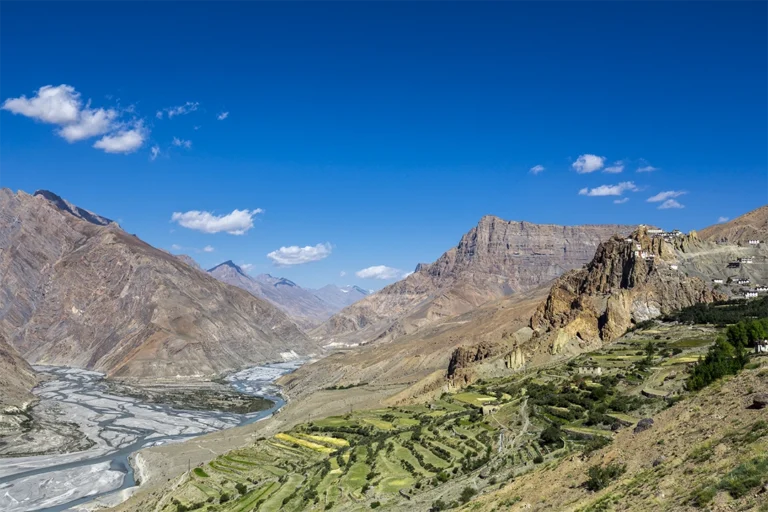
India’s diversity is our strength. Each state, each festival, and every local market contributes to a tapestry of unique content. AI-generated photography fails to replicate this diversity, especially when it is important to get the details right. From the bustling streets of Mumbai to the serene backwaters of Kerala, photographers situated locally gain the upper hand.
Building on Tradition
The traditions of India, so diverse and abundant, stand as a testament to influence autonomous photography cannot mimic. Creating stock images that tell authentic stories of Rajasthani desert life or Karnataka’s Carnatic music festivals offers real opportunities for photographers who understand these cultural nuances better than any AI program.
Astrophotography and Extreme Locations – The Safest Category in Stock
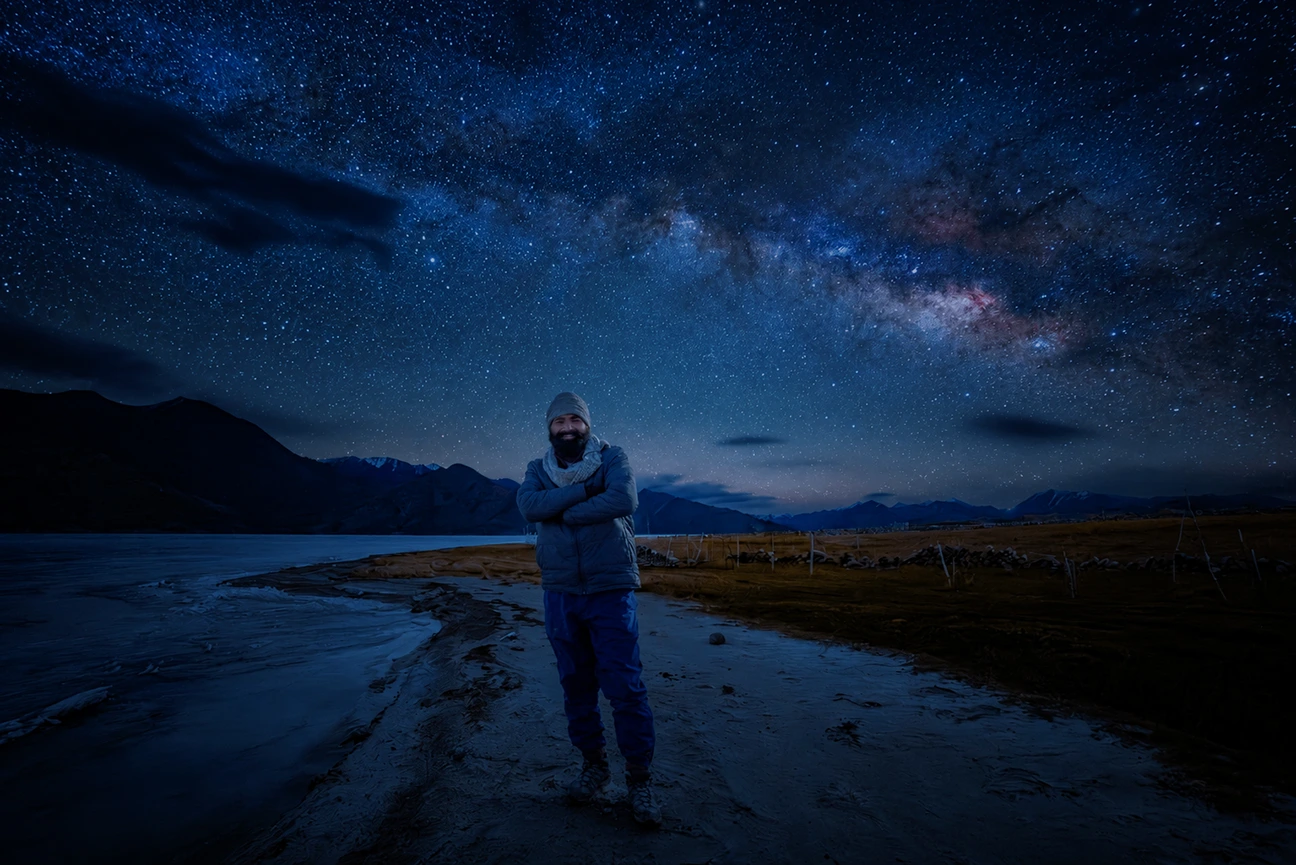
In 2026, stock photography after AI still values the thrill of capturing extreme locations and the cosmos, domains where AI falls short. These remain the bastions of traditional photography that resist the AI takeover.
The Astronomical Advantage
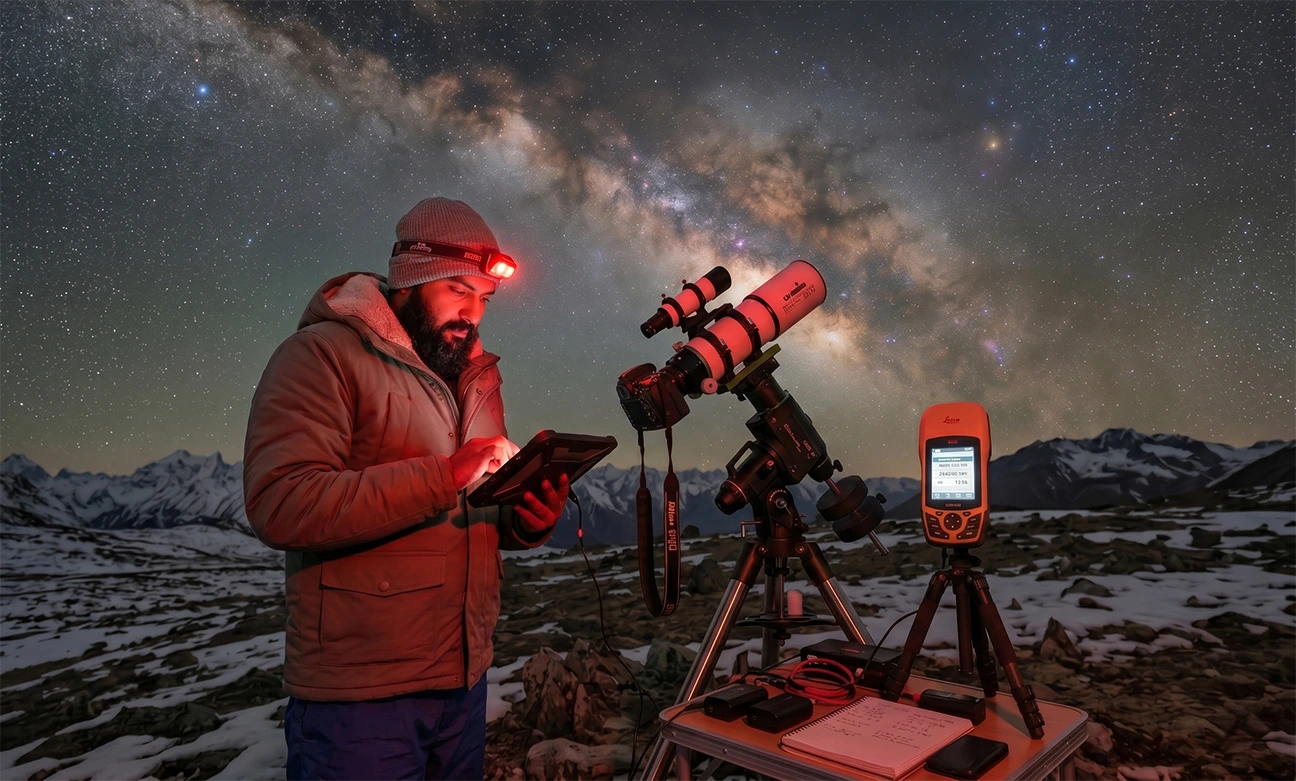
Astrophotography relies heavily on specialized equipment, precise technique, and a keen understanding of cosmic events. While AI can enhance post-processing, it lacks the capability to initiate the capture of celestial phenomena in real-time. It’s in these arenas where passionate individuals continue to shine, those willing to brave the elements and wait long hours for the perfect shot.
The Enigma of Extreme Locales
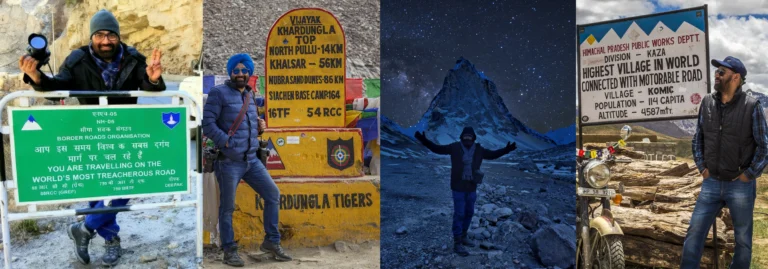
From trekking in the Himalayas to exploring the Thar Desert, the element of adventure in extreme locations offers photographers content that AI simply can’t produce. Having navigated these areas myself, I’m often reminded of the power of human endeavor over machine learning. It’s the perseverance facing high altitudes or unforgiving sun that rewards photographers with images carrying authenticity impossible for AI to match.
The New Business Models Replacing Traditional Stock Income
The landscape of stock photography after AI is prompting photographers to reinvent their business models. Traditional income streams may be dwindling, but new opportunities are emerging. Indian photographers are particularly equipped to embrace this change, given their adaptability and vast untapped markets.
Subscription-Based Models
Leading platforms have started offering subscription services for exclusive content access. These models attract a consistent revenue stream while ensuring that unique content reaches its audience. Additionally, photographers can consider introducing their subscription services, offering curated packages specific to niche areas such as Indian folk dances or regional cuisines.
Collaborative Platforms
New collaborative platforms allow photographers to license images directly to consumers. By cutting down on intermediaries, photographers can retain greater shares of their earnings. These platforms foster a community-driven approach, enabling photographers to connect directly with potential clients and tailor their portfolios to meet specific demands.
What Photographers Should Actually Do Right Now
As the dawn of stock photography after AI is upon us, let us focus on the tangible steps photographers can undertake. The ever-evolving AI developments call for a proactive approach rather than a reactive one.
Embrace Authentic Indian Content
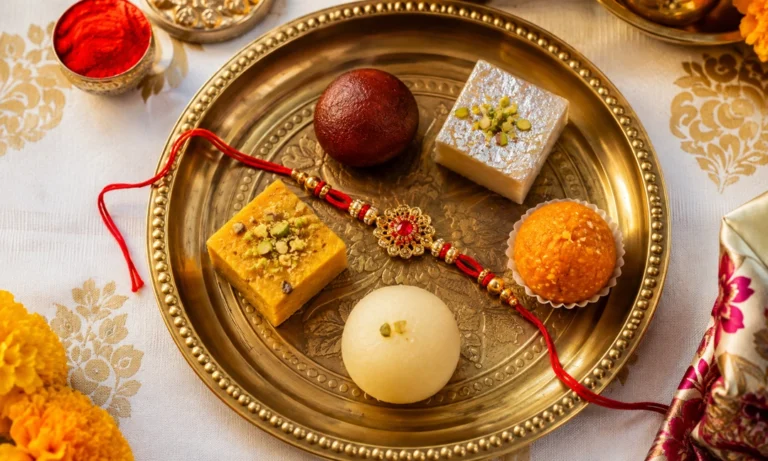
Lean into your storied heritage by focusing on authentic Indian content. Learn and capture the intricate details of local traditions. It brings me enormous joy to shoot the Diwali festivities from my own balcony in Delhi. Such a series of snapshots, masterfully curated, can offer the exceptional selling point of genuine cultural insight that AI cannot replicate.
Utilize Technology Actively
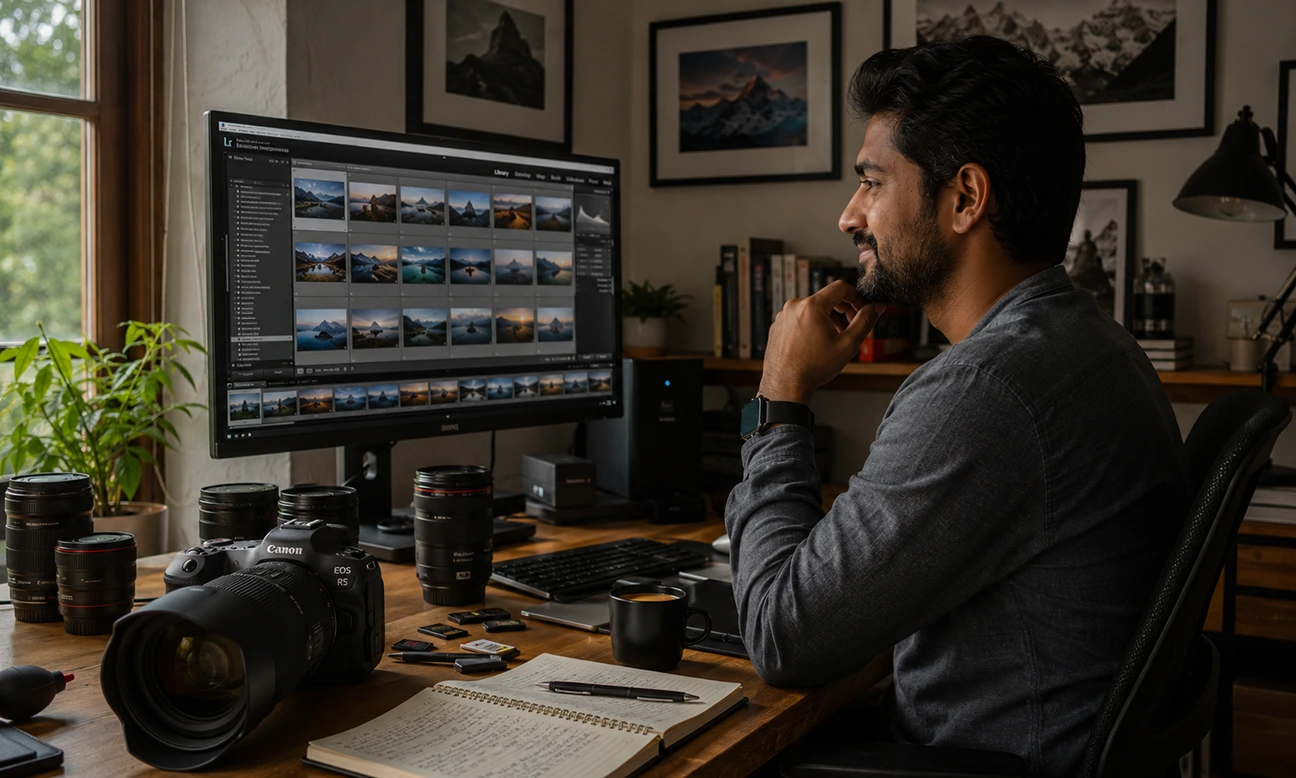
Adopt the latest photographic gear and post-processing software to stay ahead in the game. With time and practice, mastering these tools will help optimize and differentiate your offerings. Don’t shy away from using AI as a supplementary tool when necessary. Let AI complement your skills instead of perceiving it as competition.
The Copyright Question That Will Define the Next Five Years
The conversation surrounding stock photography after AI inevitably leads us to the prominent issue of copyrights. The lines are being redrawn about what constitutes intellectual property in the age of AI.
The Need For Legislative Changes
Governments worldwide, including India, are compelled to revise copyright laws to address the nuances of AI-generated work. We must remain vigilant regarding policy changes and actively advocate for frameworks safeguarding our rights.**
The Importance of Registering Work
Professional photographers should consistently register their works to assert their rights and secure their ownership. It’s a small step that offers peace of mind, especially when distinguishing your captured moments from algorithmic renderings. As AI blurs traditional boundaries, being proactive becomes increasingly critical.
What Stock Photography Looks Like in 2030
Looking beyond, the journey of stock photography after AI appears intricate and multi-faceted. By 2030, the industry will likely blend new technology with authentic storytelling.
The Role of Technological Symbiosis
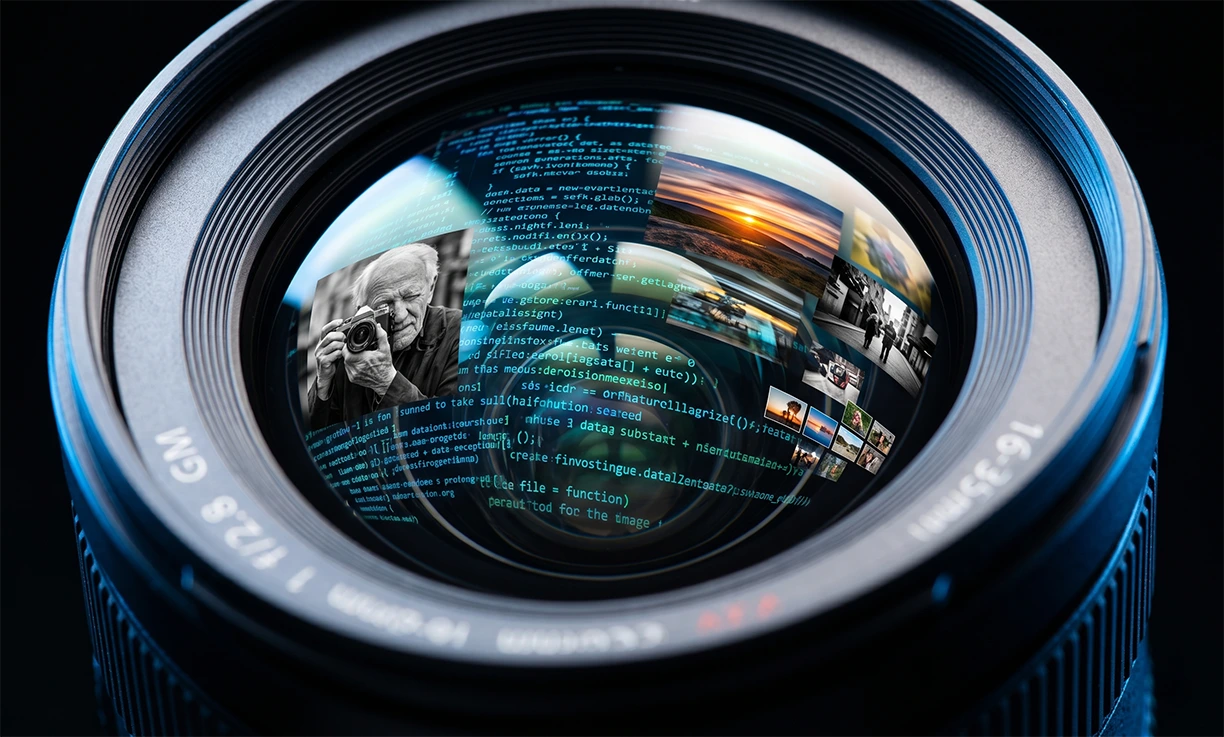
Across the horizon, we anticipate a world where human and AI creativity coexist symbiotically. While AI assumes mundane tasks, human photographers focus on infusing compelling narratives into their imagery, creating a nuanced landscape that celebrates the strengths of both parties involved.
Elevated Demand for Authenticity
The industry will progressively lean towards authenticity, driven by market demand for true, unembellished storytelling. Indian photographers, with a keen eye on leveraging cultural specificity, have the pathway open for them to effortlessly carve out a niche audience. Embracing authenticity will continue to be the mantra that maintains the balance between human creativity and automation.
FAQs
- Is stock photography still worth pursuing in 2026?
Yes, stock photography after AI remains viable, especially for photographers who can offer culturally specific and authentic content. As AI dominates generic landscapes, the demand for real-world imagery continues to thrive. For Indian photographers, capturing the rich diversity of their surroundings offers unique selling points. - Which stock photography categories are most affected by AI?
The categories of standard landscape and generic portraits are most impacted by AI’s advancement. Fortunately, culturally and geographically unique photography continues to retain its value, demanding the skill and insight only human photographers can provide. - Can AI really replace authentic Indian photography?
AI struggles to replicate authentic Indian photography due to the complexity and diversity of cultural and regional themes. While AI can create images, it typically lacks the ability to genuinely reflect India’s deep cultural essence, something Indian photographers can authentically and expertly capture. - What is the future of astrophotography in the stock market?
Astrophotography remains a strong sector within stock photography after AI. Specialty content like celestial landscapes and cosmic events is less susceptible to AI replication. Human expertise in capturing these majestic moments ensures its continued allure and market value. - How are Shutterstock and Getty Images responding to AI?
In response to stock photography after AI, Shutterstock and Getty Images invest heavily in technology for better content curation, authenticity checks, and metadata enhancements. They are committed to embracing AI without sacrificing the value and integrity of genuine photography. - Should photographers register copyrights on their work?
Yes, registering copyrights is becoming crucial for photographers in the age of AI. It establishes legal protection over their creations and secures ownership rights. Photographers are encouraged to protect their work proactively amidst evolving AI-generated content landscapes. - What new revenue models are working for photographers in 2026?
In stock photography after AI, subscription-based and direct-to-consumer models emerge as lucrative alternatives. Exclusive content offerings and community-driven platforms help maintain income streams. Diversifying revenue strategies will help photographers remain profitable amid industry changes. - How does EXIF data help photographers in the AI era?
EXIF data is invaluable in stock photography after AI, offering proof of authenticity and image origin. It helps differentiate genuine photography from AI creations, particularly as buyers increasingly demand validation of image provenance.
Read more about the role of technology in everyday life here. - Is there still demand for Indian travel photography in global stock markets?
Absolutely. Indian travel photography attracts global interest owing to its vibrancy and uniqueness. Photographers focusing on specific locales, festivals, and cultural experiences can expect continued demand. Capturing the essence of diverse regions helps differentiate offerings in a crowded marketplace. - What stock photography categories have the best long-term outlook?
Culturally unique content, astrophotography, and images of extreme locations possess the best long-term outlook in stock photography after AI. These areas require human ingenuity to capture authenticity, ensuring they retain value as AI continues to evolve.
For inspiration on where to capture stunning photography, visit here.
Conclusion
Stock photography after AI is undoubtedly reshaping the industry landscape, yet it’s not without its silver linings, especially for Indian photographers. As someone who cherishes capturing the multifaceted beauty of our nation, it’s apparent that AI is a tool, not a threat. With my camera in hand, I invite you to embrace authenticity and depth, vital aspects AI cannot replace. So, let’s capture the world as we know it – our settings, our stories, and our moments – with renewed passion and creativity. For more on how the world is changing, take a look at this journey. Stock photography after AI is not an end but a transformational phase with new beginnings in storytelling.
Stay curious and stay inspired.